
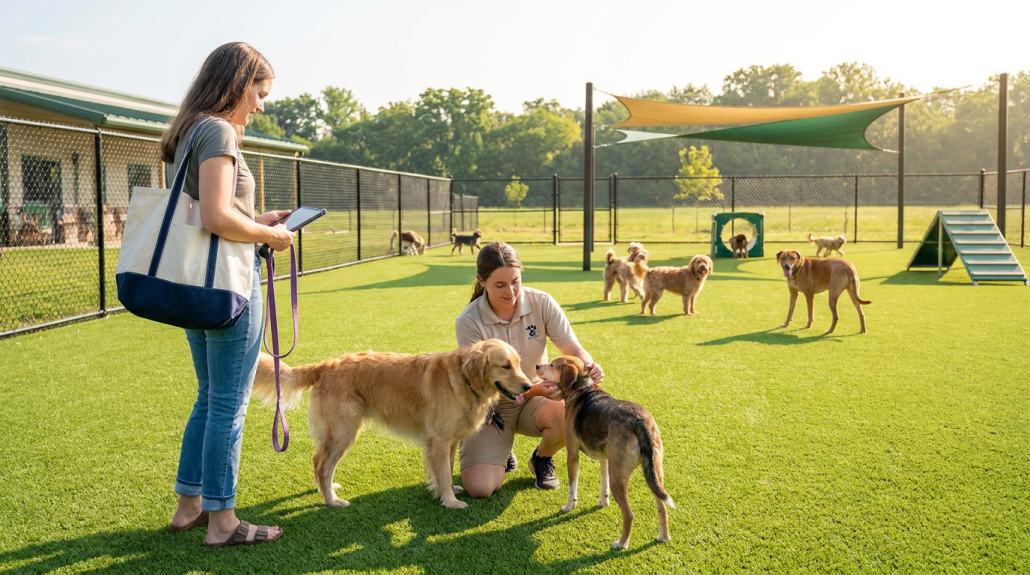
End of School Year Preparing Dogs for Summer Schedule Changes in Daycare
Understanding the Impact of Schedule Transitions on Dogs
The first warm day of spring arrives, and suddenly your dog seems confused when you mention “daycare.” After months of winter routines, that familiar schedule disruption hits both pet parents and their four-legged companions. Just as children experience anxiety when transitioning from school year to summer break, dogs undergo similar stress when their daily patterns shift dramatically.
Most pet owners underestimate how deeply ingrained routines become for their canine companions. Dogs thrive on predictability, and when summer schedules clash with established patterns, behavioral changes emerge quickly. Understanding these transitions becomes crucial for maintaining your dog’s emotional well-being during seasonal shifts.
How Dogs Process Routine Changes
Dogs operate on internal clocks that rival Swiss timepieces. Their circadian rhythms develop around consistent meal times, walks, and social interactions. When summer brings longer days and altered schedules, these biological patterns face disruption.
The canine brain processes time differently than humans. Rather than understanding calendar changes, dogs recognize patterns through environmental cues. Morning sunlight, household sounds, and your pre-departure routines signal daycare time. Sudden schedule modifications create cognitive dissonance that manifests through behavioral changes.
Research indicates dogs form strong associations between specific triggers and expected outcomes. The sound of car keys might signal an exciting daycare visit during the school year, but summer schedule changes can leave dogs uncertain about what comes next. This uncertainty triggers stress responses that affect their overall behavior and well-being.
Professional facilities that offer quality daycare services understand these psychological patterns and work with families to minimize transition stress through structured approaches.
Signs of Stress During Schedule Adjustments
Recognizing stress signals becomes essential for addressing schedule-related anxiety before it escalates. Dogs communicate discomfort through subtle behavioral shifts that many owners initially dismiss as temporary adjustments.
Physical symptoms often appear first. Excessive panting, drooling, or pacing near doors indicates anxiety about routine disruptions. Some dogs develop digestive issues or changes in appetite when their schedules become unpredictable. Sleep patterns may shift, with dogs becoming restless during previously calm periods.
Behavioral changes provide clearer indicators of schedule-related stress. Dogs might become clingy, following owners around the house more than usual. Alternatively, some dogs withdraw, seeking isolated spaces when they previously enjoyed social interaction. Destructive behaviors like chewing furniture or excessive barking often emerge during transition periods.
Regression in training becomes another common stress indicator. House-trained dogs might have accidents, while well-behaved dogs may ignore basic commands. These behaviors reflect confusion rather than defiance, requiring patience rather than punishment.
The Importance of Gradual Transitions
Abrupt schedule changes shock canine systems, while gradual transitions allow dogs to adapt naturally. Professional trainers recommend implementing changes over 7-10 day periods, adjusting one element at a time.
Start with modified wake-up times, shifting morning routines by 15-30 minutes daily until reaching summer schedules. This approach prevents dramatic disruptions that trigger stress responses. Similarly, daycare drop-off times should gradually adjust rather than jumping immediately to new schedules.
Maintaining consistent elements during transitions provides stability anchors. Keep feeding times, exercise routines, and bedtime rituals unchanged while modifying other schedule components. This strategy helps dogs understand that some reliable patterns remain intact.
Communication with daycare providers becomes vital during transition periods. Facilities experienced in behavioral management can adjust their approach to support individual dogs through schedule changes.
Age and Breed Considerations for Schedule Changes
Different dogs require varying approaches to schedule transitions based on age, breed characteristics, and individual temperaments. Puppies under one year often adapt quickly but need extra structure to prevent confusion about expectations.
Senior dogs present unique challenges during schedule modifications. Older dogs rely heavily on established routines for comfort and security. Changes that younger dogs accept easily might cause significant distress in elderly companions. Their cognitive flexibility decreases with age, making gradual transitions even more critical.
Breed characteristics influence adaptation strategies. High-energy breeds like Border Collies or German Shepherds need consistent mental stimulation regardless of schedule changes. Working breeds often struggle more with reduced activity levels during summer breaks. Conversely, laid-back breeds like Bulldogs or Basset Hounds typically adjust more easily to relaxed summer schedules.
Individual temperament trumps breed generalizations in many cases. Anxious dogs require extra patience and support, while confident dogs might embrace schedule variety. Understanding your specific dog’s personality helps tailor transition strategies for optimal success.
Creating a Smooth Transition Plan
Establishing New Routines Before School Ends
The key to successful summer transitions lies in starting preparations at least two weeks before your child’s last day of school. Dogs thrive on predictability, and sudden schedule changes can trigger anxiety or behavioral issues that affect their daycare experience.
Begin by gradually shifting your morning routine to match summer timing. If your child typically wakes at 7 AM for school but summer plans allow for 8 AM starts, incrementally move wake-up time by 15-minute intervals every few days. This approach helps your dog’s internal clock adjust naturally rather than experiencing an abrupt change.
Consider your dog’s meal timing as well. Many families feed their pets before the morning school rush, but summer schedules might allow for more relaxed breakfast routines. Adjust feeding times slowly to prevent digestive upset or confusion about when food arrives. Your dog’s stomach operates on a schedule too, and maintaining consistency prevents stress-related eating problems.
Practice the new routine on weekends first. This gives you opportunities to troubleshoot potential issues without the pressure of actual schedule demands. You might discover your dog becomes restless with later wake times or needs additional morning exercise to maintain their daycare behavior standards.
Communicating Changes with Your Daycare Provider
Your daycare staff are your partners in ensuring smooth transitions. Schedule a conversation with your provider at least one week before implementing summer schedule changes. Professional daycare facilities appreciate advance notice because they can adjust their own routines and prepare their staff accordingly.
Discuss specific timing changes, including any variations in your weekly schedule. Summer often brings irregular patterns with vacation days, camp schedules, or family activities that affect daycare attendance. Providing a general overview helps staff anticipate your dog’s needs and maintain consistent care approaches.
Share behavioral observations you’ve noticed during your home transition practice. If your dog seems more energetic with later wake times or requires different morning routines, this information helps daycare staff provide targeted attention. They might adjust your dog’s activities or group assignments to accommodate these changes.
Ask about the facility’s summer programming changes too. Many daycare centers modify their activities during warmer months, incorporating more water play or adjusting outdoor time schedules. Understanding these changes helps you prepare your dog for new experiences and ensures alignment between home and daycare expectations.
Adjusting Drop-off and Pick-up Times Gradually
Timing changes require careful implementation to prevent your dog from developing separation anxiety or pickup anticipation issues. Start with small 15-minute adjustments to your current drop-off time, maintaining this new schedule for at least three days before making further changes.
Watch for stress signals during these transitions. Heavy panting, excessive drooling, or reluctance to enter the daycare facility might indicate your dog needs more time to adjust. Some dogs adapt within days, while others require weeks to feel comfortable with new routines.
Pick-up time changes often prove more challenging than drop-off adjustments. Dogs develop strong anticipation patterns around reunion times, and changes can create anxiety when their expected pickup window passes. Implementing summer heat pet protocols might require earlier pickup times during peak temperature hours, making gradual adjustments even more important.
Consider using transitional pickup times on practice days. If your summer schedule requires 3 PM pickup instead of 5 PM, try picking up at 4 PM for several days before moving to the final time. This stepwise approach reduces confusion and helps your dog adjust their internal expectations gradually.
Building Flexibility into Your Dog’s Schedule
Summer schedules often involve more variability than school-year routines. Building adaptability into your dog’s expectations prevents stress when inevitable schedule changes occur. This flexibility becomes particularly important when choosing between different care options like pet sitter versus arrangements during family vacations.
Introduce controlled schedule variations during your transition period. Occasionally vary drop-off times by 30 minutes or skip daycare for surprise family activities. These small disruptions, when managed positively, help your dog develop resilience to schedule changes rather than rigid expectations.
Create backup plans for common summer disruptions. Weather changes, family emergencies, or spontaneous activities shouldn’t derail your dog’s routine entirely. Having established alternative arrangements or modified schedules prevents last-minute stress for both you and your pet.
Remember that flexibility works both ways. While building adaptability helps your dog handle changes, maintaining some consistent elements provides security. Keep feeding times, exercise routines, or bedtime schedules stable even when daycare timing shifts. This balance between flexibility and predictability creates confident, well-adjusted dogs who thrive during summer schedule transitions.
Addressing Common Behavioral Challenges
Managing Separation Anxiety During Longer Days
Extended summer daycare hours can trigger separation anxiety in dogs who’ve grown accustomed to shorter school-year schedules. Dogs that previously handled six-hour days might struggle with nine or ten-hour stretches, especially when their familiar routine suddenly shifts. This anxiety often manifests as destructive behavior, excessive barking, or withdrawal from social activities.
The key is implementing gradual exposure rather than forcing immediate adaptation. Start by extending daycare stays by just one hour during the first week, then progressively increase duration. This approach helps dogs build confidence without overwhelming their emotional capacity. Monitor stress signals like panting, pacing, or loss of appetite during pickup times.
Creating comfort anchors within the daycare environment becomes crucial during this transition. Familiar blankets, toys, or even clothing items with your scent can provide reassurance during particularly challenging moments. Professional staff should also maintain consistent interaction patterns, offering regular check-ins and comfort sessions throughout these longer days.
Preventing Regression in Training Progress
Schedule disruptions often lead to behavioral regression, where previously mastered commands and routines deteriorate. Dogs that reliably followed basic commands during structured school-year schedules might become less responsive when their daily framework changes dramatically. This regression typically affects house training, leash manners, and social interactions first.
Maintaining training consistency across different environments requires deliberate effort from both daycare staff and owners. The principles established in foundation training programs should continue throughout summer transitions, reinforcing core behaviors even when schedules vary. Regular practice sessions within daycare settings help prevent skill deterioration.
Documentation plays a vital role in preventing regression. Staff should track which commands each dog responds to consistently and note any areas of decline. This information allows for targeted reinforcement during quiet moments throughout the day. Quick five-minute training sessions can be incredibly effective when integrated into existing daycare activities.
Handling Increased Energy Levels and Stimulation Needs
Longer daycare days paradoxically require more structured activity planning, not less. Dogs need varied stimulation throughout extended periods to prevent boredom-induced behavioral problems. Without proper mental and physical challenges, even well-behaved dogs can develop destructive habits or become overly excitable.
Implementing rotation-based activity schedules helps maintain engagement during marathon daycare sessions. Morning might focus on high-energy play, midday on puzzle games and training, afternoon on social interaction, and evening on calming activities. This structured approach prevents the energy peaks and crashes that lead to behavioral issues.
Mental stimulation becomes equally important as physical exercise during longer stays. Interactive toys, scent work, and problem-solving games provide cognitive challenges that tire dogs effectively. Many facilities discover that incorporating dog training elements into daily activities helps channel excess energy productively while reinforcing desired behaviors.
Weather considerations also affect energy management during summer months. Indoor activities must substitute for outdoor play during extreme heat, requiring creative solutions to maintain appropriate stimulation levels. Air-conditioned play areas, water games, and shaded outdoor spaces become essential components of summer programming.
Maintaining Social Skills with Altered Group Dynamics
Summer schedule changes often alter the composition of daycare groups, introducing new dogs while removing familiar playmates. These shifting dynamics can challenge even socially confident dogs, potentially leading to resource guarding, territorial behavior, or social withdrawal. Dogs that thrived in smaller, consistent groups might struggle with larger summer crowds.
Careful group management becomes essential during these transitions. Introducing new dogs gradually, rather than suddenly changing entire group compositions, helps maintain social stability. Experienced staff should monitor interactions closely during the first few weeks of schedule changes, intervening before minor conflicts escalate into serious behavioral problems.
The benefits of structured daycare programs become particularly evident during these challenging periods. Well-designed facilities maintain consistent social rules and interaction protocols, regardless of group composition changes. This consistency helps dogs navigate social situations more confidently, even when surrounded by unfamiliar companions.
Regular social skills assessment helps identify dogs struggling with group dynamic changes. Some dogs might need temporary placement in smaller groups or additional one-on-one attention until they adapt to new social environments. Early intervention prevents minor social anxieties from developing into more serious behavioral challenges that could affect long-term daycare success.
Daycare Environment Adaptations for Peak Season
Understanding Capacity Changes and Group Compositions
Summer brings dramatic shifts in daycare capacity as families adjust their routines. Many facilities see enrollment increases of 40-60% during peak summer months, fundamentally changing the social dynamics your dog has grown accustomed to throughout the school year.
The group composition becomes more diverse during summer months. Dogs who might typically attend only two days per week suddenly become daily regulars, while previously unfamiliar faces join established pack hierarchies. This shift affects everything from play patterns to feeding arrangements, requiring careful observation of how your dog responds to these changes.
Consider how your dog currently interacts with their regular daycare companions. Dogs often form strong preferences for specific playmates and familiar routines. When the group dynamic shifts significantly, even confident dogs can become overwhelmed or reactive. Watch for signs like increased resource guarding around toys or food bowls, reluctance to engage in group activities, or changes in their typical greeting behavior with staff members.
Age demographics also shift during summer. Puppies and younger dogs often join the mix when families have more time for training and socialization. Your senior dog might find the increased energy levels exhausting, while middle-aged dogs could become protective of their established territories within the facility.
Preparing for Extended Hours and Different Staff
Summer schedules often mean longer daycare days, sometimes extending from the typical 8-hour stint to 10-12 hours. These extended periods require different energy management strategies and can significantly impact your dog’s routine adaptation process.
Staffing changes become inevitable during peak season. Many facilities hire temporary summer staff or adjust existing team schedules to accommodate increased demand. Your dog might encounter unfamiliar handlers during pickup, different voices giving commands, or altered approaches to managing group activities. Some dogs adapt easily to new staff members, while others become anxious when their preferred caregiver isn’t present.
The staff-to-dog ratio often shifts during busy periods. Where your dog might have enjoyed more individualized attention during the school year, summer crowds mean shared attention spans. Dogs who rely heavily on staff interaction for comfort or direction might struggle with this adjustment. Similarly, dogs who prefer minimal human intervention might find the increased activity overwhelming.
Communication patterns between staff and parents also change during peak periods. Quick handoffs become more common, potentially reducing the detailed daily reports you’ve grown accustomed to receiving. This can leave pet parents feeling less connected to their dog’s daycare experience, making it harder to identify potential adjustment issues early.
Adapting to Modified Activity Schedules
Summer daycare schedules prioritize different activities than school-year routines. Extended outdoor time becomes central to daily programming, but this shift can challenge dogs who prefer structured indoor activities or have developed strong preferences for specific play areas.
Water play activities become more prominent during hot months. Not all dogs embrace sprinklers, kiddie pools, or hose games with equal enthusiasm. Dogs who haven’t experienced water play might feel excluded from group activities, while water-loving breeds could become overstimulated by constant access to aquatic fun.
Meal timing often shifts to accommodate longer days and increased outdoor activity. Dogs accustomed to specific feeding schedules might experience digestive upset when daycare facilities adjust meal times to work around extended play periods or staff break schedules.
Rest periods become crucial during longer daycare days, but the increased energy from new companions can make settling difficult for some dogs. Facilities might designate quiet areas or implement mandatory rest times, requiring dogs to adapt to structured downtime they haven’t previously experienced.
Temperature and Outdoor Time Adjustments
Summer heat significantly impacts daily routines, with many facilities shifting to early morning and evening outdoor activities while maintaining indoor climate-controlled environments during peak heat hours. Dogs who thrive on consistent outdoor access might struggle with these weather-driven schedule modifications.
Hydration becomes a constant concern, with water stations appearing throughout play areas and staff monitoring consumption more closely. Some dogs increase water intake naturally, while others need encouragement to maintain proper hydration levels during active summer days.
Grooming needs intensify during hot weather. Dogs with thick coats might require additional brushing or cooling strategies, while breeds prone to overheating need careful monitoring during even moderate activity levels. These adjustments can create stress for dogs who dislike handling or grooming procedures.
Paw protection becomes essential as pavement and play surfaces heat up throughout the day. Many facilities implement protective measures or alter walking routes, requiring dogs to adapt to different surfaces and pathways than their familiar school-year terrain.
Home Support Strategies for Schedule Success
Maintaining Consistent Morning and Evening Routines
Your dog’s internal clock relies heavily on predictable morning and evening routines, especially during schedule transitions. When summer daycare hours extend or shift, maintaining these anchor points becomes crucial for their emotional stability.
Start your morning routine at the same time regardless of your dog’s new daycare schedule. This might mean waking up earlier than necessary, but consistency in feeding, bathroom breaks, and departure preparation helps reduce anxiety. Dogs often struggle when familiar patterns suddenly disappear, so keeping morning walks and meal times steady provides security during other changes.
Evening routines deserve equal attention. Even if your dog returns from longer daycare sessions more tired, stick to established patterns for dinner, evening walks, and bedtime activities. Professional dog training experts recommend maintaining these routines for at least three weeks while your dog adjusts to summer scheduling changes.
Consider creating a visual schedule for family members to ensure everyone maintains consistency. Dogs pick up on even small variations in routine, and multiple family members following different patterns can create confusion during an already challenging transition period.
Preparing Your Dog for Longer Daycare Sessions
Extended summer daycare hours require physical and mental preparation to prevent exhaustion and behavioral issues. Rather than immediately jumping to full-day sessions, gradually increase your dog’s daycare time over two weeks.
Build your dog’s stamina through incremental exposure. Start by adding thirty minutes to their current daycare duration, then increase by another thirty minutes every few days. This approach helps prevent the overwhelming fatigue that often accompanies sudden schedule changes, making the transition smoother for both dogs and staff.
Pack additional comfort items during the adjustment period. Familiar toys, blankets, or even a piece of your clothing can provide emotional support during longer sessions. Many daycare facilities report that dogs with comfort items adapt more quickly to extended hours and show fewer signs of separation anxiety.
Monitor your dog’s energy levels and appetite during this transition. Dogs experiencing stress from longer daycare sessions might eat less, sleep more at home, or become more clingy. These signs indicate the need to slow down the transition process or consider alternative arrangements like board & train programs for more intensive preparation.
Creating Calm Transition Periods at Home
The period immediately after daycare pickup sets the tone for your dog’s evening and affects their readiness for the next day. Creating intentional calm transition periods helps your dog decompress from social stimulation and settle into home routines.
Establish a fifteen-minute quiet period after arriving home. This means no immediate play, feeding, or high-energy activities. Instead, allow your dog to explore familiar spaces, drink water, and naturally wind down from daycare excitement. Many dogs become overstimulated during longer daycare sessions and need this buffer time to regulate their emotions.
Use low-key activities during transition periods. Gentle brushing, quiet petting, or simply sitting together helps your dog shift from social engagement mode to relaxation. Avoid immediately introducing new activities or disrupting this settling process with household commotion.
Create a designated “decompression zone” in your home where your dog can retreat after daycare. This space should include comfortable bedding, water, and perhaps a special toy reserved only for post-daycare relaxation. Dogs often appreciate having a predictable place to process their day’s experiences.
Weekend Schedule Modifications to Support Weekday Changes
Weekend schedules play a crucial role in supporting your dog’s adaptation to summer daycare changes. Many pet owners make the mistake of completely abandoning structure on weekends, which can undo weekday progress and create Monday morning difficulties.
Maintain core schedule elements on weekends while allowing some flexibility. Keep feeding times, morning walks, and bedtime routines consistent with weekday patterns. This doesn’t mean replicating the exact weekday schedule, but rather preserving the timing of essential activities that anchor your dog’s daily rhythm.
Use weekends for practice sessions that reinforce weekday skills. If your dog struggles with longer daycare sessions, create similar-length activities at home or arrange playdates that mirror daycare duration. This additional practice helps build confidence and stamina for the upcoming week.
Consider weekend “prep days” before particularly challenging weeks. If you know your dog will face longer daycare hours or schedule changes the following week, use Sunday to practice elements of the new routine. This might include extended play sessions, practice departures, or activities that build the physical and mental endurance needed for successful daycare participation.
Monitoring and Adjusting Throughout the Transition
Key Behavioral Indicators to Watch For
Successfully navigating summer schedule changes requires vigilant observation of your dog’s behavioral cues. The most telling indicators often manifest within the first few days of the new routine, making early detection crucial for preventing larger adjustment issues.
Physical symptoms typically appear first. Excessive panting during drop-off, even in cooler morning temperatures, signals stress rather than heat. Changes in appetite patterns—either refusing breakfast before daycare or showing decreased interest in treats—indicate emotional discomfort with the schedule shift. Sleep disruption becomes evident through restlessness during evening hours or difficulty settling into their usual nighttime routine.
Behavioral changes deserve equal attention. Dogs experiencing schedule stress often exhibit regression in house training, even when they’ve been reliably trained for months. Increased vocalization during departure preparation or destructive behavior targeting items associated with the old routine (like school backpacks) reveals underlying anxiety about the changes.
Energy level fluctuations provide another crucial indicator. Some dogs become hyperactive as a coping mechanism, while others withdraw and seem unusually lethargic. Both extremes suggest the transition timeline might need adjustment to better support their adaptation process.
Working with Daycare Staff to Track Progress
Effective transition monitoring demands close collaboration between pet parents and daycare professionals. Establishing consistent communication channels ensures that behavioral observations from both environments create a complete picture of your dog’s adjustment progress.
Request daily check-ins during the first two weeks of the summer schedule. Daycare staff can provide valuable insights into social interactions, play patterns, and eating habits that might differ from home observations. Many facilities offer digital updates or photos that help track your dog’s engagement levels throughout longer summer days.
Share your home observations with daycare staff to identify patterns that span both environments. If your dog shows increased anxiety at home but appears settled at daycare, the issue might relate to departure routines rather than the facility itself. Conversely, if behavioral changes occur only at daycare, environmental factors within the facility might need addressing.
Coordinate timing adjustments based on staff feedback. Professional dog training expertise at quality facilities can identify optimal arrival and pickup times that align with your dog’s natural energy patterns and social preferences during the longer summer days.
When to Modify Your Transition Approach
Recognition of when adjustments become necessary prevents minor issues from developing into significant behavioral problems. Certain warning signs demand immediate attention and strategy modification to ensure your dog’s wellbeing during the schedule transition.
Persistent stress indicators lasting beyond two weeks signal the need for approach changes. If physical symptoms like excessive drooling, trembling, or digestive issues continue despite gradual schedule introduction, the timeline requires extension or alternative methods need consideration.
Regression in previously mastered behaviors indicates overwhelming stress levels. Dogs who suddenly forget basic commands or house training rules need additional support through slower transition pacing or modified environmental factors. This might involve shorter initial daycare sessions or maintaining some familiar routine elements longer than originally planned.
Social interaction changes at daycare also warrant strategy adjustments. If your typically social dog begins avoiding other pets or showing aggression, the summer schedule might be introducing too many changes simultaneously. Staff recommendations for smaller playgroups or adjusted arrival times can help manage social stress during adaptation.
Long-term Success Strategies for Ongoing Schedule Changes
Building resilience for future schedule transitions starts with establishing flexible routine frameworks that accommodate seasonal variations. Dogs who successfully navigate summer changes develop adaptability skills that serve them throughout their lives.
Maintain consistent core elements across schedule changes. While arrival and pickup times might shift, keeping the same pre-daycare routine (morning walk, breakfast timing, goodbye ritual) provides stability anchors during transition periods. These familiar touchpoints reduce overall stress and accelerate adaptation to new schedules.
Document successful strategies for future reference. Recording which transition techniques worked best for your dog creates a personalized playbook for subsequent schedule changes. Note optimal timeline lengths, helpful environmental modifications, and effective communication patterns with daycare staff.
Regular schedule flexibility throughout the year prepares dogs for major transitions. Occasional weekend daycare visits or varied pickup times during the school year build adaptability skills that make summer schedule changes feel less dramatic.
The investment you make in thoughtful transition planning creates lasting benefits for both you and your dog. Quality daycare facilities recognize that successful schedule changes require patience, observation, and collaborative effort between families and professional staff. By maintaining open communication with your daycare provider and staying attuned to your dog’s individual needs, you’re setting the foundation for years of successful seasonal transitions and confident, well-adjusted behavior regardless of schedule changes.