Optimizing Senior Dog Training Techniques for Age-Appropriate Progress
Understanding the Unique Needs of the Aging Canine
As our beloved canine companions age, their needs, much like our own, evolve considerably. The playful puppy that once bounced off the walls eventually settles into a more sedate, perhaps wiser, older dog. This transition isn’t just about slowing down physically; it encompasses a wide range of changes that directly impact how we approach their continued well-being and, crucially, their training.
Dismissing these changes or failing to adapt our methods can lead to frustration for both dog and owner, and ultimately, a less fulfilling senior life for your pet. So, how do we ensure our older dogs remain engaged, happy, and well-behaved, even in their golden years?
Recognizing Common Age-Related Changes in Dogs
Just like humans, dogs experience a variety of physiological and cognitive shifts as they get older. Physiologically, we often see a decrease in energy levels, which can manifest as less enthusiasm for walks or playtime. Joint pain, arthritis, and overall stiffness become more prevalent, making once-easy movements challenging.
Vision and hearing can also decline. A dog that once responded instantly to a whisper might now need a louder command or visual cue. Think about how these physical limitations might affect a dog’s ability to perform once-simple commands like “sit” or “stay” for extended periods.
Cognitively, senior dogs can exhibit signs of Canine Cognitive Dysfunction (CCD), sometimes referred to as “doggy dementia.” This might include disorientation (getting lost in familiar places), changes in sleep-wake cycles, altered social interactions (becoming more withdrawn or clingy), and even house-soiling accidents in previously well-trained dogs. Recognizing these signs early is crucial for effective intervention and for setting realistic expectations for dog training. It’s not about them being stubborn, but rather their brains processing information differently.
Assessing Cognitive Function and Mobility Levels
Before embarking on any senior dog training program, a thorough assessment of your dog’s current cognitive function and mobility is paramount. This isn’t just a casual observation; it often involves veterinary consultation. Your vet can rule out underlying medical conditions that might be masquerading as age-related decline.
For instance, a dog suddenly appearing disoriented could be suffering from aural or vision impairment, or even a more serious neurological issue, rather than just CCD. They can also recommend pain management strategies for joint issues, which can significantly improve a dog’s willingness to participate in training.
At home, you can observe specific behaviors. Does your dog struggle to climb stairs or jump onto furniture? This indicates mobility issues. Do they seem to forget routines, or stare blankly at walls? These might be signs of cognitive decline. Understanding these baselines helps us tailor age-appropriate dog training techniques. If your dog is struggling with stairs, for example, practicing “down” on a soft, flat surface would be more beneficial and less painful than expecting them to perform it from a height. For dogs showing signs of cognitive decline, simplifying commands and increasing repetition can be very effective. This foundation of understanding is key.
The Impact of Past Training Experiences on Current Learning
A senior dog doesn’t come to training as a blank slate. Their entire life history, especially their past training experiences (good or bad), significantly shapes their current learning capacity and attitude. A dog with a strong history of positive reinforcement and consistent training through their younger years will generally retain more commands and be more eager to engage, even with age-related changes.
They have a established positive association with learning. Conversely, a senior dog who had inconsistent training, or worse, negative experiences, might be more hesitant, anxious, or less responsive.
It’s important to understand that old habits, whether good or bad, are deeply ingrained. If a dog has always struggled with recall, for example, simply repeating the same training methods (especially if they were ineffective before) won’t suddenly yield results in their senior years. Instead, we need to consider how their past influences their present. Do they associate training with stress? Or with treats and praise? This is where understanding are you making becomes critical. A dog’s history provides valuable clues as to what methods might work now, and what needs a complete overhaul. Sometimes, a fresh approach, focusing on comfort and positive reinforcement, can rekindle a senior dog’s love for learning, even if their younger days were less than ideal.
Tailoring Expectations for Older Learners
One of the most critical aspects of dog training for senior dogs is adjusting our expectations. We can’t anticipate the same speed of learning, physical agility, or stamina from an older dog as we would from a puppy or young adult. Senior dogs often learn at a slower pace, require more repetition, and may tire more quickly. This means shorter training sessions, more frequent breaks, and a greater emphasis on comfort and patience. Forcing an older dog past their physical or cognitive limits will only lead to stress and a negative association with training. Your senior dog’s training goals should prioritize maintaining cognitive function, reinforcing good manners, and enhancing their overall quality of life, rather than teaching complex new tricks.
For example, if your senior dog used to enjoy hour-long agility sessions, a new expectation might be a 10-minute session focusing on simple commands like “stay” or “come” in a familiar, comfortable environment. Success for senior dogs isn’t always about mastering new, complex behaviors, but about maintaining existing ones and adapting to new physical realities. Celebrate every small victory, like a successful “sit” even if it takes a bit longer, or a gentle lead walk without pulling.
This positive reinforcement reinforces their willingness to engage and makes training a joyful, not stressful, experience for both of you. It’s all about making training a positive and enriching part of their golden years.
Adapting Training Methodologies for Senior Dogs
Prioritizing Positive Reinforcement and Low-Impact Drills
When working with senior dogs, the shift in training methodology isn’t just a suggestion; it’s a necessity. We’re talking about dogs that might be experiencing arthritis, reduced vision or hearing, or decreased stamina. So, pushing them through high-impact, repetitive drills designed for a youthful, boisterous pup isn’t just ineffective, it could be harmful. Instead, our focus needs to be squarely on positive reinforcement. This means rewarding desired behaviors with treats, praise, or gentle petting, making the learning process enjoyable and stress-free. For instance, if you’re teaching an older dog to lie down, instead of physically manipulating them into position, you’d lure them with a treat, marking and rewarding the moment their elbows touch the floor.
Low-impact drills are also crucial. Think about exercises that minimize strain on joints. Instead of long-distance retrieves, perhaps focus on short “find it” games where they use their scent.
Instead of jumping high agility obstacles, we might incorporate low-level cavaletti poles to encourage controlled movement and body awareness without excessive impact. Water therapy, or even just gentle walks on soft surfaces like grass or sand, can be integrated into training routines. These types of activities not only keep their minds engaged but also maintain muscle tone and flexibility, which are vital for an aging dog’s overall well-being.
And really, who doesn’t want their dog to feel good while they’re learning?
Modifying Pace and Duration of Training Sessions
Just like humans, senior dogs tire more easily. Their attention spans might also be shorter, and their processing speed can slow down a bit. This means that marathon training sessions are out. We need to completely rethink the pace and duration of our dog training sessions. Instead of one long, 30-minute session, aim for multiple, much shorter sessions throughout the day—perhaps two to five minutes each. These brief bursts of activity can be far more effective, as they prevent boredom, frustration, and physical exhaustion.
Think about it: five minutes of focused, positive engagement is far more productive than twenty minutes of a dog struggling to keep up or losing interest. Pay close attention to your dog’s body language. Are they yawning excessively, looking away, or moving slowly?
These are all cues that they might be getting tired and it’s time for a break. We want to end every session on a high note, with success and positive reinforcement, leaving them wanting more. This approach ensures that training remains a fun, rewarding experience, not a chore, for both you and your wise companion.
Incorporating Comfort and Accessibility into Training Environments
An often-overlooked aspect of senior dog training is the environment itself. The physical space where you train needs to be comfortable and accessible, taking into account any physical limitations your dog might have. For a dog with mobility issues, training on slippery hardwood floors might be a non-starter.
Consider using non-slip mats or moving to a carpeted area. If your dog has vision impairment, keep the training area clear of obstacles and maintain consistent furniture arrangements. Bright, even lighting can also be incredibly helpful.
Temperature control is another important factor; older dogs can be more sensitive to extremes of heat or cold. Training indoors in a climate-controlled environment might be preferable, especially during harsh weather. Moreover, creating a calm, quiet space free from distractions is paramount.
A loud, bustling park might be too overwhelming for a senior dog with hearing loss or anxiety. By consciously adapting the environment, we can remove potential barriers to learning and make the training experience as pleasant and effective as possible. After all, shouldn’t their comfort be a priority?
Leveraging Established Cues and Re-teaching When Necessary
Senior dogs often come with a wealth of pre-existing knowledge. They’ve learned a lifetime of cues, routines, and expectations. This can be a huge asset in age-appropriate older dog training. Start by leveraging those established cues. If your dog already knows “sit” and “stay”, reinforce those commands with gentle reminders and rewards. It’s comforting for them to perform familiar tasks, and it builds their confidence. However, don’t assume that just because they knew a command yesterday, they’ll always respond perfectly today, especially if their senses are declining. Sometimes, re-teaching might be necessary.
Re-teaching doesn’t mean starting from scratch in the punitive sense. It means going back to the basics with patience and understanding, perhaps using clearer hand signals or higher-value treats if their hearing is fading. You might need to simplify commands or use more exaggerated body language.
For a dog with vision impairment, for example, a verbal cue paired with a distinct scent signal could be more effective than a hand signal. It’s all about adapting your communication style to their current capabilities, ensuring they still feel successful and understood. What a great way to deepen your bond, right?
Specific Training Goals for a Golden Age
Reinforcing Essential Household Manners and Safety
As dogs age, their bodies and minds change, but the importance of maintaining good household manners and safety protocols remains paramount. In fact, it often becomes even more critical for older dogs. Think about it: a younger, more agile dog might recover easily from a stumble, but for a senior dog with joint issues, that same stumble could lead to a serious injury.
That’s why reinforcing established behaviors, like not jumping on guests or waiting patiently at the door, is vital. It’s not just about politeness anymore; it’s about preventing accidents and ensuring their comfort and safety within their familiar environment.
We often see senior dogs whose owners assume they “know it all” already. But just like humans, dogs can forget things, or physical limitations might make certain behaviors more challenging. For instance, a dog with declining hearing might no longer respond to a verbal “stay” command from another room. For these older companions, we need to adapt our approach. Short, positive reinforcement sessions (think delicious, high-value treats and gentle praise) can do wonders. Focus on commands that directly relate to their safety, such as “come,” “stay,” “leave it,” and “wait.” These aren’t just tricks; they’re lifelines that can prevent them from wandering into danger or ingesting something harmful. Revisit your foundation training. regularly, even for your most seasoned canine citizen.
Consider the practical applications. If your senior dog has vision impairment, teaching a solid “stay” can be crucial when you’re navigating a busy environment or opening the front door. For those with mobility issues, a reliable “wait” at the top or bottom of stairs can prevent a dangerous fall. And for any senior dog, a consistent “leave it” command is your best defense against them ingesting dropped medication or toxic plants. These aren’t just suggestions; they are non-negotiable safety measures that require ongoing, gentle reinforcement. Our in home dog services can be particularly helpful for addressing these specific needs within your dog’s own environment.
Maintaining Cognitive Engagement Through Puzzle Training
Just as physical exercise is important for an aging body, mental exercise is crucial for an aging mind. Cognitive decline is a real concern in senior dogs, and keeping their brains active can help slow this process down. This is where puzzle training really shines.
It’s not about intense obedience drills; it’s about fun, low-impact activities that encourage problem-solving and keep their minds sharp and engaged. Have you ever noticed how a dog’s eyes light up when they figure out a new trick? That same spark can be reignited with the right mental challenges.
Puzzle toys and feeders are fantastic tools for this. They require your dog to manipulate objects, sniff out treats, and use their wits to get a reward. This can be as simple as an interactive feeder that dispenses kibble when rolled, or more complex toys that involve multiple steps to unlock a treat.
These activities provide mental stimulation without putting stress on their joints, making them ideal for senior dogs. Not only do they keep them occupied, but they also build confidence and provide a sense of accomplishment. Varying the types of puzzles keeps things fresh and prevents boredom, too.
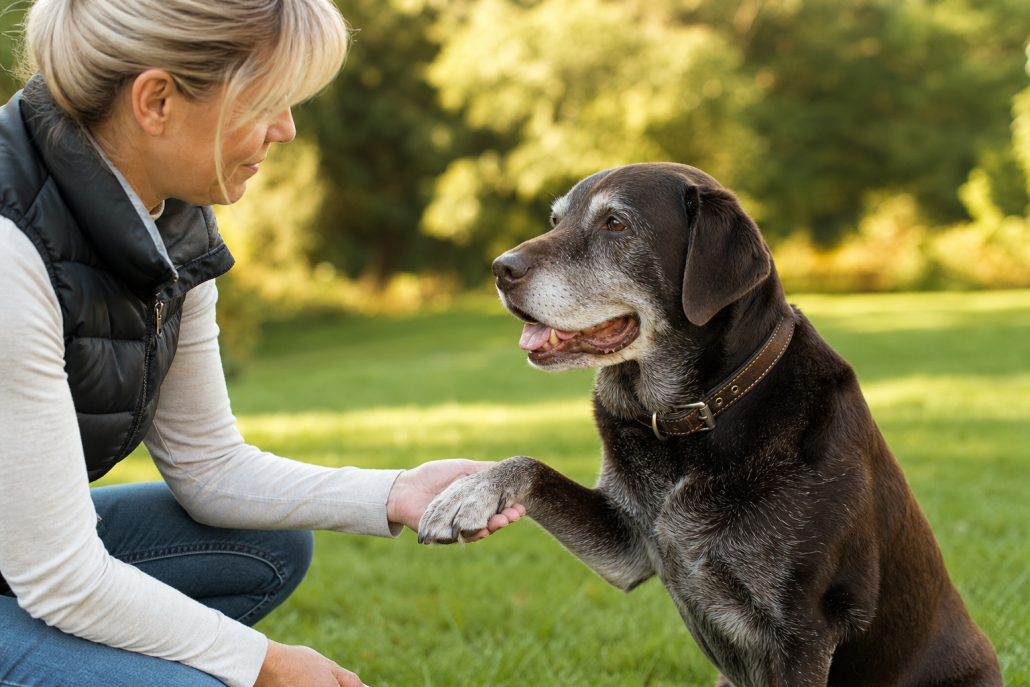
Beyond physical toys, you can incorporate scent work or “hide and seek” games. Hiding treats around the house and encouraging your dog to find them uses their natural olfactory senses and provides a rewarding mental workout. Even simple tasks like learning a new, gentle trick (like “paw” or “touch”) can be incredibly beneficial. The key is to keep it positive, praise their efforts (even if they don’t quite get it right away), and ensure the challenge is appropriate for their current cognitive abilities. We want to build success, not frustration. This sort of positive reinforcement is a cornerstone of effective basic obedience dog, no matter the dog’s age.
Gentle Exercise Routines and Mobility Support
Exercise is still incredibly important for senior dogs, but the type and intensity need to be adjusted significantly. Gone are the days of marathon runs or intense agility courses for most older pups. Instead, the focus shifts to maintaining mobility, muscle tone, and joint health without overexertion.
We’re aiming for quality of movement, not quantity. What does that look like for your golden-aged companion?
Short, frequent walks are often the best approach. Instead of one long walk, consider two or three shorter strolls throughout the day. This keeps their muscles moving, their joints lubricated, and provides mental stimulation from sniffing new scents, without causing fatigue or pain.
Pay close attention to their cues: are they lagging behind? Are they limping? Are they panting excessively?
These are all signs it’s time to head home. Swimming can also be a fantastic low-impact exercise for senior dogs, as the water supports their weight, reducing stress on their joints. Many hydrotherapy centers cater specifically to senior and rehabilitating dogs, offering supervised sessions.
Beyond structured exercise, consider mobility support. Ramps for beds or cars can help prevent painful jumps, and orthopedic beds provide crucial joint support during rest. Consistent, gentle stretching (under the guidance of a vet or canine physiotherapist) can also improve flexibility. And naturally, maintaining a healthy weight is absolutely critical. Excess weight puts significant strain on aging joints, exacerbating conditions like arthritis. Consulting with your veterinarian about appropriate nutritional needs and potential supplements (like glucosamine or fish oil) is also a proactive step in supporting their mobility. We emphasize that proper conditioning is key to preventing problems, which is why we’ve always stressed how poor obedience training, but for older dogs, poor physical care can lead to serious health issues.
Addressing New Behavioral Challenges that Arise with Age
It’s a common misconception that once a dog is “old,” their behavior is set in stone. However, senior dogs can develop new behavioral challenges, often stemming from age-related physical or cognitive changes. Understanding these underlying causes is key to addressing them effectively.
For example, an increase in barking might be due to hearing loss, making them more easily startled, or it could be a sign of canine cognitive dysfunction (CCD), which is similar to Alzheimer’s in humans. How do you tell the difference?
First and foremost, a veterinary check-up is non-negotiable. Pain, declining senses (sight, hearing), or underlying medical conditions can manifest as behavioral changes. A dog suddenly having “accidents” in the house might have a urinary tract infection or kidney issues, not simply forgotten their house training.
Similarly, increased anxiety or fear could be due to vision loss making their world seem more unpredictable. Once medical causes are ruled out or managed, we can then look at adjustments to training and environment. For dogs with declining senses, clear communication and consistent routines become even more important.
Using hand signals in conjunction with verbal commands, or even introducing tactile cues, can be very effective.
For cognitive issues like CCD, patience and adaptation are paramount. Keep routines predictable, avoid sudden changes, and continue with gentle mental stimulation. Some dogs with CCD may benefit from medication prescribed by a veterinarian to help manage symptoms like anxiety or disorientation. It’s often about managing the symptoms and providing comfort, not curing the condition. Remember, their world is shifting, and they rely on us to help them navigate it. Sometimes, these new challenges require a fresh perspective on basic dog training, adjusting techniques to accommodate their changing abilities and needs. Empathy and understanding go a long way.
Building a Supportive Training Environment for Longevity
The Role of Diet and Nutrition in Cognitive Health
When it comes to senior dog training, what goes into their bowl is just as important as the commands they learn. A balanced, age-appropriate diet is absolutely foundational for maintaining cognitive function and overall vitality in older dogs. Think about it, their bodies are working harder to process nutrients, and their brains need specific fuel to stay sharp.
Many commercial senior dog foods are formulated with antioxidants, omega-3 fatty acids (DHA and EPA), and medium-chain triglycerides (MCTs). These ingredients aren’t just buzzwords; they play a crucial role in supporting brain health, reducing inflammation, and potentially slowing down cognitive decline.
For instance, supplementing with fish oil or adding brain-boosting foods like blueberries and leafy greens can make a noticeable difference. I’ve seen first-hand how a switch to a high-quality, easily digestible diet can improve a senior dog’s energy levels and responsiveness during training sessions. It’s not about magic, it’s about providing the right building blocks.
And let’s not forget hydration; older dogs can be more prone to dehydration, which impacts everything from organ function to brain clarity. Always ensure fresh water is readily available. A healthy body and mind are intrinsically linked, especially when we’re asking them to engage in new learning or reinforce existing behaviors.
Regular Veterinary Consultations and Pain Management
You can’t expect an older dog to enthusiastically engage in basic obedience training if they’re in discomfort. Regular veterinary check-ups are non-negotiable for senior dogs. Often, age-related conditions like arthritis, dental disease, or even subtle internal issues can cause significant pain, making them reluctant to move or focus. A dog limping or experiencing hip pain isn’t going to be eager to learn “heel” or “stay” for extended periods. Your vet can identify these underlying issues and recommend appropriate pain management strategies, which might include anti-inflammatory medications, joint supplements, acupuncture, or even physical therapy.
Early detection and proactive management of pain can dramatically improve your senior dog’s quality of life and their capacity for training. We’re talking about making them comfortable enough to want to participate. Imagine trying to concentrate with a persistent headache – that’s often what our older dogs are dealing with. Discussing changes in your dog’s mobility, appetite, or behavior with your vet is vital. Sometimes, a simple adjustment to their medication or diet can unlock a whole new level of engagement in age-appropriate dog training. Don’t skip these appointments; they are a critical component of building a supportive training environment.
Creating a Predictable and Calming Home Atmosphere
Senior dogs, much like older people, thrive on routine and predictability. A chaotic or constantly changing environment can be stressful, leading to anxiety and making it harder for them to learn or retain new information. Think about their senses; they might not see or hear as well, so sudden loud noises or unexpected movements can be startling. Establishing a consistent daily schedule for feeding, walks, potty breaks, and training sessions provides a sense of security.
Consider their comfort zones within the home. Do they have a soft, easily accessible bed in a quiet spot where they can retreat? Are pathways clear to prevent trips and falls, especially if their vision is declining? Minimizing sudden changes in furniture arrangement or house guests can also reduce stress. A calm home isn’t just nice; it’s a strategic part of older dog training. When a dog feels secure and understands what to expect, they are much more open to learning. This stability fosters confidence, which is invaluable for any training endeavor, particularly as their cognitive abilities might be a bit slower.
Engaging the Whole Family in the Training Process
For senior dog training to be truly effective and long-lasting, everyone in the household needs to be on the same page. This isn’t a solo act. Imagine teaching your senior dog a new command like “go to bed” only for another family member to inadvertently reinforce a different behavior. Consistency is key, and inconsistency is confusing and counterproductive for an older dog who might already be struggling with memory or learning speed.
Each family member should understand the cues, hand signals, and rewards being used. Short, positive, and frequent training interactions from everyone contribute to faster learning and better retention. Assigning specific roles, like one person always handling specific training exercises during the morning routine, can also be helpful.
It’s about creating a unified front. Moreover, involving the whole family builds stronger bonds with the senior dog, reinforcing their sense of belonging and purpose. This collective effort not only makes the training more effective but also enriches the dog’s life by providing consistent interaction and mental stimulation from all angles.
It truly creates a holistic support system for their golden years.
Troubleshooting Common Setbacks and Celebrating Progress
Identifying and Overcoming Training Plateaus
Even with the most thoughtful dog training plans for your senior canine, you might hit a plateau. It happens. You’re working on a new cue, and suddenly, progress stalls.
This isn’t usually a sign of failure, but rather an indication that it’s time to re-evaluate your approach. Perhaps the concept is too complex, or the physical demands are becoming a bit much for your older dog. For instance, if you’re teaching a new trick that involves a lot of bending or twisting and your senior dog suddenly loses interest, it could be discomfort.
Look for subtle signs of discomfort or fatigue – maybe they’re moving slower, or their tail isn’t wagging with the same enthusiasm. It’s crucial to distinguish between a dog who’s genuinely struggling and one who’s just having an off day. Often, simplifying the behavior into smaller, more manageable steps can reignite their motivation.
Break down the command into its tiniest components and reward each successful step, no matter how small. Think about varying your rewards, too. Is that same old kibble still as exciting?
Maybe a piece of boiled chicken or a new, interesting toy could provide the extra spark needed to push through a lull.
Another common reason for plateaus in older dog training tips is a change in their environment or routine. Senior dogs, even more so than their younger counterparts, thrive on predictability. A new piece of furniture, a different walking route, or even a slight change in meal times can sometimes throw them off their game.
If you’ve recently introduced a new puppy into the home, for example, your senior dog might be a bit discombobulated, affecting their focus during training sessions. It’s important to be an astute observer of their daily life and quickly identify these external factors. Sometimes, all it takes is a temporary return to a simpler, more familiar routine to get them back on track.
And don’t forget the power of a short break. Sometimes, stepping away from a particular behavior for a few days can help both you and your dog reset, allowing you to return to it with fresh eyes and renewed enthusiasm.
When to Seek Professional Guidance from a Senior Dog Specialist
While DIY training puppies not and adult dogs is admirable, there are times when bringing in a professional, especially one specializing in senior dogs, is incredibly beneficial. If you find yourself consistently hitting those plateaus, or if your dog develops new behaviors that seem out of character and training isn’t resolving them, it might be time to call in the cavalry. A specialist can offer an objective perspective, often spotting nuances you might miss in your daily interactions. They might identify subtle signs of cognitive decline or underlying health issues that are impacting your dog’s ability to learn or perform. For instance, a sudden reluctance to use stairs might not be stubbornness, but a sign of arthritis, and a trainer can help you find alternative ways to reinforce positive behavior without causing pain.
Professional guidance isn’t just for when things go wrong, either. Sometimes, you might just want to optimize your senior dog training techniques to really get the most out of their golden years. A specialist can introduce novel exercises or mental stimulation games specifically tailored to their age and capabilities, ensuring they remain engaged and happy.
They can also help you set realistic and achievable goals, preventing both you and your dog from becoming frustrated. This is particularly useful if you’re dealing with fear-based behaviors that have developed over time, or if your dog is experiencing increased anxiety. An expert will have a deeper understanding of animal behavior and can provide strategies that go beyond simple commands, often involving environmental management and desensitization techniques.
Think of it as investing in your dog’s happiness and well-being for the rest of their journey with you.
Managing Frustration and Maintaining Patience
Let’s be honest, training any dog can be frustrating at times, and working with a senior dog brings its own unique set of challenges. Their pace might be slower, their hearing or eyesight might be diminishing, and their memory might not be as sharp as it once was. It’s incredibly easy to fall into the trap of comparing them to their younger selves or to other, more agile dogs.
But succumbing to frustration only hinders progress and, more importantly, can damage the bond you share. When you feel that familiar irritation bubbling up, take a deep breath. Seriously, step away for a moment.
This isn’t a race; it’s about enrichment and connection. Remember that your senior dog isn’t trying to be difficult, they are simply operating within their current physical and cognitive limitations. Your patience is their foundation, and without it, they’ll struggle to feel secure enough to try new things.
Maintaining patience also means adjusting your expectations. Instead of expecting immediate mastery, celebrate small advancements. Acknowledge that a ten-minute training session might be more effective than a twenty-minute one, simply because their attention span or stamina is different now.
Keep your training sessions positive, upbeat, and short. End on a high note, even if it means doing a super easy command that you know they’ll nail. This leaves them feeling successful and eager for the next session.
And remember, sometimes the best solution to feeling frustrated is simply to cuddle your dog. Reconnect, remind yourself of the deep love you share, and that often re-calibrates your perspective. They’re doing their best, and that’s all we can ask for.
Acknowledging and Rewarding Small Victories
This is arguably one of the most vital aspects of age-appropriate dog training. With senior dogs, progress isn’t always a giant leap; it’s often a series of tiny, incremental steps. If you’re only looking for big, flashy results, you’ll miss all the genuine wins along the way.
Did your dog manage to hold a “stay” for an extra second today? That’s a victory! Did they respond to a verbal cue without you needing to repeat it multiple times, even if it was a familiar one?
Celebrate it! These seemingly minor achievements are the building blocks of greater success and reinforcing them is crucial for maintaining your dog’s confidence and motivation.
Rewards don’t always have to be food, either. While high-value treats are often effective, for a senior dog, a gentle scratch behind the ears, a favorite toy, or even just genuine verbal praise delivered in an excited tone can be incredibly motivating. The key is to find what truly excites your individual dog.
When you show genuine enthusiasm for their efforts, it tells them they’re doing a good job, and that positive reinforcement encourages them to keep trying. Small victories also play a huge role in your own motivation. By actively looking for and celebrating these little successes, you’ll feel more encouraged and less frustrated, turning what could be a challenging journey into a rewarding partnership.
So, go ahead, gush over that perfect “sit,” even if it’s a command they’ve known for years. Every bit of positive feedback reinforces their positive behavior and strengthens your bond.
Optimizing senior dog training techniques isn’t just about teaching new tricks; it’s about enriching their lives, maintaining their cognitive function, and deepening the incredible bond you share. It requires patience, understanding, and a willingness to adapt, but the rewards are immeasurable. So, embrace the journey, celebrate every wagging tail and happy sigh, and continue to provide your golden-aged companion with the best life possible.