Understanding Pet-Friendly Travel Regulations for July 2026 Dog Day Care Stays
Navigating the Evolving Landscape of Pet Travel Documentation
Planning a trip with your furry companion in July 2026? It’s not just about packing their favorite toys and treats anymore. The landscape of pet travel regulations, especially concerning documentation for dog day care stays, is constantly shifting.
Staying informed is crucial to ensure a smooth, stress-free experience for both you and your dog. We’re talking about everything from country-specific entry requirements to the specific health certificates your chosen day care might demand. Neglecting these details can lead to unexpected delays, additional costs, or even denied entry, which is, frankly, a headache no pet owner wants.
Many pet owners find themselves asking, “What documents do I truly need?” And it’s a valid question, given how often rules change and vary. Whether you’re relocating, embarking on a cross-country adventure, or simply planning a vacation that includes a few days of quality dog day care while you explore, understanding these nuances upfront is paramount. Think of this as your essential guide to cutting through the confusion and ensuring your dog’s paperwork is as ready as their waggling tail for their next big adventure.
Essential Veterinary Certificates for Interstate Travel
When it comes to interstate travel within the United States, a Health Certificate for Interstate Travel, issued by a licensed and accredited veterinarian, is often a non-negotiable requirement. This certificate typically validates that your dog is healthy enough for travel and doesn’t pose a risk of transmitting diseases to other animals. Specifically, states often require this to be issued within a very tight timeframe – usually 10 days prior to travel for flights, and sometimes up to 30 days for ground travel, but it’s always best to check the destination state’s Department of Agriculture website for the most current information.
For instance, traveling from California to New York with your dog often means you’ll need this recent health check, certifying they are free from infectious diseases and parasites. Some states even have breed-specific restrictions or additional entry requirements, so doing your homework well in advance is key. This isn’t just a formality; it’s about safeguarding the health of both your pet and the wider animal population at your destination, including all the other dogs at your chosen day care facility.
What exactly does this certificate entail? Your vet will conduct a thorough examination, confirming your dog is healthy and fit to travel. They’ll look for signs of illness, parasites, and ensure all vaccinations are up to date.
The certificate will include your dog’s identification, vaccination history (especially rabies), and a statement from the veterinarian confirming their good health. Always carry both the original and several copies, as different agencies or facilities might require them. And don’t forget, verifying the specific requirements of your destination state and the specific dog day care facility you plan to use is an absolute must, as their internal policies can sometimes be even stricter than state regulations.
Understanding Rabies Vaccination Requirements and Timelines
The rabies vaccine is, without a doubt, the cornerstone of pet travel documentation, arguably the most critical component. Why? Because rabies is a deadly disease, and stringent vaccination protocols are in place globally to prevent its spread.
For dog day care facilities in July 2026, proof of current rabies vaccination is practically universal. This means your dog must have received an approved rabies vaccine, and the vaccination must be administered according to its specific timeline. For puppies, the initial vaccine is typically given around 12-16 weeks of age, followed by boosters.
Adult dogs often receive boosters every one to three years, depending on the vaccine product and state regulations.
Crucially, there’s often a waiting period after a primary rabies vaccination before a dog is considered legally protected and therefore eligible for travel or day care entry. This waiting period is commonly 21 to 30 days. So, if your dog’s rabies vaccine is due, don’t wait until the week before your trip; plan well ahead to ensure they meet the minimum waiting period requirements.
A common scenario we see is pet owners realizing too late that their dog’s rabies vaccine is either expired or too recent, leading to denied day care enrollment or even travel complications. Always keep your dog’s rabies certificate (the official one from the vet, not just a reminder card) easily accessible, as it’s the primary document requested by virtually every pet-friendly establishment and regulatory body. Ensuring your dog’s vaccination schedule is perfectly aligned with pet travel regulations will keep you out of a tight spot.
Microchipping Standards and Identification Verification
Microchipping has become an indispensable form of permanent identification for pets, and for July 2026 pet travel and day care stays, it’s often a mandatory requirement. Most international travel, and increasingly, interstate travel and many reputable dog day care facilities, require your dog to be microchipped with an ISO-compliant 15-digit microchip. This is a critical distinction, as older or non-standard microchips might not be readable by scanners in other regions, rendering your dog essentially unidentified. Imagine arriving at a day care expecting a smooth drop-off, only to find their scanner can’t read your dog’s chip – that’s a situation to proactively avoid.
Beyond the chip itself, ensuring your contact information linked to the microchip is current and accurate is just as vital. A microchip is only as effective as the information it holds. If your phone number changes, or you move, updating the microchip registry should be as high a priority as updating your own address.
Before any travel or day care visit, it’s wise to contact your microchip registry and verify all your details are up-to-date. Some facilities might perform a scan upon arrival to verify the chip’s presence and readability, linking it to your dog’s health records and ensuring proper identification throughout their stay. This standard helps ensure that if your dog were to get lost, they can be quickly traced back to you, offering both peace of mind and an essential layer of security.
Health Declarations and Breed-Specific Considerations
In addition to standard health certificates, some states, countries, or even specific dog day care facilities might require additional health declarations or have breed-specific considerations for entry. A health declaration goes a step further than a general certificate, sometimes requiring explicit statements about your dog’s recent health (e.g., “no signs of illness in the last 48 hours”) or confirmation of specific treatments, such as deworming or flea and tick prevention. These are often facility-specific, aimed at maintaining a healthy environment for all canine guests. For example, a day care might ask for proof of a recent fecal examination to rule out intestinal parasites, especially if your dog hasn’t been to day care before or is coming from an unfamiliar area.
Breed-specific regulations are less common within the U.S. for general travel, but they do exist for certain destinations or within particular day care policies for breeds perceived as having higher needs or specific risks. While some airlines might have restrictions on brachycephalic (short-nosed) breeds due to respiratory concerns during air travel, it’s rare for day cares to outright ban breeds.
However, some might require specific behavioral assessments for certain breeds, or a deeper dive into their temperament and socialization history, especially if they are known for high energy levels or protective instincts. Always inquire directly with your chosen dog day care about any such policies well before your planned visit. Being open about your dog’s breed and any unique needs or potential challenges upfront will ensure a smoother intake process and a much better experience for everyone involved.
Preparing Your Dog for Day Care: Beyond the Basics
Pre-Arrival Health Screenings and Protocols
Understanding the health requirements for your dog’s day care stay in July 2026 is absolutely paramount for a smooth experience. It’s not just about getting them through the door; it’s about ensuring their well-being and the safety of every other dog (and human) they’ll interact with. Most reputable facilities, including Hot Dog on a Leash, have stringent protocols that often go beyond basic vaccination checks.
For example, many facilities now require up-to-date documentation for core vaccinations like Distemper, Adenovirus, Parvovirus (DHPP), Rabies, and Bordetella. But what often gets overlooked are the less common, yet equally critical, preventatives. Some day cares now mandate proof of canine influenza vaccination, given the rise of different strains.
Similarly, flea, tick, and heartworm prevention are typically non-negotiable. You’ll want to confirm dosages and last application dates with your veterinarian and provide those records.
Beyond vaccinations, a full health screening from your vet within a specific timeframe (often 30 days prior to arrival) is becoming standard. This check-up ensures your dog is free from communicable diseases, parasites, or any undiagnosed conditions that could pose a risk in a group setting. Some day cares might even request a fecal test to rule out internal parasites. The goal, ultimately, is to create a healthy environment for all, and these pre-arrival screenings are a crucial first line of defense.
Temperament Assessments and Socialization Requirements
Just like people, dogs have different personalities, and putting them all together without proper assessment can lead to stress or even aggression. That’s why temperament assessments are a foundational element for quality dog day care, especially for extended stays like those planned for July 2026. These aren’t just quick sniff tests; they are carefully designed evaluations to understand your dog’s social skills and comfort levels. Think of it as an interview process for your pup.
A typical assessment involves observing your dog’s reactions to new dogs, unfamiliar people, and varying levels of stimulation. Does your dog exhibit appropriate play behavior, or do they become overly dominant or withdrawn? How do they react when toys are introduced, or when food is present?
The day care staff are looking for signs of aggression, excessive fear, or resource guarding. Some facilities might require a “trial day” where your dog spends a few hours in a supervised group setting, allowing staff to evaluate their integration over a longer period.
While some dogs are natural social butterflies, others might need a bit more help. If your dog hasn’t had much exposure to other dogs, consider enrolling them in dog training classes focused on socialization well in advance. This can make a significant difference in their ability to comfortably and safely participate in day care activities. Remember, a successful temperament assessment means your dog will genuinely enjoy their stay, rather than just tolerating it.
Food, Medication, and Special Care Instructions
When your dog is away from home, maintaining their routine – especially around food and medication – is vital for their comfort and health. Don’t assume that the day care will provide specific diets or automatically understand your dog’s quirks. Proactive and detailed communication is key here.
For food, always pack enough of your dog’s regular diet for the entire duration of their stay, plus a little extra in case of delays. Label everything clearly with your dog’s name, meal portions, and feeding times. If your dog has allergies or dietary sensitivities, provide a written list of these, along with emergency contact information for your vet. Many day cares will have specific policies regarding food storage (e.g., must be in sealed, airtight containers).
Medication administration requires even more precision. Provide all medications in their original prescription containers, clearly labeled with the dog’s name, medication name, dosage, frequency, and administration instructions. Include any special notes, such as “give with food” or “needs to be crushed.” Staff will typically require written authorization to administer medication.
Similarly, if your dog has any unique needs – perhaps they get anxious during thunderstorms, need help navigating stairs, or require extra potty breaks – make sure these “special care instructions” are clearly communicated and documented. A well-informed staff member can make all the difference in providing truly personalized care.
Emergency Contact Information and Authorization Forms
Even with the best preparations, unforeseen circumstances can arise. This is why comprehensive emergency contact information and thoroughly completed authorization forms are non-negotiable for any dog day care stay, especially during peak travel times like July 2026. This isn’t just a formality; it provides peace of mind and allows the day care to act swiftly and appropriately in your absence.
Beyond your primary contact number, ensure you provide at least one, preferably two, alternative emergency contacts who can make decisions regarding your dog’s care if you are unreachable. This might be a trusted friend, family member, or even your pet sitter. These contacts should be fully briefed on your wishes and capable of responding quickly.
Additionally, always provide your veterinarian’s name and contact information. Some day cares will also ask for an emergency vet clinic reference, especially if your primary vet is far away or unavailable.
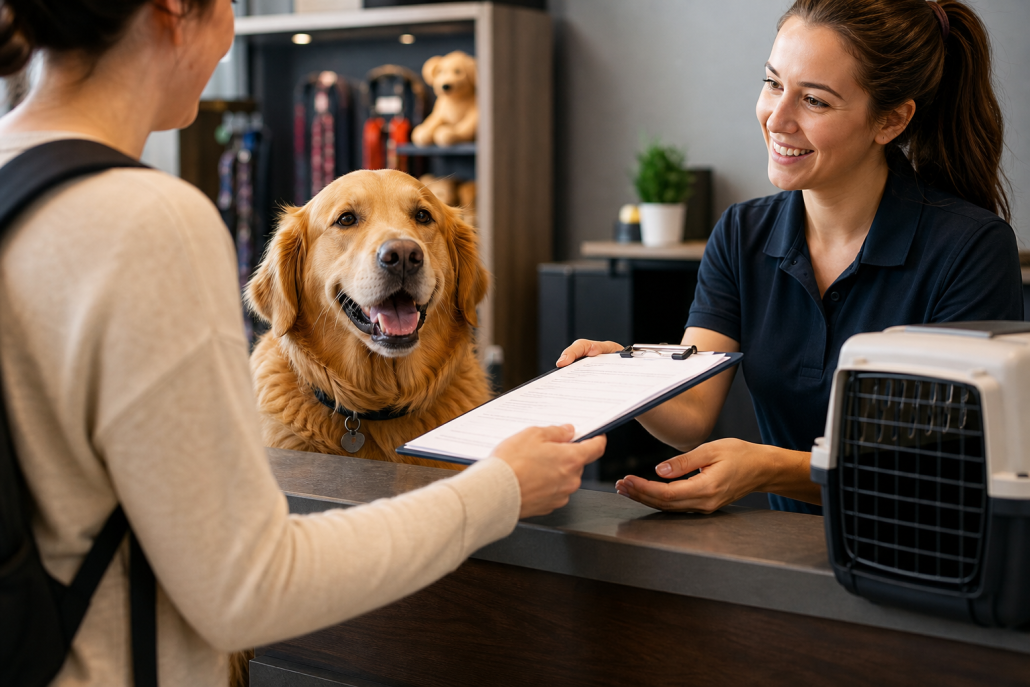
Authorization forms are equally critical. These documents typically grant the day care permission to seek veterinary care for your dog in an emergency, often specifying financial limits for such care. They might also include waivers, photo consent, and agreements for their policies and procedures.
Read these forms carefully – every word matters. If your dog has a pre-existing condition or specific medical needs, ensure the authorization forms reflect these details. Leaving these sections blank or providing incomplete information can cause delays in crucial moments, so take the time to fill them out accurately and completely before your dog’s stay.
Key Updates for Summer 2026 Pet Travel
Regional Disease Outbreak Awareness and Prevention
As summer approaches, particularly for July 2026 pet travel, being aware of regional disease outbreaks is paramount for responsible pet owners. Geographical hotspots for certain canine illnesses can shift, often influenced by climate, wildlife populations, and even human travel patterns. For instance, areas experiencing heavy rainfall might see an increase in leptospirosis cases, while warmer, more humid regions could have higher incidences of heartworm and tick-borne diseases. It’s not just about what vaccines your dog currently has (which we touched on in previous sections regarding documentation), but also about understanding the current epidemiological landscape of your destination and any transit points.
A good practice involves checking the Animal and Plant Health Inspection Service (APHIS) website for any advisories or outbreaks in the states you’ll be visiting or passing through. Many dog training and day care facilities, especially those committed to high standards like Hot Dog on a Leash, will require proof of up-to-date vaccinations against common regional threats that might not be part of a standard core vaccine protocol. Consider the specific risks: is canine influenza prevalent? Are there reported cases of parvovirus in the area? Discuss these concerns with your veterinarian well in advance of your July 2026 pet travel plans. They can advise on additional preventative measures, which might include booster shots, specific parasite preventatives, or even avoiding certain dog parks or outdoor areas known for higher exposure risks.
Proactive prevention is key here. By staying informed about potential regional threats, you not only protect your own dog but also contribute to the broader health and safety of the dog community at your destination, including the other furry guests at your chosen dog day care. This awareness becomes even more critical when you consider the potential for rapid disease transmission in group settings like day care, where dogs from various regions might converge.
Airline and Ground Transportation Pet Policies
Navigating airline and ground transportation pet policies for July 2026 pet travel requires careful research, as these regulations are dynamic and often differ significantly between carriers. What’s acceptable on one airline might be a complete no-go on another. Airlines, for example, have strict rules concerning crate dimensions, ventilation, and materials, particularly for pets traveling as checked baggage or cargo.
These rules are non-negotiable and are in place for your pet’s safety. Many airlines also enforce temperature restrictions, meaning if it’s too hot at either the origin or destination airport, your pet may be denied travel. This is especially pertinent for summer travel in July.
Beyond the physical requirements, understanding breed-specific restrictions is critical. Brachycephalic (short-nosed) breeds, such as bulldogs and pugs, often face increased travel restrictions due to their susceptibility to respiratory issues, especially in cargo holds. Some airlines refuse to transport them entirely due to the elevated risk.
For in-cabin travel, there are size and weight limits for the carrier, and usually only one pet per passenger is allowed. Always confirm whether your chosen airline counts a pet carrier as a carry-on or personal item; it impacts your packing strategy!
Ground transportation options, like long-distance buses or specific pet transport services, also have their own sets of regulations. While often more flexible than airlines, they too will have requirements for crates, feeding schedules, and health checks. If you’re renting a car, verify their pet policy first to avoid surprise cleaning fees or restrictions.
It’s always best to contact your specific airline or ground transporter directly and review their most current pet policies long before your July 2026 departure. Don’t rely solely on outdated information from third-party sites; carrier policies can (and do) change frequently without much public notice.
Seasonal Impact on Pet Health and Safety
The summer months, particularly July, introduce unique health and safety considerations for pets, directly impacting pet travel regulations and dog day care rules. Elevated temperatures mean a higher risk of heatstroke, especially for breeds prone to respiratory issues or those with thick coats. Pet travel regulations, as we touched upon concerning airlines, often reflect this with temperature embargoes.
It’s not just about the ambient air temperature, but also the temperature inside vehicles, crates, and even on the tarmac. Hydration is another major seasonal concern; ensuring your dog has constant access to fresh water is crucial, from travel days to their dog day care stay.
Increased outdoor activity in summer also means a greater exposure to parasites. Ticks, fleas, and mosquitoes (which transmit heartworm) are far more prevalent in warmer weather. Many dog day care facilities, including Hot Dog on a Leash, will have strict requirements for flea and tick prevention, often asking for proof of current medication.
This isn’t just a suggestion; it’s a critical rule to prevent infestations within their facility and protect all the dogs under their care. For July 2026 pet travel, ensuring your dog’s parasite prevention is up-to-date and effective against local threats at your destination is non-negotiable.
Furthermore, summer brings concerns about paws on hot surfaces (asphalt can reach dangerously high temperatures), exposure to unfamiliar plants that might be toxic, and increased risk of snake bites or encounters with other wildlife in certain regions. Pet travel regulations might not directly dictate how you protect your dog’s paws, but responsible pet ownership certainly should. Discussing these seasonal concerns with your veterinarian and chosen dog day care will help you prepare and ensure your dog’s utmost health and safety throughout your journey and stay.
Anticipated Changes in Canine Health Certificates
Looking ahead to July 2026 pet travel, it’s prudent to anticipate potential changes in canine health certificates. While the core requirements — a veterinarian-issued document confirming your dog’s health status and vaccination history — are unlikely to disappear, the specifics often evolve. We’ve seen shifts in acceptable forms, validity periods, and even the digital infrastructure for submitting these critical documents.
There’s a growing push for standardized, perhaps even digital, health certificates across states and potentially internationally to streamline the process and reduce fraud. This could mean a more integrated system where your vet directly uploads health certificate information to a central database accessed by airlines and dog day care facilities.
Regulators are continually reviewing policies to align with updated veterinary medical knowledge and to respond to emerging disease threats. For instance, if a new canine disease becomes a significant concern, you might see new requirements for specific tests or vaccinations listed on the health certificate. The validity period of health certificates (often 10 days for interstate travel, but potentially longer for specific purposes) could also be adjusted. Some states, or even some highly regulated facilities, might require health certificates to be issued within a very narrow window prior to arrival, adding a layer of logistical planning.
The best strategy for preparing for anticipated changes in canine health certificates for July 2026 is to stay in close communication with your accredited veterinarian. They are often the first to be informed of regulatory updates by state veterinary boards and federal agencies. When booking your dog’s day care stay, particularly with high-quality facilities, inquire about their specific health certificate requirements.
They might already have foresight into upcoming changes or preferences for certain formats. Procrastinating on getting this document is never a good idea; always aim to secure your health certificate well within the required timeframe, perhaps even with a few days to spare, should any unexpected complications arise.
Choosing the Right Day Care for Your Traveling Canine Companion
Accreditation and Licensing Standards for Facilities
When you’re planning for your dog’s stay while you embark on pet travel for July 2026, selecting the right dog day care isn’t just about convenience; it’s about ensuring their safety and well-being. A critical first step is verifying a facility’s accreditation and licensing. This isn’t just bureaucratic red tape; it provides a baseline assurance of quality and adherence to established standards.
For instance, reputable facilities will often be accredited by organizations like the Professional Animal Care Certification Council (PACCC) or the American Boarding Kennels Association (ABKA). These accreditations signify that the day care has undergone rigorous evaluations, sometimes covering everything from facility cleanliness and safety protocols to staff training and animal handling practices.
What should you look for specifically? Beyond a basic business license (which is a given), inquire about any specific state or local operating permits for kennels or animal care facilities. Different jurisdictions have varying pet travel regulations, and a well-run day care will be completely transparent about meeting these.
Ask to see their current licenses and permits. A good facility won’t hesitate to share this information. This isn’t just a “nice-to-have”; it’s a fundamental requirement, especially as dog day care rules evolve with increasing demand and scrutiny.
Think of it as a quality seal, giving you peace of mind that the environment your dog will be in meets, or even exceeds, industry best practices. It’s also wise to check local health department records, if available, for any compliance issues. A truly professional dog day care understands that transparency builds trust, particularly when you’re entrusting them with a beloved family member during your pet travel.
Staff Training in Pet First Aid and Emergency Response
Beyond the bricks and mortar, the quality of a dog day care largely rests on its staff. Specifically, their training in pet first aid and emergency response is non-negotiable, especially when considering dog day care rules for situations like summer 2026 pet travel. Accidents can happen, regardless of how well-managed a facility is.
What truly distinguishes an excellent day care is how prepared their team is to respond swiftly and effectively. Inquire about the percentage of staff certified in pet first aid and CPR. Ideally, a significant portion, if not all, of the on-site staff should hold such certifications.
This isn’t just about knowing how to apply a bandage; it includes understanding the signs of heatstroke (a common concern during summer when many people engage in pet travel), allergic reactions, choking, and even basic wound care.
Furthermore, understanding their emergency protocols is vital. What’s their plan if a dog requires immediate veterinary attention? Do they have a designated emergency vet, or do they rely on your vet?
How do they transport an injured animal? What are their communication policies with owners in an emergency? For instance, during your pet travel, immediate notification is crucial.
A facility should have clear, documented procedures for these scenarios, and staff should be regularly drilled on them. This level of preparedness indicates a proactive approach to safety, rather than a reactive one. It shows they’ve thought through potential crises and have mechanisms in place to handle them, which is incredibly reassuring when you’re far away.
It contributes significantly to the overall confidence you can have in their handling of your dog, adhering to stringent dog day care rules.
Facility Layout and Playgroup Management
The physical environment and how play is managed are central to a dog’s positive day care experience. When evaluating facilities for July 2026 pet travel, scrutinize the layout. Are there separate areas for different sizes and temperaments of dogs?
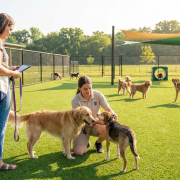
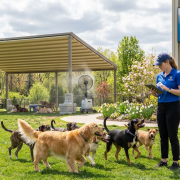
A boisterous Golden Retriever often needs a different play environment than a timid Chihuahua, and mixing them inappropriately can lead to stress or injury. Look for ample indoor and outdoor space. Outdoor areas should be securely fenced, free of hazards, and offer shade and fresh water.
Indoor spaces should be clean, climate-controlled, and offer comfortable resting areas. Adequate ventilation is also paramount for hygiene and comfort. The best facilities will have designated quiet zones for dogs who need a break from constant stimulation, which is a key component of responsible dog day care rules.
Crucially, observe or inquire about their playgroup management. How many dogs are supervised by each staff member? A low staff-to-dog ratio is indicative of better safety and control.
How do they assess new dogs to ensure they are a good fit for group play? Reputable day cares use evaluation processes to understand a dog’s temperament and social skills before integrating them into a group. Are playgroups dynamically managed, allowing for rotation, rest periods, and observation for signs of stress or aggression?
They should also clearly outline their approach to managing conflicts between dogs, focusing on redirection and positive reinforcement rather than punitive measures. Effective playgroup management is a cornerstone of preventing incidents and promoting a healthy, fun environment, aligning with the highest dog day care rules and ensuring pleasant pet travel experiences.
Communication Protocols with Owners During Stays
While you’re away enjoying your pet travel, maintaining open and consistent communication with your dog’s day care is paramount. Before committing to a facility for July 2026 pet travel, thoroughly understand their communication protocols. How often can you expect updates about your dog?
Some facilities offer daily “report cards” via email or a dedicated app, detailing your dog’s activities, eating habits, and mood. Others might provide photos or even video clips, which can be incredibly reassuring when you’re missing your furry friend. Clear and transparent communication about day-to-day happenings is not just a nicety; it’s a vital part of building trust and ensuring you remain connected to your dog’s well-being.
Beyond routine updates, inquire about their policy for communicating more urgent matters. What happens if your dog exhibits signs of illness or injury, even minor ones? What’s their threshold for contacting you versus taking immediate action (e.g., vet visit) and then informing you?
Ensure they have multiple up-to-date contact numbers for you and your emergency contacts. A reliable day care will have a clear, pre-defined process for these situations, ensuring you’re informed promptly and can make necessary decisions, even from afar. They should also be easily reachable by you if you have questions or concerns during your travels.
Effective communication alleviates anxiety for pet owners, providing peace of mind that their dog is not only safe and well-cared for but that they will be kept in the loop every step of the way, adhering to all modern dog day care rules for successful pet travel.
Ensuring a Smooth Transition and Enjoyable Stay
Packing Essentials for Your Dog’s Day Care Visit
Once you’ve navigated the pet travel regulations and chosen the right day care, ensuring your dog has everything they need for their stay is paramount for a smooth experience. Think of it like packing for a child; a well-prepared bag can prevent a lot of stress. Start with their usual food, portioned out for each day. sudden dietary changes can cause stomach upset, which is the last thing you want while you’re away. Clearly label everything, including caloric intake amounts or any specific feeding instructions. Treats are essential too, especially if they’re used for positive reinforcement or daily routines. These familiar items provide comfort and continuity in a new environment.
Beyond food, consider comfort items that smell like home. A favorite blanket, a well-loved toy, or even an old t-shirt with your scent can help mitigate anxiety. Don’t forget any necessary medications, with detailed instructions and vet contact information.
Even over-the-counter supplements should be noted. For July 2026 travel, remember that many facilities are stricter about what they allow to prevent cross-contamination or allergen exposure. Always check with the specific dog day care rules for any prohibited items.
For instance, some day cares may provide their own bedding, so bringing yours might be unnecessary, or even discouraged, if it doesn’t meet their cleanliness standards. And, of course, a robust leash and collar with identification tags are non-negotiable. What about grooming supplies?
While facilities often have general grooming tools, if your dog requires specific brushes or shampoos due to sensitivities, it’s best to pack them.
Acclimation Strategies for New Environments
Introducing your dog to a new day care environment, especially during July 2026 pet travel, requires a thoughtful approach. Just like humans, dogs thrive on routine and familiarity. A sudden change can be unsettling.
If possible, arrange a preliminary visit or a “meet and greet” for your dog at the chosen facility. This allows them to explore the surroundings, meet staff members, and potentially interact with some of the other canine guests in a low-pressure setting. This pre-exposure can significantly reduce stress on the actual drop-off day.
Communication with the day care staff is your best tool here. Share details about your dog’s personality, quirks, fears, and favorite activities. Do they prefer quiet corners or are they social butterflies?
Are they treat-motivated for redirection? Do they have any specific triggers, like loud noises or certain types of dogs? Providing this information empowers the staff to create a positive initial experience for your canine companion.
For dogs prone to separation anxiety, practice short periods of separation at home before their day care stay. Gradually increase the duration so they become accustomed to your absence. When you drop them off, keep goodbyes brief and unstressed.
Your calm demeanor will reassure your dog that everything is okay. A drawn-out, emotional farewell can heighten their anxiety, making the transition more challenging for everyone involved.
Post-Stay Health Checks and Follow-Up Care
After your dog returns from their dog day care stay, especially following travel, a comprehensive post-stay health check is crucial. Begin with a thorough examination of their physical condition. Check for any new lumps, bumps, scratches, or hot spots that might indicate an injury or skin irritation.
Inspect their paws for any tenderness or damage, particularly if they were active in a new environment. Look into their ears and eyes for any signs of infection or discharge. While reputable day care facilities maintain high standards of cleanliness and supervision, minor incidents can still occur, and early detection is always best for your dog’s health.
Monitor their behavior closely in the days immediately following their return. Are they eating and drinking normally? Is there any change in their bathroom habits?
While some dogs might be a bit tired or overly excited from their adventures, persistent lethargy, lack of appetite, or unusual behavioral changes warrant attention. It’s not uncommon for dogs to experience a “day care hangover” from all the excitement and stimulation. However, if symptoms persist, or if you notice coughing, sneezing, vomiting, or diarrhea, contact your veterinarian immediately.
Many facilities require up-to-date vaccinations, but even with these precautions, respiratory illnesses like kennel cough (Bordetella bronchiseptica) can sometimes manifest after a stay where many dogs congregate. Understanding potential risks and being vigilant with follow-up care ensures your dog quickly returns to their normal, happy self.
Understanding Liability and Insurance Considerations
When entrusting your dog to a day care facility, whether for short-term care or extended stays during July 2026 travel, understanding the associated liability and insurance considerations is critically important. Before booking, thoroughly review the facility’s terms and conditions regarding accidents, injuries, or illnesses that may occur during their stay. Responsible facilities will have clear policies outlining their responsibilities and limitations.
These often specify that while they take every precaution, they are not always liable for unforeseen circumstances, especially if a pre-existing condition contributed to an issue. What if your dog injures another dog or person? Conversely, what if your dog is injured by another dog?
Most reputable dog day care facilities carry their own liability insurance, which covers them in cases of proven negligence. However, this coverage typically doesn’t extend to every possible scenario. It’s wise to check if your personal pet insurance policy (if you have one) offers any coverage for incidents that happen while your dog is in a professional care setting.
Some policies may have clauses that apply to vet visits stemming from day care-related injuries or illnesses. Ask the day care about their emergency protocols: where do they take animals in a crisis? Do they have an on-site vet or a partnership with a specific clinic?
Moreover, understanding the limitations – for example, some facilities might not be liable for minor nicks or scrapes typical of dog play – helps manage expectations. Clarity on these points upfront can prevent significant stress and financial burden should an unfortunate incident occur.
Navigating the various aspects of pet-friendly travel regulations and ensuring a successful dog day care stay might seem daunting at first glance. However, by thoroughly preparing, understanding the specific dog day care rules for July 2026, and actively communicating with your chosen facility, you can provide your canine companion with a safe, enjoyable, and enriching experience. Your diligence now means peace of mind later for both you and your beloved pet. So, don’t hesitate to ask questions, verify details, and advocate for your dog’s specific needs; it’s the best way to ensure their comfortable care while you’re away.