The Professional’s Guide to Addressing Separation Anxiety After Summer Vacations
Understanding the Roots of Post-Vacation Canine Stress
Identifying Common Triggers for Anxiety After Owner Absence
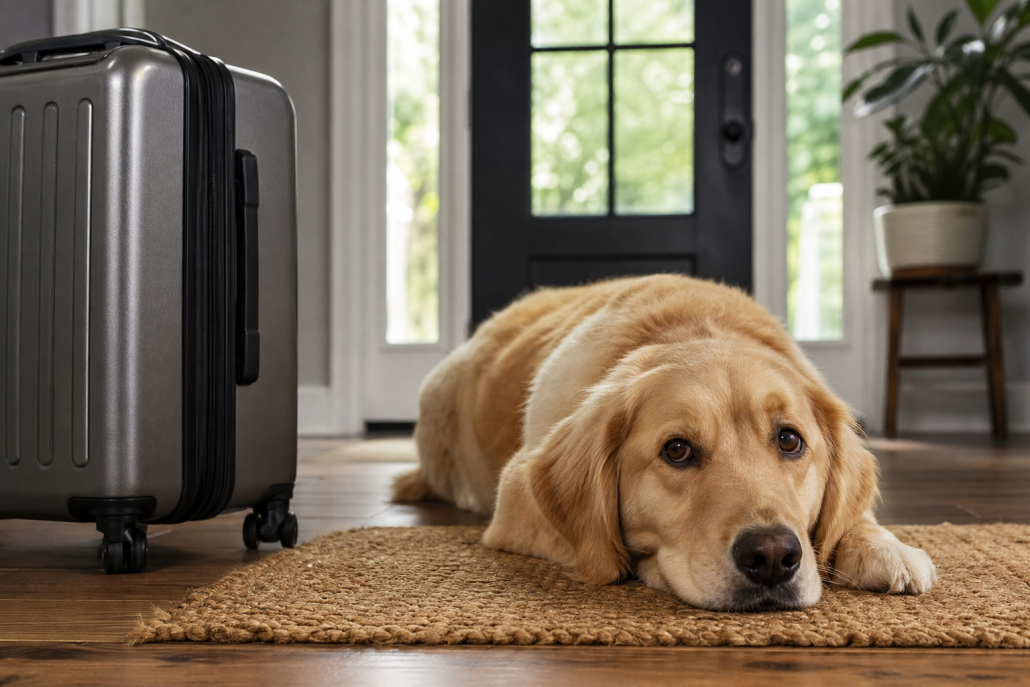
Returning home from a fantastic summer vacation certainly brings a sense of relief, but for our canine companions, it can sometimes usher in a period of intense anxiety. It’s a phenomenon we see often in dog training, especially with dogs who are already prone to nervous behaviors. The primary trigger, often glossed over, is the sudden shift from an often-stimulating and presence-filled vacation environment (even if that presence was with a pet sitter) to the abrupt return of their primary attachment figure(s) — you! This isn’t just about missing you; it’s about the disruption of their entire world.
Consider a scenario: your dog might have spent two weeks with a trusted family member, enjoying a different routine, perhaps even more constant human companionship than usual, or conversely, they might have been through a board & train program where their structure was completely new. Then, boom. You’re back, and while you might assume they’re overjoyed, the adjustment period can be jarring. This return often means a re-establishment of previous routines, which can feel like deprivation after a period of intense change. The dog has adapted to one routine (or lack thereof) and now must adapt again, creating a cascade of stress. It’s not just about the owner’s absence, but the dynamic change in their social landscape that causes the upheaval.
Differentiating Between Separation Anxiety and Related Behavioral Issues
It’s crucial to understand that not all post-vacation “misbehavior” is true separation anxiety. Sometimes, what we observe are simply attention-seeking behaviors or a manifestation of generalized stress. For example, a dog might be barking excessively or chewing inappropriately not because they are in a state of panic due to your absence, but because they are bored, under-exercised, or seeking your attention after a period where their routine was different and less predictable. True dog separation anxiety is characterized by panic responses specifically tied to the impending or actual departure of the attachment figure.
How can you tell the difference? A dog with genuine separation anxiety often exhibits a cluster of symptoms exclusively when left alone. This includes destructive chewing near exits, excessive vocalization (howling, barking, whining), inappropriate urination/defecation, pacing, or even self-harm. On the other hand, a dog that barks when you’re home but busy, or chews when bored, might have a behavioral issue that requires a different approach than direct separation anxiety intervention. Sometimes, a lack of basic obedience dog can exacerbate these issues, making it harder for the dog to cope with alone time.
The Impact of Routine Changes on Your Dog’s Well-being
Dogs are creatures of habit. Their sense of security is deeply tied to predictability. Summer vacations, by their very nature, disrupt this predictability. Maybe your dog went to a dog day care full-time while you were away, or perhaps they were left with a friend who had a completely different schedule than yours. When you return, your schedule may also have shifted, or the initial excitement of being reunited can temporarily alter the household routine. These changes, no matter how subtle to us, can be profoundly unsettling for a dog.
Even small alterations, like the time you leave for work, the duration of their morning walk, or the consistency of feeding times, can throw a sensitive dog off balance. Think about it from their perspective: their world, which was perhaps a little chaotic but predictable in its chaos while you were gone, has now completely changed again. This constant flux impacts their sense of control and safety, making them more susceptible to stress and anxiety-related behaviors. Establishing a consistent post-vacation routine swiftly is a critical step in mitigating this impact.
Recognizing Subtle vs. Overt Signs of Distress
While some signs of post-vacation canine stress are glaringly obvious, like a destroyed couch or incessant barking, many dogs express their distress in much more subtle ways. An experienced dog owner or trainer can often pick up on these nuanced cues. Recognizing canine anxiety involves observing a combination of body language and behavioral changes.
Subtle signs might include excessive panting (when not hot or exerted), repetitive licking of lips or paws, yawning despite not being tired, appeasement behaviors (like cowering or excessive submissiveness), whale eye (the whites of their eyes showing), stiffness in body posture, or a decreased appetite. Over time, these subtle signs can escalate if the underlying anxiety isn’t addressed. Overt signs, as mentioned earlier, involve destructive behaviors, house-soiling, and prolonged vocalization. It’s vital to interpret these signals not as defiance, but as your dog’s attempt to communicate their internal state. Early recognition allows for timely intervention, whether through environmental adjustments or seeking professional dog training guidance.
Proactive Strategies for a Smooth Transition Home
Gradual Reintroduction: Easing Back into the Home Environment
Returning home after a vacation can be a jarring experience for any dog, particularly one prone to dog separation anxiety. Picture it: one moment they’re with you 24/7, maybe at a new, exciting location, and the next they’re back in their familiar home, but suddenly you’re gone for hours again. This abrupt shift can trigger significant stress. That’s why a gradual reintroduction is paramount. Instead of immediately resuming your typical pre-vacation routine, consider easing your dog back into solitude. Perhaps for the first few days, you work from home or arrange for a trusted friend or pet sitter to provide extra company. Even shortening your initial absences can make a world of difference. It’s about slowly increasing the duration of alone time, giving your dog a chance to adjust and rebuild their confidence that you will, indeed, return.
Think about how you’d feel if your entire schedule flipped overnight; dogs, with their innate need for predictability, feel it even more intensely. A good strategy might involve leaving for very short periods (5-10 minutes) and returning, gradually extending these times over several days. This helps reinforce the idea that your departures are temporary and not indicative of abandonment.
Observing your dog’s reactions during these short absences is crucial. Are they calm? Are they pacing or whining?
Their behavior will tell you if you’re progressing at the right pace. If you rush this phase, you risk exacerbating any existing anxiety or inadvertently creating new patterns of distress. Remember, patience is key here; it’s about rebuilding trust and security in their new (or rather, old) normal.
Establishing a Consistent Routine Immediately
Dogs thrive on routine. Seriously, it’s one of the cornerstones of their emotional well-being, especially when dealing with post-vacation dog anxiety. A consistent schedule provides a sense of predictability and security, reducing the uncertainty that often fuels anxiety in dogs. When you return from vacation, your dog’s entire world has just been temporarily upended. The best thing you can do for them is to immediately reinstate their regular feeding times, walk schedules, play sessions, and potty breaks. This acts as an anchor, a familiar rhythm in what might otherwise feel like a chaotic transition. It’s like telling them, “Everything’s back to normal, you can relax now.”
Even small deviations can be unsettling. Aim for precision: if their morning walk was at 7 AM before vacation, make sure it’s at 7 AM the day after you return. If dinner was at 6 PM, stick to 6 PM.
This predictability reduces the cognitive load on your dog, allowing them to anticipate events rather than constantly worry about what might happen next. Consistency also extends to your interactions. Regular training sessions, even short ones, can reinforce structure and build confidence.
Consider using a consistent verbal cue before you leave, and praise them upon return, but keep arrivals and departures calm and low-key. The goal is to make your absence and return seem as unremarkable as possible within the larger framework of their predictable day.
Leveraging Exercise and Mental Stimulation for Calmness
A tired dog is often a calm dog, and this couldn’t be more true when addressing dog separation anxiety. Physical exercise is vital for expending pent-up energy that might otherwise manifest as anxious behaviors. Before you leave the house, give your dog a really good workout. We’re talking more than just a quick stroll around the block. A brisk walk, a spirited game of fetch, or even a session at a dog park can make a significant difference. The aim isn’t just physical exhaustion; it’s about burning off nervous energy so they’re more likely to settle down and rest when you’re gone.
But don’t stop at just physical activity; mental stimulation is equally, if not more, important. Think of it as brain exercise. Puzzle toys, KONGs filled with frozen treats, or snuffle mats can keep your dog engaged and challenged, redirecting their focus from your absence to a rewarding task.
This mental engagement taps into their natural instincts and can be incredibly satisfying for them. For instance, a frozen KONG can keep a dog busy for a good 20-30 minutes, sometimes longer, providing a positive association with your departure. These activities not only tire them out mentally but also create a constructive outlet for their energy and emotions, preventing them from stewing in their anxiety.
Remember, a dog that’s both physically and mentally stimulated is better equipped to cope with periods of solitude.
Creating a Safe and Comforting Space for Your Dog
Just like humans, dogs benefit immensely from having their own “safe space” – a sanctuary where they feel secure, relaxed, and undisturbed. This becomes particularly crucial when managing dog training separation challenges after a period of constant companionship. This space should ideally be a quiet corner of your home, perhaps a spare room, a specialized dog bed, or a crate. If using a crate, ensure it’s properly introduced and viewed as a positive, comfortable den, not a punishment. Many dogs actually prefer the enclosed, den-like feeling a crate provides. If you need some guidance on this, consider exploring crate training –.
To enhance the comfort level of this space, fill it with familiar and soothing items. A favorite blanket, a soft bed, and a few cherished (and safe) toys can make a big difference. You might also introduce calming scents, like dog-specific pheromone diffusers, or play soft music or white noise to mask external sounds that could trigger anxiety.
The idea is to make this area so inviting and comfortable that your dog willingly retreats there. Your dog should associate this space with positive experiences, not just being left alone. Encouraging them to relax in their safe space while you are home, perhaps with a high-value treat, can build a strong positive association.
Ultimately, this designated area gives your dog a predictable, comforting haven to retreat to when they feel anxious, offering a sense of control and security during your absences.
Implementing Effective Management Techniques
Desensitization and Counter-Conditioning Exercises
Once your dog is back home and settling in, implementing structured desensitization and counter-conditioning protocols is paramount for managing dog training separation anxiety. This isn’t about simply leaving and hoping for the best; it’s a methodical approach to changing your dog’s emotional response to your departures. Desensitization means gradually exposing your dog to the triggers that cause anxiety, starting with very low intensity and slowly increasing it.
For instance, putting on your coat might be a trigger. Start by putting on your coat, then sitting down and watching TV. You’re effectively decoupling the coat from your immediate departure.
The goal is to make these departure cues so common and meaningless that they no longer predict your absence.
Counter-conditioning, on the other hand, involves creating a positive association with previously fear-inducing stimuli. This often means providing high-value rewards exclusively during short periods of your absence. Think about giving your dog a Kong filled with frozen peanut butter or a puzzle toy as you step out for just a minute.
The key here is that these special treats only appear when you leave. You want your dog to start associating your departures with something wonderful, shifting their emotional state from panic to anticipation of a treat. Are you consistently offering these high-value rewards, and are they truly motivating for your specific dog?
Different dogs have different motivators, so figuring out what yours truly values is a big part of this.
The Role of Enrichment Toys and Activities
Enrichment is a non-negotiable component when addressing dog separation anxiety. A bored dog is often a destructive dog, especially when left alone with underlying anxiety. Providing appropriate enrichment toys and activities can serve multiple purposes: it keeps their minds engaged, reduces boredom, and can help to redirect anxious behaviors into acceptable outlets.
Think beyond the basic chew toy. Interactive food puzzles, snuffle mats, and Lickimats can occupy your dog for extended periods, requiring them to think and work for their reward. This mental stimulation is often just as tiring as physical exercise.
Consider the type of enrichment that best suits your dog’s needs. For some, a durable chew toy filled with a tasty treat is perfect. For others, a sophisticated puzzle that requires several steps to solve might be more engaging.
The goal isn’t just to give them something to do, but to provide an activity that genuinely holds their interest and helps them feel more comfortable and stimulated in your absence. Rotating these toys can also keep things fresh and prevent your dog from losing interest. And remember, these aren’t just for when you’re gone; practicing with them while you’re home can build positive associations and mastery, making them more effective when actual separation occurs.
Minimizing Departure Cues to Reduce Anticipatory Anxiety
Dogs are incredibly perceptive, and they quickly learn to associate certain actions with your impending departure. Jingling keys, grabbing your bag, putting on shoes – these can become powerful departure cues that trigger anticipatory anxiety even before you walk out the door. The strategy here is to minimize the significance of these cues. One effective method is to practice these actions without actually leaving. Pick up your keys, walk to the door, then sit back down. Put on your shoes, then go read a book. Repeat this multiple times a day, varying the order and frequency, until these actions become mundane and no longer reliably predict your departure.
This approach, often integrated into a broader dog training program or private sessions, helps break the chain of anxiety. You’re essentially teaching your dog that these actions don’t always mean you’re leaving for an extended period. Another technique involves changing your routine. If you always leave through the front door, occasionally use a different exit. If you always put your dog in their crate right before you leave, try crating them periodically when you’re staying home. The more unpredictable and less structured your departure routine becomes, the less likely your dog is to experience a buildup of anxiety beforehand.
Monitoring Progress and Adjusting Strategies as Needed
Addressing separation anxiety is rarely a linear process. It requires consistent observation, patience, and a willingness to adjust your strategies based on your dog’s individual responses. Monitoring progress means paying close attention to your dog’s behavior before, during, and after your absences.
Are they showing fewer signs of stress when you prepare to leave? Are they able to settle more quickly once you’re gone? Is the destructive chewing decreasing?
Using a camera to record your dog when you’re out can provide invaluable insights into their behavior, allowing you to objectively assess their anxiety levels and pinpoint specific triggers or behaviors.
Based on your observations, be prepared to adjust your approach. If a particular enrichment toy isn’t holding their interest, try a different one. If your short departures are still causing significant distress, you might need to shorten them even further or revisit some of the foundational desensitization exercises. It’s a dynamic process, and what works one week might need slight modification the next. Remember, consistency is key, but so is flexibility. Don’t be afraid to tweak your routine or introduce new elements. This iterative process, guided by careful monitoring, is crucial for long-term success in helping your dog overcome post-vacation dog anxiety.
When Professional Intervention is Necessary
Recognizing Signs That Warrant Expert Assistance
While many cases of post-vacation dog anxiety can be managed with proactive strategies and effective management techniques (as we discussed in earlier sections), there are instances where a professional eye becomes crucial. How do you know when you’ve moved beyond the realm of DIY solutions and into needing expert dog training? It often comes down to the severity and persistence of the behaviors. If your dog’s anxiety manifests in destructive chewing, excessive barking that disturbs neighbors, or self-harming behaviors like incessant licking or biting, these are red flags. We’re not talking about a few whines when you leave; we’re talking about sustained, intense distress. Additionally, if you’ve diligently implemented various strategies and seen little to no improvement, or if the anxiety appears to be worsening, it’s a clear signal that something more specific and specialized is required. Sometimes, pet owners might even be contributing to the problem unintentionally; for example, are you making can exacerbate separation issues rather than alleviate them. A professional can help identify these subtle dynamics.
One key indicator is when the separation anxiety starts impacting your daily life significantly, beyond the initial post-holiday adjustment period. Are you hesitant to leave the house for even short errands? Is the thought of returning to work causing you immense stress because of your dog’s reactions?
These aren’t just minor inconveniences; they’re signs of a deeper issue that needs to be addressed. The dog’s inability to settle or cope when alone, despite your best efforts, is a strong case for professional intervention. It means your dog is truly struggling, and their emotional well-being is at stake.
The Benefits of Professional Dog Training for Anxiety
When you reach the point of needing outside help, professional Dog Training targeted at dog separation anxiety can be incredibly effective. A certified professional dog trainer, especially one experienced in behavioral modification for anxiety, brings a wealth of knowledge and tailored approaches to the table. They don’t just offer generic advice; they assess your dog’s specific triggers, severity of anxiety, and your household dynamics to create a personalized training plan.
This often involves desensitization and counter-conditioning protocols, which slowly expose your dog to being alone in a positive, controlled manner, gradually increasing duration and decreasing reliance on your presence. It’s a structured approach that builds confidence in your dog.
Moreover, professional trainers can teach you, the owner, how to effectively communicate with your dog and implement strategies consistently. They can help you understand subtle body language cues you might be missing and refine your timing for rewards and corrections. For instance, sometimes simply mastering the importance can establish a secure base for your dog, helping them feel safe and in control even when you’re not within arm’s reach. They also equip you with the tools to continue progress long after the training sessions conclude, fostering a more resilient and independent dog. Professional guidance ensures that dog training separation techniques are applied correctly, avoiding common pitfalls that can unintentionally worsen anxiety.
Exploring Daycare and Boarding as Supportive Resources
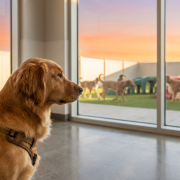
For some dogs struggling with post-vacation dog anxiety, especially those who thrive on canine companionship and activity, Dog Day Care can be an invaluable resource. Rather than leaving your anxious dog home alone to stew in their worries, a reputable dog daycare provides a stimulating and supervised environment. This means physical exercise, mental enrichment through play and interaction with other dogs and staff, and crucially, avoiding long periods of isolation.
It’s a structured routine that can help reduce boredom and over-attachment, two common contributors to separation anxiety. The goal isn’t to replace your role but to provide a healthy alternative for periods when you cannot be present.
Similarly, for planned longer absences after your vacation, professional pet boarding services can offer a safe, comfortable, and supervised stay. This isn’t just about finding someone to feed your dog; it’s about choosing a facility that understands and caters to dogs with anxiety. Look for places with experienced staff, comfortable accommodations, structured feeding and exercise schedules, and perhaps even options for individual playtime or specialized care for anxious dogs.
The key is to ensure the environment is reassuring and predictable, minimizing stress while you’re away. Think of it as a temporary change of scenery where all their needs are met, reducing the negative associations with your absence.
Consulting with Veterinary Behaviorists for Complex Cases
In the most severe and recalcitrant cases of dog separation anxiety, particularly those that don’t respond adequately to training and environmental modifications, a veterinary behaviorist might be the appropriate next step. Unlike a regular dog trainer or even a general veterinarian, a veterinary behaviorist is a veterinarian with specialized training and board certification in animal behavior. This means they can diagnose underlying medical conditions that might be contributing to the anxiety, and they are qualified to prescribe psychopharmaceutical medication when necessary. Yes, that’s right – sometimes, just like in humans, medication can be a crucial component in managing severe anxiety, allowing behavioral modifications to be more effective.
A veterinary behaviorist takes a holistic approach, considering both the behavioral and physiological aspects of your dog’s anxiety. They can conduct thorough assessments, rule out medical causes for changes in behavior, and integrate medication with a comprehensive behavioral modification plan. This is particularly important if your dog’s anxiety is accompanied by aggression, phobias, or other complex behavioral issues.
Their expertise ensures that all potential factors are considered, leading to a truly integrated and effective treatment strategy for even the most challenging post-vacation dog anxiety. It’s an investment in your dog’s long-term mental health and your peace of mind.
Building Resilience for Future Absences
Developing a Long-Term Strategy for Preventing Relapses
Once you’ve navigated the immediate post-vacation period and your dog has settled back into a routine, the work isn’t over. Really, it’s just transitioning from crisis management to preventative maintenance. Building resilience against dog separation anxiety isn’t a one-time fix; it’s an ongoing commitment to understanding your dog’s needs and proactively addressing potential triggers.
Think of it like building a strong immune system for their emotional well-being. This involves creating a consistent and predictable environment, something dogs thrive on, and continually reinforcing positive associations with independence. It’s about being vigilant without being overbearing, recognizing subtle shifts in behavior that might indicate escalating stress, and then gently course-correcting before symptoms become entrenched again.
A key component here is acknowledging that life happens, and occasional stressors are inevitable. The goal isn’t to eliminate all stress (that’s impossible, right?), but to equip your dog with the coping mechanisms to navigate those times without regression.
Consistent Training as a Cornerstone of Behavioral Health
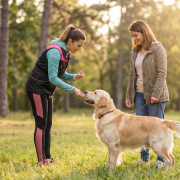
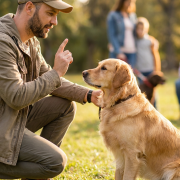
For any significant behavioral improvement, dog training is, without question, the cornerstone. When we talk about preventing relapses in dog separation anxiety, consistent training isn’t just about teaching commands; it’s about building confidence, predictability, and a clear communication channel between you and your dog. Regular training sessions, even short ones, reinforce structure and provide mental stimulation, which is crucial for reducing overall anxiety levels. This isn’t about rote memorization; it’s about engaging their minds and keeping them mentally sharp. For instance, continuing with ‘stay’ or ‘place’ commands, gradually extending the duration and distance, can significantly bolster their ability to tolerate being alone. And these don’t always have to be formal sessions. Integrating training into daily life, like asking for a ‘sit’ before meals or a ‘stay’ before you open the door, maintains that vital routine. It’s also important to ensure the training remains positive and rewarding, using high-value treats and praise to make every interaction a positive reinforcement opportunity. Are you consistently practicing these skills even when things are going well? Because consistency is what truly solidifies resilient behaviors.
The Importance of a Strong Human-Canine Bond
A secure, trusting bond between a dog and their human is foundational to preventing and managing dog separation anxiety. This bond isn’t about codependency; it’s about a deep, mutual understanding and a feeling of safety. When a dog feels secure in their relationship, they’re often more confident and less prone to panic when left alone.
This security comes from clear communication, consistent boundaries, and plenty of positive interactions – think playtime, cuddles, and shared activities. It means being the reliable leader your dog needs, providing structure and reassurance without smothering them. For example, engaging in regular play that encourages independent problem-solving (like puzzle toys) or structured walks where your dog feels secure by your side can strengthen this bond significantly.
A strong bond also means being attuned to their emotional cues, understanding when they’re truly distressed versus just being a bit dramatic. This nuanced understanding allows you to respond appropriately, building their trust in your ability to keep them safe and cared for, whether you’re present or away. Haven’t you noticed how much more relaxed your dog is when they completely trust your decisions?
Preparing Your Dog for Future Travel and Changes
Life is full of changes, and future absences, whether for another vacation, a business trip, or even just a longer-than-usual workday, are inevitable. Preparing your dog for these eventualities well in advance is a proactive measure against future post-vacation dog anxiety. This includes reintroducing gradual departures and arrivals, even when you don’t plan on leaving for an extended period.
Practicing short absences (just a few minutes) regularly, varying the length and time of day, helps normalize your leaving and returning. It’s also wise to slowly habituate them to any potential changes in routine or environment that might accompany future travel, such as introducing new sitters or brief stays at a reputable Dog Day Care facility beforehand. If your dog might experience a new travel crate or confinement, start that desensitization process early.
The goal is to build a toolkit of positive associations and coping mechanisms well before a stressful event occurs, rather than waiting until the last minute. This forethought shows true dedication to your dog’s long-term emotional health. You’re not just reacting to a problem; you’re building a foundation of resilience for whatever comes next.
Effectively addressing dog separation anxiety after summer vacations, and preventing its recurrence, truly requires a holistic approach. It’s a dynamic process of understanding, consistent application of dog training techniques, and nurturing a resilient emotional state in your canine companion. By committing to these long-term strategies, you’re not just solving an immediate problem; you’re investing in your dog’s overall well-being and strengthening the incredible bond you share. If you’re finding these strategies challenging to implement or if your dog’s anxiety deepens, remember that professional guidance is always available and incredibly valuable. Don’t hesitate to reach out to experienced dog trainers or behaviorists who can provide tailored support and help you and your dog navigate these complexities, ensuring a harmonious and happy life together.