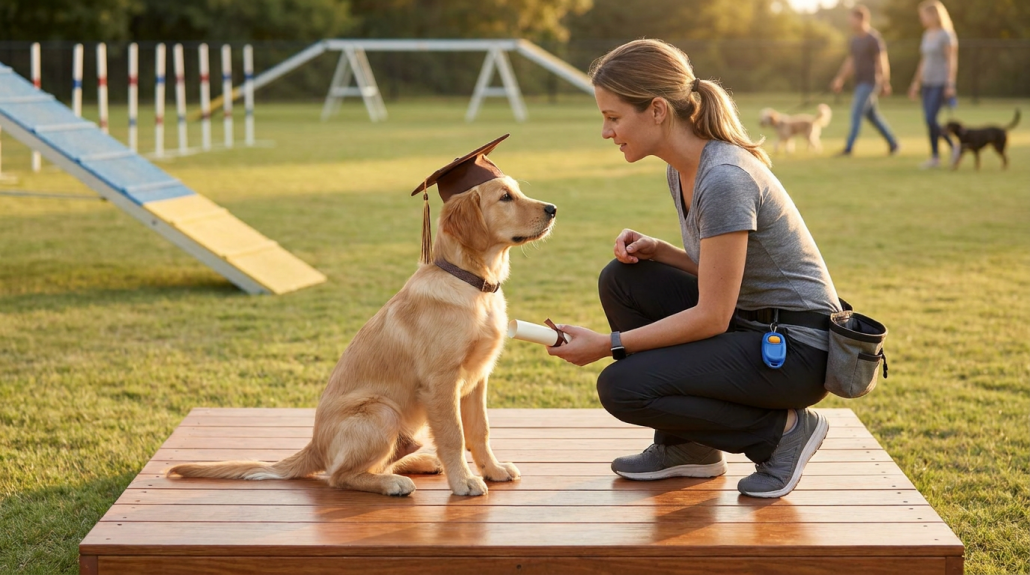
Graduation Season Moving Your Dog from Puppy Class to Advanced Training
Signs Your Puppy is Ready for Advanced Training
Watching your puppy master their first “sit” command brings an unmistakable pride, but when do those small victories signal readiness for more challenging work? The transition from basic puppy classes to advanced training represents a pivotal moment in your dog’s development, yet many owners struggle to recognize the precise indicators that their furry student is prepared for graduation.
Unlike human academic progression, canine advancement isn’t measured by calendar months or age alone. Instead, behavioral milestones and cognitive readiness serve as the true markers of preparedness. Professional trainers consistently observe that dogs who exhibit certain key behaviors demonstrate the foundation necessary for complex training scenarios.
The difference between a puppy who simply knows commands and one ready for advanced work becomes apparent through consistent performance under various conditions. These dogs show not just knowledge, but application of that knowledge in real-world situations.
Mastery of Basic Commands and House Training
True mastery extends far beyond occasional compliance with basic commands. Your puppy should demonstrate reliable response to fundamental cues including sit, stay, down, and come across different environments and distractions. This means they’ll perform these commands in the backyard, during walks, and even when visitors arrive.
House training completion serves as another crucial indicator. Accidents should be rare occurrences rather than regular events, with your dog actively signaling when they need to go outside. Professional dog training programs emphasize that consistent house training reflects impulse control development, which becomes essential for advanced techniques.
Additionally, your puppy should show understanding of boundaries within your home. They should respect off-limits areas without constant supervision and demonstrate self-control around food, toys, and furniture. These behaviors indicate the mental maturity needed for more complex training challenges.
Improved Attention Span and Focus Duration
Puppies naturally have shorter attention spans, typically managing 2-3 minutes of focused training. Dogs ready for advanced work can maintain concentration for 10-15 minute sessions without becoming overly distracted or restless. This extended focus allows for learning more intricate behaviors and command sequences.
Watch for your dog’s ability to maintain eye contact during training sessions and their willingness to work through mild distractions. Advanced training requires dogs to process multiple cues while filtering out environmental stimuli, making sustained attention a non-negotiable prerequisite.
The quality of attention matters as much as duration. Your puppy should actively engage with training rather than simply going through motions. They might tilt their head when listening, show eager anticipation for the next command, or demonstrate problem-solving behaviors when faced with new challenges.
Consistent Response to Recall Commands
Recall reliability stands as perhaps the most critical indicator of advanced training readiness. Your dog should respond immediately to their name and come command, even when engaged in exciting activities like playing with other dogs or investigating interesting scents.
Test this skill in progressively challenging environments. Start in your quiet backyard, then move to busier areas with more distractions. Dogs ready for advanced training will prioritize your commands over environmental temptations roughly 90% of the time or more.
Emergency recall becomes particularly important for safety-focused advanced training. Your dog should abandon any activity immediately when hearing their recall cue, demonstrating both trust in your leadership and impulse control that enables more sophisticated training approaches.
Appropriate Social Behavior with Other Dogs
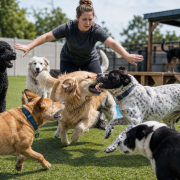
Social competence reveals emotional maturity essential for group training environments common in advanced programs. Your dog should greet other dogs calmly without excessive excitement, fear, or aggression. They need to work alongside other dogs without becoming overly distracted or disruptive.
Reading canine body language becomes increasingly important as training complexity increases. Dogs ready for advancement typically show appropriate play signals, respect other dogs’ space, and disengage from interactions when signaled to do so.
Consider how your dog behaves during current training classes or social situations. Those displaying consistent calm confidence around other dogs, while maintaining focus on their handler, demonstrate the social skills necessary for agility training and other advanced disciplines that often involve multiple dog-handler teams working simultaneously.
These behavioral indicators work together to paint a complete picture of readiness. Rather than rushing the timeline, allowing your dog to fully develop these foundational skills creates the strongest platform for future training success.
Understanding the Transition Timeline
Age and Development Milestones to Consider
Most puppies complete their foundation classes between 4-6 months old, but age alone doesn’t determine readiness for advanced training. Physical development plays a crucial role in this transition timeline. Your puppy’s bones and joints continue developing until 12-18 months (depending on breed size), which affects their ability to handle more demanding physical exercises.
Cognitive development follows a similar pattern. Puppies typically develop better impulse control and longer attention spans around 6-8 months. Before this milestone, their ability to focus during extended training sessions remains limited. Watch for signs like maintaining eye contact for 10-15 seconds consistently or successfully waiting for permission before eating meals.
Socialization windows also factor into timing decisions. The critical socialization period closes around 16 weeks, but continued exposure to new experiences remains beneficial through their first year. Advanced classes often introduce more challenging environments and distractions, making emotional maturity essential for success.
Completing Foundation Skills Assessment
Foundation skills serve as building blocks for all future training endeavors. Your puppy should demonstrate reliable performance of basic commands in low-distraction environments before progressing. This includes consistent responses to sit, stay, come, down, and leave-it commands with 80% accuracy or higher.
Leash walking skills require particular attention during assessment. Can your dog walk beside you without constant pulling? Do they respond to direction changes and pace adjustments? These fundamental skills become critical when essential commands get integrated into more complex training scenarios.
Impulse control represents another key assessment area. Your puppy should demonstrate the ability to wait patiently for food, toys, or attention when asked. They should also show progress in managing excitement levels during greetings with people and other dogs. Without these self-regulation skills, advanced training becomes significantly more challenging.
House training consistency also indicates developmental readiness. Puppies should have minimal accidents and understand appropriate elimination locations before moving forward. This basic life skill reflects their overall maturity level and ability to follow established routines.
Bridging the Gap Between Programs
The transition period between puppy class and advanced training often creates confusion for both dogs and owners. Many training facilities recommend a 1-2 week break to allow puppies to process their foundation learning before introducing new concepts. This pause helps prevent overwhelming their developing minds.
Practice sessions at home during this transition period prove invaluable. Spend 5-10 minutes daily reinforcing foundation commands in different locations around your house and yard. This helps generalize their learning beyond the classroom environment and builds confidence for new challenges ahead.
Consider scheduling a private consultation with your trainer during this gap period. They can assess your puppy’s specific strengths and areas needing improvement before group classes begin. This individualized attention often prevents common issues that might arise when avoiding top training mistakes during the transition.
Environmental preparation also matters during this bridge period. Gradually expose your puppy to slightly more challenging situations than they encountered in beginner classes. This might include busier parks, different surfaces, or novel sounds that they’ll encounter in advanced training.
Setting Realistic Expectations for Progress
Advanced training introduces more complex behaviors and higher performance standards, but progress rates vary significantly between individual dogs. Some puppies adapt quickly to increased expectations, while others need several weeks to adjust to the new training intensity and duration.
Expect initial regression in some previously mastered skills as your puppy adjusts to new environments and challenges. This temporary setback occurs because their cognitive resources focus on learning new concepts, sometimes at the expense of maintaining older skills. Consistent practice helps restore and strengthen these foundation behaviors.
Physical stamina also requires gradual building during this transition. Advanced classes typically run longer than puppy sessions and include more physical activity. Your dog might show fatigue more quickly initially, which can affect their ability to focus and learn effectively.
Remember that dog training success depends heavily on consistency between class sessions and home practice. Advanced training requires more frequent reinforcement and practice to maintain newly learned skills. Plan for 15-20 minutes of daily training time to support your puppy’s continued development and ensure steady progress through their advanced program.
Choosing the Right Advanced Training Program
Evaluating Different Training Methodologies
The training methodology you choose will fundamentally shape your dog’s learning experience and long-term behavior patterns. Positive reinforcement methods dominate modern advanced training programs, but the specific application varies significantly between trainers and facilities.
Force-free training approaches focus entirely on rewarding desired behaviors rather than correcting unwanted ones. These methods work particularly well for dogs transitioning from puppy classes because they build confidence and maintain the enthusiasm established during early training. Dogs learn faster when they’re motivated by rewards rather than driven by fear of correction.
Balanced training programs incorporate both positive reinforcement and appropriate corrections when necessary. This approach can be effective for dogs who need clearer boundaries, but requires skilled trainers who understand timing and intensity. Many professional dog training programs use this methodology for dogs preparing for specific roles or competitions.
Traditional dominance-based methods are becoming less common in reputable facilities. Research consistently shows these approaches can increase anxiety and aggression, making them unsuitable for most dogs transitioning from positive puppy training environments.
Class Size and Individual Attention Factors
Class size directly impacts your dog’s learning outcomes and the trainer’s ability to address individual challenges. Small group classes (3-6 dogs) provide the ideal balance between socialization opportunities and personalized instruction.
Large classes with 10 or more dogs often struggle to accommodate different learning paces and behavioral issues. Your dog might get lost in the crowd, receiving minimal individual feedback during critical learning phases. However, some dogs thrive in larger social environments, particularly those preparing for therapy work or public access training.
Semi-private lessons (2-3 dogs) work exceptionally well for dogs with specific behavioral concerns or those learning specialized skills. The trainer can focus on individual progress while maintaining some peer interaction for motivation and distraction training.
Private sessions offer maximum customization but miss valuable socialization opportunities. Consider this option if your dog has significant behavioral challenges that might disrupt group learning or if you’re pursuing highly specialized training goals.
Many successful programs combine group classes with periodic private sessions. This hybrid approach ensures your dog receives both social learning experiences and targeted skill development based on their unique needs and progress rate.
Specialized Skills vs. General Obedience Focus
Advanced training programs typically fall into two categories: comprehensive obedience enhancement or specialized skill development. Your choice should align with your long-term goals and your dog’s natural abilities.
General advanced obedience programs build upon foundation training principles, refining basic commands and introducing complex behaviors like extended stays, recall under distraction, and loose-leash walking in challenging environments. These programs benefit most dogs transitioning from puppy classes.
Specialized programs focus on specific skills like agility, scent work, therapy dog preparation, or competitive obedience. These intensive courses require dogs to have solid basic obedience before enrollment. They’re ideal for dogs who excelled in puppy training and show particular aptitude or interest in specific activities.
Some programs offer modular approaches, allowing you to combine general obedience work with specialized skill introductions. This flexibility lets you explore your dog’s interests while maintaining well-rounded training development.
Consider your lifestyle and expectations when choosing between approaches. Dogs heading toward therapy work need different skill sets than those preparing for agility competitions or family pet roles.
Trainer Credentials and Experience Requirements
Trainer qualifications vary dramatically across the industry, making credential evaluation essential for advanced training success. Look for trainers with professional certifications from recognized organizations like CCPDT, KPA, or IAABC.
Experience with your dog’s breed or size category matters significantly. Trainers who understand breed-specific characteristics and challenges can adapt their methods accordingly. A trainer experienced with herding breeds will approach advanced training differently than one specializing in toy breeds.
Continuing education demonstrates a trainer’s commitment to staying current with evolving methods and research. Ask about recent workshops, seminars, or certifications the trainer has completed. The best professionals regularly update their knowledge base.
Practical experience trumps certifications alone. Inquire about the trainer’s background with dogs transitioning from puppy classes to advanced work. Some trainers excel at basic obedience but struggle with complex behavioral modification or specialized skill development.
Request references from previous clients whose dogs had similar training goals. Successful trainers willingly provide contact information for satisfied customers who can speak to their methods and results with dogs at your training level.
Preparing Your Dog for Advanced Challenges
Reinforcing Foundation Commands at Home
The transition period between puppy class and advanced training requires consistent reinforcement of basic commands in your home environment. Your dog has learned these skills in a structured classroom setting, but now they need to demonstrate the same reliability in their familiar territory where distractions are different.
Focus on practicing sit, stay, come, down, and heel in various rooms of your house. Start with the quietest space and gradually introduce more challenging environments like the kitchen during meal preparation or the living room when the television is on. This approach builds the foundation your dog needs for more complex training scenarios.
Practice sessions should be brief but frequent throughout the day. Rather than one long training session, aim for five-minute intervals scattered across your routine. When your dog consistently demonstrates mastery of foundation commands at home, you’re creating the building blocks necessary for advanced skill development.
Building Confidence Through Positive Experiences
Confidence becomes crucial as dogs face more challenging training scenarios. A dog that hesitates or shows anxiety will struggle with advanced commands that require quick thinking and decisive action. Building this confidence starts with creating positive associations with new experiences.
Introduce novel objects, sounds, and surfaces gradually. Place a cardboard box in the living room one day, then add different textures for your dog to walk across. Each positive interaction with something new strengthens their willingness to tackle unfamiliar challenges in advanced training classes.
Celebrate small victories enthusiastically. When your dog approaches a new object or successfully performs a command in a challenging environment, mark that success with treats, praise, and play. This positive reinforcement creates a mindset where your dog actively seeks out new experiences rather than avoiding them.
Socialization continues to play a vital role during this transition phase. Arrange controlled meetings with well-behaved dogs and friendly people. These interactions help your dog maintain social confidence while building the focus needed for advanced dog training techniques that require attention despite distractions.
Managing Energy Levels and Exercise Needs
Advanced training demands better impulse control and sustained attention, which becomes difficult when dogs haven’t burned off excess energy. Young dogs transitioning from puppy class often experience energy spikes as they grow, making physical exercise a critical component of training preparation.
Morning exercise sessions set the foundation for productive training later in the day. A tired dog is more likely to focus during training sessions and less likely to become distracted by environmental stimuli. However, timing matters significantly (you don’t want an exhausted dog either).
Mental stimulation proves equally important as physical exercise. Puzzle toys, scent work, and problem-solving games help tire your dog’s brain while reinforcing their ability to work through challenges independently. This mental fatigue complements physical exercise to create the ideal state for learning.
Consider your dog’s individual energy patterns when scheduling training sessions. Some dogs perform best after moderate exercise, while others need a longer cooldown period. Professional trainers offering in home dog can help you identify your dog’s optimal training windows based on their energy cycles.
Addressing Any Behavioral Concerns Early
Behavioral issues that seemed manageable during puppy class can become significant obstacles in advanced training if left unaddressed. The increased complexity of advanced commands requires dogs to have solid emotional regulation and impulse control.
Common concerns include excessive excitement, difficulty settling, resource guarding, or reactivity to specific triggers. These behaviors won’t simply disappear with more advanced training; they require targeted intervention before progressing to complex skill work.
Jumping, mouthing, and overexcitement during training sessions need immediate attention. These behaviors can become dangerous when dogs are learning advanced techniques that require precise timing and control. Issues with training puppies not should be completely resolved before advancing to more challenging work.
Fear-based responses or anxiety around specific situations also require careful management. A dog that shows stress signals during basic commands will struggle significantly with the pressure and complexity of advanced training scenarios. Address these concerns with patience and professional guidance when needed.
Document your observations about your dog’s behavior patterns, triggers, and responses. This information becomes invaluable for advanced trainers who need to understand your dog’s learning style and potential challenges before developing a customized training plan.
What to Expect in Advanced Training Classes
Complex Command Sequences and Chaining
Advanced training introduces your dog to command sequences that build upon their basic foundation. Rather than simple sit-stay-come patterns, your dog will learn to perform multiple behaviors in succession without constant prompting. These sequences might include retrieving a specific item, bringing it to a designated location, and then returning to heel position.
Professional trainers focus on building what’s called “behavioral chains” where each completed action becomes the cue for the next behavior. Your dog learns that completing “down” automatically leads to “wait,” followed by “come when called.” This type of training develops cognitive flexibility and helps your dog think through problems rather than simply responding to individual commands.
Expect sessions to become more mentally demanding as your dog processes longer sequences. Training sessions often incorporate real-world scenarios where these chained behaviors prove useful, making the skills immediately applicable to daily life situations.
Distraction Training and Impulse Control
Advanced classes dramatically increase environmental complexity compared to puppy training graduation scenarios. Your dog will encounter controlled distractions designed to test their focus and self-control abilities. These might include other dogs playing nearby, food scattered on the ground, or people moving unpredictably around the training space.
Impulse control becomes the cornerstone of advanced work. Your dog learns to maintain commands despite tempting distractions, developing what trainers call “proofing” their behaviors. This means a reliable sit-stay even when their favorite toy rolls past, or maintaining heel position while other dogs are playing.
The progressive nature of distraction training helps dogs generalize their learning across different environments. What starts as simple impulse control in a quiet room evolves into reliable behavior in busy parks, crowded sidewalks, and other challenging real-world settings where dog training skills become essential for safety and social success.
Advanced Socialization Scenarios
Moving beyond basic puppy socialization, advanced training introduces complex social situations that adult dogs encounter regularly. Your dog will practice appropriate behavior around children, elderly individuals, people using mobility aids, and other dogs with varying energy levels and play styles.
These scenarios often simulate real-world environments where your dog needs to remain calm and focused. Training might include practicing polite greetings with strangers, ignoring food being eaten by others, or maintaining composure during loud or unexpected sounds. The goal becomes developing a socially confident dog who can adapt to different situations.
Many advanced programs incorporate group activities similar to those found in doggy day camp settings, where dogs learn to coexist peacefully with multiple other dogs while following commands and maintaining good manners throughout extended social interactions.
Problem-Solving and Mental Stimulation Exercises
Advanced training emphasizes cognitive development through puzzle-solving activities that challenge your dog’s thinking abilities. These exercises go far beyond basic obedience, requiring your dog to analyze situations and make decisions independently while still following your guidance.
Mental stimulation exercises might include navigating obstacle courses with multiple route options, learning to differentiate between similar-looking objects, or mastering tasks that require sequential problem-solving steps. Dogs often learn to open containers, manipulate objects with their paws, or complete tasks that require patience and persistence.
Specialized activities like scent training become integral parts of advanced programs, engaging your dog’s natural abilities while teaching them to work methodically through complex challenges. These activities provide mental exercise that’s often more tiring than physical activity, helping create a well-balanced and mentally satisfied dog.
Problem-solving sessions also teach dogs to work through frustration appropriately. When faced with difficult tasks, dogs learn to persist rather than give up, developing resilience and confidence that transfers to other areas of their training and daily life experiences.
Supporting Your Dog’s Continued Success
Maintaining Training Consistency at Home
The transition from structured puppy classes to home-based training represents a critical juncture in your dog’s development. Without the regular rhythm of weekly sessions, many pet parents struggle to maintain the momentum built during formal instruction. Your success hinges on establishing clear routines that mirror the consistency your dog experienced in class.
Create designated training times throughout your day, rather than hoping for random opportunities to practice. Morning sessions work particularly well because dogs are typically alert and eager to engage. Even five-minute focused sessions before breakfast can reinforce commands more effectively than sporadic longer sessions when energy levels vary.
Environmental consistency matters just as much as timing. Designate specific areas in your home for training activities, using the same verbal cues and hand signals your dog learned during puppy class. This familiar framework helps your dog understand when it’s time to focus and respond to commands, making the transition from classroom to living room seamless.
Incorporating Skills into Daily Routines
The most successful training programs integrate learned behaviors into everyday activities rather than treating them as separate events. Your dog’s basic obedience training becomes more valuable when applied to real-world situations throughout your daily schedule.
Mealtime presents perfect opportunities for practicing “sit” and “stay” commands. Before placing the food bowl down, ask for these behaviors and wait for compliance. This reinforces impulse control while making training feel natural and purposeful. Similarly, doorway thresholds become practice zones for “wait” commands, preventing your dog from rushing outside while reinforcing patience.
Walk preparation offers multiple training touchpoints. Practice “sit” before attaching the leash, “wait” at doorways, and “heel” during the first few steps outside. These micro-training moments accumulate into significant behavioral improvements without requiring dedicated training blocks in your schedule.
Ongoing Practice and Skill Refinement
Skills learned in puppy class require continuous refinement to prevent deterioration and build complexity. Your dog’s muscle memory for basic commands stays strong through regular practice, but advancing beyond foundation levels demands intentional progression planning.
Introduce variations to familiar commands once your dog demonstrates consistent responses. Practice “sit” from different positions (while you’re sitting, standing across the room, or with your back turned). Add duration challenges by gradually extending “stay” commands from thirty seconds to several minutes. These progressions keep your dog mentally engaged while strengthening their understanding of commands.
Environmental challenges test your dog’s reliability in real-world scenarios. Practice commands in different locations around your neighborhood, during visits to pet-friendly stores, or in your backyard during distracting activities. This exposure builds the confidence and focus needed for advanced training scenarios.
Planning for Lifelong Learning Opportunities
Your dog’s graduation from puppy class marks the beginning of their educational journey, not the end. Planning future learning experiences ensures continued mental stimulation and behavioral development throughout their adult years.
Advanced classes offer structured environments for learning complex skills like agility, scent work, or therapy dog preparation. These specialized programs build on foundation training while introducing new challenges that keep your dog engaged and motivated. Many facilities offer continuing education packages that provide ongoing dog training support as your dog matures.
Consider your dog’s individual interests and natural abilities when selecting future training paths. Some dogs excel at puzzle-solving activities, while others prefer physical challenges or social interaction focus. Matching training opportunities to your dog’s personality creates more enjoyable experiences for both of you.
Regular assessment sessions with professional trainers help identify areas for improvement and celebrate progress milestones. These check-ins provide objective feedback on your training consistency while offering guidance for addressing any behavioral concerns that emerge during the transition period.
Your commitment to continued learning and practice determines your dog’s long-term success. The foundation built during puppy class provides the framework, but your daily reinforcement and ongoing education opportunities shape the confident, well-behaved companion your dog becomes. Embrace this graduation as the start of a lifelong partnership in learning, growth, and mutual respect that will strengthen your bond for years to come.