Spring Break Preparation Intensive Training Protocols for Vacation-Ready Pets
Establishing Pre-Vacation Behavioral Baselines
Picture this: you’re packing your bags for that long-awaited spring break getaway, but there’s one family member whose needs require special attention. Your four-legged companion might be thrilled about the adventure ahead, or they could be showing signs of anxiety about the upcoming changes to their routine. Either way, success starts with understanding exactly where your pet stands behaviorally before you even think about hitting the road.
The difference between a vacation disaster and a smooth spring break experience often comes down to preparation. Professional trainers know that rushing into travel without proper behavioral assessment is like building a house without a foundation. You might get lucky, but why leave it to chance when systematic preparation can virtually guarantee success?
Conducting Comprehensive Behavior Assessments
Before diving into intensive training protocols, you need a clear picture of your pet’s current behavioral state. This assessment goes beyond the basic “sits when asked” evaluation. Start by observing your dog during different times of day, noting energy levels, attention spans, and response consistency to familiar commands.
Document how your pet reacts to routine disruptions. Does changing their feeding schedule by thirty minutes cause anxiety? What happens when strangers enter your home? These observations become crucial data points for vacation planning. Professional dog training emphasizes that behavioral patterns under normal conditions predict vacation performance more accurately than isolated training sessions.
Create a behavioral checklist covering basic obedience, social interactions, and stress responses. Rate each behavior on a scale of one to five, with five being consistently reliable under various conditions. This numerical system helps identify specific areas needing intensive work before departure. Don’t skip the details that seem minor (like reaction to new food bowls) because these often become major issues in unfamiliar environments.
Identifying Stress Triggers and Environmental Sensitivities
Spring break destinations present unique challenges that home environments rarely replicate. Beach sounds, hotel room layouts, and different sleep surfaces can trigger unexpected reactions in even well-behaved pets. The key is identifying these potential stressors before they become problems.
Test your dog’s response to various environmental changes at home. Play recordings of ocean waves, traffic sounds, and crowd noise while observing their behavior. Rearrange furniture to simulate hotel room layouts, and introduce new textures under their sleeping area. Many owners discover that their “perfectly trained” dog struggles with seemingly simple environmental changes.
Pay special attention to social sensitivities. Spring break often involves increased human interaction, from hotel staff to fellow travelers. If your dog shows resource guarding behaviors around their food or toys, these tendencies will likely intensify in unfamiliar settings. Understanding the benefits includes recognizing how environmental stressors can override established behavioral patterns.
Documenting Current Training Milestones and Gaps
Honest evaluation of your pet’s current training level prevents vacation disappointment. List every command your dog knows reliably, then test each one under mild stress conditions. Can they maintain a “stay” command when excited children are nearby? Do they respond to recall commands when distracted by interesting smells?
Focus particularly on 5 essential commands that become critical during travel: sit, stay, come, down, and leave it. These commands often mean the difference between manageable situations and vacation disasters. If your dog’s “come” command works in your backyard but fails at the dog park, you’ve identified a crucial training gap.
Document specific scenarios where training breaks down. Does your dog ignore commands when overstimulated? Are there particular distractions that completely override their training? This documentation guides your intensive preparation schedule and helps set realistic expectations for vacation performance.
Creating Individual Pet Profiles for Caregiver Handoff
Whether you’re boarding your pet or bringing them along, detailed profiles ensure consistent care and training reinforcement. Include feeding schedules, exercise requirements, favorite toys, and specific command words your dog recognizes. Don’t assume caregivers will figure out that your dog responds to “down” but not “lie down.”
Document your pet’s stress signals and comfort strategies. Does your dog pace when anxious? Do they settle better with a specific blanket? These details help caregivers maintain your training progress rather than inadvertently undermining it. Include emergency contact information and your veterinarian’s details.
Create a behavioral expectation sheet outlining what your dog should and shouldn’t do. This prevents the common scenario where well-meaning caregivers accidentally reward behaviors you’ve been working to eliminate. Avoiding are you making requires clear communication about your training methods and expectations, even when you’re not present to supervise.
Essential Command Reinforcement for Extended Separations
Mastering Recall Commands Under Distraction
The chaos of vacation environments demands rock-solid recall training that goes beyond basic backyard practice. Your pet’s ability to return on command becomes critical when faced with bustling beaches, crowded rental properties, or unfamiliar hiking trails where distractions multiply exponentially.
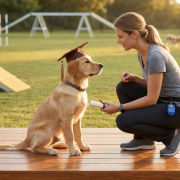
Start by creating controlled distraction scenarios at least three weeks before departure. Place tempting items like favorite toys or treats around your training space while practicing recall commands. Gradually increase the difficulty by adding noise makers, other people, or even borrowed pets to simulate vacation chaos. Professional trainers recommend practicing in 15-minute sessions twice daily, as consistency builds the muscle memory needed for reliable responses.
The key lies in making yourself more interesting than the environment. Use high-value rewards that only appear during recall training – think freeze-dried liver treats or special play sessions. When your dog successfully returns despite distractions, the reward must feel like winning the lottery. This creates positive associations that override curiosity about new sights and smells during your trip.
Strengthening Stay and Wait Protocols
Extended separations test your pet’s impulse control in ways that daily routines never do. The difference between a 15-minute errand and a full day at the beach requires enhanced stay commands that maintain structure even when you’re not physically present.
Build duration gradually by practicing stay commands with increasing time intervals. Begin with 30-second stays, then progress to 5 minutes, 15 minutes, and eventually full hours. The progression should feel natural rather than overwhelming. Dogs often struggle with the transition from supervised to unsupervised stays, so practice leaving the room while maintaining the command.
Door protocols become especially important during vacation scenarios. Teaching your pet to wait before entering or exiting doorways prevents escape attempts when luggage is being moved or guests are arriving. This foundation training creates natural pause moments that give you control in hectic situations. Practice with actual suitcases and travel gear to simulate real vacation conditions.
Wait commands at feeding stations also prove invaluable when vacation schedules disrupt normal routines. Your pet should remain calm and patient even when meal times shift or different people handle feeding responsibilities.
Emergency Response Training for Pet Sitters
Clear communication protocols with pet sitters can prevent minor issues from becoming vacation-ruining emergencies. Your dog’s training should include responses to commands that any caregiver can easily execute, regardless of their experience level with your specific pet.
Document your pet’s command vocabulary with video demonstrations showing proper hand signals and verbal cues. Include backup commands for essential behaviors – if “down” doesn’t work, your sitter should know that “settle” achieves the same result. This redundancy prevents confusion during stressful moments.
Practice having unfamiliar people give commands while you’re present but not actively participating. Many dogs respond differently to strangers, and identifying these gaps beforehand allows for targeted training. The goal is creating reliable responses regardless of who’s holding the leash.
Emergency scenarios require specific protocols that go beyond basic obedience. Train “drop it” and “leave it” commands until they’re absolutely bulletproof, as curious pets often investigate dangerous items in new environments. When comparing pet sitter versus options, remember that in-home care requires stronger emergency command responses since professional supervision isn’t constant.
Building Confidence Through Structured Independence Exercises
Vacation anxiety often stems from sudden changes to established routines rather than actual separation time. Building your pet’s confidence through progressive independence exercises creates emotional resilience that translates to calmer vacation behavior.
Start with brief solo activities in designated spaces while you remain home but unavailable. Use puzzle toys, frozen Kong treats, or snuffle mats to create positive associations with alone time. The key is making independence feel rewarding rather than punishing.
Rotate sleeping locations occasionally to reduce attachment to specific spaces. If your dog typically sleeps in your bedroom, practice comfortable nights in the living room or guest areas. This flexibility prevents distress when vacation accommodations differ from home arrangements.
Confidence-building through dog training exercises should include exposure to various household members giving commands and providing care. This preparation proves especially valuable when considering bringing home or managing multi-pet households during travel preparations.
Success in vacation preparation comes from consistent practice rather than intensive cramming. These protocols create reliable responses that serve your pet well beyond spring break adventures.
Socialization Intensives for Multi-Pet Households and Boarding
Managing Pack Dynamics During Owner Absence
Multi-pet households face unique challenges when owners leave for vacation. Established pack hierarchies often shift dramatically without human supervision, leading to resource guarding, territorial disputes, and stress-related behavioral issues. Professional boarding facilities report that dogs from multi-pet homes typically experience adjustment periods lasting 24-48 hours before settling into new social structures.
Resource management becomes critical during separation periods. Dogs accustomed to sharing food bowls, toys, or sleeping areas with household companions might become possessive in boarding environments. Training protocols should include practicing individual feeding sessions and establishing separate comfort zones for each pet. These sessions help dogs understand that resources remain available even when separated from their familiar pack members.
Implementing structured dog training sessions two weeks before departure allows pets to practice independence within their existing household structure. Begin by separating pets into different rooms during meal times and play sessions. This preparation significantly reduces anxiety when pets encounter similar separations during boarding or pet-sitting arrangements.
Preparing for New Environment Introductions
Environmental changes trigger stress responses in even well-socialized pets. Dogs rely heavily on familiar scents, sounds, and visual markers to maintain emotional stability. Boarding facilities and pet sitters’ homes present entirely different sensory experiences that can overwhelm unprepared animals.
Gradual exposure training proves essential for vacation readiness. Start by taking pets to various locations for short visits—parking lots, pet stores, or friends’ homes. These controlled exposures help dogs develop confidence in unfamiliar settings. Focus on maintaining calm energy during these outings, as pets mirror their owners’ emotional states during new experiences.
Professional trainers recommend creating portable comfort kits containing familiar blankets, toys, and clothing items carrying home scents. These items provide emotional anchors when pets encounter new environments. Additionally, practicing basic commands in various locations helps maintain behavioral consistency regardless of environmental changes. The techniques outlined in professional training programs emphasize building confidence through positive associations with new experiences.
Reducing Separation Anxiety Through Gradual Exposure
Separation anxiety affects approximately 40% of dogs, with symptoms intensifying during extended owner absences. Spring break preparations must address this issue systematically rather than hoping pets will naturally adapt to longer separations.
Begin with micro-separations lasting just 5-10 minutes, gradually extending duration over several weeks. Practice leaving through different exits and returning at unpredictable intervals to prevent anxiety-triggering departure routines. Many pet owners unknowingly create dramatic goodbye rituals that heighten separation stress—maintaining calm, matter-of-fact departures reduces emotional intensity.
Counter-conditioning techniques prove highly effective for anxious pets. Provide special toys or treats exclusively during separation periods, creating positive associations with alone time. Kong toys stuffed with frozen treats can occupy anxious minds for 30-45 minutes, providing mental stimulation during critical adjustment periods.
Professional guidance becomes invaluable for severe cases. Specialized training services can address individual anxiety triggers and develop customized protocols for each pet’s specific needs.
Teaching Appropriate Play Boundaries with Unfamiliar Dogs
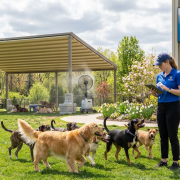
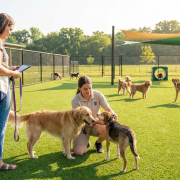
Boarding facilities and dog parks expose pets to various play styles and energy levels. Dogs lacking proper social boundaries often struggle with appropriate play behavior, leading to conflicts or overstimulation during vacation care.
Teaching “enough” commands helps dogs disengage from intense play sessions before situations escalate. Practice this command during home play sessions, rewarding dogs for voluntarily stepping away from exciting activities. This skill proves crucial when boarding staff need to redirect overstimulated dogs.
Body language awareness requires ongoing reinforcement. Dogs displaying stiff posture, raised hackles, or prolonged staring need immediate redirection before conflicts develop. Training sessions should include recognizing these warning signs and teaching appropriate responses—typically moving away from the trigger and seeking human guidance.
Supervised group interactions provide valuable practice opportunities. Local training classes or controlled playdates allow pets to practice social skills under professional supervision. Consider enrolling in programs like the structured socialization courses that focus on developing appropriate play behaviors with unfamiliar dogs.
Regular practice sessions should simulate boarding conditions as closely as possible. Multiple dogs, varied energy levels, and structured activities mirror typical boarding environments. These preparations ensure pets can enjoy social interactions rather than feeling overwhelmed by unfamiliar social dynamics during their vacation stay.
Physical Conditioning and Exercise Protocol Adjustments
Calibrating Energy Output for Different Care Scenarios
Your pet’s energy expenditure varies dramatically depending on their vacation care arrangement. Dogs staying at boarding facilities typically engage in more structured group activities, while those with pet sitters might experience quieter, home-based routines. Understanding these differences helps you prepare your dog for optimal behavior regardless of the scenario.
For dogs heading to doggie daycare or boarding environments, increase current exercise intensity by 25% during the two weeks before departure. This conditioning prevents exhaustion during high-stimulation group play sessions. Incorporate obstacle courses and interval training to build both physical stamina and mental resilience.
Pet sitter scenarios require different preparation strategies. Since dogs typically receive less intensive exercise, focus on self-entertainment conditioning. Practice extended periods of calm behavior interspersed with short, high-energy bursts that mirror the likely routine your sitter will maintain.
Building Stamina for Extended Play Sessions
Spring break often means longer days filled with activities that push your pet beyond their normal routine. Building cardiovascular endurance becomes essential for preventing behavioral regression when dogs become overtired.
Start with baseline fitness assessments three weeks before vacation. Time how long your dog maintains active play before showing fatigue signs like excessive panting or seeking shade. Gradually extend these sessions by 15-minute increments every few days, monitoring recovery rates between activities.
Swimming provides excellent low-impact conditioning for dogs with access to pools or beaches during vacation. If your destination includes water activities, introduce swimming exercises early. Even five minutes of pool time builds core strength and breathing capacity that translates to better overall stamina.
Mental stamina proves equally important. Puzzle toys and training challenges during extended exercise sessions teach dogs to maintain focus when physically tired. This conditioning prevents the scattered, overstimulated behavior that emerges when excited dogs encounter new environments without proper preparation.
Injury Prevention Through Proper Warm-Up Routines
Vacation injuries often result from dogs jumping into intense activities without adequate preparation. Establishing consistent warm-up protocols prevents muscle strains and joint stress that can derail spring break plans.
Begin each exercise session with five minutes of leash walking at gradually increasing pace. This activates circulation and prepares joints for more demanding activities. Follow with gentle stretching exercises, particularly for older dogs or breeds prone to hip and elbow issues.
Dynamic warm-ups work better than static stretching for active dogs. Incorporate sit-to-stand repetitions, gentle play bows, and controlled jumping exercises. These movements mirror the natural actions dogs perform during play while systematically preparing muscle groups.
Cool-down routines prove equally critical. After intense exercise, guide dogs through ten minutes of slow walking followed by calm settling exercises. This prevents muscle tightness and teaches dogs to transition from high-energy activities to rest periods more effectively.
Coordinating Exercise Schedules with Pet Care Providers
Communication with pet care providers ensures exercise protocols continue seamlessly during your absence. Most behavioral problems during vacation stem from inconsistent routines rather than inadequate care.
Document your dog’s current exercise schedule in detail, including specific activities, duration, and timing. Note energy levels throughout the day and which activities provide optimal mental stimulation. Professional facilities offering board and train services often customize programs based on this detailed information.
Schedule pre-vacation consultations with care providers to demonstrate exercise techniques and discuss your dog’s specific needs. Many dogs respond better to familiar commands and routines, even when handled by new caregivers. Practice sessions help providers understand your dog’s communication style and energy patterns.
Create backup exercise options for weather disruptions or facility limitations. Indoor alternatives like stair climbing, hallway fetch, or mental enrichment games ensure consistent energy expenditure regardless of circumstances. Provide care providers with detailed instructions for each alternative, including safety considerations and duration guidelines.
Professional dog training facilities often maintain detailed activity logs during extended stays. Request daily updates on exercise completion and behavioral observations to ensure protocols remain effective throughout your vacation.
Creating Seamless Handover Documentation
Developing Detailed Care Instruction Packets
Comprehensive care instruction packets form the foundation of successful pet handovers during spring break preparation. These documents should contain detailed information about your dog’s specific needs, preferences, and established routines. Rather than creating generic care sheets, focus on developing personalized protocols that reflect months of dog training progress and behavioral modifications.
Your instruction packet should include feeding schedules with exact portion sizes, preferred treat types, and any dietary restrictions. Document sleeping arrangements, favorite toys, and comfort items that help maintain emotional stability. Include photographs of proper leash attachment, collar positioning, and any specialized equipment your pet uses during training sessions.
Professional caregivers often appreciate specific behavioral cues and response techniques. Document how your pet responds to different commands, their energy levels throughout the day, and any triggers that might cause anxiety. This level of detail ensures continuity in training protocols and prevents regression during your absence.
Emergency Contact Hierarchies and Veterinary Information
Establishing clear emergency contact hierarchies prevents confusion during critical situations. Create a ranked list of contacts starting with your primary phone number, followed by alternative family members, and trusted neighbors who know your pet. Each contact should include multiple phone numbers, email addresses, and their relationship to your household.
Veterinary information requires particular attention to detail. Provide complete contact information for your regular veterinarian, including after-hours emergency numbers and clinic addresses. Include your pet’s medical history, vaccination records, and any ongoing health concerns that might affect their care during extended stays.
Consider adding a secondary veterinary option in case your primary clinic becomes unavailable. Emergency animal hospitals should also be listed with driving directions and estimated travel times. This comprehensive approach ensures your pet receives immediate medical attention regardless of circumstances.
Medication Administration Protocols and Scheduling
Medication administration requires precise documentation to prevent dangerous errors. Create detailed schedules that specify exact dosages, timing requirements, and administration techniques for each medication. Include photographs of pills, liquid medications, and any specialized tools needed for proper delivery.
Document potential side effects and signs that require immediate veterinary attention. Some medications interact with stress or changes in routine, making monitoring especially important during vacation periods. Provide clear instructions for what to do if doses are missed or if your pet refuses medication.
For pets requiring multiple medications, create visual charts showing daily schedules with checkboxes for completed doses. This system helps prevent double-dosing while ensuring nothing gets forgotten. Include contact information for your veterinarian’s pharmacy in case emergency refills become necessary.
Daily Routine Charts and Behavioral Cue References
Daily routine charts provide caregivers with hour-by-hour guidance that maintains consistency in your pet’s schedule. These charts should reflect the structured approach developed during intensive training protocols, including specific wake-up times, meal schedules, exercise periods, and bedtime routines.
Behavioral cue references help caregivers recognize subtle communication signals your pet has learned through training. Document specific body language, vocalizations, and behaviors that indicate needs like bathroom breaks, anxiety, excitement, or illness. This knowledge proves invaluable for caregivers unfamiliar with your pet’s unique communication style.
Include information about environmental preferences such as preferred walking routes, favorite play areas, and spaces where your pet feels most comfortable. Understanding these preferences helps maintain emotional stability throughout your absence while supporting continued behavioral development.
Progress Tracking Systems for Extended Stays
Implementing progress tracking systems ensures training momentum continues during your vacation. Create simple logging sheets where caregivers can record successful command responses, behavioral observations, and any challenges encountered. These records become valuable for assessing your pet’s development upon your return.
For pets enrolled in specialized programs like boot camp or basic obedience dog, provide specific metrics to monitor. Include command success rates, response times, and behavioral consistency measurements that align with your training goals.
Daily photo or video requests help you stay connected with your pet’s progress remotely. Ask caregivers to document training sessions, play time, and general behavior patterns. This documentation supports seamless reintegration when you return while providing peace of mind throughout your vacation.
Consider providing backup training resources such as instructional videos or contact information for your professional trainer. This additional support ensures complex training protocols remain consistent even when questions arise during your absence.
Post-Vacation Reintegration Planning
Managing Reunion Excitement and Overstimulation
The moment you walk through the door after vacation, your pet’s excitement levels will likely skyrocket. This intense emotional response can undo weeks of preparation training if not handled properly. Dogs especially tend to exhibit jumping, excessive barking, and hyperactive behaviors that contrast sharply with the calm, controlled demeanor you worked so hard to establish.
Create a structured reunion protocol that acknowledges your pet’s emotions while maintaining boundaries. Upon arrival, ignore attention-seeking behaviors for the first ten minutes, allowing your pet to settle naturally. Once they demonstrate calm behavior, provide measured affection and praise. This approach reinforces the training principles you established before departure.
Environmental management becomes crucial during this transition period. Your pet may have developed heightened sensitivity to sounds, movements, or changes in routine during your absence. Gradually reintroduce normal household activities rather than immediately resuming full activity levels. Consider using calming aids like pheromone diffusers or familiar comfort items to ease the adjustment process.
Maintaining Training Consistency After Time Away
Post-vacation training consistency determines whether your intensive preparation efforts translate into lasting behavioral improvements. Many pet owners make the mistake of relaxing training standards immediately after returning, essentially communicating that the rules have changed. This inconsistency confuses pets and can lead to regression in previously mastered commands.
Resume your dog training schedule within 24 hours of returning home, starting with basic commands your pet mastered during pre-vacation preparation. Practice these skills in short, frequent sessions rather than lengthy training blocks that might overwhelm a pet still adjusting to your return. Focus on positive reinforcement techniques that rebuild confidence and strengthen your bond.
Document any changes in your pet’s response to familiar commands or cues. Some pets may show temporary confusion or hesitation with previously reliable behaviors. This normal adjustment period typically resolves within a few days of consistent practice, but tracking these changes helps you identify areas requiring additional attention.
Evaluating Behavioral Changes and New Habits
Vacation periods often reveal behavioral patterns that weren’t apparent during your daily routine. Your pet may have developed new habits, both positive and negative, while adapting to temporary caregivers or boarding environments. Systematic evaluation of these changes helps you address issues before they become entrenched behaviors.
Observe your pet’s interactions with family members, responses to environmental triggers, and adherence to house rules during the first week after your return. Note any regression in house training, changes in eating patterns, or altered sleep schedules. These observations provide valuable data for adjusting your ongoing training approach.
Some behavioral changes may actually represent positive adaptations. Pets sometimes develop increased independence, improved social skills, or better coping mechanisms during owner absences. Recognize and reinforce these beneficial changes while addressing problematic behaviors through targeted training interventions.
Scheduling Follow-Up Sessions to Reinforce Progress
Professional follow-up sessions ensure that vacation preparation training translates into long-term behavioral improvements. Schedule your first post-vacation consultation within two weeks of returning home, when adjustment patterns have stabilized but before new habits become firmly established.
These sessions should focus on reinforcing successful strategies from your pre-vacation training while addressing any emerging challenges. Professional trainers can identify subtle behavioral changes that owners might miss and provide specific techniques for maintaining progress. Many pets benefit from refresher training that builds on their vacation preparation foundation.
Consider establishing a regular training schedule that incorporates lessons learned during the vacation preparation process. Monthly or bi-monthly sessions help maintain consistency and provide opportunities to introduce new challenges that keep your pet mentally stimulated and behaviorally sharp.
The investment you made in intensive vacation preparation training pays dividends long after your trip concludes. By maintaining consistency, evaluating changes thoughtfully, and seeking professional guidance when needed, you transform a temporary training intensive into lasting behavioral improvements. Your pet’s successful adaptation to vacation schedules demonstrates their capacity for learning and growth, setting the foundation for future travel adventures and daily life enrichment. Contact our team to schedule your post-vacation evaluation session and continue building on the progress you’ve achieved together.