The Role of Positive Reinforcement in Preventing Behavioral Problems During Seasonal Transitions
Understanding Behavioral Shifts During Seasonal Transitions
How seasonal changes affect canine stress and anxiety levels
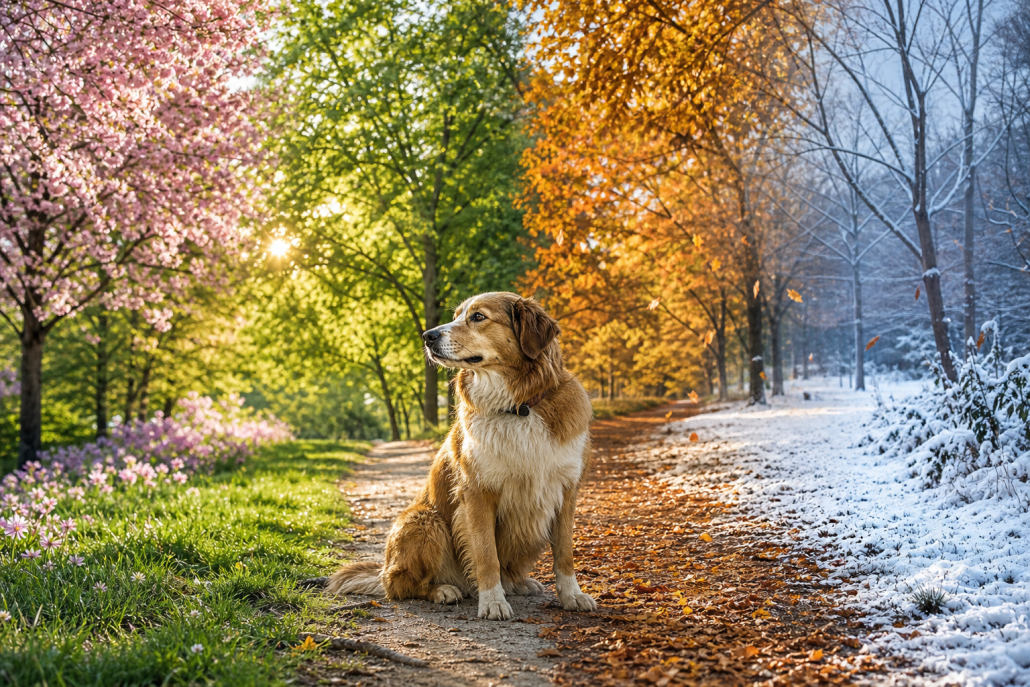
Your dog’s behavior doesn’t exist in a vacuum. Every shift in daylight, temperature, humidity, and routine sends ripples through their nervous system, triggering physiological and emotional responses you might not immediately recognize. Spring arrival, summer heat waves, autumn transitions, and winter cold snaps all represent major environmental disruptions that many dog owners overlook when explaining sudden behavioral shifts.
The science is straightforward: dogs are creatures of habit, and seasonal changes disrupt the stability they rely on. Longer days in spring mean different walking schedules. Summer vacations alter family routines entirely.
Fall signals the return to stricter schedules. Winter creates confinement and reduced outdoor time. These aren’t minor inconveniences for dogs—they’re sources of genuine stress that manifest as anxiety, restlessness, and learned behaviors you didn’t train for.
Temperature fluctuations also matter more than most owners realize. Hot summers trigger panting, lethargy, and reduced tolerance for structured activities. Cold winters promote hyperactivity indoors and resistance to going outside. And the transition itself—those weeks when seasonal change is in flux—creates an unsettling unpredictability that anxious dogs find particularly challenging.
Common behavioral problems that emerge during spring, summer, fall, and winter shifts
Each season brings its own behavioral signature. Spring often triggers excessive barking, jumping, and hyperactivity as dogs respond to longer daylight and new environmental stimuli. They’re overstimulated by changing landscapes, new scents, and increased outdoor activity around the neighborhood.
Summer represents the biggest disruption for many households. School breaks mean children are home more often, family vacation schedules create unpredictable absences, and heat stress makes dogs irritable and reactive. Separation anxiety peaks when owners suddenly leave for extended trips.
Destructive behavior, resource guarding, and fence aggression all intensify during these months. Dogs that seemed well-adjusted can suddenly spiral into problem behaviors when their summer routine doesn’t match spring expectations.
Fall brings the return to structure, but that transition itself causes problems. Separation anxiety emerges when kids return to school and owners return to offices. Dogs that enjoyed summer freedom now face reduced attention and activity, triggering frustration-based behaviors like excessive chewing, digging, and inappropriate elimination indoors. Some dogs respond with anxiety-related aggression toward household members.
Winter confinement creates its own challenges. Reduced outdoor time, cold-weather resistance, and limited exercise opportunities produce boredom-related behaviors: constant pacing, obsessive licking, aggressive play, and reactivity during the limited exercise windows owners do provide. Seasonal affective patterns in humans mirror behavioral patterns in dogs—less light exposure genuinely impacts their mood and behavior.
The connection between environmental changes and unpredictable dog behavior
Unpredictability is the enemy of behavioral stability. When dogs experience inconsistent schedules, changing environments, and shifting owner attention, they lose the clear behavioral framework they’ve learned to navigate confidently. This uncertainty triggers stress responses that look like problem behaviors.
Consider what happens during end of school. Your dog has lived with a predictable rhythm: owner leaves at 8 a.m., returns at 5 p.m., same walking times, same training sessions. Then suddenly everyone’s home at random hours, schedules disappear, and the dog’s stress responses activate because they can’t predict what comes next. That unpredictability creates anxiety that manifests as behavior problems you’ll spend the whole summer managing.
Environmental changes also disrupt learning. If you’ve invested in dog training and established solid obedience, seasonal transitions can temporarily erase that progress. Your dog isn’t forgetting commands—they’re operating from a stressed, reactive baseline where learned behavior takes a back seat to anxiety management. A dog that reliably sits on command in autumn might ignore you completely in July when summer chaos has reset their emotional state.
What makes this particularly challenging is that the behaviors dogs develop during seasonal stress often become habitual. A dog that learned to bark excessively during a stressful summer transition might continue that behavior even after routines normalize in fall. They’ve practiced the behavior under stress, and practice creates habit.
Understanding this connection—between environmental instability and behavioral problems—is essential for prevention. It means recognizing that seasonal transitions aren’t just about temperature and daylight. They’re about the cascade of schedule changes, routine disruptions, and unpredictability that trigger stress responses in your dog’s nervous system.
The Science Behind Positive Reinforcement in Training
Why reward-based methods are more effective than punishment-based approaches
Here’s the thing about punishment: it tells a dog what NOT to do, but it doesn’t actually teach what they SHOULD do instead. When a dog gets corrected harshly during a stressful seasonal transition (like the anxiety that hits when summer ends and routines shift), they’re already in a heightened emotional state. Adding fear or discomfort on top of that? That’s a recipe for escalating the very behaviors you’re trying to prevent.
Reward-based methods work fundamentally differently. They create a clear pathway: “When I do this behavior, good things happen.” This clarity matters especially during transitions when dogs are already confused by environmental changes. A dog experiencing the stress of returning to structured daycare after summer freedom responds far better to a treat and praise for calm settling than to a correction for whining.
Research in canine behavior consistently shows that dogs trained with positive reinforcement display fewer stress-related behaviors and adapt faster to new situations. They’re not worried about avoiding punishment; they’re actively engaged in earning rewards. This mental shift is massive during seasonal changes when behavioral problems are most likely to emerge.
Punishment also damages trust, which is exactly what you don’t want when your dog is already unsettled by seasonal shifts. A dog that trusts their handler will work through anxiety more effectively than one that’s cautious about what might happen next.
How positive reinforcement strengthens the human-dog bond during uncertain periods
Behavioral problems often worsen during transitions because dogs feel less connected to their routine and their handler. Positive reinforcement actively reverses this by creating shared moments of success and connection.
Think about what happens when you reward your dog: you’re celebrating together. Your dog learns that YOU are the source of good things, especially during confusing times like when schedules change or weather shifts dramatically. This bond becomes a stabilizing force when everything else feels uncertain.
When a dog is struggling with seasonal anxiety (say, the pressure of returning from summer break to structured group environments), consistent positive reinforcement during training sessions rebuilds confidence. The dog learns to trust their handler as a guide through uncertainty. This emotional safety valve prevents minor stress responses from spiraling into serious behavioral issues.
During uncertain periods, dogs need to feel secure in their relationships. Using understanding canine body alongside positive reinforcement helps handlers recognize when their dog needs extra connection and reassurance. The reward (praise, treats, play) becomes a language of reassurance during transitions.
Neurochemical responses in dogs when praise and rewards are consistently applied
Your dog’s brain is releasing specific chemicals when they receive rewards, and understanding this biology explains why positive reinforcement is so powerful during stressful seasonal transitions.
When a dog gets praised or receives a treat for desired behavior, dopamine floods their system. Dopamine is the neurochemical associated with learning, motivation, and pleasure. This is critical: during seasonal changes, your dog’s stress hormones (like cortisol) are already elevated. Dopamine from positive reinforcement actively counterbalances this stress response, creating a neurochemical state where learning happens more effectively.
Consistency matters tremendously here. Each time you reward the same behavior during a transition period, you’re strengthening neural pathways. Your dog’s brain literally becomes better wired to perform that behavior automatically, which reduces anxiety-driven problem behaviors. This is especially important when working through seasonal challenges that require the science behind.
Beyond dopamine, praise and petting trigger oxytocin release in both your dog and you. Oxytocin is bonding chemistry. It’s what strengthens your emotional connection and simultaneously calms your dog’s nervous system. During seasonal transitions, when dogs are vulnerable to developing behavioral problems, this neurochemical combination (dopamine for learning, oxytocin for bonding) is remarkably therapeutic.
Dogs receiving consistent positive reinforcement during transitions also show lower baseline cortisol levels over time. Their nervous systems literally become less reactive to change. This prevents the stress-to-behavior-problem cascade that happens when seasonal shifts catch dogs off guard.
The practical takeaway: reward-based training isn’t just a gentler approach during seasonal transitions. It’s a neurochemically sound strategy that rewires your dog’s stress response while strengthening your relationship.
Practical Positive Reinforcement Strategies for Seasonal Challenges
Building a reward system that motivates dogs during weather-related routine changes
Seasonal shifts throw curveballs at your dog’s world. One month they’re bounding out the door for extended outdoor play, the next they’re facing shorter daylight hours and unpredictable weather. A solid reward system keeps motivation intact through these transitions.
Start by identifying what genuinely excites your dog. High-value treats work brilliantly during seasonal changes because they grab attention when environmental distractions are at their peak. If your dog loses focus during fall’s crunchy leaves or spring’s sensory overload, stronger reinforcement becomes your secret weapon.
That premium training treat you save for tough days? Deploy it strategically when weather conditions shift.
Beyond food rewards, incorporate activity-based reinforcement. When summer heat forces shorter walks, reward your dog with indoor games, puzzle toys, or brief play sessions that match the new seasonal reality. Dogs don’t view rewards one-dimensionally, and dog training professionals know this well. Your reward system should evolve alongside the seasons themselves.
Vary your reward timing, too. Some behaviors warrant immediate gratification (your dog stayed calm during an unexpected thunderstorm), while others benefit from delayed rewards (completing a shortened winter walk without pulling). This variation keeps your dog engaged and responsive across different seasonal scenarios.
Timing and consistency: delivering reinforcement when dogs transition between indoor and outdoor activities
Timing is everything when positive reinforcement meets seasonal transitions. Winter might mean spending 45 minutes outdoors versus summer’s two-hour adventures. Your dog needs crystal-clear communication about what you’re rewarding, and that message lands best when delivered within milliseconds of the desired behavior.
Picture this: your dog struggles with the shift from daycare structure back to solo home time when summer ends. Using in-home dog training strategies, you can reinforce calm behavior during these transitions by marking and rewarding the exact moment your dog settles. This precision matters because dogs live in the present moment. A treat delivered three seconds too late doesn’t connect to the behavior you wanted.
Consistency becomes your foundation. If you reward calm indoor behavior when temperatures drop but inconsistently reinforce it in spring, your dog picks up mixed messages. Seasonal transitions are disorienting enough without contradictory training signals.
Establish a reinforcement schedule that holds steady regardless of the season. Your dog should understand that transitioning smoothly between indoor and outdoor activities consistently earns rewards.
Track which times of day present the biggest challenges. Many dogs experience difficulty during twilight hours when daylight savings shifts their internal clock. If your dog typically gets anxious as evening darkens earlier in fall, position your reinforcement strategy around that specific time window. Reward calm behavior before anxiety spikes, and you’ve prevented the problem entirely.
Tailoring treats and praise to maintain engagement as daylight hours shift
Your dog’s food motivation fluctuates with temperature changes and activity levels. Summer’s heat typically reduces appetite, while cooler months often increase it. Smart trainers adjust their treat choices seasonally to maintain consistent engagement.
Freezing high-value treats into ice toys works brilliantly during hot months when your dog loses enthusiasm for regular kibble rewards. Come fall, those same treats thaw back to room temperature and regain their power.
Verbal praise deserves fresh attention during seasonal shifts. If your dog normally responds enthusiastically to excited voice cues, but shorter winter days bring behavioral changes, your praise intensity might need calibration. Some dogs become more reserved during gloomy seasons and respond better to calmer, consistent verbal markers.
Others thrive with higher energy praise as daylight dwindles. Know your individual dog and adapt accordingly.
When working with doggie daycare staff or trainers, communicate these preferences explicitly. A facility staff member won’t know your dog rewards best with certain treats during specific months unless you mention it. Your dog’s engagement during doggy day camp transitions depends on trainers understanding your complete reinforcement picture.
Don’t underestimate physical touch as seasonal reward currency. During months when energy naturally dips, your dog might value a good scratch or chest rub more than an extra treat. Rotating your reinforcement toolkit (treats, praise, play, touch) maintains freshness and keeps seasonal motivation high. Your dog won’t develop satiation to any single reward type, and you’ll navigate transitions with a dog that’s genuinely enthusiastic about cooperation.
Creating Stable Routines That Combat Seasonal Anxiety
Establishing predictable schedules that anchor dogs through seasonal adjustments
Dogs thrive on predictability. When seasons shift, your dog’s entire world changes (daylight hours, temperature, activity patterns, and sometimes your own schedule), and that uncertainty can trigger behavioral problems before you even realize what’s happening. The solution? A rock-solid routine that stays consistent regardless of what the calendar says.
Think of your dog’s daily schedule as an anchor. Morning walks at 7 AM, midday potty breaks, afternoon play sessions, evening training, bedtime at 10 PM. When these happen at the same times every single day, your dog’s nervous system settles into a predictable rhythm. That predictability is calming in itself, even before you layer in positive reinforcement.
Here’s what matters: consistency matters more than perfection. If you normally walk your dog at 6 AM in summer but that becomes impossible in winter, shift to 6:30 AM and keep it locked in. Your dog will adjust to the new time far better than bouncing between inconsistent schedules. Dogs don’t understand “it’s too cold today” or “I slept in.” They understand when things happen, not why.
Seasonal transitions often coincide with life changes (kids back to school, work schedule shifts, vacation ending). This is where many behavioral problems actually start. Your dog’s routine collapses, and anxiety fills the gap. Using back-to-school routines during major transitions gives your dog the consistency they need when home life gets chaotic.
Using positive reinforcement to reinforce routine compliance when environmental cues change
A schedule only works if your dog actually follows it. When environmental cues shift (shorter days, different light, temperature changes), your dog might suddenly resist familiar routines. They’re confused. Their body clock is confused. This is exactly where positive reinforcement prevents behavioral derailment.
Instead of forcing compliance, reward it. Your dog usually walks willingly at 7 AM, but now it’s dark and cold, and they’re hesitant? Don’t drag them.
Reward the moment they step toward the door. Reward the moment they go outside. Use high-value treats (something better than kibble, because we’re dealing with real resistance here).
Mark the behavior with a clear “yes” so your dog understands exactly what earned the reward.
The key insight here: positive reinforcement doesn’t just train behaviors, it builds emotional associations. When your dog learns that seasonal routine = rewards, they stop fighting it. The anxiety reduces. Behavior improves. This is preventative work, not reactionary correction.
Be specific about what you’re reinforcing. If your dog’s morning routine involves a walk, potty break, breakfast, and training session, each component can be reinforced independently. Did your dog go outside without hesitation?
Treat. Did they come back inside calmly? Treat.
Breaking routines into smaller, rewarded segments makes seasonal adjustments feel manageable for your dog rather than overwhelming.
Gradual acclimation techniques for dogs struggling with temperature and activity level shifts
Some dogs handle seasonal changes better than others. Senior dogs, breeds with temperature sensitivity, or dogs with anxiety histories may struggle significantly when temperatures drop or humidity spikes. Gradual acclimation prevents stress from building into behavior problems.
Don’t go from outdoor freedom to winter lockdown overnight. If your dog spent summer with extended outdoor time and fall is bringing cold weather, gradually reduce outdoor duration by 5-10 minutes every few days. Reward your dog for accepting shorter outdoor sessions. This isn’t deprivation; it’s strategic adjustment paired with positive reinforcement for accepting change.
Temperature shifts affect energy levels too. Your dog might be exhausted during summer humidity but bouncy and frustrated during cool fall weather (or vice versa). If activity levels are increasing but you haven’t adjusted exercise schedules, behavioral problems spike.
Use positive reinforcement during structured training sessions to channel that energy productively. Your dog needs a job to do, not just a yard to pace.
For dogs with genuine anxiety around seasonal transitions, professional support makes a difference. Animal behavioral consultation can identify whether your dog’s resistance to seasonal changes indicates deeper anxiety that needs targeted intervention. Sometimes gradual acclimation works perfectly; sometimes you need expert guidance to prevent problems from solidifying into habits.
The underlying principle across all these approaches: stability + positive reinforcement = behavioral resilience. Your dog isn’t fighting the season; they’re responding to a predictable routine with clear rewards for compliance. That’s the difference between a dog who struggles through transitions and one who rolls with seasonal changes confidently.
Implementing Reinforcement Programs in Day Care and Training Settings
Training staff to recognize early behavioral warning signs during seasonal transitions
Your training team is on the front lines of behavioral change observation. They’re the ones who notice when a dog’s energy shifts, when focus drops, or when a normally social pup suddenly retreats to the corner. During seasonal transitions, this observation skill becomes absolutely critical.
Start by teaching your staff the specific signals that indicate stress or anxiety during these shifting periods. A dog displaying repetitive pacing, whining, or excessive panting isn’t just having a bad day. These are actual warning signs that the seasonal change is affecting their emotional state. The ears pinned back, the lowered tail, the avoidance of eye contact, the sudden refusal to engage with toys they normally love—all of these warrant immediate attention and adjustment to the reinforcement approach.
Your team should also track behavioral baselines for each dog before seasonal transitions hit. This means knowing how a specific dog typically behaves in summer versus autumn, or how their energy levels respond to shorter daylight hours. When staff can identify these baseline patterns, they’re better equipped to spot deviations early. That’s when positive reinforcement becomes preventative rather than reactive.
Consider implementing a simple checklist system during transition weeks where staff log behavioral observations. Does the dog seem more reactive? Less focused during training? More clingy or distant? These data points help your entire team stay aligned and catch problems before they escalate into serious behavioral issues.
Designing group reinforcement protocols that work for multiple dogs with varying sensitivities
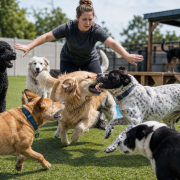
Day care environments present a unique challenge: you’re managing dozens of dogs simultaneously, each with their own sensitivities and seasonal stress responses. A one-size-fits-all reinforcement approach simply won’t cut it.
Divide your dogs into sensitivity tiers based on their historical responses to seasonal changes. High-sensitivity dogs might need more frequent, lower-intensity positive reinforcement sessions with fewer environmental triggers. Moderate dogs can handle standard group activities with built-in reinforcement markers. Resilient dogs typically progress smoothly but still benefit from consistent reward structures. This tiered approach allows your team to deliver effective reinforcement during without overwhelming either the dogs or your staff.
Create specific reinforcement protocols for group settings that emphasize calm behavior rewards over high-energy celebrations. During seasonal transitions, a quiet sit-stay followed by a treat is more effective than enthusiastic praise. Keep your reward intervals consistent so dogs know exactly what to expect. This predictability reduces anxiety significantly.
Document which reinforcement methods work best for which dogs. Some respond powerfully to treat rewards, others to toy engagement, and still others to gentle praise or physical affection. Your protocols should reflect these individual preferences while maintaining consistency across your entire facility. When every staff member knows that Dog A responds best to cheese while Dog B prefers tennis balls, execution becomes seamless.
Monitoring progress and adjusting positive reinforcement methods based on individual dog responses
Effective monitoring isn’t passive observation. It requires systematic tracking and regular assessment cycles.
Implement a progress tracking system that records each dog’s behavioral responses to your reinforcement protocols throughout the seasonal transition period. Note improvements in focus, reductions in anxiety behaviors, increases in social engagement, and overall mood stabilization. Track this weekly so you can spot trends quickly.
Your staff should be empowered to adjust reinforcement strategies in real-time based on what they’re observing. If a dog shows improvement in response to shorter training sessions with higher-value rewards, lean into that approach. If another dog needs more frequent check-ins or environmental enrichment alongside reinforcement, make that adjustment immediately. Seasonal transitions happen fast, and your flexibility determines success.
Connect this monitoring data back to your broader protocols. If you’re seeing consistent positive responses from your high-sensitivity tier using specific techniques, document those wins and share them across your team. If certain methods aren’t moving the needle for particular dogs, swap them out rather than continuing with ineffective approaches.
Consider pairing your internal monitoring with external resources. Professional guidance can provide additional perspectives when individual dogs plateau or show unexpected responses. Your willingness to adjust based on evidence separates mediocre training facilities from exceptional ones.
Word Count: 748 words
Long-Term Success: Maintaining Behavioral Gains Year-Round
Preventing regression by maintaining consistent reinforcement practices across all seasons
The biggest threat to long-term behavioral success isn’t a single setback, it’s inconsistency. Dogs thrive on predictability, and when you drop reinforcement patterns just because the season changed, you’re essentially telling your dog that the rules shift with the temperature. That’s a recipe for regression.
Think of positive reinforcement as a maintenance system, not a seasonal project. In spring, you celebrated your dog’s calm behavior during the transition into longer daylight hours. Summer brought challenges around heat and altered routines.
Fall introduced different triggers, and winter tested everyone’s patience. But here’s what matters: the reinforcement schedule that worked in March needs to remain anchored in November, December, and beyond. Your senior dog especially depends on this consistency to feel secure.
The mechanics are straightforward. Document what rewards, timing, and frequency worked during each season. If high-value treats kept your dog engaged during fall’s anxiety spike, don’t abandon them once winter settles in just because you think the “crisis” is over.
Seasonal transitions create temporary challenges, but the foundational work you’ve done through positive reinforcement creates lasting behavioral infrastructure. Maintaining that infrastructure requires staying the course.
Many owners make the mistake of assuming their dog has “learned the lesson” and can handle less frequent reinforcement. That’s partially true, but seasonal cues continuously resurface. The autumn leaves come back every year.
Spring always brings that shift in light and temperature. Each cycle reintroduces those environmental triggers, and your dog’s nervous system remembers them. Consistent reinforcement across seasons acts as a buffer against those cyclical stressors.
Adapting training intensity and focus as seasonal demands change throughout the year
Maintenance doesn’t mean doing the exact same thing in January as you did in July. Adaptation within a consistent framework is the real skill. Your dog’s physical and emotional capacity shifts seasonally, and your reinforcement strategy needs to account for that reality.
Winter demands different training intensity than spring. Shorter daylight hours affect mood and energy levels, potentially requiring more frequent but shorter training sessions with elevated reward values. Summer heat might mean you’re reinforcing indoor calm behaviors more heavily than outdoor exercise skills. Fall anxiety spikes often necessitate increased session frequency, while spring’s excitement might call for channeling that energy into new commands and skills.
The frame stays the same. Positive reinforcement remains your primary tool. But the specific application shifts.
If your dog struggled with leash reactivity during the chaotic spring months when everyone’s out walking, you might have used high-value treats every 30 seconds. By winter, when foot traffic decreases, you might stretch that to 60 seconds while introducing slightly more challenging scenarios to prevent boredom.
This adaptive approach prevents two problems simultaneously: it stops dogs from regressing when conditions change, and it keeps training engaging across the calendar year. A dog who receives identical reinforcement patterns regardless of seasonal context eventually becomes desensitized. Strategic variation within your reinforcement framework maintains both effectiveness and interest.
Building owner partnerships to extend positive reinforcement strategies beyond professional care
Your dog spends time with professional trainers and at day care facilities, but the majority of behavioral development happens at home. That gap between professional settings and home life is where reinforcement patterns either solidify or crumble. Creating genuine partnerships between owners and training facilities is the difference between temporary improvement and permanent behavioral change.
Effective partnerships require transparency and specific instruction. Trainers should provide detailed notes about which reinforcement techniques worked, what timing produced the best results, and which environmental factors triggered stress responses. Owners need to understand not just what to do, but why consistency across seasons matters. When an owner recognizes that their dog’s mid-October anxiety connects directly to seasonal light changes and daylight saving time, they’re more likely to maintain the reinforcement schedule through that period.
The best facilities offer quarterly check-ins aligned with seasonal transitions. Before fall arrives, discuss strategies for that particular dog’s known autumn challenges. As winter approaches, review what worked and adjust intensity for the darker months. This collaborative approach using behavioral changes ensures that professional training and home reinforcement work in concert rather than against each other.
Building these partnerships means your dog receives consistent messaging whether they’re with you, at a training facility, or in day care. That unified approach creates the stability that transforms temporary behavioral improvements into permanent ones. Your dog’s long-term success depends on the strength of that partnership and everyone’s commitment to maintaining positive reinforcement practices year-round.