Adapting Senior Dog Training for Fall Routines Getting Older Dogs Ready for September Schedule Changes
Understanding Why Fall Transitions Challenge Senior Dogs
Your senior dog has settled into summer’s lazy rhythm. Long walks feel manageable, the indoor training sessions happen at their own pace, and everyone’s adapted to the heat and extended daylight. Then September arrives, and suddenly everything changes.
Shorter days, cooler temperatures, back-to-school schedules reshuffling family routines, and the entire rhythm of daily life shifts gear. For older dogs, these transitions aren’t just minor inconveniences. They trigger real physiological stress that directly impacts how your senior responds to training, exercise, and behavioral expectations.
This is where most dog owners miss the mark. They treat fall routine changes as logistics problems instead of recognizing them as significant stressors for aging canines. Your older dog’s body and mind have adapted to months of consistency.
When you suddenly flip the script, you’re not just changing a schedule. You’re disrupting established patterns that have become neurologically comfortable for an aging brain, affecting everything from their ability to focus during training sessions to their willingness to engage in activities they previously enjoyed.
Understanding what’s happening behind the scenes is the first step toward adapting your dog training approach for fall. The challenge isn’t about forcing your senior into new routines. It’s about bridging the gap between their current capabilities and the new demands coming at them, while recognizing that their aging nervous system processes change differently than it did five or ten years ago.
How seasonal daylight changes affect older dogs’ circadian rhythms
Your senior dog’s body operates on circadian rhythms controlled largely by light exposure. During summer, those early sunrises and late sunsets create extended windows of daylight that naturally regulate sleep-wake cycles, hormone production, and metabolic function. Your dog’s brain has been running on this schedule for months.
Come September, that daylight window compresses dramatically. Sunrise shifts later. Sunset comes earlier.
The impact hits harder than most owners realize.
Older dogs have less flexible circadian systems than younger canines. Their melatonin production becomes more sensitive to light changes. When daylight decreases by an hour or more, your senior’s internal clock destabilizes.
They might start sleeping longer during the day, then struggle to settle at night. This disruption directly affects training readiness. A dog with a disrupted sleep cycle has reduced cognitive function, shorter attention spans, and less patience for learning new commands or reinforcing established obedience.
The practical consequence: your morning training session might feel completely different in September than it did in July, even if you’re doing everything technically correct. Your senior might seem unfocused, resistant, or irritable during sessions that previously went smoothly. This isn’t laziness or stubbornness. It’s their circadian system struggling to recalibrate. Understanding cognitive changes to aging brains means accounting for these light-dependent biological shifts.
Temperature fluctuations and their impact on aging joints and mobility
Your senior dog’s arthritic joints felt relatively comfortable during warm summer months. Heat increases blood circulation to stiff joints, improving flexibility slightly and reducing pain. Cooler temperatures reverse this entirely. As fall sets in, joint stiffness increases. Mobility decreases. Pain often worsens, sometimes dramatically.
This physical change fundamentally alters what your older dog can physically accomplish during training. A senior who navigated stairs comfortably in August might show hesitation or difficulty in September. Walking distances they handled in July might exhaust them in cool fall weather.
The temptation is to interpret this as behavioral change or reduced motivation. More often, it’s simple biomechanics. Cold muscles and stiff joints genuinely make movement harder.
When you’re designing fall training routines, account for these physical limitations directly. Low-impact exercises that protect aging joints become even more critical. Shorter session durations with increased frequency works better than longer single sessions when temperature changes amplify joint discomfort. If your senior is transitioning between in-home dog training and structured doggie daycare settings, temperature shifts can make group environments feel overwhelming for a dog experiencing increased physical stress.
Recognizing stress signals when routines shift unexpectedly
Senior dogs communicate discomfort through subtle behavioral shifts that owners often overlook. When fall transitions arrive, watch for specific stress indicators: decreased appetite, reluctance to engage in previously enjoyed activities, increased barking or whining, excessive panting, difficulty settling, or defensive reactions to normally acceptable handling.
These signals don’t mean your dog is becoming aggressive or untrainable. They mean your aging dog is processing significant environmental change and experiencing stress. The neurological and physical adjustments required to adapt to shorter days, cooler temperatures, and altered schedules create measurable anxiety in senior canines.
Recognizing behavioral changes during before they escalate allows you to adjust expectations and training intensity proactively. Your older dog isn’t being difficult. They’re communicating that they need gentler handling during this transition period.
Adjusting Training Sessions for Cooler Weather
Modifying exercise intensity and duration as temperatures drop
Fall brings cooler temperatures, and that shift means your senior dog’s body responds differently to physical activity. Older dogs have less efficient thermoregulation than younger pups, so what worked perfectly in August might feel too taxing come September. The key is recognizing that senior dogs tire more quickly in unpredictable weather, and their joints become stiffer when temperatures dip.
Start by cutting training session duration by about 25-30% as fall rolls in. If your senior dog was doing three 20-minute sessions daily, dial it back to two 15-minute sessions instead. Shorter bursts actually work better for aging canines anyway because their focus spans shorten with age, and frequent breaks help them stay mentally engaged without physical overload. Your pup learns better in concentrated chunks rather than marathon sessions.
Intensity matters more than duration at this life stage. Instead of long walks at brisk pace, incorporate low-impact exercises, like slow-paced walks interspersed with sit-and-reward pauses. This approach keeps muscles engaged without jarring those arthritic knees and hips. Watch for signs of stiffness after training: if your senior dog seems reluctant to move the next morning, you pushed too hard.
Temperature fluctuations in fall are unpredictable. One day feels mild, the next brings wind or a sudden chill. Your senior dog’s body expends extra energy just staying warm, so factor that into your overall training load. On cooler days, expect your pup to fatigue faster and adjust your expectations accordingly. That’s not weakness; that’s physiology.
Choosing optimal times of day for outdoor training activities
Timing is everything when training senior dogs through fall transitions. Early morning temperatures tend to be chillier, which can make aging muscles stiff and joints sluggish. The warmest part of fall days typically occurs in late afternoon, roughly 2-4 p.m., making that your golden window for outdoor training sessions. Schedule your most important training activities during these warmer afternoon hours when your senior dog’s body is naturally more flexible.
Consistency matters tremendously for older dogs because their internal clocks are finely tuned. If you train at 10 a.m. every day, stick with that schedule, even as fall progresses.
Senior dogs thrive on predictability, and that routine becomes part of their cognitive anchoring. However, if you have flexibility, shifting sessions toward midday ensures your pup works in optimal conditions rather than fighting stiffness from morning cold.
Avoid training sessions right before feeding time or immediately after meals. Senior dogs need digestive space, and exercise combined with hunger or fullness creates discomfort. The ideal window is about two hours post-meal, when energy levels are stable. Midday training often naturally falls into this sweet spot, another reason afternoon sessions work well for fall routines.
Watch daylight changes too. As fall progresses into late September, sunset creeps earlier each week. Training outdoors when natural light is strongest keeps your senior dog safer and makes visual cues easier to follow. That improved lighting helps aging eyes track your hand signals and body movements more clearly, supporting better training responses.
Keeping senior dogs engaged indoors when fall weather becomes unpredictable
September weather swings between beautiful and rainy without warning, leaving training schedules scrambled. That’s where indoor training saves the day for senior dogs. Mental exercise counts just as much as physical activity, especially for aging canines. Indoor training sessions using age-appropriate training techniques keep your pup sharp regardless of weather disruption.
Set up indoor training stations in low-traffic areas of your home. Practice basic obedience commands in short 10-minute bursts throughout the day. Teach your senior dog to navigate gentle slopes using cushions or low platforms, building confidence without high-impact jumping. Work on “sit,” “down,” and “stay” variations that require mental focus but minimal physical strain.
Use puzzle toys and sniff games on rainy days. These activities engage your senior dog’s brain intensely while keeping physical demands low. Hide treats throughout a designated room and let your pup use their nose to find them. This type of mental work depletes energy just as effectively as outdoor walks, leaving your senior dog satisfied even when fall weather keeps you indoors.
Consider structured environments like doggy day camp for unpredictable fall weeks. Professional facilities provide climate-controlled spaces where your senior dog stays active and social regardless of weather. This consistency supports training progress and keeps your pup mentally stimulated when your home schedule gets disrupted.
Preparing Your Senior Dog for Back-to-School Schedule Changes
Gradually introducing new daily routines before September arrives
Your senior dog doesn’t need a shock to the system come Labor Day. The trick is starting early, maybe even late August, to ease them into what’s coming. If your household is about to shift into high gear with school schedules, work changes, or increased daycare attendance, your older pup needs to know what to expect.
Begin by mimicking the September schedule a few weeks early. If your dog will be home alone for longer stretches, start practicing that now. Leave for an hour, then two, then three. Let your senior get accustomed to the quiet house and the rhythm of your departure and return. Older dogs thrive on predictability, so consistency during this transition phase matters more than you might think.
Introduce timing changes gradually too. If breakfast is shifting from 7 a.m. to 6:30 a.m., adjust it a few days earlier each week. Small incremental changes feel less disruptive than a sudden flip of the schedule. Your aging companion’s body clock runs deep, and respecting that makes the fall transition infinitely smoother.
Many pet owners find that using back-to-school routines why helps create a framework for this preparation period. Frame these early August practice runs as trial runs for what September will bring. This way, when the real schedule kicks in, your senior dog recognizes it as familiar territory rather than chaos.
Building independence and crate training for increased alone time
Increased alone time is often the biggest shock to senior dogs when fall schedules change. A dog who spent the summer with constant companionship suddenly faces seven to eight hours of solitude. For older pups, this can trigger anxiety or lead to destructive behaviors if they’re not properly prepared.
Crate training at this life stage isn’t about punishment or confinement. It’s about creating a safe den space where your senior feels secure when you’re not around. A well-acclimated crate becomes their sanctuary, not their prison.
Start by leaving the door open during the day and rewarding your dog for spending time inside voluntarily. Toss treats in. Praise them when they choose to nap there.
Make it desirable.
Gradually extend the crate time with you present first. Sit nearby while your dog rests inside for 15 minutes, then 30 minutes, then an hour. Once they’re comfortable with duration, start leaving the room briefly. Return before they become anxious. The goal is building confidence so that when you do step out for real, they’re not panicking.
Independence training also means reinforcing that your departure isn’t a catastrophe. Avoid making a fuss when you leave or return. No excited greetings that amp up emotions. Keep it neutral and calm. Some seniors benefit from white noise or calming music played during alone time, which can reduce stress responses. If anxiety becomes significant, consult your vet about options and consider optimizing senior dog with a professional who understands geriatric behavioral needs.
Creating consistency when family schedules become more demanding
Hectic schedules are facts of life in September. Kids catch buses, adults return to demanding work, and routines that felt leisurely in summer vanish overnight. Your senior dog needs stability within that chaos, even if everything else feels frantic.
Lock in two non-negotiable anchor points each day. Morning potty time at 6:30 a.m. and evening meal at 5:30 p.m., for example. These bookends give your older dog’s body and mind something reliable to hold onto. Everything else can shift, but these constants provide security and help regulate their digestive system and sleep-wake cycles.
Even 10 minutes of focused attention counts. That doesn’t mean an hour-long walk. For seniors with joint limitations, it means a short, gentle leash walk around the block or a quiet training session in the backyard. Keep it low-key and age-appropriate. The consistency matters far more than the intensity.
If daycare enters the picture, introduce it gradually in late August rather than starting fresh in September. This eases your dog into the new dynamic and gives staff time to understand your senior’s specific needs and limitations. Facilities that understand transitioning dogs will tailor their approach to your older pup’s pace and comfort level.
The key is recognizing that your senior dog’s emotional and physical needs don’t pause when the calendar flips to September. Preparation, independence building, and unwavering consistency turn a potentially stressful transition into a manageable shift. Your aging companion will thank you for the extra care.
Nutrition and Health Adjustments for Fall
Evaluating caloric needs as activity levels shift seasonally
Here’s the thing about fall: as temperatures drop and daylight shortens, your senior dog’s metabolism and activity patterns shift in ways many owners don’t anticipate. Those long summer evening walks? They’re getting shorter. The outdoor playtime that kept your older pup moving? It’s declining. And that directly impacts how much food your dog actually needs.
Senior dogs already have slower metabolic rates than their younger counterparts, but seasonal changes amplify this effect. If you’re feeding your aging companion the same portion size you did in August, you’re likely overfeeding. Extra weight puts unnecessary stress on aging joints and can trigger or worsen arthritis symptoms (which becomes especially problematic during colder months when stiffness is already an issue).
Start by honestly assessing your dog’s activity level right now, not what it was during peak summer. Is she getting 30 minutes of walks daily, or is it down to 15? Is playtime happening in the yard, or are you mostly doing indoor activities?
Those differences matter. A senior dog moving less might need anywhere from 10 to 25 percent fewer calories, depending on her individual metabolism and current fitness level.
Work with your vet to adjust portions as fall progresses. But here’s the practical part: instead of simply cutting kibble, consider swapping some of the meal for lower-calorie options like pumpkin (yes, the real kind) or sweet potato mixed into regular food. This approach keeps meal volume satisfying for your dog while reducing overall caloric intake. You’re maintaining the routine without compromising senior nutrition.
Managing joint health and arthritis symptoms during cooler months
Cold weather and aging joints are a rough combination. Cooler temperatures reduce synovial fluid mobility, making arthritis symptoms noticeably worse. Your senior dog might move more stiffly in the morning, climb stairs more hesitantly, or struggle getting up from their bed after lying down for hours.
Fall is your window to get ahead of this decline. Before September’s schedule changes fully take hold, evaluate your dog’s current joint health. Is she limping after longer walks? Does she avoid jumping on furniture she used to navigate easily? These are your baseline indicators. Once routine changes kick in, it’s harder to isolate what’s causing discomfort.
Incorporate joint-supporting supplements now, rather than waiting until winter when pain peaks. Glucosamine and chondroitin show measurable results in senior dogs, particularly when started proactively. Omega-3 fatty acids also reduce inflammation. Talk to your vet about appropriate dosing for your dog’s weight and age, as senior dogs sometimes process supplements differently than younger animals.
Beyond supplements, consider environmental adjustments before they become urgent. Orthopedic dog beds cost more upfront but reduce nighttime stiffness significantly. Ramps or stairs help senior dogs navigate furniture and vehicles without strain.
Heated beds become genuinely therapeutic as temperatures drop. These modifications sound like extras, but they’re actually preventive health care for aging joints. Setting them up in fall means your dog transitions into winter with established comfort, not crisis management.
Scheduling wellness check-ups before routine changes take effect
This is non-negotiable: get your senior dog to the vet before September’s schedule changes fully hit. Why now? Because wellness exams during stable routines give your vet a clear baseline. Once training schedules shift, dog day care pickups change, and activity patterns alter, it’s harder to distinguish what’s normal adjustment versus what’s a health concern.
Use this visit specifically to discuss fall transitions with your vet. Mention the upcoming schedule changes, decreased activity levels, and any behavioral shifts you’ve noticed (increased restlessness, changes in sleep patterns, or reluctance to engage in training). Senior dogs sometimes respond to seasonal changes with anxiety, and your vet needs that context to recommend appropriate management strategies.
Coordinate wellness check-ups with your training program adjustments. If you’re working with basic obedience training or other regional programs, let your vet know about any planned training modifications. This communication ensures your vet can offer targeted recommendations for supporting your dog through both the health and behavioral transitions simultaneously.
Ask your vet specifically about pain management options, mobility support, and dietary adjustments tailored to fall activity levels. Many senior dogs benefit from prescription joint supplements or pain management when weather turns cold. Getting these conversations happening now means you’re not scrambling when your dog visibly declines in November.
Leveraging Day Care and Training Programs During Transition Periods
Benefits of structured day care for senior dogs adjusting to new schedules
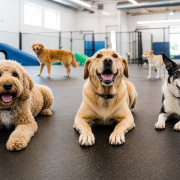
When fall schedules shift and routines change, structured dog day care becomes a genuine lifeline for older dogs. Many senior pups struggle with unpredictability, and daycare provides exactly what they need: consistency, controlled environments, and professional supervision tailored to their age.
Daycare offers senior dogs a middle ground between the chaos of household transitions and complete isolation at home. Rather than spending eight hours alone while families adjust to September schedules, your aging dog gets mental stimulation, gentle movement, and social interaction with other dogs (when appropriate for their temperament). This structured environment actually reduces anxiety that comes from sudden schedule changes because the dog knows what to expect each day.
Here’s what matters most for older dogs in daycare settings. First, trained staff can monitor mobility issues, ensure your senior gets adequate rest periods, and adjust activity levels based on real-time observation. They notice if your dog is limping, seems disoriented, or needs more water breaks than usual.
Second, daycare provides bathroom breaks on a predictable schedule, which is crucial for senior dogs managing age-related incontinence or digestive changes. Third, the facility can administer medications on time if your dog requires them during the day.
Programs like basic dog training often integrate daycare with training components, meaning your senior dog gets both structure and gentle skill reinforcement during the adjustment period. This dual benefit helps your older dog feel grounded when everything else feels uncertain.
Specialized fall training classes designed for older dogs
Not all training programs treat senior dogs appropriately, and that’s a major problem. Your aging dog needs instructors who understand that a nine-year-old retriever learns differently than a two-year-old pup. Specialized fall training classes designed for older dogs account for physical limitations, cognitive changes, and the specific anxiety triggers that come with seasonal transitions.
What makes these classes different? Instructors keep sessions shorter (15 to 25 minutes instead of 45), focus on reinforcing existing skills rather than teaching complex new behaviors, and use high-value rewards that motivate aging dogs without exhausting them. They also modify commands for dogs with hearing loss, adjust visual cues for declining eyesight, and structure activities around joint health and comfortable movement.
Fall-specific training classes also address behavioral changes that emerge when routines flip. If your senior suddenly exhibits separation anxiety when kids return to school, a good trainer can introduce gradual departures and reinforce calm settling behaviors. If your dog becomes more reactive to sounds as autumn storms approach, the trainer teaches gentle desensitization techniques appropriate for aging nervous systems.
Finding the right fit matters enormously. Programs like basic obedience training can help your senior dog maintain confidence and good habits despite schedule chaos. The consistency of a training class also gives your dog another predictable anchor point during the transition.
Building socialization opportunities to reduce anxiety from routine changes
Socialization sounds like a young-dog concept, but older dogs absolutely benefit from continued social exposure, especially when life feels uncertain. Strategic socialization during fall transitions actually buffers senior dogs against anxiety by reminding them the world is still manageable and friendly.
The key is choosing the right social situations for your aging dog’s temperament and energy level. Not every senior wants to roughhouse with boisterous puppies. Instead, look for calm, supervised settings where your dog encounters other senior dogs or compatible middle-aged companions. Daycare programs with dedicated senior play sessions, park meetups with known friendly dogs, or small group training classes create low-stress social opportunities.
Socialization also extends beyond other dogs. Introducing your senior to family friends, neighbors, or even strangers in controlled settings during the transition period helps prevent isolation anxiety. When your dog’s routine changes (say, fewer daytime walks because school schedules flip), structured social time compensates and reminds your dog that the world still exists beyond the back door.
Programs offering distraction dog training or similar services create natural socialization because your dog interacts with trainers, other dogs, and varied environments while learning to stay focused. This combination of training and exposure works exceptionally well for anxious seniors navigating schedule shifts. The training gives them a job (focus on you), and the social environment proves they can handle change without falling apart.
Creating a Fall Routine That Works for Senior Dogs
Establishing predictable patterns to provide security and confidence
Senior dogs thrive on routine. Unlike younger pups who might embrace spontaneity, older dogs find comfort in knowing what comes next. When fall schedules shift (kids back to school, work hours change, weather patterns evolve), your senior needs a predictable framework to feel secure and confident.
Start by mapping out your new fall schedule on paper. If your dog previously had a 9 a.m. walk and that’s changing to 7 a.m., make that transition gradually over a week or two. Older dogs experience cognitive changes that make sudden shifts disorienting. A predictable pattern means they can anticipate mealtimes, training sessions, bathroom breaks, and rest periods without anxiety creeping in.
Consistency also strengthens the bond between you and your senior. When they know that Tuesday mornings mean a quiet training session with high-value rewards, or that afternoons at basic dog training happen every other week, they enter those activities with mental preparation rather than confusion. This predictability reduces stress hormones and makes learning stick better for older dogs whose cognitive processing requires that mental scaffolding.
Write down your fall routine and post it somewhere visible. Include training times, walk schedules, meal times, and even designated nap periods. This simple act keeps everyone in your household aligned and prevents the backsliding that happens when patterns become fuzzy.
Balancing activity with adequate rest periods for aging dogs
Here’s where many well-meaning owners stumble: they assume that keeping a senior dog active prevents decline. The truth is more nuanced. Your older dog needs activity, yes, but not at the expense of proper recovery time. Fall routines should build in deliberate rest periods just as intentionally as you plan walks and training.
Think of your senior’s energy like a limited battery that recharges overnight. A two-hour outing in cool fall weather might seem reasonable, but it could leave your dog exhausted for the next two days. Better to structure multiple shorter activities spread throughout the week with genuine downtime between them. A 20-minute morning walk, mid-day rest, and a 15-minute training session with low-impact exercises creates engagement without overload.
Physical limitations that impact elderly dog technique matter here too. If your senior has mild arthritis or reduced stamina, heavy activity followed by insufficient rest accelerates joint wear and increases pain. Your fall routine should alternate active days with lighter days. Some facilities recognize this and offer structured programs where distraction dog training happens on specific days, allowing you to plan recovery time around those sessions.
Monitor your dog’s behavior after activities. Excessive panting, reluctance to move the next day, or increased stiffness tells you that rest periods need extending. Senior dogs communicate their limits clearly if you’re watching.
Monitoring and adjusting routines based on individual senior dog needs
No two senior dogs age identically. Your 10-year-old Lab might maintain high energy while your 8-year-old Chihuahua slows considerably. Fall routines work only when they’re customized to your specific dog’s current abilities, not based on what their routine looked like two years ago.
Set realistic training goals for older canines by first assessing your senior dog’s current abilities honestly. Can they still do a 30-minute walk, or are 15 minutes more appropriate? Do they respond better to morning or afternoon sessions?
Has their hearing declined, requiring visual cues instead? These observations shape whether your fall routine includes traditional leash training modifications or whether you need to emphasize gentler movement cues.
Track what works. Keep notes on which training approaches stick, which times of day your dog seems most responsive, and when fatigue sets in. Fall weather changes mean earlier darkness and cooler temperatures, but it also means you can observe patterns over weeks. Does your senior prefer post-breakfast training when alert, or pre-dinner when hunger drives motivation? Adapt accordingly.
Consider how programs like distraction dog training fit into your dog’s individual needs. Not every senior dog needs intensive distraction training, and some need structured environments more than others.
Your senior dog’s fall routine should feel less like a rigid schedule and more like a rhythm that honors their age, temperament, and current physical state. Check in regularly, adjust when your dog tells you they need it, and remember that the best routine is one your older companion can sustain comfortably while still engaging their mind and body in meaningful ways.