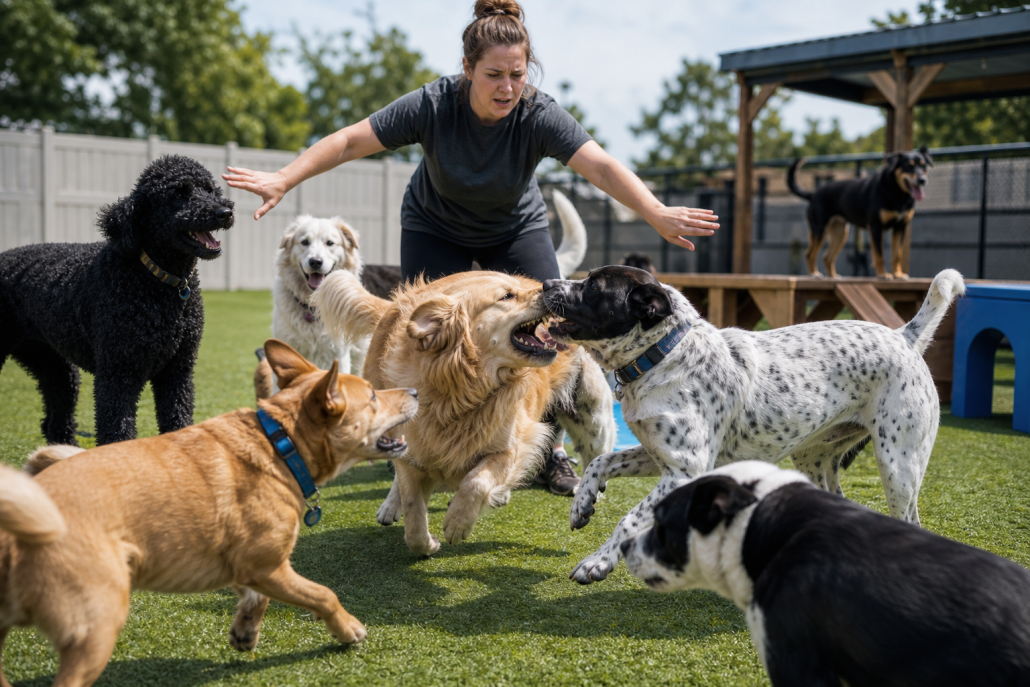
Managing Multiple Dogs in Daycare Settings Preventing Conflict During August Peak Hours
Understanding August Peak Season Challenges
Why summer vacation increases daycare enrollment and stress
August hits different for dog daycare facilities. While families are wrapping up summer vacation plans, they’re scrambling to find safe spaces for their four-legged family members. School breaks mean kids are home, schedules are chaotic, and suddenly that backyard supervision plan falls apart when someone needs to pack for a trip or handle work deadlines that didn’t disappear just because the calendar flipped to summer.
The enrollment spike during peak summer months isn’t subtle. Facilities that operated at 60-70% capacity in June find themselves managing double their usual dog populations by mid-August. This isn’t just about numbers either.
When you’re suddenly housing 30 dogs instead of 15, you’re dealing with exponentially more complex group dynamics. The math alone is daunting: more dogs means more personalities, more energy levels, more territorial concerns, and frankly, more opportunities for friction.
What makes August particularly challenging is the composition of incoming dogs. Many are younger animals whose owners thought summer would be the perfect time to “try out” daycare. Others are returning regulars whose routine has been disrupted by travel or schedule changes.
You’re mixing unfamiliar dogs with established pack structures, and that’s a recipe for tension if you’re not intentional about how you manage the transition. Beyond enrollment numbers, staffing becomes stretched thin. Experienced handlers take vacation time, which means less experienced team members are managing larger groups.
That’s a gap that dogs absolutely sense.
Behavioral changes in dogs during high-volume periods
Dogs are incredibly sensitive to environmental stress, and a daycare facility operating at maximum capacity absolutely radiates that energy. You’ll notice behavioral shifts that wouldn’t show up during quieter months. Dogs that are normally friendly become more guarded.
Playful pups turn hypervigilant. Some shut down entirely, finding quiet corners rather than engaging with the group. These aren’t character flaws in the dogs themselves; they’re stress responses to overstimulation and crowding.
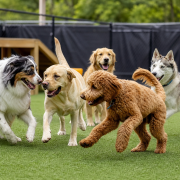
Arousal levels escalate quickly in high-volume settings. When multiple dogs are playing simultaneously, the excitement compounds. One dog’s play behavior triggers another’s prey drive, which catches a third dog’s attention, and suddenly you have a chain reaction of escalating energy that’s hard to deescalate.
Dogs communicate through body language, vocalizations, and physical contact, and in crowded conditions, those signals get muddled. A playful nip that would be ignored during a calm day becomes the spark for conflict during peak hours.
You’ll also see increased marking behavior, defensive posturing, and what many handlers mistake for aggression but is actually fear-based reactivity. Some dogs resource guard during calm periods but might become intensely possessive about toys, water bowls, or preferred resting spots when they feel their space is threatened. Understanding these behavioral changes isn’t about judging the dogs; it’s about recognizing that foundation training, which, becomes even more critical during high-stress periods.
Common triggers that emerge when group sizes spike
Not all conflict triggers are equal, but several emerge consistently during August peak hours. Resource availability tops the list. When you have 30 dogs and limited toys, water stations, or space, competition becomes real. A dog that shares politely in a group of 10 might suddenly feel territorial in a group of 30. This ties directly to resource guarding, teaching, which deserves explicit attention during seasonal peaks.
Environmental overstimulation is another major trigger. Constant noise, movement, and activity push dogs beyond their sensory threshold. Certain breeds handle this better than others, but individual tolerance varies wildly. What’s manageable stimulation for one dog is overwhelming chaos for another. Similarly, unclear hierarchy and role confusion create conflict. In a stable group, dogs understand social structure. When new dogs arrive constantly, that structure gets challenged repeatedly.
Finally, handler fatigue contributes directly to escalation. Understaffed facilities miss early warning signs. Calming intervenes late rather than early. Dogs pick up on handler stress, which amplifies their own anxiety. Dog training, what, becomes especially relevant when you’re trying to manage multiple simultaneous interactions under pressure.
August’s challenges aren’t inevitable. They’re predictable, manageable complications that require intentional planning and expert handling. The facilities that succeed during peak season aren’t those that just hope for the best; they’re the ones that anticipate these triggers and build systems to manage them before conflict erupts.
Pre-Arrival Assessment and Preparation
Evaluating temperament before peak season enrollment
August brings a surge in daycare enrollments as families prepare for back-to-school season and summer vacations wind down. Before your facility hits peak capacity, you need solid intel on every dog’s temperament. This isn’t about being overly cautious, it’s about protecting the wellbeing of all animals in your care.
Start with a comprehensive intake interview. Ask owners specific questions about their dog’s play style, social history, and how they respond to unfamiliar dogs. Does the dog have experience in group settings?
Has it attended daycare before? What triggers stress or excitement? These conversations reveal patterns that generic behavioral checklists often miss.
A dog that’s “friendly” at home might react completely differently when surrounded by seven other dogs in a confined space.
Conduct a structured evaluation session before full enrollment. Bring the dog in during a quieter period (not peak hours) and observe how it responds to the environment, staff, and other dogs. Watch for signs of confidence, nervousness, or reactivity. Pay attention to body language: a tucked tail, pinned ears, or stiff posture tells you something different than a loose, waggy frame. This initial assessment protects and sets the dog up for success.
Document everything. Create baseline notes on each dog’s temperament so staff members have consistent reference points when that pup returns during busy August hours. When multiple staff are juggling dozens of dogs, written records prevent miscommunication and missed behavioral flags.
Screening protocols for dogs with known aggression or anxiety
Not every dog is suited for traditional daycare settings, especially during chaotic peak season. Dogs with diagnosed aggression issues or severe anxiety need honest evaluation before enrollment. This isn’t judgment, it’s realism.
Establish clear screening criteria. Dogs displaying resource guarding, food aggression, or a history of fights with other dogs should be excluded from group play or placed in carefully controlled environments. Similarly, anxious dogs that shut down or snap under stress aren’t good candidates for high-energy August sessions where noise and activity levels spike significantly.
Understand that growling isn’t always, but it’s data. A dog that growls is communicating a boundary, and that communication matters during conflict prevention. The issue arises when a dog escalates quickly or fails to respect other dogs’ warnings. Your staff needs training to distinguish between normal canine conversation and genuine warning signs that demand intervention.
Consider offering alternative services for dogs that don’t fit group daycare. In-home options, private training sessions, or one-on-one play sessions can serve dogs that need individualized attention rather than pack dynamics. This approach actually strengthens your reputation because you’re honest about limitations instead of forcing incompatible dogs together.
Document any aggression history from previous facilities. If a dog has known incidents, require additional behavioral assessment or veterinary behavioral consultation before acceptance. This transparency protects everyone involved.
Creating individual behavioral profiles for better group matching
Once you’ve evaluated dogs and cleared them for enrollment, create detailed behavioral profiles that guide group assignments. During August peak hours, thoughtful matching prevents conflicts before they start.
Profile components should include play style (gentle, moderate, intense), energy level, age range compatibility, and any specific triggers. A high-energy young Lab plays differently than a middle-aged, calm Golden Retriever. A dog that bonds tightly with one companion might do better in a smaller group rather than a crowd of twelve. These nuances matter when you’re managing conflict prevention.
Use profiles to create compatible groups rather than random rotations. If you have multiple staff members available during peak hours, assign dogs to groups where they’re likely to thrive. A shy dog placed with boisterous wrestlers will get stressed; the same shy dog with calm, older companions might flourish.
Update profiles monthly based on observed behavior. A dog’s temperament can shift with maturity, training, or seasonal stress. August heat, busy schedules, and unfamiliar dogs create temporary behavioral changes. Staff observations during peak season should inform adjustments to group placements going forward.
Share key profile information with your entire team. When everyone understands why a particular dog is with a specific group, they’re more alert to signs that placements aren’t working and can respond quickly. Communication prevents conflicts that poor matching would otherwise trigger.
Strategic Group Management During High-Traffic Hours
Dividing dogs by play style, energy level, and compatibility
August brings crowds, and crowds demand strategy. The foundation of preventing conflict during peak hours starts well before dogs arrive at daycare. You need to know your dogs inside and out, which means understanding their individual play styles and energy levels before grouping them together.
High-energy dogs need different companions than laid-back seniors. A border collie bouncing off the walls will stress a calm golden retriever. That’s not a personality clash—that’s a mismatch. Sort your pack into three primary tiers: high-energy herders and retrievers, moderate-energy mixed groups, and low-energy or senior dogs who need calmer environments.
Compatibility goes deeper than just energy matching. Some dogs are play wrestlers, some are chase enthusiasts, and some prefer social sniffing. A dog that loves rough-and-tumble play can trigger fear in a timid dog. You’ll also encounter dogs that play, which demands intentional separation strategies. Pair compatible play styles together. Put the wrestlers with wrestlers, the chasers with chasers.
Size considerations matter during August crowds. Mixing a 15-pound terrier with 80-pound labs creates obvious physical imbalances. Separate by weight brackets—small (under 25 lbs), medium (25-55 lbs), and large (over 55 lbs)—to reduce injury risk and anxiety. During peak season when you’re managing 30+ dogs daily, these divisions become operational lifelines.
Use your intake assessment data ruthlessly. Flag dogs with resource guarding tendencies, past conflicts, or social anxiety. These dogs shouldn’t share the same play session, especially when staffing is stretched thin. Documented compatibility notes save crisis management later.
Rotating group compositions to reduce tension and fatigue
Static groups breed boredom and tension. Dogs that play together every day eventually irritate each other. Fresh combinations keep energy positive and reduce the likelihood of simmering conflicts exploding during crowded August afternoons.
Implement a rotation schedule across your peak hours. If you typically have morning, midday, and evening groups, rotate compatible dogs through different combinations each session. A dog in Group A on Monday joins Group B on Wednesday and Group C on Friday. This prevents the same personalities from colliding repeatedly while ensuring each dog gets appropriate playmates.
Rotation also protects against bullying. A dog that dominates one group may be middle-of-the-pack in another. Exposure to different social hierarchies builds confidence and prevents any single dog from becoming territorial. For dogs showing fatigue or stress responses, smaller group rotation gives them recovery time without removing them from daycare entirely.
Track rotations meticulously during August. You might manage six different group combinations across your facility simultaneously. Documentation ensures no dog gets stuck in incompatible pairings and helps you identify which combinations work best for your specific population. The data becomes gold when planning future schedules.
Monitor personality shifts between rotations. A dog that was aggressive with certain companions last week might be perfectly balanced this week. Canine personalities aren’t static. Your flexibility with group composition directly impacts whether peak season runs smoothly or descends into chaos.
Timing rest periods and structured activities throughout the day
Free play all day equals mayhem. August’s high volume demands structured rhythm: designated play windows, mandatory rest periods, and organized activities that channel energy productively. This structure prevents the cumulative frustration that builds when dogs interact continuously for eight hours.
Implement 45-minute active play sessions followed by 30-minute rest breaks. During rest periods, dogs occupy individual spaces, enjoy puzzle toys, or participate in low-key activities. This isn’t punishment—it’s recovery. Dogs that play hard need decompression time. Without it, they become overstimulated and reactive by late afternoon.
Schedule structured activities between rest periods. Training exercises, scent games, or agility drills provide mental engagement without the social intensity of free play. When using doggy day camp programming effectively, you integrate learning opportunities that tire dogs mentally while separating them from constant physical interaction.
Stagger rest times if possible. Not all dogs need simultaneous breaks. Rotating smaller groups through activities while others rest reduces the pressure on individual staff members and allows personalized attention. A five-minute water break and potty window between groups prevents dehydration and keeps facilities manageable.
Afternoon sessions especially need protection. Dogs are mentally fatigued by 2 p.m., and tired dogs are cranky dogs. Schedule your most structured, lowest-intensity activities during late afternoon peak hours. Save high-intensity play for morning sessions when dogs arrive fresh.
Track which dogs handle compressed schedules poorly. Some dogs genuinely aren’t suited for eight-hour daycare during August peaks. Identifying these individuals prevents daily stress and potential incidents that damage your facility’s reputation and the dogs’ welfare.
Staff Training and Real-Time Intervention
Recognizing early warning signs of conflict before escalation
The difference between a managed daycare environment and chaos often comes down to staff who know what to watch for. During August peak hours, when you’ve got a dozen dogs moving around simultaneously, catching tension early is everything. Your team needs to recognize the subtle shifts that happen before dogs actually engage in serious conflict.
Body language tells the whole story if you’re trained to read it. A stiffened posture, direct stare, raised hackles, or a tucked tail all signal something’s brewing. Many handlers miss the moment when a dog shifts from relaxed play to resource guarding over a toy or water bowl.
The play bow changes; ears flatten back; movement becomes rigid instead of fluid. Some dogs will freeze entirely, which is actually a critical warning that they’re about to react defensively.
Listen for vocal cues as well. Growling often gets a bad reputation, but it’s actually communication. A dog that growls is saying “back off” before escalating to a bite. This is why dog training programs emphasize understanding canine language. Staff should recognize the difference between play growling (loose, rhythmic) and warning growls (low, sustained, with teeth showing). Barking intensity matters too. Rapid-fire barking during play differs dramatically from the deeper, more aggressive bark that signals genuine conflict.
Train your team to notice spacing and approach angles. Dogs that are uncomfortable often position themselves at certain distances from others or angle their bodies away. If a dog repeatedly moves away from another or shows avoidance, that’s data.
Similarly, watch for dogs that monopolize toys, treats, or water bowls with stiff body language. These scenarios create pressure cookers during peak hours when space is limited.
De-escalation techniques for managing tense interactions
Once your staff identifies tension, the intervention needs to happen fast but calmly. Panic or aggression from handlers only amplifies dog stress. Your team should move deliberately and speak in measured tones, never yelling or making sudden movements that startle the dogs involved.
The most effective technique is strategic redirection. Handlers should have high-value treats or toys ready specifically for de-escalation purposes. Redirecting a tense dog’s focus to something positive interrupts the conflict cycle before it starts.
This works especially well during peak hours when dogs are already stimulated. Tossing treats in different directions physically separates dogs and resets their attention.
Creating space is critical. Sometimes the simplest intervention is removing one dog from the situation temporarily. This isn’t punishment; it’s management.
A 5-10 minute separation in a quiet area lets arousal levels drop. Many daycare conflicts during August happen because dogs never get a genuine break from constant interaction. Your staff should rotate dogs in and out of quieter spaces proactively, not just reactively.
Body blocking is another essential skill. Handlers should know how to position themselves between dogs without being aggressive themselves. Turning sideways, avoiding direct eye contact with the dogs, and maintaining calm energy prevents escalation. Staff should never grab collars or reach between dogs in panic mode, as this triggers defensive bites.
Proper positioning and supervision strategies in crowded settings
During August’s busiest hours, one supervisor per 8-10 dogs isn’t enough. Your facility needs strategically positioned staff throughout different zones. Handlers should avoid clustering near food or water bowls, as resource guarding spikes in those areas. Position staff where they can see the entire play area, not just standing in conversation with colleagues.
Active supervision means constantly moving and observing, not passive watching. Staff members should rotate positions every 15-20 minutes to maintain alertness and ensure they’re not missing subtle tension in any corner. When daycare gets crowded, the back corner becomes a blind spot where conflicts often start unnoticed.
Height positioning matters too. Staff standing at dog eye level can often intercept issues faster than those towering above. Handlers should spend time at the same level as the dogs, making them more accessible and allowing better observation of body language subtleties that are invisible from standing height.
Communication protocols between staff members during peak hours
Your team needs a clear system for communicating about dog behavior and management decisions. During chaotic August hours, a quick hand signal or brief verbal cue prevents multiple handlers from intervening on the same situation simultaneously, which can make things worse.
Establish codes or checkpoints. One handler might signal another that a specific dog needs a break. Another might indicate which dogs shouldn’t be near each other. Regular staff huddles at shift changes ensure everyone knows which dogs arrived with specific issues or warning signs. This continuity is essential when you’re managing multiple dogs where individual histories matter tremendously.
Document incidents and behavioral patterns. What started as minor tension with two dogs today might escalate next week if management doesn’t track the interaction. Your staff should have a simple system for noting conflicts, even minor ones, so you’re building data about which dogs need separation or modified schedules during peak season.
Environmental Design for Conflict Prevention
Creating multiple play zones to reduce overcrowding and resource competition
August means your dog daycare is packed. That’s great for business, but it’s terrible for preventing conflict if you’re managing thirty dogs in one open room. The solution isn’t hiring more staff (though that helps) – it’s strategic space design that naturally fragments the group into smaller, manageable units.
Think about how dogs behave in their own homes versus a chaotic facility. Most prefer defined territories. Create multiple play zones using physical dividers – not full walls, but strategically placed barriers that break sightlines and reduce the psychological weight of crowd density. A 3,000-square-foot daycare facility should have at least three to four distinct play areas, each sized for 8-12 dogs rather than cramming everyone together.
Zone separation matters because it directly impacts resource guarding behavior. When dogs compete for limited space, toys, and attention, tension escalates quickly. Separate zones allow you to rotate groups strategically, giving each cohort dedicated time in specific areas. One zone might be designated for high-energy play, another for moderate interaction, and a third as a calm zone for dogs that need lower-intensity socialization.
Use this layout strategically during August peak hours. Your staff can manage two concurrent play sessions rather than one overwhelming free-for-all. Dogs that struggle with overstimulation (and there are many) get appropriate socialization without the sensory overload that triggers defensive behavior. You’re also reducing the likelihood that resource competition escalates into serious conflict.
Designing sight lines for optimal staff visibility
Here’s the hard truth: you cannot prevent conflict you don’t see coming. Sight line design is the backbone of any conflict prevention strategy, especially when staffing ratios are stretched during peak hours.
Plan your facility layout so that staff members positioned at strategic points can observe every dog simultaneously. Avoid creating hidden corners, blind spots behind furniture, or areas where smaller dogs can cluster out of view. Open sightlines don’t mean an empty facility – it means thoughtful placement of play structures, resting platforms, and dividers that don’t obstruct vision.
Install elevated vantage points if possible. A supervisor positioned on slightly higher ground can monitor multiple zones and spot tension escalation before it becomes physical. Look for early warning signs: stiff body posture, direct staring, blocking behavior, or rapid approach patterns. When you catch these signals early, redirecting one dog prevents a full confrontation.
During August, when you’re handling high volume, your layout becomes your second line of defense. Physical design literally compensates for staff limitations. A well-designed facility lets fewer people manage more dogs safely because they’re positioned to intervene instantly. This is why facility design matters as much as training does – they’re not separate concerns.
Managing water bowls, toys, and rest areas to minimize disputes
Resource guarding isn’t just about food. During high-volume daycare, conflicts erupt over water, toys, and prime resting spots. Controlling these resources strategically prevents disputes before they start.
Water bowls need thoughtful placement. Don’t cluster them in one location – distribute multiple bowls throughout your facility so thirsty dogs don’t queue up and create tension. Ensure bowls are large enough and positioned away from high-traffic zones. Dehydration also increases irritability, so frequent water access actually reduces aggression. This ties directly to why basic obedience training includes foundation skills around resource management.
Toy management during peak hours means rotating inventory rather than leaving multiple toys out simultaneously. When there aren’t enough toys for every dog, competition triggers conflict. Limit toys in open areas and remove high-value items (balls, rope toys, squeakers) that trigger intense possession behavior. Supervise toy play closely and remove any object that creates tension between two or more dogs.
Rest areas deserve equal attention. Create multiple comfortable zones with elevated beds, cushions, and quiet spaces. Dogs need regular breaks during peak hours – continuous stimulation exhausts them and increases irritability.
Rotate dogs through designated rest periods, giving them cool, quiet time away from the main group. Respect these spaces as off-limits to other dogs and staff unless absolutely necessary.
This environmental approach works because it removes the triggers that create conflict. You’re not relying solely on staff intervention – you’re designing the space itself to discourage problematic behavior. During August, when managing multiple dogs becomes genuinely difficult, this proactive design strategy becomes invaluable.
Communication and Owner Expectations
Setting clear policies about peak season capacity and group dynamics
August brings unpredictable chaos to daycare operations, and the best defense against escalating conflict is transparency from day one. Your facility’s peak season policies need teeth. That means establishing and communicating hard limits on how many dogs you’ll accept during high-traffic periods, and more importantly, which dogs can safely coexist in the same group.
Define your maximum capacity based on realistic staff-to-dog ratios, not revenue potential. If your ideal supervision level is one handler per eight dogs during normal hours, you might drop that to one per five during August. Document these numbers in writing and share them with clients before they book. Vague promises like “we’ll do our best” create resentment when you have to turn away a regular client’s reservation.
Beyond raw numbers, establish explicit policies about group dynamics. Some dogs thrive in large, energetic packs. Others need smaller, calmer groups to feel secure.
Your intake process should identify which category each dog falls into, then honor those preferences during booking. A dog with a history of resource guarding doesn’t belong in a boisterous group of twelve during peak hours, regardless of how much the owner wants the discount.
Put your policies in writing, post them on your website and check-in area, and require owners to acknowledge them before enrollment. This protects your facility legally and sets realistic expectations that reduce conflicts before they happen.
Documenting behavioral incidents and sharing updates with owners
When tensions flare between dogs in your care, documentation saves relationships and protects your business. Create a simple incident report template that captures the basics: which dogs were involved, what triggered the conflict, how quickly staff intervened, and what the outcome was. Note environmental factors too.
Did it happen near the food area? During a shift change when supervision was lighter? Did a new dog trigger the issue?
The key is sharing these updates proactively with owners. Don’t wait for a worried call. If Max had a minor squabble with another dog, contact his owner that same afternoon with a clear, factual description.
Explain what you observed, what you did about it, and how your team prevented escalation. This transparency builds trust and gives owners context they need to manage their dog’s behavior at home.
For more serious incidents, schedule a conversation with the owner rather than handling it via text. Explain your assessment of whether the dogs can safely continue sharing space, and what behavioral adjustments might help. This is where in-home dog training can be a game-changer. Owners sometimes need professional guidance to address behaviors that surface in the daycare environment, and referring them to qualified trainers strengthens your relationships and improves long-term outcomes.
Keep all incident reports organized and easily retrievable. If a pattern emerges with a specific dog, you’ll spot it quickly and can make informed decisions about group compatibility before conflicts escalate.
Advising owners on preparation before busy season arrivals
Your clients need guidance on how to prepare their dogs for August chaos. Before peak season hits, send owners a prep checklist that addresses the realities of crowded daycare. Include reminders about basic obedience, because dogs with solid foundation skills handle stress better than those operating on impulse alone. A dog that reliably responds to “sit” and “down” has learned impulse control that translates directly into calmer group interactions.
Advise owners to refresh their dog’s training in the weeks leading up to August. This doesn’t mean enrolling in intensive programs, though basic obedience training and similar offerings across your service areas provide structured support for owners who need it. Sometimes ten minutes a day of review work at home can sharpen a dog’s responsiveness significantly.
Also communicate about realistic expectations. August daycare is noisier, more stimulating, and occasionally more stressful than calm shoulder seasons. Some dogs thrive in that environment. Others might benefit from fewer days during peak hours or adjusted group assignments. There’s no shame in that conversation, and owners appreciate honesty.
When you equip owners with knowledge and set clear expectations before August arrives, you’ve already prevented countless conflicts. Informed, prepared owners make better choices about their dog’s schedule and work actively with your team to keep everyone safe and balanced. That collaboration transforms peak season from a dreaded scramble into a manageable challenge where your facility, your staff, and your clients all move in the same direction. Ready to refine your approach? Learn more about and keep every dog thriving.