Shorter Training Session Durations with Increased Frequency for Elderly Canines
Understanding the Cognitive and Physical Changes in Aging Dogs
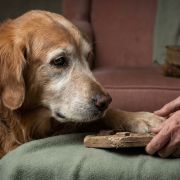
Your senior dog isn’t the same learner they were at two years old. That enthusiastic puppy who absorbed commands in mere repetitions has evolved into a more deliberate, thoughtful companion whose brain processes information differently. Understanding these shifts isn’t just academically interesting, it’s the foundation for successful training with elderly canines. When you recognize how aging actually changes your dog’s ability to learn, retain information, and physically perform, you can adjust your approach accordingly and set realistic expectations that honor where your dog is in their life.
The good news? Senior dogs absolutely can learn. They can master new commands, refine existing skills, and continue engaging with the world around them.
But the pathway to that learning requires a fundamental shift in how we structure training sessions. Short, frequent training sessions with elderly canines aren’t a compromise or a limitation. They’re actually the most effective strategy for working with aging brains and aging bodies.
How senior dogs’ learning capacity differs from younger dogs
An eight-year-old dog’s brain doesn’t work the same way as a two-year-old’s, and that’s not a metaphor. Neurologically, aging dogs experience measurable changes in cognitive function. Their working memory (the ability to hold and process information temporarily) becomes shorter.
They need more repetitions to encode new information into long-term memory. Their processing speed slows, meaning they need slightly more time to register your cue, decide how to respond, and execute the behavior.
This doesn’t mean elderly dogs have diminished intelligence. Rather, it means they’re less efficient learners. A younger dog might nail a new command in five or six reps. Your senior might need fifteen or twenty, spread across multiple sessions over days or weeks. That’s not failure on either end. That’s aging biology. Understanding cognitive changes helps trainers and owners work within realistic parameters instead of pushing beyond what’s physiologically possible.
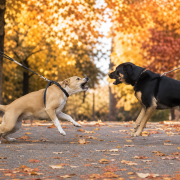
Distractions also hit differently for aging dogs. A senior’s ability to filter out irrelevant stimuli (that leaf blowing past, a distant sound, another dog barking blocks away) becomes harder. They get pulled off task more easily because their brain’s executive function, which controls focus and attention, has diminished.
This is why environment matters so much when training elderly canines. Working in quieter, more controlled settings gives their aging brain the best chance to concentrate on what you’re teaching.
Physical limitations that impact training duration and intensity
Your dog’s joints aren’t what they used to be. Arthritis, even if not yet diagnosed, is silently affecting mobility in most dogs over seven or eight years old. Hip dysplasia that was manageable in middle age becomes progressively more limiting.
Muscle mass declines with age, making sustained physical effort more taxing. These physical changes directly impact how long and how intensely your dog can train.
A five-minute training session might sound short, but for a senior dog with arthritic hips, sitting and standing repeatedly, turning sharply, or maintaining focus while managing discomfort is genuinely difficult. The physical effort of training combines with the mental effort of learning. Your aging dog is using energy on both fronts simultaneously. That’s why physical limitations becomes essential knowledge for anyone training a mature canine.
Vision and hearing changes also reshape training logistics. If your senior dog has declining eyesight, visual hand signals become less effective. If their hearing is fading, verbal cues need to be louder but not harsh (which stresses them). These sensory declines might mean you need to rethink how you deliver cues altogether, adjusting intensity and modality to match what your aging dog can actually perceive.
Recognizing signs of fatigue and cognitive decline during sessions
Senior dogs communicate when they’re mentally and physically taxed, but you have to know what to look for. Glazed eyes, slower response times to familiar cues, increased yawning, or repetitive behaviors like sniffing the ground excessively often signal cognitive fatigue. Your dog isn’t being stubborn.
Their brain is overworked. Similarly, reluctance to stand after sitting, limping after standing, or favoring one side tells you the physical demand is exceeding what your dog can comfortably handle.
One of the most reliable indicators is when your senior suddenly struggles with behaviors they’ve known for years. That reliable “sit” they’ve performed thousands of times suddenly seems to confuse them. That’s not regression.
That’s fatigue compounding age-related processing delays. Recognizing this distinction prevents owners from over-training or pushing their elderly dog into frustration and failure.
Monitoring these signals means you can honor your dog’s real capacity while continuing to provide dog training that keeps them mentally engaged and maintaining skills. Shorter, more frequent sessions work precisely because they minimize fatigue while maximizing retention over time.
Designing Effective Training Schedules for Mature Canines
Optimal session length for senior dogs and why consistency matters
Here’s the thing about senior dogs: their brains still work, but they need training delivered differently. The sweet spot for elderly canine training sessions typically falls between 5 and 10 minutes per session. This isn’t arbitrary, and it’s definitely not because older dogs are incapable of learning. It’s about respecting their physical stamina, attention span, and cognitive processing speed.
Why such short windows? Senior dogs tire more quickly, both mentally and physically. A 15-minute training session that works wonderfully for a 3-year-old border collie can absolutely drain a 12-year-old Lab.
Their joints ache, their energy reserves deplete faster, and honestly, their patience wears thin quicker too. The magic happens when you keep sessions brief enough that your older dog remains engaged and willing, rather than frustrated or exhausted.
Consistency is where the real training magic lives. Training your senior dog three times daily for 7 minutes each beats one 20-minute session every single time. Why? Because repeated, spaced exposures to training material create stronger neural pathways. Your dog’s brain processes the command, then gets a break to consolidate that learning. The next session reinforces what’s already starting to stick. This approach aligns perfectly with the science behind, where frequency and spacing matter far more than duration.
Track your training schedule on a calendar or your phone. Consistency isn’t just about showing up, it’s about doing it at roughly the same times each day. Senior dogs thrive on predictability.
When your elderly golden retriever knows that training happens after breakfast, before the afternoon nap, and again before dinner, they mentally prepare for those sessions. They expect the routine, which means they’re more focused when training begins.
Structuring multiple daily sessions for maximum retention
Multiple sessions per day isn’t about cramming more learning into your dog. It’s about spacing that learning across the day so their brain has time to process. Think of it like this: you wouldn’t try to memorize an entire textbook in one sitting. You’d read a chapter, take a break, read another chapter, and let your brain integrate the information before your next study session.
Start your first session in the morning when your senior dog is fresh and alert. Morning brains are sharper, attention spans are longer, and energy levels haven’t yet declined. This is prime time for introducing new behaviors or reinforcing critical safety commands. Keep it to 7 minutes maximum, even if your dog seems willing to continue.
Your midday session, perhaps after a meal or during an afternoon break, should focus on reinforcement rather than learning new material. This session reviews commands your dog already knows. It’s a confidence builder and keeps their skills sharp without the cognitive demand of learning something entirely new.
Use this time to observe how your dog’s body language shifts throughout the day. Understanding their physical cues helps you adjust your approach, which is especially important when you’re working with aging joints and potential discomfort.
The evening session, ideally 2-3 hours before bedtime, should be relaxed and celebratory. Your dog is tired by evening, so expect shorter attention and lower motivation. This is actually perfect for reinforcing extremely familiar commands with minimal pressure.
Keep treats high-value and sessions playful. This final session ends the day on a positive note, building your dog’s enthusiasm for tomorrow’s training.
When structuring sessions, rotate which commands you practice. Don’t drill “sit” three times a day if you’re working on “leave it.” Variety prevents boredom and prevents your senior dog from feeling like they’re stuck in repetitive drills. Mix familiar commands with one newer or challenging skill per session cycle.
Balancing training frequency with adequate rest and recovery time
More training frequency doesn’t mean no rest days. Your elderly dog still needs proper recovery time to process learning, repair muscles, and recharge mentally. A senior dog in active dog training should have at least one completely training-free day per week. Let that day be about walks, relaxation, playing with toys, or just napping.
Watch for signs of training fatigue. If your senior dog starts avoiding training sessions, seems confused about commands they know, or shows reluctance to engage, you’re asking too much. Back off the frequency temporarily and focus on recovery. Mental fatigue in older dogs manifests as much as physical exhaustion does.
Rest days between sessions matter too. Even with three short sessions daily, your dog needs downtime between sessions. A 1-2 hour gap between morning and midday sessions, and another 2-3 hours between midday and evening sessions, allows their brain and body to recover. During these rest periods, your dog’s brain is actually consolidating the learning from previous sessions through a process called memory reconsolidation.
Monitor your senior dog’s overall health during intensive training schedules. Joint health, pain levels, and general vitality should all remain stable or improve. If you notice increased limping, reluctance to move, or behavioral changes, consult your veterinarian.
Sometimes what looks like training resistance is actually pain speaking. Adjust frequency and intensity accordingly, always prioritizing your aging companion’s wellbeing over training timelines.
Training Techniques That Work Best for Older Dogs
Low-impact exercises that maintain engagement without exhaustion
Senior dogs need movement, but the intensity matters far more than the duration. The goal isn’t to tire them out like you might with a two-year-old golden retriever. Instead, you’re looking for activities that keep their joints happy, their minds sharp, and their confidence intact without leaving them panting and sore the next day.
Walk-and-train sessions work beautifully for older dogs. Rather than a traditional 30-minute power walk followed by training, break it into smaller segments. A five-minute stroll to a quiet spot, then 10 minutes of loose-leash work, followed by another short walk home. This approach prevents the cumulative strain that long sessions create while allowing you to reinforce in home dog principles in real-world settings.
Puzzle-based activities are underrated for senior dogs. Sniff work, hide-and-seek games, and nose-work exercises engage their brains without demanding physical exertion. These low-impact activities tire dogs mentally, which is often more satisfying than physical exhaustion. A 10-minute sniff session can be more rewarding for an elderly dog than a 30-minute fetch session.
Ground-based training works well too. Sit, down, and stay commands don’t require jumping or running. When you add gentle backward walking or slow turns, you’re building body awareness and balance without the impact. These foundation movements also translate beautifully into everyday behaviors that keep older dogs safe and confident navigating their homes.
Using positive reinforcement strategies suited to senior learners
Elderly dogs have learned a lot over their years. Their brains work differently than younger dogs’ brains do, and motivation shifts. What excited a five-year-old might bore an 11-year-old, but the right rewards can unlock genuine enthusiasm.
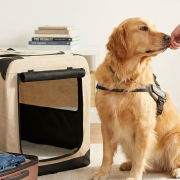
High-value rewards matter exponentially more with senior dogs. We’re talking about small pieces of chicken, cheese, or their absolute favorite treat reserved only for training sessions. The payoff needs to feel worth the effort, especially if arthritis or stiffness makes movement slightly uncomfortable. This isn’t about spoiling your dog; it’s about creating positive associations that override any discomfort they might feel.
Consistency in reward timing is crucial. Older dogs sometimes process information more slowly, so immediate, clear feedback helps them understand exactly what behavior earned the reward. Mark correct behaviors with a word like “yes” or a clicker, then deliver the treat within a second or two. This clarity bridges any processing gaps aging might create.
Verbal praise holds surprising power with senior dogs. Many older canines have years of positive relationships with their handlers built in. A warm “good dog” paired with gentle stroking often means more than another treat. You’re reinforcing not just the behavior, but the bond itself, which motivates dogs to keep trying even when their bodies slow down.
Adapting commands and behaviors to accommodate age-related changes
Teaching new commands to an elderly dog absolutely works, but expectations shift. They might need more repetitions, and that’s perfectly fine. They’re also likely struggling with some physical limitations we covered earlier, so the commands themselves require adaptation.
“Down” becomes more important than ever as a foundation skill, but if your dog has hip dysplasia, request downs on soft surfaces only. Carpet, grass, or folded blankets prevent joint strain. Over time, they’ll anticipate these surfaces and may even seek them out for training sessions.
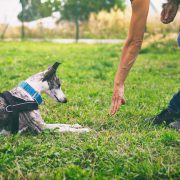
Distance work should be minimal with senior dogs. Recall training doesn’t need to happen 20 feet away. Practicing at three to five feet keeps the behavior sharp without taxing their hearing or encouraging them to bolt, which puts stress on aging joints. Using understanding canine body becomes especially valuable, because you can read whether your dog is genuinely tired or just being stubborn.
Simplify your cue words. Senior dogs benefit from consistent, distinct commands. Stick with what they already know rather than adding complicated new behaviors. If they understand “sit” but not “place,” teach “place” only if it’s functionally important. Otherwise, reinforce existing knowledge to keep their confidence high and success rate strong.
Many trainers find that brush up program sessions work perfectly for elderly dogs because they focus on maintaining established skills rather than introducing entirely new concepts. Your senior dog already knows what to do; they just need the gentle reminder and the positive reinforcement that comes with success.
Managing Health Considerations During Training
Working with veterinarians to establish safe training parameters
Before you launch into any training routine with your senior dog, a conversation with your veterinarian is non-negotiable. Your vet knows your dog’s complete medical history, current medications, and any conditions that might impact training intensity or duration. They can provide specific guidance on what your elderly canine can safely handle without triggering pain, exhaustion, or complications.
During this discussion, ask your vet about heart health, joint conditions, vision or hearing loss, and any medications that might cause lethargy or affect coordination. Some medications used for arthritis management or cognitive decline can influence how your dog responds during training sessions. Your veterinarian can also recommend which types of movements are off-limits and which activities might actually benefit your senior’s physical and mental health.
Create a written summary of these parameters and keep it handy. This becomes your training blueprint. If you’re working with a professional trainer at a facility like boot camp, share this information upfront so they understand the boundaries and can adjust their approach accordingly. Communication between you, your vet, and any trainers ensures everyone’s working toward the same goal: keeping your older dog safe while building confidence and skills.
Recognizing when medical conditions require session modifications
Even with your vet’s clearance, you need to stay alert during training. Your senior dog will communicate when something’s uncomfortable, and recognizing those signals is critical. Limping, excessive panting, reluctance to move, whining, or simply disengaging from the activity are all red flags that you’ve hit a limit.
Arthritis flare-ups happen unexpectedly. Some days your dog might be ready for a solid training session; other days, joint stiffness makes even short exercises painful. This is why shorter, frequent sessions work better than occasional longer ones for elderly canines. You can easily skip a session or reduce intensity if your dog’s mobility seems compromised that day.
Cognitive issues also affect training capacity. If your dog seems confused, anxious, or unable to focus, that’s not laziness. It might be a sign of canine cognitive dysfunction, which worsens with stress and overstimulation.
On those days, skip formal training and just spend time together. Watch for patterns, too. If your dog consistently struggles during certain times of day or after specific activities, adjust your schedule around those constraints.
Digestive upset, incontinence issues, or sudden behavioral changes warrant a vet check-up before you continue intensive training. Your senior dog depends on you to read these signals and respond appropriately. Pushing through discomfort doesn’t build a better-trained dog; it builds resentment and potentially causes lasting physical harm.
Environmental adjustments for comfort and safety during practice
Where you train matters just as much as how you train. Your senior dog’s vision and hearing might be declining, so eliminate unnecessary distractions and choose quiet locations. A familiar space inside your home or a quiet corner of your yard beats a chaotic park or dog day care environment. Excessive stimulation from other dogs, children, or environmental noise will exhaust your elderly dog faster and make training less effective.
Temperature control is essential. Senior dogs regulate body temperature poorly, so avoid training during the hottest parts of the day. Morning or early evening sessions work best. If you’re training indoors, ensure adequate ventilation and access to fresh water at all times. Overheating is dangerous for older dogs and will cut your session short whether you plan it or not.
Flooring matters too. Slippery surfaces like tile or hardwood can cause anxiety and joint strain. Use yoga mats or training on carpeted areas where your dog has better traction and feels more stable. If your dog has mobility issues, consider practicing commands while standing still rather than moving around. This reduces physical stress while still building obedience skills.
Keep training areas clutter-free to prevent trips and falls. Remove obstacles that might trip your senior dog or cause injury. Ensure adequate lighting so your dog can see clearly and navigate safely. If you’re working with professional trainers on age-appropriate training techniques, they should be aware of these environmental considerations and adapt accordingly.
Always have a comfortable spot nearby where your dog can rest between exercises. Training your senior doesn’t mean pushing through exhaustion; it means building skills at a pace that respects their physical reality.
Building Long-Term Training Plans for Senior Dogs
Setting realistic behavioral goals for elderly canines
Here’s the thing about senior dogs: they’re not the same learners they were at two years old. Their brains work differently, their bodies move differently, and their motivation systems have shifted. That’s not a problem (it’s actually something to celebrate), but it does mean your training goals need to shift too.
Instead of aiming for flashy tricks or competition-level obedience, focus on what actually matters for quality of life. Can your older dog reliably sit before meals? Do they respond to a gentle recall when it’s time to come inside?
Will they settle calmly while you’re working from home instead of pacing anxiously? These aren’t boring goals. They’re the difference between a peaceful household and constant stress.
Behavioral goals for senior dogs should center on maintaining safety and reinforcing essential commands that keep them secure. Maybe your elderly pup struggles with leash manners now, or they’re having accidents indoors due to age-related changes. These situations call for compassionate retraining, not punishment. Your goal becomes teaching without frustration, which frankly requires shorter, more frequent sessions built around their physical reality.
Think about what’s realistic given their current state. If your dog has arthritis, jumping or sustained standing during training isn’t going to work. If their hearing’s fading, visual cues matter more than verbal commands. If they tire quickly, marathon sessions will backfire. The magic happens when you align your expectations with what they can actually deliver right now.
Creating milestone-based progress tracking systems
Forget the vague “he’s doing better” assessment. Tracking progress for senior dogs requires a structured approach, especially since improvements may look different than they did in younger years.
Start by documenting your baseline. How many times can your dog currently sit in a five-minute session before losing focus? How long can they hold a down-stay? How do they respond to distractions? Write it down. This becomes your reference point. After implementing optimizing senior dog, you’ll measure actual change instead of guessing.
Break long-term goals into micro-milestones. Instead of “improve impulse control in six months,” aim for: Week 1-2: reliable sit-stay for 10 seconds, Week 3-4: reliable sit-stay for 20 seconds, and so on. This approach keeps momentum alive and lets you celebrate wins that matter. Your senior dog responds better to frequent small victories than to distant, nebulous goals.
Use a simple tracking method: a notebook, a spreadsheet, or even your phone’s notes app. Record what you practiced, how many sessions you completed that week, and how your dog responded. Include notes about their energy level, any health concerns that day, and what motivated them most.
Over weeks, patterns emerge. You’ll notice your pup learns faster on mornings versus evenings, or they respond better to treats than toys, or they need an extra day of rest between focused training sessions.
Milestones also give you permission to adjust your plan. If your dog isn’t progressing toward a goal after three weeks of consistent work, something needs changing. Maybe the reward isn’t high-value enough. Maybe the training environment is too distracting. Maybe their physical limitations require a modified approach. Milestone-based tracking surfaces these issues quickly.
Maintaining mental stimulation while respecting physical limitations
Senior dogs still need their brains engaged, even when their bodies can’t handle vigorous exercise. This is where the beauty of shorter, frequent sessions becomes obvious.
Mental work doesn’t require running, jumping, or extended activity. A ten-minute training session where your dog has to problem-solve, remember commands, and focus on you burns through mental energy like nothing else. They’ll often rest deeper afterward because their mind got worked, not just their body.
Incorporate puzzle games into your routine. Hide treats in a snuffle mat or puzzle toy and let your dog search. Teach them to find hidden items by scent. Practice simple scent work exercises. These activities engage their nose, their brain, and their problem-solving skills without demanding physical strain. They’re particularly valuable for arthritic or mobility-limited dogs.
Vary your training environment strategically. If your elderly dog tolerates car rides, practicing distraction dog training and similar settings provides mental enrichment through novel stimuli. Controlled exposure to new environments keeps their brain sharp without overwhelming them.
The key is balancing cognitive engagement with compassion. Your senior dog’s training plan should challenge them mentally while honoring what their aging body can handle. Short sessions repeated frequently hit that sweet spot perfectly.
Integrating Frequent Training Into Your Dog Care Routine
Scheduling training sessions around typical day care or home routines
The beauty of shorter, frequent training sessions for elderly dogs lies in their flexibility. Unlike marathon training blocks that demand your senior’s full attention for extended periods, brief 5 to 10 minute sessions slot seamlessly into your existing schedule. This approach works particularly well if your dog attends dog socializing or spends time in structured day care environments where caregivers can incorporate quick training moments between play and rest periods.
Consider anchoring these sessions to natural transitions throughout your day. Morning might mean a quick obedience refresher before breakfast, afternoon could include a gentle leash-training walk after a nap, and evening might feature a low-key sit-stay practice before dinner. The consistency matters far more than the intensity. Your senior’s aging brain responds better to repeated, predictable practice than occasional long-form sessions that leave them mentally exhausted.
Day care facilities often maintain structured schedules that actually complement this training philosophy beautifully. A professional facility can slot your elderly dog into multiple short training windows during their day, which means your pup gets practice while you’re working. When you pick them up, they’ve already had their mental gymnastics for the day. This distributed approach prevents the overload that longer sessions create for aging canines.
Involving caregivers and family members in consistent practice
Senior dog training succeeds only when everyone in your dog’s life speaks the same language. If you’re practicing “slow-down” cues during morning walks but your family member lets your elderly dog bound up stairs in the afternoon, you’re working against yourself. Consistency across caregivers, family members, and even day care staff becomes non-negotiable for aging dogs who need clear, predictable expectations.
Start by documenting your training protocols in simple terms. Write down the exact commands you’re using, the specific hand signals, and the high-value rewards your dog responds to best. Share this with everyone involved in your senior’s care. If your elderly dog trains at a facility offering dog socializing, ensure the trainers and staff receive the same documentation so they reinforce your methods during day sessions.
Family members often underestimate how much impact their participation has on a senior’s learning retention. When your teenager practices the same five-minute leash-training session your dog learned that morning, they’re not just keeping your pup sharp (they are), but they’re also building that dog’s confidence and strengthening your household’s training culture. Everyone becomes a trainer, which removes pressure from any single person to carry the entire load.
Communication among caregivers matters too. A quick daily check-in about what your senior learned, which commands clicked, and where struggles emerged helps everyone adjust their approach. Day care staff who see your dog four days a week can provide invaluable insights about behaviors you might miss at home.
Using daily activities as informal training opportunities
The most effective training for elderly dogs happens disguised as normal life. You’re not forcing your senior into “training mode” (which exhausts aging brains) but rather weaving learning into activities they already enjoy. Breakfast, walks, playtime, and even bathroom breaks become chances to reinforce basic commands and new skills.
During meals, have your dog sit before their bowl touches the ground. On walks, practice gentle stop-and-wait cues at intersections. Before letting them outside, ask for a calm stay at the door.
These micro-practices require barely any extra time or energy from you, yet they accumulate into meaningful reinforcement over weeks and months. Your elderly dog’s brain gets exactly the distributed practice it needs without the stress of formal training sessions.
Environmental variety through daily activities also helps. Walking different routes in your neighborhood, visiting different locations like dog surf lessons or local parks, and encountering new people all provide gentle mental stimulation. Your senior’s training becomes real-world applicable rather than confined to your backyard.
Building sustainable training habits means embracing the long game. Your elderly dog doesn’t need perfection or rapid progress. They need patience, consistency across their entire support network, and training seamlessly woven into their daily life.
When family members, day care staff, and you all commit to brief, frequent practice sessions embedded in routine activities, your aging companion thrives mentally and physically. Start integrating these principles today, and you’ll watch your senior respond with the focus and joy that comes from realistic, compassionate training tailored specifically to their life stage.