Vacation Training Prep Getting Dogs Ready for Summer Travel Plans
Starting Early: Building a Foundation for Stress-Free Travel
Why Early Preparation Matters for Your Dog’s Mental Health
Picture this: You’re scrambling to pack last-minute vacation essentials while your dog paces anxiously, sensing the chaos. Travel day arrives, and your usually calm companion transforms into a stressed, panting mess. This scenario plays out in countless households because most pet owners underestimate how dramatically travel disrupts a dog’s mental equilibrium.
Dogs are creatures of habit who thrive on predictable routines. When you suddenly introduce carriers, suitcases, and unfamiliar environments without proper preparation, you’re essentially asking your pet to navigate a perfect storm of anxiety triggers. Research shows that stress hormones like cortisol can remain elevated in dogs for days after a traumatic experience, affecting their appetite, sleep patterns, and overall behavior.
Early preparation isn’t just about convenience—it’s about preserving your dog’s psychological well-being. When you start mental conditioning weeks before departure, you’re giving your pet time to process and adapt to new experiences gradually. This approach prevents the overwhelming sensory overload that often leads to destructive behaviors, excessive barking, or regression in house training during trips.
Establishing Baseline Behaviors Before Adding Travel Stress
Before introducing any travel-related training, your dog needs rock-solid foundational skills. Think of these basics as the safety net that keeps your pet grounded when everything else feels chaotic. If your dog struggles with basic impulse control or becomes reactive under normal circumstances, travel will amplify these issues exponentially.
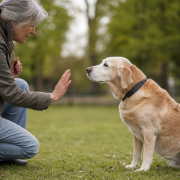
Focus first on commands that translate directly to travel situations. Your dog should reliably respond to “stay” even when excited, “come” despite distractions, and “quiet” when overstimulated. These aren’t just party tricks—they’re essential safety tools that could prevent your pet from bolting in an airport or becoming aggressive with strangers in hotel lobbies.
Testing these behaviors under mild stress helps identify weak spots in your dog’s training. Try practicing commands while the doorbell rings, during feeding time, or when visitors arrive. If your dog’s performance crumbles under these minor pressures, imagine how they’ll fare in bustling vacation environments. Addressing these gaps now prevents meltdowns later.
Creating Positive Associations with Travel-Related Items
Most dogs view carriers, harnesses, and leashes as signals that something disruptive is about to happen. This negative conditioning develops because these items typically appear only during stressful events like vet visits or rushed departures. Reversing these associations requires strategic exposure paired with consistently positive experiences.
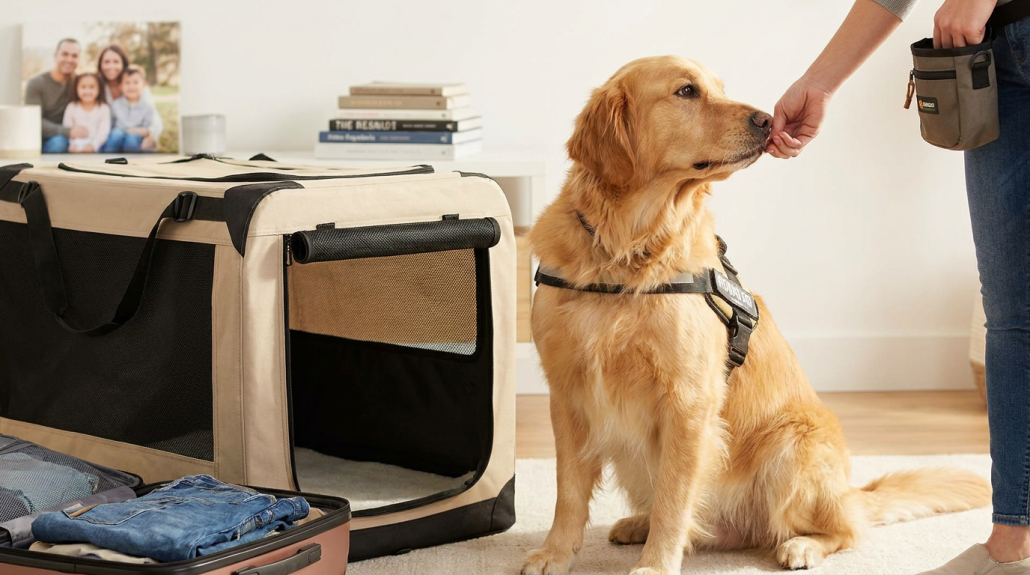
Start by placing your dog’s carrier in their favorite room with the door open. Toss treats inside randomly throughout the day, but never force entry. Let curiosity drive exploration. Once your pet ventures inside willingly, begin feeding meals in the carrier. This transforms what was once a prison into a dining room—a much more appealing perspective.
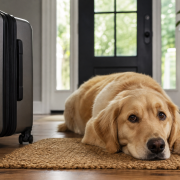
Apply the same principle to travel harnesses, car restraints, and even luggage. Dogs are incredibly observant and will notice when you start pulling suitcases from storage. Instead of waiting until departure day, incorporate these items into daily life. Use the travel harness during regular walks, let your dog investigate opened suitcases during playtime, and reward calm behavior around all travel gear.
Timeline Planning: When to Begin Pre-Vacation Training
Effective vacation prep follows a strategic timeline that allows for gradual progression without overwhelming your pet. For most dogs, beginning fundamental training six to eight weeks before departure provides adequate preparation time. However, anxious or reactive dogs may need additional lead time to build confidence.
Week one through three should focus on reinforcing basic obedience and introducing travel items casually. During weeks four and five, practice mock departure scenarios—load the car, drive around the block, then return home for treats and playtime. This teaches your dog that car rides don’t always end in permanent separation or scary destinations.
The final two weeks should involve dress rehearsals that mimic your actual travel day as closely as possible. If flying, practice arriving at busy parking lots, walking through crowds, and waiting in lines. If driving long distances, gradually extend practice trips while monitoring your dog’s stress levels and adjusting accordingly.
Remember that consistency matters more than intensity. Fifteen minutes of focused training daily produces better results than marathon weekend sessions that exhaust both you and your pet. Building this foundation early ensures that vacation becomes an adventure you can both enjoy rather than an ordeal you both endure.
Essential Skills Every Travel Dog Should Master
Crate Training and Confinement Comfort
A dog who panics in confined spaces will turn any travel experience into a nightmare for everyone involved. Whether you’re dealing with hotel rooms, car carriers, or boarding facilities, your dog needs to view enclosed spaces as safe havens rather than prisons.
Start by making the crate irresistible. Feed meals inside, toss high-value treats randomly throughout the day, and place favorite toys within reach. The goal isn’t just tolerance – it’s genuine comfort. Your dog should voluntarily seek out their crate when tired or overwhelmed.
Practice extended confinement sessions well before departure. Begin with 30-minute periods and gradually increase to several hours. During these sessions, ignore whining or pawing completely. Acknowledging anxious behaviors only reinforces them. Instead, reward calm, settled behavior with quiet praise or treats delivered through the crate bars.
Test different crate locations throughout your home. Sometimes dogs who accept confinement in familiar spots struggle when the crate moves to new environments. Moving the crate between rooms helps your dog generalize the skill beyond their usual territory.
Impulse Control in Stimulating Environments
Travel destinations bombard dogs with sensory overload – new smells, sounds, and sights that trigger every instinct to investigate, chase, or react. Without solid impulse control, your vacation becomes an exhausting series of management crises.
The “wait” command becomes your most valuable tool. Practice having your dog wait before exiting doors, approaching food bowls, or greeting people. Start in low-distraction environments, then gradually add challenges. Can your dog wait while children run past? How about when other dogs walk by?
Leash manners deserve special attention for travel scenarios. A dog who pulls constantly will exhaust both of you during sightseeing adventures. Use the “heel” command consistently, rewarding your dog for staying beside you rather than constantly correcting forward movement.
Create artificial distractions during training sessions. Have family members run past, bounce balls, or make unusual noises while your dog practices basic commands. This preparation prevents vacation meltdowns when unexpected stimuli appear.
Reliable Recall Commands for New Spaces
Even well-trained dogs can become selectively deaf in exciting new environments. Beach trips, mountain hikes, or unfamiliar neighborhoods present countless temptations that test your dog’s recall reliability.
Practice recall in progressively challenging locations before traveling. Start in your backyard, then move to local parks, busy sidewalks, and areas with wildlife or other dogs. Your dog’s response should be immediate and enthusiastic regardless of distractions.
Use a long training leash (15-30 feet) during practice sessions. This safety net allows you to enforce the recall command if your dog ignores it, preventing them from learning that “come” is optional. Gradually increase distance and distractions while maintaining that safety connection.
Make yourself more interesting than the environment. Carry special treats that only appear during recall training – freeze-dried liver, cheese cubes, or whatever makes your dog’s eyes light up. Your recall should mean “amazing things happen when I return to my person.”
Socialization with Strangers and Other Dogs
Travel exposes dogs to countless new faces – hotel staff, fellow travelers, other vacationing families with their pets. A dog who reacts fearfully or aggressively to strangers creates safety risks and limits your destination options.
Arrange controlled meetings with various people before departure. Include children, elderly individuals, people wearing hats or uniforms, and those using mobility aids. Each positive interaction builds your dog’s confidence with human diversity.
When choosing between a pet sitter versus facility during your absence, consider your dog’s socialization level. Well-socialized dogs often thrive in group boarding environments, while anxious dogs benefit from individual pet sitter attention.
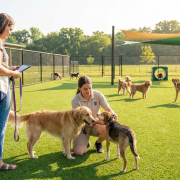
Practice neutral greetings with other dogs regularly. Your dog should learn to acknowledge other pets politely without overwhelming excitement or fear. Use parallel walks with friendly dogs to build positive associations while maintaining appropriate distance.
Settling and Relaxation on Command
The ability to relax on command transforms challenging travel situations into manageable moments. Whether waiting at airports, settling in hotel rooms, or adjusting to new sleeping arrangements, dogs need reliable “settle” skills.
Teach a specific “place” command using a portable mat or blanket. This designated relaxation spot travels with you, providing familiar comfort in unfamiliar locations. Practice having your dog remain on their place while you move around, answer doors, or engage in conversations.
Incorporate settling practice into daily routines months before travel. During family dinners, television time, or work-from-home sessions, your dog should learn to relax nearby without constant attention or entertainment.
Understanding crate training techniques enhances your settling command effectiveness, as both skills teach dogs to find comfort in designated spaces during potentially stressful situations.
Preparing Your Dog for Different Accommodation Types
Hotel Etiquette and Quiet Behavior Training
Hotels present unique challenges for dogs who aren’t accustomed to thin walls, unfamiliar sounds, and shared spaces. Start training your dog for hotel stays at least six weeks before your vacation by practicing quiet behaviors in confined spaces within your own home.
The “quiet” command becomes essential in hotel environments where barking can disturb other guests and potentially get you asked to leave. Practice this command by exposing your dog to doorbell sounds, knocking, and hallway noises while rewarding calm responses. Most hotels that welcome pets have strict noise policies, and understanding dog training fundamentals helps ensure your stay goes smoothly.
Elevator training deserves special attention since many dogs find the moving sensation and confined space stressful. Start with short rides in your building’s elevator or practice in small spaces like closets. Reward your dog for remaining calm and standing quietly without jumping on other passengers.
Create a portable “settling” routine that works in any hotel room. This might include a familiar blanket, a special toy, and a consistent bedtime ritual. Practice this routine in different rooms of your house so your dog learns to settle regardless of the environment.
Rental Property Preparation and House Rules
Vacation rentals often come with specific pet policies that go beyond basic house training. Property owners frequently prohibit dogs on furniture, require crate use during owner absence, or restrict access to certain rooms. Train these boundaries well before your trip to avoid property damage fees.
The “place” command becomes invaluable for rental properties where your dog needs to stay in designated areas. Practice sending your dog to a specific mat or bed and having them remain there even when you move around the house. This skill prevents your dog from exploring restricted areas or bothering other vacation rental guests.
Yard safety training matters tremendously for properties with unfenced areas or different fencing than your dog knows at home. Practice recall commands in various outdoor settings, and consider portable fencing solutions for rentals with inadequate barriers. Some vacation properties have pools or hot tubs that require additional safety considerations, which connects to broader summer heat pet protocols.
Document your dog’s behavior throughout your rental stay by taking photos of undamaged areas upon arrival and departure. Many property owners appreciate pet parents who demonstrate responsibility, potentially leading to positive reviews for future bookings.
Camping and Outdoor Adventure Readiness
Camping environments expose dogs to wildlife scents, unusual sounds, and complete schedule changes that can overwhelm unprepared pets. Start with backyard camping sessions to gauge your dog’s comfort level with sleeping outdoors and hearing nocturnal sounds without your usual indoor buffers.
Wildlife encounter training becomes critical for camping safety. Teach a rock-solid “leave it” command that works even when your dog spots squirrels, deer, or other tempting animals. Practice this in increasingly distracting environments, building up to scenarios where wildlife might actually be present.
Weather tolerance requires gradual conditioning, especially for dogs accustomed to climate-controlled homes. If you’re planning mountain camping, gradually expose your dog to cooler temperatures. For desert camping, practice heat management and ensure your dog can signal when they need water or shade.
Campfire safety involves teaching your dog to maintain distance from fire pits and hot cooking equipment. The “away” command helps create boundaries around dangerous camping elements while still allowing your dog to enjoy the outdoor experience with your family.
Staying with Friends and Family: Managing Expectations
House visits with friends or family often present the most complex training challenges because these environments combine unfamiliar people, different household rules, and emotional dynamics that can stress both dogs and hosts. Clear communication prevents misunderstandings that could damage relationships.
Multiple dog households require careful introduction protocols and resource management training. If your hosts have pets, arrange a neutral meeting location before bringing your dog into their territory. Practice sharing toys, food bowls, and attention to prevent conflicts during extended stays.
House guest etiquette extends beyond basic manners to include respecting your hosts’ routines and comfort levels. Some family members might feel nervous around dogs, requiring you to maintain closer supervision and potentially use management tools like baby gates or crates. Building strong foundation training. creates the reliability needed for successful family visits.
Establish backup plans for situations where your dog struggles with the new environment. This might mean shorter visit durations, alternative accommodation arrangements, or additional training sessions before future family gatherings. Flexibility and preparation ensure everyone enjoys the vacation experience.
Transportation Training and Safety Protocols
Car Travel Conditioning and Motion Comfort
Building your dog’s tolerance for car travel starts with short, positive experiences that gradually increase in duration. Begin with five-minute drives around the block, rewarding calm behavior with treats and praise. Many dogs experience motion sickness during their first few car rides, but proper conditioning can eliminate this issue entirely.
Position your dog in the back seat using a safety harness or travel crate, never allowing them to ride in the front seat where airbags pose serious risks. Start the engine and let your dog adjust to the vibrations before moving. For dogs showing signs of nausea, implementing techniques for car sickness prevention during these practice sessions prevents negative associations from forming.
Practice different driving scenarios your vacation might involve. Highway speeds feel different than city driving, and your dog needs exposure to both. Include stops at gas stations and rest areas where your dog will encounter new sounds and smells. The goal is creating a dog who views car travel as routine rather than stressful.
Air Travel Requirements and Carrier Training
Air travel demands specific preparation that goes far beyond basic carrier familiarity. Airlines have strict size requirements for in-cabin pet carriers, typically allowing carriers that fit under airplane seats (usually around 18 inches long, 11 inches wide, and 8 inches high). Your dog must be able to stand, turn around, and lie down comfortably inside the carrier.
Start carrier training at least six weeks before travel. Place the carrier in your living space with the door open, feeding meals inside to create positive associations. Gradually increase the time your dog spends inside with the door closed, working up to four-hour periods. This preparation is crucial since flight delays can extend travel time significantly.
Familiarize yourself with airline pet policies, which vary dramatically between carriers. Some airlines restrict certain breeds, while others have seasonal temperature restrictions. Required documentation includes health certificates issued within ten days of travel and proof of vaccinations. Schedule a pre-travel veterinary exam to ensure your dog meets all health requirements and discuss anti-anxiety options if your dog shows stress during training.
Safety Equipment Familiarization
Travel safety equipment requires proper introduction and training to be effective. Car safety harnesses need fitting sessions where your dog learns to accept the straps and buckles without resistance. The harness should attach to seat belt systems, not just rest on your dog’s body. Practice putting the harness on and off multiple times until your dog remains calm throughout the process.
Travel crates serve dual purposes as safety equipment and familiar spaces in new environments. Your dog should view their travel crate as a comfort zone, not a punishment. Place favorite toys and familiar-smelling blankets inside to create positive associations. Practice loading your dog into the crate using commands rather than physical force, making the process stress-free for both of you.
GPS tracking collars provide peace of mind during travel, but dogs need time to adjust to wearing them. These devices often feel different than regular collars, so introduce them gradually during your dog training sessions. Test the device’s functionality before traveling to ensure reliable connection in your destination area.
Managing Anxiety During Long-Distance Travel
Long-distance travel amplifies anxiety in dogs who haven’t been properly prepared for extended periods away from home. Signs of travel anxiety include excessive panting, drooling, restlessness, and attempts to escape carriers or harnesses. Address these behaviors during training rather than hoping they’ll improve during actual travel.
Create positive travel associations by taking your dog on enjoyable short trips before the big vacation. Visit dog-friendly beaches, hiking trails, or pet stores where the journey leads to rewarding experiences. This builds the understanding that car rides often result in fun activities rather than veterinary visits or other stressful destinations.
Develop calming routines your dog can rely on during stressful moments. This might include specific commands, favorite toys, or calming music that you’ve practiced with during training. Avoid feeding large meals within four hours of travel to prevent nausea, but keep small training treats available for positive reinforcement throughout the journey.
Consider natural calming aids like anxiety wraps or pheromone sprays, but introduce these during training periods first. What works for one dog might not work for another, so testing different approaches during practice runs helps you identify the most effective strategies for your specific dog’s needs.
Alternative Care Options: Boarding and Pet Sitting Preparation
Evaluating Professional Boarding Facilities
Finding the right boarding facility requires careful evaluation beyond basic reviews and pricing. Start your search at least six weeks before your departure, giving yourself time to visit multiple facilities and assess their protocols. Professional facilities should welcome tours and encourage you to observe their daily operations during peak hours.
Look for facilities with structured daily routines that include multiple exercise periods, socialization opportunities, and quiet rest times. The best boarding environments maintain consistent schedules that mirror what dogs experience at home. Staff-to-dog ratios matter significantly—quality facilities typically maintain one caregiver for every eight to ten dogs, ensuring adequate attention and supervision.
Pay attention to cleanliness standards, ventilation systems, and separation protocols between different sized dogs. Facilities that offer specialized services like board & train programs can actually advance your dog’s skills while you’re away, turning boarding time into productive learning opportunities.
Ask about their policies for handling anxious or reactive dogs, emergency veterinary care procedures, and what happens if your dog becomes ill during your stay. Professional facilities should have clear protocols and established relationships with local veterinarians.
Preparing Your Dog for Separation and New Caregivers
Separation anxiety can derail even the best boarding experience, making preparation crucial for your dog’s comfort and the facility’s ability to provide quality care. Begin practicing longer separations at home several weeks before your trip, gradually extending the time your dog spends alone or with unfamiliar caregivers.
Introduce your dog to new people in controlled environments, allowing them to build positive associations with strangers offering treats, play, and attention. This process helps reduce the shock of being cared for by unfamiliar staff members at boarding facilities or in pet sitting arrangements.
Practice leaving your dog with friends or family members for short periods, then longer overnight stays. These trial separations reveal how your dog handles routine changes and different caregiving styles. Some dogs thrive with active, playful caregivers, while others prefer calm, quiet interactions.
Work on strengthening your dog’s confidence through independent activities and puzzle toys. Dogs who can self-soothe and entertain themselves adapt more easily to temporary care situations. Teaching a reliable “settle” command helps caregivers manage your dog’s energy levels and establish boundaries in new environments.
Documentation and Communication with Care Providers
Comprehensive documentation eliminates confusion and ensures your dog receives consistent care that matches their normal routine. Create a detailed care sheet including feeding schedules, portion sizes, medication administration times, exercise requirements, and behavioral quirks that caregivers should understand.
Document your dog’s specific triggers, calming techniques, and preferred rewards. Include information about bathroom schedules, sleeping arrangements, and any special handling requirements. Professional caregivers appreciate detailed instructions that help them provide personalized attention rather than generic care.
Prepare emergency contact information including your veterinarian’s details, alternative emergency contacts, and specific authorization for medical treatment. Many boarding facilities require signed medical release forms, but pet sitters may need additional documentation to seek veterinary care if needed.
Provide clear instructions about daily routines, including wake-up times, meal schedules, exercise preferences, and bedtime rituals. The more closely caregivers can replicate your dog’s normal routine, the less stressful the experience becomes for everyone involved.
Trial Runs and Gradual Introduction to Care Settings
Short trial visits allow you to evaluate how your dog responds to new environments and caregivers before committing to longer stays. Book day visits or short overnight stays at boarding facilities several weeks before your actual travel dates. These practice runs reveal potential issues while you still have time to address them through additional training.
During trial visits, observe your dog’s behavior during pickup and drop-off. Some dogs initially resist new environments but quickly adapt, while others show persistent stress signs that indicate alternative arrangements might be necessary. Professional facilities should provide detailed reports about your dog’s behavior, eating habits, and social interactions during trial stays.
For in-home pet sitting arrangements, schedule several meet-and-greet sessions where the sitter spends time with your dog while you’re present. Gradually extend these visits and practice short departures, allowing your dog to build familiarity with the sitter’s presence and caregiving style.
Use trial periods to refine your documentation and communication strategies. Caregivers often identify additional questions or clarifications needed after spending time with your dog, helping you create more comprehensive care instructions for the actual boarding period.
Last-Minute Preparation and Travel Day Success
Final Health and Safety Checks
The week before departure marks your last opportunity to address any lingering health or behavioral concerns. Schedule a quick veterinary check-up to ensure vaccinations remain current and request copies of all medical records for your travel folder. Many accommodations require proof of rabies vaccination and general health certificates, particularly for extended stays or group settings.
Conduct a thorough behavioral assessment by simulating your planned travel conditions. Pack your car exactly as you would for the actual trip, then take your dog on a 30-minute drive to gauge their current comfort level. Watch for signs of anxiety like excessive panting, drooling, or restlessness that might indicate the need for last-minute adjustments to your approach.
Review your dog’s identification tags and ensure microchip information reflects your current contact details. Consider adding a temporary travel tag with your destination address and local emergency contact numbers. This simple step proves invaluable if separation occurs in an unfamiliar location where your regular veterinarian isn’t accessible.
Packing Essentials for Behavioral Success
Strategic packing extends far beyond food and water bowls. Bring familiar items that provide comfort and maintain routine during the disruption of travel. Pack their regular bedding, favorite toys, and any comfort items they associate with relaxation. These familiar scents help create a sense of home in new environments.
Prepare a behavioral toolkit containing high-value treats, puzzle toys, and training aids specific to challenges you anticipate. Long car rides require different distractions than hotel stays, so pack accordingly. Include a variety of chew toys to prevent destructive behavior when your dog feels stressed or bored in unfamiliar surroundings.
Create a travel-specific feeding schedule by pre-portioning meals and packing extra food beyond your planned stay duration. Changes in water and environment can affect digestion, so maintaining consistent meal timing and portions helps prevent stomach upset that often triggers behavioral regression.
Document your dog’s routine in a written guide for pet sitters or boarding facilities. Include specific commands they know, preferred training methods, and detailed instructions for managing any behavioral quirks. This preparation ensures continuity of care regardless of who’s responsible for your dog during vacation.
Managing Your Own Stress to Help Your Dog
Dogs mirror their owner’s emotional state with remarkable accuracy, making your stress management crucial for their success. Practice calm, confident energy during the final preparation days rather than rushing through last-minute tasks. Your anxiety about potential problems often manifests as nervous energy that dogs interpret as confirmation that something’s wrong.
Establish a pre-travel routine that includes relaxation techniques for both you and your dog. Spend 15 minutes each evening practicing calm behaviors like gentle brushing or quiet training sessions. This shared downtime reinforces your leadership while building positive associations with travel preparation activities.
Avoid dramatic changes to your behavior on departure day. Maintain normal morning routines and resist the urge to provide excessive affection or apologetic energy that signals something unusual is happening. Instead, approach departure with the same calm confidence you’d use for any regular outing.
Emergency Planning and Backup Strategies
Develop contingency plans for common travel disruptions that could affect your dog’s well-being. Research emergency veterinary services at your destination and identify 24-hour animal hospitals along your route. Program these contacts into your phone before departure rather than scrambling to find help during a crisis.
Prepare backup accommodation options in case pet-friendly reservations fall through or your dog struggles more than anticipated with new environments. Many travelers underestimate how booking complications can cascade into behavioral problems when dogs sense increased stress and uncertainty from their owners.
Pack an emergency behavioral kit containing familiar comfort items, calming supplements approved by your veterinarian, and contact information for a local dog training professional who could provide emergency consultation if serious behavioral issues arise during your trip.
The foundation you’ve built through careful preparation positions both you and your dog for vacation success. Trust the training you’ve invested in, maintain realistic expectations, and remember that flexibility often matters more than perfect execution. Whether you’re heading to a mountain cabin or beach resort, your proactive approach to travel preparation creates opportunities for shared adventures that strengthen your bond while expanding your dog’s confidence in new situations.