
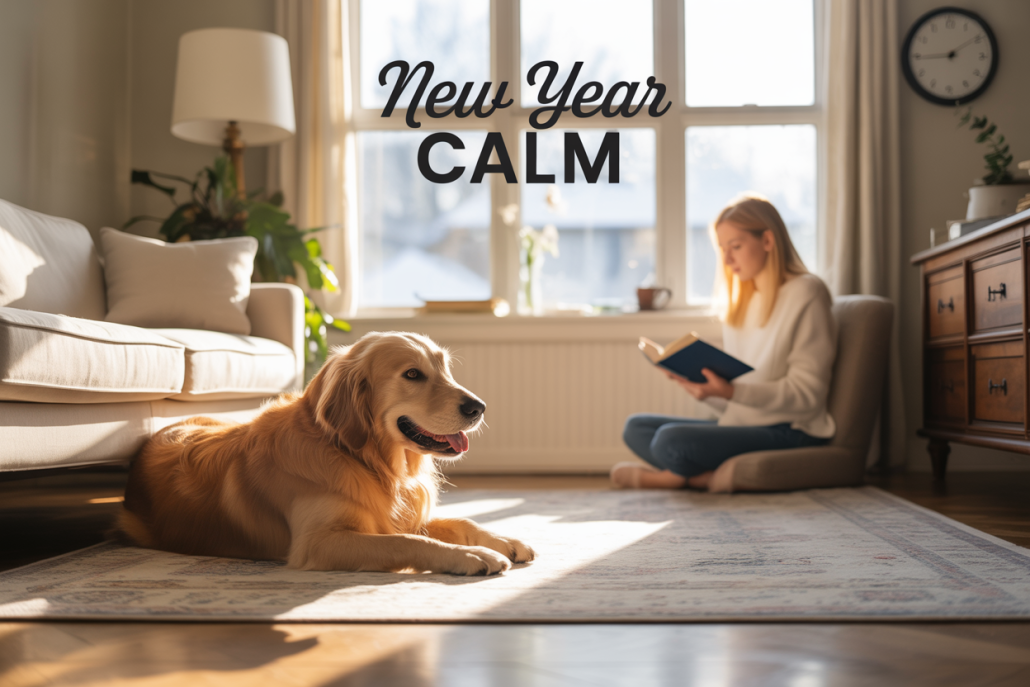
New Year Calm: Resetting Your Dog’s Routine After the Holidays
The holidays are over, the decorations are packed away, and your dog seems completely out of sorts. If your pet is showing signs of post-holiday dog stress or struggling with their usual routine, you’re not alone. Many pet parents notice their dogs acting anxious, sleeping poorly, or begging for treats more than usual after weeks of holiday chaos.
This guide is for dog owners who want to help their pets transition smoothly back to normal life after Christmas and New Year celebrations. Getting your dog’s routine back on track after the holidays doesn’t have to be stressful for either of you.
We’ll walk through how to spot the signs that holiday stress in dogs is affecting your pet’s well-being. You’ll learn practical steps to reset your dog’s schedule elements, such as sleep and feeding times, without causing additional anxiety. We’ll also cover strategies for managing dog separation anxiety, which often triggers when family members return to work and school after an extended time together at home.
Identify Holiday-Induced Stress Signals in Your Dog
Recognize behavioral changes from holiday overstimulation
Dogs often show clear signs when they’ve had too much excitement and stimulation during the holidays. Your normally calm pup might become restless, pacing around the house more than usual or struggling to settle down in their favorite spots. Many dogs develop what looks like hypervigilance – constantly checking doors, windows, or responding to every small sound as if they’re expecting more visitors or activity.
Holiday stress in dogs frequently manifests as changes in their usual personality. A typically social dog might start hiding under furniture or in quiet rooms, while a usually independent pet could become clingy and follow you everywhere. Some dogs react by becoming more vocal, barking at things that wouldn’t normally bother them, or whining when left alone, even briefly.
You might notice destructive behaviors that weren’t there before the holiday chaos. Chewing furniture, scratching at doors, or getting into garbage becomes more common when dogs feel overwhelmed. Post-holiday dog stress can also manifest as a regression in house-training, even in well-trained dogs. This happens because stress affects their ability to maintain learned behaviors and routines.
Changes in play behavior are another red flag. Dogs might lose interest in their favorite toys, become overly rough during play, or conversely, become too gentle and withdrawn. Some dogs start resource guarding – protecting food, toys, or even family members more intensely than before the holidays.
Spot physical symptoms of routine disruption
The physical signs of a dog’s routine after a holiday disruption are often easier to spot than behavioral changes. Sleep patterns get thrown off first – your dog might be unable to sleep through the night, wandering the house during their usual rest hours, or conversely, sleeping much more than normal during the day.
Digestive issues become common when dogs experience routine disruption. You might see loose stools, constipation, or changes in appetite. Some dogs stop eating their regular meals or become pickier about food, while others might overeat or beg more persistently than usual. Vomiting can occur, especially if they’ve been sneaking holiday treats or their feeding schedule has been inconsistent.
Dog anxiety after Christmas often manifests as excessive panting, drooling, or trembling when there’s no obvious reason, such as heat or cold. Their body language changes too – you’ll see more lip licking, yawning when they’re not tired, or ears pinned back more frequently. Some dogs exhibit what appears to be allergic reactions, with excessive scratching or licking of the paws and legs, though this is often stress-related rather than a true allergy.
Physical restlessness is another clear indicator. Dogs might pace continuously, struggle to lie down comfortably, or change positions frequently when resting. Their energy levels often become erratic – bursts of hyperactivity followed by periods of lethargy that don’t match their normal patterns.
Understand the impact of visitor schedules on dog anxiety
Holiday visitors create a perfect storm for dog separation anxiety because they disrupt your dog’s understanding of household routines. Dogs are creatures of habit who learn to predict daily routines, and when strangers come and go unpredictably, it disrupts their sense of security and normalcy.
The constant doorbell ringing, new voices, and unfamiliar smells overwhelm dogs’ senses. Even after visitors leave, many dogs remain on high alert, expecting more disruptions. This hypervigilant state is exhausting and can persist for days or weeks after the holidays end. Your dog’s stress response stays activated because they can’t predict when the next disruption might occur.
New Year dog care can be challenging because dogs often develop anticipatory anxiety around the front door, hallways, or other areas where visitors typically gather. They may exhibit stress behaviors when anyone approaches these areas, including family members. The scent markers left by visitors can trigger continued anxiety responses long after people have gone home.
Children visiting during the holidays create additional stress. Children move differently from adults, make sudden, loud noises, and often want to pet or play with dogs in ways that can feel overwhelming. Even friendly dogs can become overstimulated by children’s unpredictable energy and movements.
Recovery from visitor-induced stress varies by dog, but most need several days to weeks of consistent, quiet routine to feel secure again. Some dogs develop lasting anxiety around visitors or changes to their environment, making it important to recognize these signs early and address them before they become entrenched patterns.
Gradually Restore Pre-Holiday Sleep Patterns
Reestablish consistent bedtime and wake-up schedules
Your dog’s internal clock probably took a beating during the holidays. Late-night parties, sleeping in, and irregular schedules can disrupt their circadian rhythm, just as they do for humans. Start by picking specific times for bedtime and morning wake-up, then stick to them religiously for at least two weeks.
Begin the transition gradually if your dog’s schedule has shifted dramatically. Move bedtime and wake-up times by 15-30 minutes every few days until you reach your target times. This prevents the shock of sudden changes and reduces resistance. Most dogs thrive on consistency, so once you establish these times, maintain them even on weekends.
Watch for signs that your dog is adjusting well – they should start naturally getting drowsy around bedtime and waking up close to their scheduled time without much prompting. If your pup seems restless or confused initially, stay patient. Dog sleep schedule reset takes time, but the payoff in better behavior and reduced post-holiday dog stress is worth the effort.
Create a calming evening routine to signal rest time
Dogs are creatures of habit who respond beautifully to predictable routines. Design a 30-60-minute wind-down sequence that signals to your dog it’s time to shift into sleep mode. This routine should be the same every single night.
Start with a final potty break, followed by quiet activities such as gentle brushing, a few calm training commands with treats, or simply sitting together quietly. Avoid stimulating activities such as vigorous play, training sessions, or anything that might increase their energy. Some dogs benefit from a light snack or a small portion of their evening meal during this time.
Dim the lights throughout your home during this routine. Dogs pick up on these environmental cues and begin to associate dimmer lighting with rest time. Keep your voice soft and movements slow and deliberate. Your calm energy will transfer to your dog, helping them settle into a peaceful mindset.
Consider incorporating the same soothing sounds each night – whether that’s soft classical music, nature sounds, or even just the quiet hum of a white noise machine. These audio cues become powerful signals that bedtime is approaching.
Remove holiday distractions from sleeping areas
Holiday decorations, new toys, and lingering scents from gatherings can keep your dog’s mind active when they should be winding down. Take a close look at your dog’s sleeping area and remove anything that might be overstimulating.
Pack away any new toys that are particularly exciting – save these for daytime play sessions instead. Holiday decorations with lights, sounds, or interesting smells should be moved away from where your dog sleeps. Even the lingering scents from holiday cooking or guests can be distracting, so consider giving the area a thorough cleaning.
Return their sleeping space to its pre-holiday state whenever possible. Bring back their familiar blankets, beds, and comfort items that may have been moved or stored during celebrations. Dogs find comfort in familiar smells and textures, especially when adjusting to their routine after the holidays.
Check for any new sources of noise that might have appeared during the holidays – perhaps decorations that make sounds in the wind, or furniture that’s been moved and now creaks. Your dog’s sleeping area should be as calm and familiar as possible.
Use natural sleep aids if needed
Sometimes dogs need a little extra help settling back into healthy sleep patterns, especially if holiday stress has left them anxious or restless. Natural sleep aids can provide gentle support without creating dependency.
Calming supplements containing ingredients like melatonin, chamomile, or L-theanine can help anxious dogs relax. Always consult with your veterinarian before introducing any supplements to ensure they’re appropriate for your dog’s size, age, and health status.
Lavender aromatherapy can work wonders for some dogs. A few drops of dog-safe lavender oil on their bedding, or a pet-safe lavender-scented spray, can create a soothing environment. Essential oil diffusers should be used with caution and only with oils specifically labeled as safe for dogs.
Calming treats or chews given about an hour before bedtime can help your dog transition into sleep mode naturally. Look for products with natural ingredients rather than synthetic chemicals. Some dogs also respond well to calming music or apps designed specifically for canine relaxation.
Remember that these aids should support your routine changes, not replace them. The goal is to help your dog naturally return to healthy sleep patterns, not create a dependence on supplements or aids.
Reset Feeding Schedules and Dietary Habits
Return to regular meal times after irregular holiday feeding
The holidays often disrupt your dog’s carefully established feeding schedule. Between late dinner parties, family gatherings, and weekend brunches, your pup likely experienced meals at wildly different times. This disruption can throw off their digestive system and internal clock, making them feel unsettled even after the festivities end.
Start by setting specific meal times and stick to them religiously. If your dog typically ate at 7 AM and 6 PM before the holidays, return to those exact times immediately. Your dog’s stomach produces digestive enzymes in anticipation of meals, so consistency helps their body prepare properly for food. Even if they seem confused or uninterested initially, maintain the schedule. Most dogs adjust within three to five days when you stay consistent with regular feeding times.
Watch for signs that your dog’s system is recalibrating. They might seem hungrier or less interested in food during the first few days. This is completely normal as their body remembers the routine. Keep portions consistent with pre-holiday amounts, even if they report feeling hungry between meals.
Eliminate holiday treats and table scraps gradually
Holiday indulgence doesn’t just affect humans – your dog probably received more treats, table scraps, and special goodies than usual. While it’s tempting to cut these extras cold turkey, a gradual approach prevents digestive upset and behavioral issues.
Rich holiday foods can be particularly harsh on your dog’s system. Ham, turkey skin, stuffing, and desserts contain high levels of fat, salt, and ingredients that dogs don’t typically consume. Sudden elimination might cause them to beg more intensely or act out, especially if family members were generous with handouts during gatherings.
Create a weaning schedule over seven to ten days. If your dog received treats throughout the day during holidays, reduce the frequency by half for the first few days, then cut back further each day. Replace high-value holiday treats with their regular training treats or small pieces of their kibble. This maintains the reward aspect without the rich ingredients.
Be especially careful about family members who might still be in “holiday mode.” Make sure everyone in your household understands the plan to restore normal feeding habits. One person sneaking table scraps can undo your progress and confuse your dog about the new boundaries.
Restore portion control and nutritional balance
Holiday overindulgence can lead to weight gain and digestive sensitivities that affect your dog’s overall health. Many pet owners notice their dogs seem sluggish or have softer stools after weeks of irregular feeding. Returning to measured portions and balanced nutrition helps restore their energy and digestive health.
Measure your dog’s regular kibble portions exactly as you did before the holidays. If you’re unsure about amounts, check the feeding guidelines on your dog food package based on your dog’s current weight. Avoid the temptation to reduce portions dramatically if you think you have gained weight; sudden calorie restriction can cause other health issues.
Monitor your dog’s body condition over the next few weeks. Run your hands along their ribs – you should feel them easily without pressing hard, but they shouldn’t be visible. If you notice significant weight gain, consult your veterinarian about a gradual weight management plan rather than making drastic changes yourself.
Monitor how your dog’s energy levels return to normal. Proper nutrition timing and portions support stable blood sugar levels, which directly impact their mood and behavior. Dogs eating balanced meals at consistent times tend to be calmer and more focused during training sessions.
Rebuild Exercise and Activity Routines
Resume daily walk schedules at consistent times
Getting back to regular walking times is crucial for resetting your dog’s routine after holidays. Dogs thrive on predictability, and their internal clocks are disrupted when walk times become irregular during festive periods. Pick specific times that work with your post-holiday schedule and stick to them religiously.
Start with shorter walks if your dog seems sluggish or anxious, then gradually increase duration and intensity. Morning walks are especially important because they set the tone for the day and help burn off excess energy that might otherwise lead to restless behavior. Evening walks serve as a natural wind-down activity, signaling that bedtime approaches.
If weather conditions make outdoor walks challenging, don’t skip the routine entirely. Indoor alternatives, such as stair climbing or hallway fetch, can help maintain the schedule until normal outdoor activities resume. The key is consistency in timing, not the specific location or activity type.
Reintroduce mental stimulation activities and puzzle toys
Holiday chaos often means that mental enrichment takes a back seat to managing guests and festivities. Your dog’s brain needs exercise just as much as their body, especially when dealing with post-holiday stress and schedule changes.
Start reintroducing puzzle toys gradually, beginning with easier challenges your dog can solve quickly to rebuild confidence. Interactive feeders, treat-dispensing balls, and hide-and-seek games provide excellent mental workouts without requiring extensive time commitments from busy pet parents.
Rotate toys every few days to maintain novelty and interest. Dogs can become bored with the same puzzles, reducing their effectiveness as mental stimulation tools. Consider introducing one new challenging toy while bringing back familiar favorites that provide comfort during this transition period.
Training sessions also count as mental exercise. Short, five-minute sessions focusing on basic commands or fun tricks can tire your dog’s mind while strengthening your bond and communication.
Balance indoor and outdoor activity levels
Post-holiday weather often limits outdoor time, making indoor activity planning essential for maintaining your dog’s physical and mental health. Create a balanced approach that doesn’t rely solely on outdoor exercise, especially during winter months when daylight hours are limited.
Indoor activities can include tug-of-war, indoor fetch with soft toys, or obstacle courses using household items such as pillows and chairs. These activities help burn energy while keeping your dog engaged when outdoor conditions aren’t ideal.
Monitor your dog’s energy levels and adjust accordingly. Some dogs need more outdoor time to feel satisfied, while others adapt well to indoor alternatives. Monitor signs of restlessness or destructive behavior that may indicate insufficient physical activity.
Consider your dog’s size and breed when planning indoor activities. High-energy breeds need more intensive indoor workouts, while smaller or older dogs might prefer gentle play sessions combined with mental stimulation.
Create a structure around playtime sessions
Structured playtime helps establish boundaries and expectations while providing necessary physical activity. Set specific times for active play sessions, just like you would for walks or meals, to help your dog anticipate and prepare for these energy outlets.
Mix different types of play throughout the week – some sessions might focus on fetch or tug-of-war, while others could involve agility-style activities or interactive games. This variety prevents boredom while addressing different aspects of your dog’s exercise needs.
Keep play sessions appropriately timed relative to meals and sleep schedules. Avoid intense play right before bedtime, as this can create excitement that interferes with settling down for the night. Similarly, wait at least an hour after meals before engaging in vigorous activity.
End play sessions on a calm note with a few minutes of gentle interaction or basic training commands. This helps your dog transition from high-energy play to a relaxed state, supporting overall routine stability during this post-holiday adjustment period.
Manage Post-Holiday Separation Anxiety
Practice Short Departures to Rebuild Independence
Your dog likely became accustomed to constant family presence during the holidays, making the return to normal work schedules particularly challenging. Start rebuilding their independence with brief five-minute departures, gradually extending the time as your dog shows comfort. Leave without fanfare – no lengthy goodbyes or excessive attention that might signal something unusual is happening.
Begin these practice sessions several times throughout the day, mixing up departure times so your dog doesn’t associate specific cues with being alone. Watch for signs of anxiety like pacing, whining, or destructive behavior when you return. If these behaviors appear, reduce the departure time and build up more slowly. The goal is to help your dog understand that alone time is normal and temporary.
Establish Calm Departure and Arrival Rituals
Dog separation anxiety during holidays often stems from dramatic changes in routine energy. Create low-key departure rituals that signal normalcy rather than distress. Avoid emotional farewells – instead, give your dog a special toy or treat right before leaving. Keep your energy neutral and matter-of-fact.
Your arrival home should be equally calm. Wait until your dog settles before offering attention, even if they’re excited to see you. This shows them that reunions don’t have to be dramatic. Consistency in these rituals helps reduce post-holiday stress in dogs by establishing predictable patterns your dog can rely on.
Use Positive Reinforcement for Alone Time Behavior
Reward calm, independent behavior throughout the day, not just during departures. When your dog chooses to rest in another room or plays quietly alone, acknowledge this with treats or gentle praise. This builds positive associations with solitude.
Consider puzzle toys or long-lasting chews that only appear during alone time, making your absence something to look forward to rather than dread. Kong toys stuffed with treats or frozen peanut butter can occupy your dog for extended periods while you’re away.
Create Comfort Zones for When Family Returns to Work
Designate specific areas where your dog feels secure during alone time. This might be their crate with favorite blankets, a cozy corner with their bed, or access to a particular room with comforting scents. Place worn clothing items nearby so your scent provides reassurance.
Restoring the dog’s feeding schedule can also help with separation anxiety – dogs often feel more secure when they know meal times are predictable, even when family members aren’t home. Consider leaving background noise, such as soft music or dog-specific TV programming, to ease the transition from holiday bustle to quieter days.
Maintain Long-Term Routine Consistency
Set realistic expectations for routine adherence
Your dog won’t snap back to their normal schedule overnight, and that’s completely fine. Think of this transition like recovering from jet lag – it takes time for everyone’s internal clock to readjust. Most dogs need one to three weeks to fully settle back into their post-holiday routine, depending on how dramatically their schedule changed during the festivities.
Don’t aim for perfection right away. If your dog usually eats at 7 AM sharp but is still sleepy from late holiday nights, starting breakfast at 8 AM and gradually moving it earlier works better than forcing an immediate change. The same goes for walks, bedtime, and play sessions. Small adjustments every few days prevent your pup from feeling overwhelmed while still moving toward your goal.
Remember that some dogs are naturally more adaptable than others. A young, energetic Lab might bounce back faster than a senior dog who thrives on strict schedules. Age, personality, and the extent of routine disruption all affect recovery time. Stay patient and celebrate small wins along the way.
Plan ahead for future holiday disruptions
Smart pet parents start thinking about next year’s holidays while this year’s experience is still fresh. Keep a simple journal, noting what worked and what didn’t during your dog routine after the holiday reset. Did your dog handle houseguests better when you maintained their morning walk? Did skipping their usual evening puzzle toy lead to destructive behavior?
Create a holiday plan that protects your dog’s most important routine elements. Maybe you can’t control the timing of dinner when visiting family, but you can pack their favorite blanket and stick to regular potty breaks. Consider which traditions are worth disrupting and which you can modify to be more dog-friendly.
Stock up on familiar items before the next holiday season hits. Extra bags of their regular food, backup toys, and portable comfort items can make transitions smoother. Having a plan reduces stress for both you and your dog when celebrations roll around again.
Monitor your dog’s adjustment progress weekly
Track your dog’s behavior patterns each week to spot both improvements and setbacks. Watch for positive signs like returning to normal sleep patterns, eating with enthusiasm, and showing interest in their usual activities. These indicate your dog’s anxiety after Christmas strategies are working.
Pay attention to subtle changes as well. Is your dog sleeping through the night again? Are they greeting you at the door with their usual excitement? Do they seem relaxed during their regular activities? These small details reveal more about their emotional state than overt behaviors.
Keep notes about any lingering issues. If your dog is still having accidents three weeks later or seems unusually clingy, it might be time to consult your vet or a professional trainer. Sometimes, post-holiday dog stress requires additional support beyond routine adjustments. Regular check-ins help you catch problems early and celebrate progress as it happens.
The holidays can really shake up your dog’s world, but getting back to normal doesn’t have to be stressful for either of you. By watching for stress signals, slowly adjusting sleep and feeding times, and rebuilding those daily exercise habits, you’re setting your pup up for success. Don’t forget that separation anxiety might pop up after all that extra family time, so take it slow when you head back to work or school.
The secret sauce here is patience and consistency. Your dog thrives on routine. While it may take a few weeks to get everything back on track, sticking to regular schedules will help them feel secure again. Start making these changes now, and you’ll both be enjoying a calmer, happier new year together.
Want to build better behavior and confidence in your dog? Begin with our proven Basic Dog Training in Carlsbad, CA, to establish essential obedience and communication skills. For a more personalized experience, try our Private Dog Training in Carlsbad, CA, where sessions are tailored to your dog’s temperament and goals. If you’re after faster, more consistent results, our Board & Train in Carlsbad, CA delivers expert instruction in a structured setting. Visit our homepage to explore comprehensive Dog Training and experience the difference of professional Dog Training in Carlsbad, designed for real-world success.

