Halloween Safety for Dogs at Daycare What Pet Owners Need to Know Before October Activities
Understanding Common Halloween Hazards for Dogs
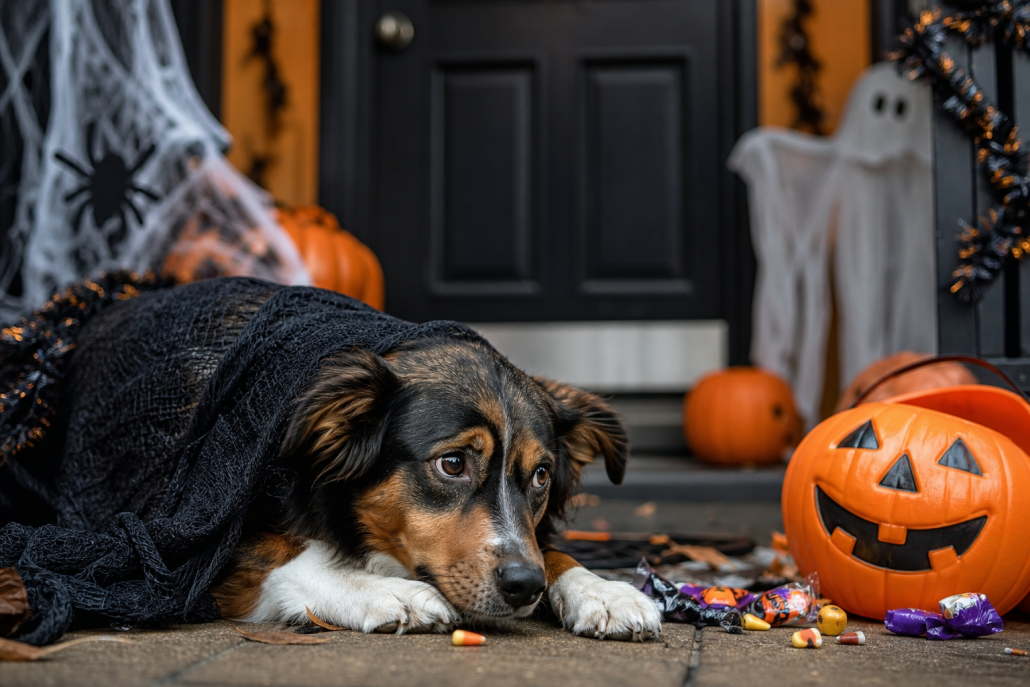
Halloween transforms daycare spaces into vibrant, festive environments, but the decorations, treats, and chaos that come with October activities pose real risks to your dog’s safety. While the holiday brings excitement for owners, it can trigger stress, anxiety, and dangerous situations for dogs who aren’t prepared. Understanding these hazards before your pup arrives at daycare on Halloween or during spooky season activities is crucial for keeping them safe and healthy.
Dogs experience the holiday differently than we do. They don’t understand costumes, decorations, or the influx of unfamiliar visitors and sounds. What looks festive to you might feel chaotic or threatening to your dog. This section breaks down the specific Halloween hazards you need to watch for when your dog attends daycare during October, so you can work with your facility to create a safer experience.
Toxic Halloween treats and candy dangers
Halloween means candy bowls, chocolate decorations, and sugary treats everywhere. Dogs find these irresistible, and even small amounts can cause serious health problems. Chocolate is toxic to dogs, with darker varieties being the most dangerous. A 50-pound dog eating just 2 ounces of dark chocolate can experience vomiting, diarrhea, rapid heart rate, and tremors.
But chocolate isn’t the only concern. Xylitol, an artificial sweetener found in sugar-free candy, gum, and baked goods, is extremely toxic to dogs. Even tiny amounts can trigger severe hypoglycemia (dangerously low blood sugar) within 30 minutes.
Symptoms include weakness, seizures, and liver failure. This sweetener is particularly dangerous because pet owners often don’t realize their Halloween treats contain it.
Macadamia nuts, raisins, and grapes also pose serious risks. Candy wrappers themselves become hazards too, as dogs can choke on them or develop intestinal blockages. When you drop your dog at daycare during Halloween week, communicate clearly with staff about what treats will be present and ensure they’re stored securely out of reach. Ask your facility how they’re managing food safety during the holiday rush.
Costume-related risks and stress responses
Costumes might look adorable in photos, but they create physical and psychological stress for most dogs. A poorly fitting costume restricts movement, traps heat, and can cause overheating, especially if your dog is exercising in the daycare environment. Masks and face coverings can impair your dog’s vision and hearing, making them anxious and disoriented.
Dogs rely on seeing faces to recognize people and read social cues. When staff members wear costumes or masks, your dog may not recognize them, triggering fear or defensive behavior. This is especially important in group settings where behavioral changes can escalate quickly when they’re already stressed.
The costume experience itself can be traumatic. Dogs pulled into unfamiliar clothing may panic, struggle, or injure themselves trying to escape. Even dogs with solid dog training backgrounds become reactive when costumes are involved. Ask your daycare facility about their costume policy before Halloween. Many professional facilities recommend keeping dogs in normal clothing or avoiding costumes altogether during group activities.
Environmental hazards in decorated daycare spaces
Decorations transform daycare spaces into unfamiliar, potentially hazardous environments. Jack-o-lanterns with real candles pose burn and fire risks. Fake spider webs, hanging decorations, and props can strangle dogs or become choking hazards if chewed. Inflatable decorations might pop suddenly, startling sensitive dogs.
Low-hanging decorations tempt dogs to investigate and bite. String lights can cause electrical burns if chewed. Dark corners created by decorative curtains and props reduce visibility, increasing the risk of accidents during play. Wet leaves tracked indoors from outside become slipping hazards.
When visiting a doggie daycare during Halloween season, walk through the space with your dog beforehand if possible. Identify potential hazards and discuss them with staff. A responsible facility will have secured all decorations out of reach and removed anything that poses a genuine risk. Don’t compromise safety for aesthetics.
Noise sensitivity and firework reactions
Halloween festivities bring fireworks, parties, and unexpected loud noises that terrify dogs. Many dogs have noise sensitivities that escalate dramatically in chaotic group settings. Fireworks produce unpredictable explosions that trigger fear responses even in well-adjusted dogs. Some dogs panic so intensely they bolt, injure themselves, or refuse to eat for days afterward.
Group daycare can amplify noise anxiety. When one dog reacts fearfully, others pick up on that stress, creating a cascade of anxious responses. A dog that’s normally calm at home might become reactive in daycare during Halloween week due to the combination of decorations, unfamiliar sounds, and stressed playmates.
If your dog has noise sensitivity or anxiety, inform your daycare facility immediately. Ask about their protocol for managing stressed dogs during noisy periods. Some facilities offer quieter areas or shorter hours during peak Halloween activity times. Knowing these hazards exist and preparing accordingly keeps your dog safer and happier throughout the season.
Preparing Your Dog’s Daycare for Halloween Activities
Communicating Safety Expectations with Facility Staff
Before Halloween festivities kick into high gear, you’ll want to have a clear conversation with your dog’s daycare facility about how they’re handling seasonal activities. Most facilities that run doggy day camp programs understand the importance of safety, but specifics matter. Ask your daycare provider exactly what decorations will be present, which staff members will be interacting with your dog, and whether any costumes or themed props are in the mix.
Get concrete answers. Don’t settle for vague reassurances. You need to know: Will there be fake cobwebs that could tangle in collars? Are strobe lights planned for any activities? Will staff be wearing masks or costumes that might alter how your dog recognizes them? These details sound small, but they directly impact how your dog experiences the day.
Document your dog’s specific needs in writing. If your pup has had bad experiences with sudden noises, put that in an email to the facility manager. If certain visual elements trigger anxiety, make sure staff know it. This creates accountability and ensures continuity across all daycare staff members, not just the one who typically picks your dog up each morning.
Ask about their communication protocol during Halloween week. Will they send photo updates showing your dog’s comfort level? Can they call if your dog seems distressed? Knowing you’ll get real-time feedback gives you peace of mind and lets you make informed decisions about whether continued attendance that week is appropriate.
Selecting Appropriate Costumes and Accessories for Group Settings
Here’s the reality: costumes at dog daycare are very different from Halloween costumes at home. In a group setting, anything loose, dangly, or restrictive becomes a liability. A costume that seems cute in a photo might stress your dog or create tangling hazards when they’re playing with other dogs.
If your daycare does allow themed costumes, stick to fitted, minimal options. Think simple bandanas, lightweight collar decorations, or paw-print leg wraps that stay secure during active play. Avoid anything with buttons, bells, or decorative elements that could come loose and become choking hazards. Skip masks entirely, they obscure your dog’s vision and communication with other dogs.
Consider your individual dog’s temperament. Some dogs tolerate clothing without stress, while others find costumes deeply uncomfortable. If your dog already struggles with wearing harnesses or jackets, a Halloween costume isn’t going to go well in a daycare environment where they need to move freely and interact with peers. Comfort comes before cuteness every time.
Talk to staff about their costume requirements. Some facilities have strict no-costume policies specifically to avoid safety incidents. Others allow minimal accessories but prohibit full costumes. Whatever the rule is, follow it. The facility manager understands the risks better than anyone, and they’ve probably seen situations you haven’t.
Creating a Stress-Free Environment During Peak Decoration Periods
Daycares often get decorated starting in mid-October, which means your dog’s familiar environment suddenly looks different. Even minor changes can affect dogs who rely on environmental consistency. Those orange and black decorations, the pumpkins by the entrance, the hanging skeletons, they’re all novelties your dog needs to process.
Request that your facility keep decorations in designated areas away from play zones. This gives staff control over what your dog is exposed to and prevents startling encounters. Ask specifically about where decorations will be placed relative to water bowls, resting areas, and the main play space.
Some facilities scale back decorations during peak daycare hours and only ramp up the spooky aesthetic during evening hours when fewer dogs are present. That’s a reasonable compromise. Your dog gets to attend daycare safely while the facility still participates in seasonal fun.
Indoor lighting changes can be surprisingly stressful too. If the facility is using colored bulbs or dimmer switches, mention this concern to staff. Your dog’s ability to navigate safely and read other dogs’ body language depends on clear visibility. Well-lit spaces are always safer than moody, atmospheric ones.
Establishing Protocols for Dogs with Anxiety or Phobias
Dogs with pre-existing anxiety or specific phobias need extra attention during Halloween season. If your dog has a history of fear-based reactions, discuss this with daycare staff well before October even arrives. Create a written behavioral plan that outlines exactly what triggers your dog and what strategies work best.
Consider whether group dynamics assessment might reveal patterns in your dog’s behavior during peak stress periods. Staff observations during normal operations can inform how they should handle Halloween specifically.
Ask if your daycare can create a quieter, decoration-free space where anxious dogs can retreat if Halloween activities become overwhelming. Some facilities assign a staff member to check on sensitive dogs more frequently during this season. Others shorten daycare hours for anxious pups during peak Halloween week.
Get a clear agreement in writing about what the facility will do if your dog shows signs of distress. Will they contact you immediately? Will they remove your dog from the activity? Will they provide a calm, quiet space for recovery? These protocols protect your dog and give you actionable reassurance.
Managing Behavioral Changes During October
Recognizing signs of fear and overstimulation at daycare
October transforms most daycare environments. Suddenly there are cobwebs, jack-o’-lanterns, and staff in costumes moving through spaces your dog has known for months. For many dogs, this shift in their familiar environment triggers stress responses you might not immediately recognize.
The first signs of fear often appear subtle. Your dog might pace more than usual, refuse to eat treats they normally love, or seek out quiet corners rather than engaging with playmates. Some dogs display what trainers call “stress yawning” (excessive yawning unrelated to tiredness) or lip licking.
Their tail position changes too. Instead of that confident, natural carriage, you’ll see it tucked or held lower than normal.
Overstimulation looks different and escalates faster. Your pup might become hyperactive, jumping excessively at other dogs or staff members. Their bark changes pitch and frequency.
They struggle to settle, even during nap time. Some dogs develop what appears as sudden aggression, though it’s really their nervous system in overdrive. This is the critical moment when daycare staff need to step in and create space.
Pay attention to what your daycare provider reports. Ask specifically about behavioral changes during the transition into October activities. Has your dog’s energy level shifted?
Are they hesitant about certain areas where decorations now live? Do they respond differently to staff members wearing costumes? These conversations matter because what happens at daycare directly impacts your dog’s stress levels and recovery at home.
Maintaining consistent routines despite seasonal activities
Here’s what many pet owners miss: dogs crave predictability. They don’t actually care about Halloween. What they do care about is knowing their schedule stays solid. Even while your daycare incorporates seasonal activities and decorations, the fundamental routine should remain unchanged.
Work with your daycare team to identify which elements of the daily schedule absolutely must stay consistent. Morning drop-off time? Keep it the same. Meal times? Non-negotiable. Potty breaks? Lock in the timing. These anchors give your dog’s nervous system something reliable to hold onto while everything else shifts around them.
When you’re using dog day camp or similar facilities, communicate your dog’s specific routine preferences before the month begins. Does your pup need transition time between activities? Should they have guaranteed quiet periods? Some dogs thrive when they know exactly when playtime ends and structured activities begin, especially during months when the environment feels chaotic.
The consistency piece also applies to what happens at home. If your dog is attending daycare with seasonal Halloween activities, maintain their normal evening routine even more rigorously. Same dinner time, same walk schedule, same bedtime wind-down. Your home becomes the stability zone that balances the stimulation they’re experiencing elsewhere.
Addressing increased aggression or resource guarding around decorations
Resource guarding intensity can spike when a dog feels stressed or threatened by environmental changes. A pup that never showed concern about toys suddenly becomes territorial around specific items, especially if decorations look unfamiliar or move unexpectedly. A paper skeleton fluttering in the breeze? To your dog, that’s a potential threat to whatever resource they’re protecting.
This behavior usually intensifies during peak daycare hours when multiple dogs compete for attention and space. If your dog already has any history of resource guarding, October requires enhanced management strategies. Brief your daycare provider about specific triggers. Is it toys? Food-related items? Attention from staff? The more details they have, the better they can prevent incidents.
Some dogs redirect aggression when overstimulated, meaning they might snap at another dog when their real stress comes from environmental changes. This is why understanding the root cause matters. It’s not about the other dog. It’s about managing their overall stress load. Your daycare team needs this context to respond appropriately and keep all animals safe.
Working with trainers on desensitization strategies
If your dog shows significant stress responses during October activities, professional support makes a real difference. A trainer experienced in distraction dog training or similar behavioral work can build specific protocols tailored to your dog’s fears.
Desensitization works by gradually introducing the things that trigger stress in controlled, positive ways. A trainer might start with Halloween decorations at a distance, pairing them with high-value rewards. Over time, your dog learns that these changes signal good things, not danger. This work done proactively in September can dramatically change how your dog responds to the daycare environment once October arrives.
Coordinate between your trainer and daycare facility. They need to communicate about what protocols are working and which ones need adjustment. Consistency across environments accelerates progress. The stress management strategies your trainer teaches should translate into how daycare staff handle your dog during this seasonal shift.
Health Monitoring and Preventative Care
Vaccination and parasite prevention before social gatherings
Before your dog steps into the daycare facility for Halloween festivities, vaccination status should be your first checkpoint. October’s increased social activity at daycare means higher exposure risk to contagious illnesses like kennel cough, canine influenza, and other respiratory viruses that spread rapidly in group settings. Your veterinarian can confirm that core vaccines (DHPP and rabies) are current and that any facility-required boosters are up to date.
Parasite prevention deserves equal attention during peak daycare season. Fleas, ticks, and intestinal parasites thrive in cooler fall weather and transmit easily between dogs in close quarters. A robust preventative protocol includes monthly flea and tick medications, heartworm prevention, and a recent fecal exam to rule out intestinal parasites. Many facilities require proof of current parasite prevention before dogs can attend group activities, so don’t wait until Halloween week to schedule this with your vet.
Beyond the basics, discuss with your veterinarian whether your specific dog benefits from additional protection. Senior dogs, puppies, or those with compromised immune systems may require extra considerations. Ask about the prevalence of specific illnesses in your local area during fall months (your vet tracks this data) and whether additional vaccines like bordetella or canine influenza make sense for your dog’s risk profile at daycare.
Monitoring for illness during high-traffic daycare periods
October transforms daycare environments into bustling social hubs. Your dog experiences more playtime, more interactions, and more exposure to pathogens. This is the exact window where you need to become a vigilant health observer. Start tracking your dog’s baseline behaviors: normal energy levels, appetite patterns, elimination frequency, and typical play intensity.
Red flags during high-traffic periods include lethargy that persists beyond normal post-play tiredness, loss of appetite or pickiness at meals, coughing or sneezing, nasal discharge, diarrhea, vomiting, or reluctance to engage with other dogs. Even subtle changes warrant a call to your vet. The staff managing managing multiple dogs during peak seasons can miss early illness signs simply due to the volume of animals they’re supervising.
Create a simple health log for daycare days. Note your dog’s demeanor before drop-off and what the staff reports upon pickup. Did your dog eat treats offered? Did energy levels match previous visits? This documentation becomes invaluable if illness develops, helping your vet establish a timeline and pattern.
Dietary restrictions and safe treat alternatives
Halloween festivities at daycare often involve treats, and this is where many owners overlook genuine health risks. Chocolate (especially baker’s chocolate and dark chocolate), raisins, grapes, xylitol-containing products, and macadamia nuts are toxic to dogs. If your facility offers Halloween-themed treats during celebrations, confirm that all items are dog-safe before allowing your pup to participate.
Work with your daycare provider ahead of time to establish approved treat alternatives. Safe options include carrots, green beans, plain pumpkin puree (a seasonal favorite), plain popcorn without butter or seasoning, and commercially formulated dog treats. Bring your own safe treats if you’re concerned about what’s being offered. Some facilities appreciate this proactive approach.
Consider any pre-existing dietary sensitivities your dog has. If your dog has a sensitive stomach or food allergies, inform daycare staff immediately and provide written documentation. High-stress environments combined with unfamiliar treats can trigger digestive upset that might not resolve quickly. Sticking to routine foods during peak daycare activity supports digestive stability and overall wellness.
Documenting any health concerns with daycare providers
Communication between you and daycare staff creates the safety net for your dog’s health during October’s busy season. Before Halloween activities ramp up, submit a written health summary to your dog’s primary daycare contact. Include vaccination dates, current medications or supplements, known allergies (food and environmental), previous illness history, and behavioral signs that indicate stress or discomfort in your dog.
Request that staff document and report any concerning observations: behavioral changes, reluctance to eat, excessive thirst, bathroom anomalies, or injury. A simple daily report mentioning your dog’s appetite, energy, and social engagement gives you the data you need to catch problems early. Ask specifically about how your facility handles health concerns during operating hours and what their protocol is if a dog shows signs of illness.
Keep copies of recent vet records accessible and share them with your daycare facility. Include vaccination records, parasite prevention history, and any medical conditions. If your dog requires training adjustments, programs like transitioning dogs benefit from comprehensive health information that your facility can reference during behavioral monitoring.
Communication with Your Daycare Facility
Reviewing facility Halloween policies in advance
Before your dog steps paw into daycare during Halloween season, sit down with your facility’s staff and ask the hard questions. What exactly does their Halloween plan look like? Are costumes allowed?
Will there be decorations, music, or activities that differ from normal operations? Understanding these details upfront prevents surprises and lets you make an informed decision about whether the timing works for your dog.
Most reputable daycare facilities have written policies for seasonal events. Request a copy and read it thoroughly. Look for specifics around costume restrictions, noise levels, and activity modifications.
Some facilities dim lights during costume dress-up days to reduce overstimulation, while others keep things low-key entirely. Your dog’s comfort should never be compromised for the sake of holiday festivities.
Ask whether Halloween activities are optional or mandatory. The best facilities understand that not every dog thrives in festive environments and allow owners to opt out of special events while still maintaining regular daycare services. If your dog has anxiety or sensory sensitivities, this flexibility is non-negotiable. Don’t feel pressured to participate just because the activity is happening.
Providing detailed behavioral and medical information
Communication starts with transparency. Share a complete picture of your dog’s behavioral history, medical conditions, and specific triggers. If your dog has shown fear reactions to costumes, loud noises, or sudden changes in routine, mention it explicitly. Don’t assume staff will remember conversations from months ago. Put it in writing.
Submit an updated medical form covering any seasonal concerns. Include information about anxiety medications, dietary restrictions, and any recent behavioral changes you’ve noticed. If your dog is on a new medication or supplement regimen, make sure daycare staff knows the exact timing and purpose. This documentation becomes critical if something unexpected happens during Halloween activities.
Be specific about what triggers your individual dog. Some dogs react to the smell of pumpkins or artificial peppermint scents used in Halloween decorations. Others struggle with costume-wearing dogs approaching them. Providing examples helps staff anticipate potential issues and separate your dog from high-stress situations if needed. Staff can’t protect what they don’t know about.
If your dog is currently working through behavioral challenges, mention any ongoing training progress. Daycare staff should understand whether your dog is learning impulse control or working through socialization issues. This context helps them set appropriate expectations and prevents them from inadvertently reinforcing unwanted behaviors during Halloween chaos.
Establishing emergency contact protocols
Before Halloween week arrives, confirm that your emergency contact information is current and accessible. Your cell phone number should be the primary contact, followed by a backup person who can respond quickly if something goes wrong. During busy holiday periods, facilities need to reach you immediately if your dog shows signs of stress or injury.
Discuss specific scenarios with your daycare provider. What happens if your dog panics during a costume event? Who makes the decision to remove your dog from the activity? Can they call you for approval, or are they authorized to make judgment calls in real time? Establishing clear decision-making authority prevents delays if your dog needs intervention.
Provide a list of approved veterinarians and emergency clinics you’d authorize for immediate care. While most daycare incidents resolve with simple intervention, having pre-approved medical contacts streamlines response time if something serious occurs. Make sure staff has these numbers readily available, not buried in paperwork.
Confirm the facility’s communication protocol for non-emergency incidents. Will they call you immediately if your dog appears anxious, or will they wait until pickup? During Halloween activities with increased stimulation, you might want real-time updates rather than end-of-day summaries. Set these expectations beforehand.
Post-activity feedback and incident reporting
After Halloween activities conclude, request detailed feedback from daycare staff about how your dog responded. Did your dog seem anxious? Excited? Withdrawn? Which specific elements caused reactions? This information guides future decisions about seasonal participation and reveals patterns you might not observe at home.
Ask staff to document any behavioral changes, even minor ones. A dog who normally greets friends enthusiastically but hung back during a costumed playgroup session showed something valuable. These observations help you understand your dog’s comfort thresholds and inform conversations with trainers about distraction dog training strategies if needed.
If any incidents occur, request written incident reports within 24 hours. Document the exact time, what triggered it, how staff responded, and your dog’s recovery. This record becomes important if patterns emerge or if you need to make adjustments for next year.
Use feedback conversations to refine your approach. If your dog thrived during Halloween activities, you’ll feel confident repeating the experience. If your dog showed significant stress, you now have concrete data to make different choices going forward. Strong communication transforms holiday planning from guesswork into strategic, dog-centered decision-making.
Planning Safe Halloween Activities and Socialization
Choosing dog-friendly Halloween events over traditional celebrations
Halloween celebrations can feel overwhelming for dogs, especially when exposed to loud crowds, chaotic environments, and unfamiliar decorations all at once. The trick here is selecting events specifically designed with canine comfort in mind. Dog-friendly Halloween parties, pumpkin patches that welcome leashed pets, and outdoor festivals with designated dog zones offer controlled settings where your pup can enjoy the festivities without constant sensory overload.
Daycare facilities that host Halloween activities should prioritize outdoor spaces or well-ventilated indoor areas with reasonable noise levels. Unlike traditional trick-or-treating routes packed with costumed strangers, dog-friendly alternatives keep the environment predictable. Your daycare provider can set expectations around group sizes, movement patterns, and what decorations will actually be present. This transparency lets you make an informed decision about whether the activity matches your individual dog’s temperament and anxiety levels.
Balancing socialization with stress management
Socialization remains crucial year-round, but Halloween introduces unique variables that can either reinforce positive social experiences or create lasting anxiety. The key is knowing your dog’s baseline comfort level and not pushing beyond it just because an event sounds fun. A dog who thrives in group settings might genuinely enjoy a small, structured daycare Halloween gathering. Meanwhile, a dog prone to stress may need a quieter alternative during this month entirely.
Quality matters far more than quantity when it comes to Halloween socialization. One calm, positive interaction with a few other dogs in a controlled setting delivers better long-term benefits than forcing your pup through a chaotic event. Daycare centers that understand this principle will offer tiered participation options, allowing some dogs to engage fully while others observe from quieter spaces or participate in modified activities. Programs using basic obedience training principles build the foundation for dogs to respond reliably even when distractions mount, which genuinely helps during busy holiday periods.
Supervised trick-or-treating alternatives for daycare groups
Traditional trick-or-treating with dogs presents multiple hazards: unvetted treats, unpredictable homeowners, and extended exposure to unpredictable stimuli. Supervised daycare alternatives create safer versions of this beloved tradition. Some facilities organize “treat trails” where staff control every station, verify that all rewards are dog-safe, and maintain manageable group sizes moving through the space.
Another effective model involves indoor scent-work activities that capture the fun exploration element of trick-or-treating without the real-world risks. Dogs search for hidden toys or treats throughout the daycare facility, engaging their natural foraging instincts while staying in a secure environment. This approach delivers mental enrichment, maintains group engagement, and eliminates concerns about contaminated or toxic foods ending up in your dog’s mouth.
The best daycare facilities communicate exactly what their “trick-or-treating alternative” entails before the day arrives. You should know the route, the treat sources, the group composition, and contingency plans if your dog becomes stressed mid-activity.
Creating enrichment activities that avoid common pitfalls
Halloween-themed enrichment doesn’t require actual Halloween props or decorations to be effective. Puzzle toys, scent work stations, and interactive games deliver mental stimulation without the safety risks associated with seasonal decorations. Pumpkins used as training platforms, leaves creating novel surfaces for exploration, and autumn-scented toys can all capture the seasonal feeling while remaining completely safe.
Avoid enrichment activities involving costumes unless your specific dog has prior positive exposure to wearing clothing. Masks and face coverings particularly trigger anxiety in many dogs, as they obscure human facial expressions that dogs rely on for communication cues. Instead, focus enrichment efforts on activities your dog genuinely enjoys, whether that’s water-based play through dog swimming lessons, puzzle solving, or group games with familiar playmates.
The month of October offers the perfect opportunity to invest in your dog’s development and confidence through intentional, thoughtful planning. By working with your daycare provider to choose activities that prioritize safety over spectacle, you’re building positive associations with social experiences that last well beyond Halloween. Reach out to your facility today to discuss their specific Halloween plans and how your dog can participate in ways that feel comfortable and enriching. Your proactive communication and planning now ensures October becomes a celebration of your dog’s wellbeing, not a source of unnecessary stress.