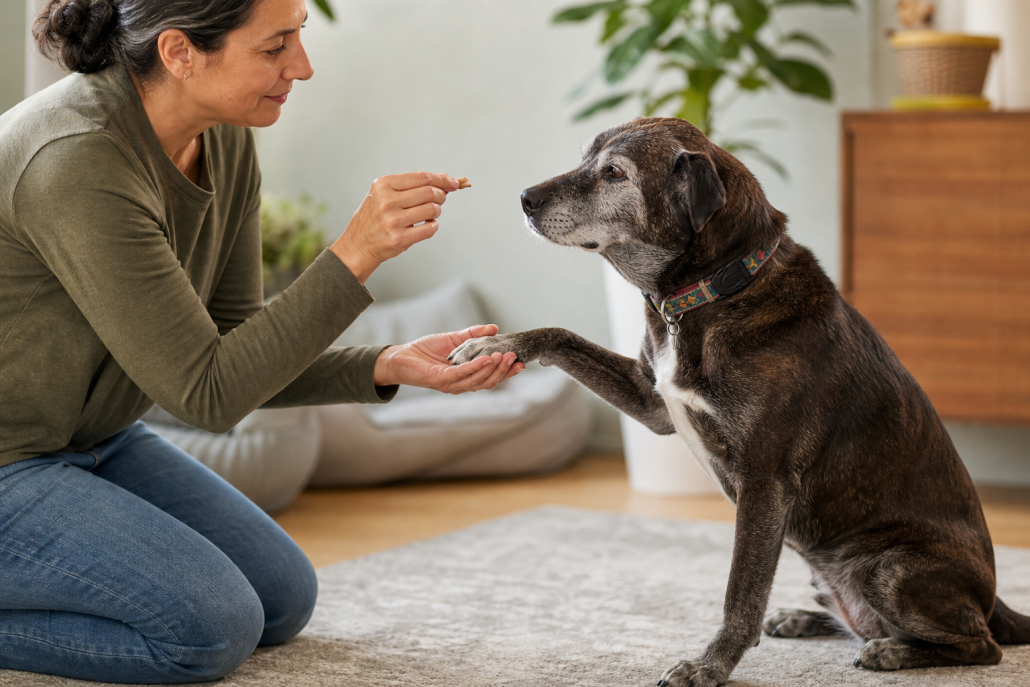
Using High-Value Rewards to Motivate Senior Dogs in Professional Training
Understanding the Aging Senior Dog
Physical changes that affect training responsiveness
Your senior dog isn’t being stubborn when they move slower through a training session. They’re dealing with real physiological shifts that fundamentally change how their body responds to commands and movement. Arthritis, reduced muscle tone, and decreased flexibility become the new normal for most dogs over age seven, and trainers who ignore these changes are setting up both dog and owner for frustration.
Aging joints lose cartilage protection. This means a dog that once sprang eagerly into a sit now feels genuine discomfort executing that same movement. Muscle atrophy accelerates in senior years, stripping away the strength that made athletic obedience feel effortless. Vision and hearing typically decline too, forcing older dogs to rely more heavily on their other senses to interpret what you’re asking of them.
The impact on training responsiveness is immediate and measurable. A senior dog may take three to five seconds to process and execute a command that they once completed instantly. Their range of motion shrinks. They tire faster. Their confidence wanes when their body betrays them mid-exercise. This is exactly why physical limitations rather than the same high-energy methods that worked during their prime.
Professional trainers working with senior dogs need to adjust expectations completely. A ten-minute session becomes more valuable than a thirty-minute marathon. Low-impact positioning (like training sits against a wall rather than in open space) protects joints while maintaining cognitive engagement. This isn’t lowering standards; it’s matching methodology to biology.
Cognitive decline and how it impacts learning capacity
Memory isn’t what it used to be. Senior dogs sometimes forget commands they’ve known for years, not because of disobedience but because canine cognitive dysfunction is a real condition affecting their brains. Research shows that dogs experiencing cognitive decline process information more slowly, struggle with impulse control, and lose focus faster than younger dogs.
The learning window compresses significantly. Where a younger dog might absorb a new skill through five or six repetitions, a senior dog may need twelve to fifteen. They need more time between repetitions to consolidate memories. Their ability to distinguish between similar commands deteriorates. And their attention span shrinks, meaning marathon training sessions backfire spectacularly.
Understanding how senior dogs learn differently is foundational to effective training. Cognitive changes to account for these neurological realities. Dogs may also experience increased anxiety as their cognitive function declines, making consistency and calm reinforcement absolutely critical.
The frustration factor cuts both ways. Owners get discouraged when their once-obedient companion seems to regress. Dogs pick up on that frustration and shut down further. It’s a downward spiral unless trainers reframe what senior dog training actually looks like. Success looks different. Progress moves slower. But it absolutely still happens with the right approach.
Health considerations before introducing new rewards
Before you start using high-value rewards to motivate your aging dog, you need baseline health information. Dental disease, kidney problems, dietary restrictions, and food sensitivities become increasingly common in senior dogs. A treat that works beautifully for a five-year-old could trigger vomiting in a thirteen-year-old with compromised digestion.
Most senior dogs have some degree of dental deterioration. This affects which textures they can actually consume. Soft, easy-to-chew rewards become necessary rather than optional. Hard biscuits might physically hurt their mouth. Sticky treats could lodge between remaining teeth.
You’ll need recent bloodwork and veterinary clearance before introducing new dietary elements into training. Kidney disease is common in senior dogs and restricts protein and sodium intake. Diabetes requires careful treat selection.
Food allergies and sensitivities often develop in older age. A vet conversation isn’t optional here (it’s essential) to understand your specific dog’s nutritional boundaries.
Weight management also matters more than ever. Senior dogs have slower metabolisms and reduced activity levels. Extra calories from training treats accumulate fast and exacerbate joint problems.
This constraint actually forces trainers to get creative with non-food rewards, which often turns out to be more motivating anyway. A ten-second play session or verbal praise might outperform a treat for your particular senior dog once you know their preferences.
Identifying High-Value Rewards for Older Dogs
Beyond treats: Non-food motivators that work for seniors
Here’s the thing about older dogs: they’re not always driven by the same food motivation that works on younger pups. That doesn’t mean rewards stop working. It just means you need to get creative.
Physical affection ranks high on the senior dog motivation scale. A good ear scratch, a chest rub, or gentle praise can be just as rewarding as a treat for many aging dogs. Pay attention to what your dog enjoys most. Some seniors light up at the sound of your voice. Others prefer quiet, consistent touch. The key is watching their body language to understand what genuinely excites them.
Playtime, even in modified forms, matters too. A soft tug toy, a gentle game of fetch, or even just interactive play with a ball can motivate older dogs tremendously. You’re not looking for high-energy chaos here. Instead, think low-impact activities that engage their mind without taxing their joints. A five-minute play session following a successful training response can be incredibly rewarding.
Environmental rewards deserve mention as well. Access to a favorite resting spot, a comfortable bed in a sunny window, or even outdoor exploration opportunities can serve as powerful motivators. Some seniors get excited about sniffing time in the yard more than anything else. That’s valuable information for structuring effective training sessions.
Assessing individual preferences and past behavior patterns
Every dog has a history. Understanding your senior’s past helps you unlock what truly motivates them right now.
Start by reviewing what worked before. Did your dog chase tennis balls obsessively in their younger years? Did they go crazy for specific treats? Were they clingy and affectionate? These patterns don’t disappear completely. They evolve and sometimes shift priorities, but they give you a foundation to work from.
Watch your dog during everyday moments. What makes them stand up and pay attention? When do their ears perk? What activities does he or she voluntarily engage in most? If your senior dog always gravitates toward the couch with you, companionship might be the strongest motivator. If they’re still interested in the yard, outdoor access could be your secret weapon.
Consider working with a professional trainer who specializes in dog training for senior canines. They can observe patterns you might miss and help identify which rewards will genuinely drive engagement. This expertise becomes especially valuable when you’re working through behavioral challenges or new skill development.
Document what works. Keep notes on which rewards consistently earn the best responses. Did your dog nail sit commands better after playtime rewards than food treats? Did they show more enthusiasm following praise and touch? This data guides your training approach moving forward.
Balancing nutrition and safety with reward-based training
Using high-value rewards doesn’t mean abandoning nutrition principles. In fact, responsible reward selection protects your senior dog’s health during training.
Older dogs have different digestive needs than younger counterparts. Rich, high-fat treats can upset their stomachs or contribute to weight issues that stress aging joints. If you’re using food rewards, opt for low-calorie options that won’t compromise their daily nutrition plan. Small, soft treats work better for seniors than crunchy kibble anyway.
Track treat calories carefully. A senior dog doing obedience training might earn five to ten small reward pieces in a session. That adds up quickly. Adjust their regular meal portions to account for training treats. You’re not adding extra calories to their daily intake. You’re redistributing them strategically throughout the training process.
Avoid toxic foods entirely, of course. That seems obvious, but in the rush of training sessions, accidents happen. Chocolate, grapes, xylitol-containing products, and onions are absolute no-gos. Stick with dog-safe options like plain chicken, apple slices, or carrots. Your senior’s health depends on this discipline.
Adapting reward types based on dental health and digestion
Dental issues become increasingly common in older dogs. A reward that works for a 3-year-old might be impossible for a 12-year-old with missing teeth or gum sensitivity.
Assess your dog’s mouth before training sessions. Can they chew easily? Do they have missing teeth? Are their gums sensitive? If chewing is difficult, soft rewards are non-negotiable. Freeze-dried meat treats, soft cheese, or pumpkin puree work beautifully for dogs with dental challenges. Hard biscuits, rawhide, and crunchy kibble pieces only create frustration.
Digestion changes with age. Some senior dogs develop sensitivities to foods they tolerated fine previously. If your dog has a sensitive stomach, stick with bland, easily digestible reward options. Plain boiled chicken, plain sweet potato, or rice work well. These reward your dog without triggering digestive upset.
Introduce new reward foods gradually. Even treats deemed “safe” can cause problems if introduced too quickly. Start small and observe how your dog responds over several days. If you notice loose stools, vomiting, or excessive gas, eliminate that reward type immediately.
Remember that motivation isn’t one-size-fits-all. Your senior dog’s reward preferences might surprise you. Stay flexible, stay observant, and adjust as needed. The rewards that truly captivate your aging companion are the ones that make training sessions feel like genuine fun rather than obligatory work.
Structuring Training Sessions for Maximum Engagement
Shorter sessions that prevent fatigue and frustration
Senior dogs tire faster than their younger counterparts, and that’s not a limitation you should fight against. It’s the reality you need to work with. Training sessions lasting 15 to 20 minutes are typically the sweet spot for older dogs, especially those dealing with arthritis, hearing loss, or cognitive changes. This shorter window keeps their mind sharp and their body from hitting that wall where frustration sets in.
Think of it this way: a 10-minute focused training block where your senior dog nails three repetitions of a command is infinitely more valuable than a 45-minute session where they check out mentally after the first 15 minutes. Quality beats quantity every single time. When you keep sessions brief, you’re also reducing the likelihood of overstimulation, which can trigger stubborn behavior or even anxiety in aging dogs.
Multiple shorter sessions throughout the day work better than one marathon effort. Spacing out training to two or three 15-minute blocks gives your dog’s nervous system time to process what they’ve learned between sessions. This spaced repetition aligns with how canine brains actually retain information, making each training interaction more effective than back-to-back repetitions would be.
Timing rewards to reinforce desired behaviors effectively
Timing is everything in reward-based training, but it becomes even more critical with senior dogs. Your high-value reward needs to arrive within two to three seconds of the desired behavior. This tight window helps your older dog make the connection between what they just did and the positive outcome. Delayed rewards create confusion, especially for dogs experiencing age-related cognitive decline.
Watch your dog’s body language closely during training. Understanding how canine behavior signals during training sessions helps you catch the exact moment they’ve completed the desired action. Some trainers use marker training, which involves a word like “yes” or a clicker to mark the precise moment of correct behavior, then immediately following with the reward. This approach bridges any slight timing gaps and keeps communication crystal clear.
The consistency of your timing matters too. If you sometimes reward immediately and sometimes wait, you’re sending mixed signals that confuse the learning process. Senior dogs benefit enormously from predictable patterns. They know what to expect, which builds confidence and encourages them to engage with the training process rather than withdraw from it.
Building confidence through incremental progress
Aging dogs often lose confidence due to physical limitations or past negative experiences. Your job is rebuilding that confidence piece by piece through incremental wins. Break down any skill into smaller, manageable steps that your senior dog can realistically achieve in a single session.
If you’re teaching leash training modifications for reduced mobility, don’t start with long walks. Start with standing still, then three steps, then five steps.
Each small success gets celebrated with that high-value reward and genuine enthusiasm from you. Your dog picks up on your energy, and genuine praise reinforces their willingness to participate. Over time, these small victories compound into genuine behavioral change and renewed confidence in their ability to learn and succeed.
Document your dog’s progress visually or in notes. Seeing tangible improvement over weeks helps you stay motivated during training and prevents discouragement when progress feels slow. Senior dog training isn’t a sprint. It’s methodical, intentional work that honors their age and current abilities while still pushing them toward meaningful goals.
Managing energy levels throughout the training day
Senior dogs have predictable energy patterns. Most are more alert in the morning and experience an afternoon dip. Schedule your training sessions during peak alertness windows, typically in the morning or early evening depending on your individual dog. Forcing training when your dog’s naturally tired wastes both your time and their reserves.
Watch for signs of fatigue like slowed response times, loss of interest in rewards, or increased yawning. These are signals to wrap up the session and let your dog rest. Pushing past these signals doesn’t build toughness, it builds resentment toward training itself, which directly undermines your long-term goals.
Balance training days with adequate recovery time. If you’re working with a professional using board & train programs or in home dog services, establish realistic schedules that prevent burnout. Your senior dog needs rest days where they engage in gentle play and relaxation rather than structured learning. This rhythm keeps motivation high when training resumes and respects the physical demands that training places on an aging body.
Common Training Challenges With Senior Dogs
Overcoming reduced motivation in previously trained dogs
One of the trickiest situations trainers face is working with a senior dog who was once reliably trained but now seems indifferent to commands. This isn’t stubbornness or defiance. It’s a genuine shift in how your older dog processes motivation and reward.
Older dogs often experience what’s called “motivational drift.” A command that once earned excited praise or a standard treat no longer feels worth the effort. Their energy reserves are lower, their body aches, and the payoff needs to feel proportional to the physical cost. This is where your selection of high-value rewards becomes critical.
The solution isn’t to drill harder or repeat commands more. Instead, you’re essentially negotiating the terms of engagement. If your senior dog previously responded to praise alone, that may no longer cut it. Introduce something tangible: a piece of chicken, salmon skin, or a special cheese that only appears during training. The novelty matters as much as the flavor.
Timing also shifts with age. A younger dog might stay motivated through a 30-minute session with periodic rewards. A senior dog needs rewards clustered more densely. Offer something valuable after just two or three successful repetitions instead of five or six. This keeps their interest high without depleting their physical reserves.
Addressing hearing and vision loss during command work
As dogs age, sensory decline becomes a real training obstacle. A dog with hearing loss won’t respond to verbal commands not because they’re ignoring you, but because they literally cannot process the sound. Vision decline means hand signals get lost too. This requires a fundamental shift in how you deliver commands.
Start by assessing what your dog can actually perceive. Move closer when giving commands. Use exaggerated hand signals. Some trainers report success with tactile cues: a gentle touch on the shoulder for “sit,” a light tap on the chest for “down.” Understanding how your specific dog’s senses are declining helps you adapt your approach.
Combining multiple sensory channels works better than relying on one. Pair a verbal command with a clear hand signal and perhaps a light touch. If your dog responds to any one of these cues, they’re still engaging with the training. The marker system (covered in depth when exploring the science behind) becomes even more valuable here because it bridges gaps when hearing fades.
Patience is non-negotiable. Your dog isn’t being difficult. They’re working harder to understand what you’re asking. Shorten distances, increase visual contrast, and give them extra processing time between cue and response.
Working through pain-related behavioral resistance
This is perhaps the most important challenge to recognize: senior dogs may resist commands because compliance causes pain. A dog with arthritis might balk at “sit” because their joints scream in protest. One with back issues won’t “down” if it triggers discomfort.
Before assuming a training regression, always rule out medical factors. Have your vet evaluate joint health, pain levels, and any conditions that might make standard training positions uncomfortable. This is where age-appropriate training techniques become essential reading.
Once you understand your dog’s physical limitations, adapt the training itself. Use cushioned surfaces. Modify positions: instead of a full “sit,” accept a partial sit or a slight crouch. Reward the modified version enthusiastically with high-value treats. Your dog learns they’re still succeeding, and their body isn’t punished for compliance.
Pain management through proper weight, supplements, and veterinary care also indirectly supports training success. A dog in less pain has more motivation to engage.
Rebuilding trust after gaps in training
Sometimes senior dogs haven’t received consistent training for months or years. Maybe illness interrupted sessions. Maybe life got busy. Now you’re restarting with an older dog who might not remember previous commands or the reward association clearly.
This requires genuine patience. You’re not continuing where you left off. You’re beginning anew, but now with an aged dog who tires more easily and needs clearer communication. Start with their most reliable command, whatever that is. Build momentum with consistent small wins rather than expecting them to remember everything.
High-value rewards are your foundation here. Make every single repetition feel worthwhile. Use something they rarely see outside training. This rebuilds the neural pathway that says: “When my handler asks, something genuinely good happens.”
Consistency matters more with senior dogs. One session per week won’t cut it. Three to four shorter sessions weekly creates better retention and faster progress. The brush up program structure works particularly well for dogs returning to structured training after extended breaks.
Professional Training Techniques for Lasting Results
Adapting classical conditioning methods for older learners
Classical conditioning remains one of the most powerful tools in professional dog training, especially when working with senior dogs. The principle is straightforward: pair a neutral stimulus with something the dog already finds rewarding, and eventually that neutral stimulus becomes rewarding on its own. For older dogs, this approach works beautifully because it taps into established neural pathways rather than demanding new ones be forged.
The key difference when training senior dogs is pacing. Younger dogs might need five or ten repetitions to form a strong association. Older dogs benefit from more frequent, shorter exposure periods spread across multiple days. Instead of cramming twenty trials into one session, space them out: three to five repetitions in the morning, another three to five in the afternoon. This distributed practice approach aligns with how aging brains consolidate memories more effectively.
Consider a common scenario in professional settings: teaching a senior dog to remain calm during grooming. You’d pair the sound of clippers (neutral stimulus) with high-value treats or gentle praise. With an older dog, introduce the clippers at very low volumes initially.
Let them hear the sound for two seconds, immediately reward. That’s one trial. Come back to it later in the day.
This methodical repetition builds confidence without overwhelming their sensory systems.
Timing matters tremendously here. The reward must follow the desired behavior or stimulus exposure within one to two seconds for the association to solidify. Delayed rewards confuse older dogs more readily than younger ones, so trainers need razor-sharp timing and consistency throughout the process.
Creating positive associations with training environments
Senior dogs often arrive at professional training facilities with histories that shape their emotional responses to new spaces. Some have had negative experiences at vets or boarding facilities. Others simply feel anxious in unfamiliar settings. Your job is to systematically rebuild their confidence and create genuine positive associations with the training environment itself.
Begin by allowing the dog to explore the space at their own pace before any formal training begins. Let them sniff around, investigate, become comfortable. Scatter high-value rewards throughout the area so they discover pleasant surprises during exploration. This pre-training phase shouldn’t feel like work. It’s relationship-building and environmental familiarization rolled into one.
During early sessions, keep the environment calm and predictable. Minimize distractions, control noise levels, and use soft lighting if possible. A senior dog’s visual acuity may be declining, so bright or harsh lighting creates unnecessary stress. Use understanding canine body to read whether they’re genuinely relaxed or still apprehensive. Soft ears, loose tail, and normal breathing indicate comfort. Stiffness, tucked tail, or rapid panting signal continued anxiety.
Always associate the training space with good things: treats appear here, play happens here, handlers are kind here. Never use the space for anything unpleasant. This creates an emotional anchor that makes future training sessions more productive because the dog arrives already in a receptive state.
Maintaining consistency across multiple handlers and settings
Professional training facilities typically involve multiple trainers and handlers. For senior dogs, this inconsistency can be destabilizing. Their cognitive flexibility isn’t what it once was, and switching between different people with different approaches creates confusion that undermines learning.
Establish a single training protocol that all handlers follow precisely. This includes the command words, hand signals, reward sequences, and session structure. Document these protocols in writing. Every trainer should use identical timing, identical markers (like “yes” or a clicker), and identical reward delivery methods. When a senior dog works with Handler A one day and Handler B the next, the experience should feel nearly identical.
Gradually expose senior dogs to new handlers only after they’ve mastered skills with their primary trainer. This staged approach prevents regression. The dog’s confidence transfers more readily if foundational learning is rock-solid before introducing variables.
Cross-setting consistency matters equally. If a dog learns to sit reliably in the training room, that behavior should transfer to outdoor spaces, homes, and car environments. This requires intentional generalization: practice the same behavior in progressively different settings once the dog demonstrates competence in the original location. Professional calculating the true includes measuring this real-world transfer, not just facility performance.
Measuring progress beyond traditional obedience benchmarks
Traditional obedience metrics like “sit in 2.5 seconds” don’t capture meaningful progress for senior dogs. A more appropriate measure might be “sits reliably when handler is 10 feet away” or “maintains a down-stay for 30 seconds despite minor distractions.” Focus on what matters functionally for the individual dog.
Track improvements in confidence, anxiety reduction, and behavioral stability. Did the dog enter the facility reluctant and now greet you enthusiastically? That’s genuine progress. Is their focus sharper during sessions? Are they initiating interaction with handlers? These qualitative changes often matter more than quantitative obedience scores.
Document video recordings across weeks to show subtle progress that daily observation might miss. Comparing week-one footage to week-four footage reveals posture improvements, increased responsiveness, and enhanced engagement that numeric scoring systems overlook. This visual evidence resonates powerfully with owners investing in senior dog training services.
Integrating Senior Dog Training Into Your Facility
Designing training spaces that accommodate mobility limitations
Your training facility layout directly impacts how effectively senior dogs learn and retain new behaviors. Unlike younger dogs who bounce around with endless energy, older dogs need thoughtfully designed environments that reduce physical strain while maintaining engagement. This means evaluating every square foot of your training space through the lens of accessibility.
Start with flooring. Slippery surfaces like polished concrete or tile create anxiety for arthritic dogs, making them hesitant to move confidently during sessions. Consider installing non-slip matting in training areas, or use carpeted zones where dogs feel secure placing their weight.
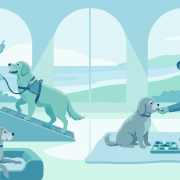
Ramps or gentle inclines beat sharp corners and stairs, especially when working with dogs recovering from joint issues. Even a small 12-inch ramp accessing an elevated platform eliminates the jarring impact of jumping down.
Climate control matters more than you might think. Senior dogs struggle with temperature regulation, so maintain consistent, cool environments during training (around 68-72 degrees Fahrenheit works well). Overheating exhausts them quickly, cutting training windows short. Provide shaded rest areas with comfortable bedding where dogs can recover between exercises without pressure to continue.
Space management is critical too. Cramped training rooms force older dogs to navigate tight quarters, which strains joints and creates unnecessary frustration. Open layouts with clear sightlines allow handlers to work at a slower pace without rushing. Position high-value reward stations at accessible heights so handlers don’t require excessive bending, which keeps focus on the dog rather than the trainer’s mechanics.
Staff training on age-appropriate handling and patience
Your team’s understanding of senior dog physiology directly determines training success. Even your most experienced trainers need specialized guidance on age-appropriate handling techniques that differ fundamentally from work with younger dogs. This isn’t just about being gentle, it’s about understanding the physical reality senior dogs face.
Every staff member should understand common mobility issues in aging dogs: arthritis progression, reduced proprioception (body awareness), decreased flexibility, and pain responses that might not be obvious. A dog limping slightly isn’t being stubborn during leash training, they’re communicating discomfort. Handlers need to recognize this distinction immediately and adjust session intensity accordingly.
Implement mandatory handling workshops focused on geriatric canines. Cover topics like proper body support when assisting dogs up or down inclines, recognizing pain signals before they escalate into fear responses, and maintaining psychological patience when a senior takes longer to process commands. Some trainers unconsciously increase pressure when dogs respond slowly, which backfires spectacularly with older learners who need extra processing time.
Rotation matters. Don’t assign the same handler to every senior dog session. Cross-training your staff means clients benefit from fresh perspectives, and handlers avoid developing bad habits or frustration patterns. When using optimizing senior dog, consistency doesn’t mean monotony, it means reliability paired with variety.
Setting realistic expectations for owners of senior dogs
Owners arrive with assumptions shaped by working with younger dogs. They expect rapid behavior changes, dramatic improvements, and quick wins. Managing these expectations upfront prevents disappointment and keeps training relationships strong.
Have candid conversations about training timelines during initial consultations. A senior dog might need eight weeks to solidify a behavior that took a younger dog three weeks. This isn’t failure, it’s biology. Aging brains process information differently, muscle memory takes longer to establish, and motivation fluctuates based on energy levels and pain levels.
Discuss realistic behavioral goals. If you’re working with an older dog showing anxiety or cognitive decline, the target isn’t perfection, it’s manageable improvement and quality of life enhancement. Teaching a nine-year-old to wait calmly instead of lunging at the door is legitimate progress worth celebrating.
Be transparent about physical limitations. Some senior dogs simply cannot perform behaviors requiring explosive movement or sustained jumping. Substituting alternative commands that achieve the same practical outcome (calm greeting behavior instead of sitting on command) shows sophisticated training adaptation rather than compromise.
Documentation strategies to track individual reward preferences
High-value rewards work only when they’re tracked systematically across sessions. Without documentation, handlers guess, and guessing wastes training time with senior dogs who have limited stamina for trial-and-error approaches.
Create individual dog profiles logging reward responses, energy patterns, and session outcomes. Note which treats generated the strongest response, what time of day the dog performed best, and which handlers achieved the best engagement. This data becomes invaluable when different trainers work the same dog across different days.
Track reward fatigue carefully. A treat that sparked enthusiasm week one might lose its appeal by week four. Document when rewards need rotation or increase in value to maintain motivation. Senior dogs especially benefit from novelty management, so seasonal reward changes or introducing new high-value items keeps sessions fresh.
Update profiles after every session. Note behavioral changes, physical limitations that emerged, and reward effectiveness. When owners return for follow-up training, you’re not starting fresh, you’re building on documented progress. This systematic approach transforms senior dog training from guesswork into professional practice that honors both the dog’s individual needs and your facility’s commitment to excellence.