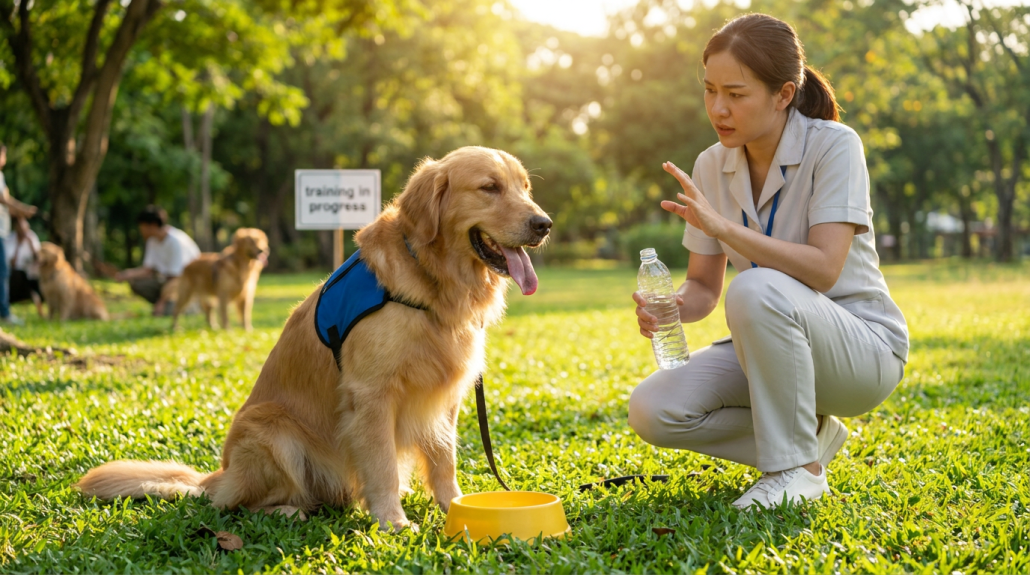
Heat Exhaustion Prevention During June Outdoor Training Sessions
Recognizing the Warning Signs of Overheating in Dogs
Picture this: You’re halfway through an outdoor training session when your usually energetic Golden Retriever suddenly stops responding to commands and starts panting heavily. What seemed like a perfect June morning has quickly turned dangerous. Heat exhaustion in dogs during outdoor training isn’t just uncomfortable—it can be life-threatening, and recognizing the warning signs could save your furry companion’s life.
Unlike humans, dogs can’t effectively regulate their body temperature through sweating. They rely primarily on panting and limited heat release through their paw pads, making them particularly vulnerable during summer training sessions. Understanding these warning signs isn’t optional for responsible trainers—it’s essential.
Early Indicators Every Trainer Should Monitor
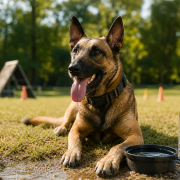
The first signs of overheating often appear subtle but progress rapidly. Excessive panting is typically the earliest warning sign, especially when it seems disproportionate to the activity level. Normal panting after exercise should subside within a few minutes of rest, but heat-related panting persists and becomes increasingly labored.
Watch for changes in drooling patterns. While some breeds naturally drool more than others, thick, ropey saliva or excessive drooling in breeds that don’t typically drool indicates rising body temperature. The saliva may become sticky or foamy as dehydration sets in.
Restlessness during breaks is another early indicator. Dogs experiencing heat stress often pace, seek shade repeatedly, or appear unable to settle down. They might also start digging in dirt or concrete, instinctively trying to find cooler surfaces. Pay attention to dogs that suddenly become less responsive to basic training commands they normally execute flawlessly—heat stress affects cognitive function before physical collapse occurs.
Physical Symptoms That Demand Immediate Action
When early warning signs go unheeded, dogs progress to more serious physical symptoms requiring immediate intervention. Bright red or purple gums and tongue signal dangerous overheating. Normal gum color should be pink; any deviation toward deep red indicates the cardiovascular system is struggling to cool the body.
Vomiting or diarrhea during or immediately after training sessions often indicates heat exhaustion rather than dietary issues. The digestive system shuts down as blood flow redirects to vital organs. Similarly, dogs may become wobbly or unsteady on their feet as coordination deteriorates.
Temperature regulation becomes visibly compromised when dogs start seeking cool surfaces obsessively. They might lie flat against concrete, press their bellies to the ground, or refuse to move from shaded areas. Some dogs exhibit rapid, shallow breathing that doesn’t provide adequate cooling, creating a dangerous cycle where respiratory distress worsens overheating.
Decreased urination or dark yellow urine indicates significant dehydration. During normal training sessions, dogs should urinate regularly with pale yellow color. Monitor this especially during longer sessions where structured training programs extend beyond typical timeframes.
Behavioral Changes That Signal Distress
Heat exhaustion creates distinct behavioral patterns that differ from normal exercise fatigue. Dogs experiencing heat distress often become anxious or agitated, unable to focus on training despite usually excellent attention spans. They may whine, bark excessively, or exhibit other stress vocalizations uncommon during their regular training routine.
Withdrawal from activities they typically enjoy is a significant red flag. High-drive dogs that suddenly lose interest in their favorite games or training exercises are likely experiencing discomfort beyond normal tiredness. This is particularly concerning in working breeds bred for endurance and enthusiasm.
Some dogs become clingy, following their trainer constantly and seeking attention, while others may hide or try to escape the training area. Both responses indicate the dog recognizes something is wrong but can’t communicate it effectively. Watch for dogs that start refusing treats or rewards—appetite loss during training often signals heat-related stress rather than simple satiation.
Breed-Specific Risk Factors to Consider
Brachycephalic breeds like Bulldogs, Pugs, and French Bulldogs face exponentially higher risks due to their compressed airways. Their shortened nasal passages and elongated soft palates make efficient panting nearly impossible. These breeds require modified training schedules and constant monitoring, even in moderate temperatures.
Double-coated breeds such as German Shepherds, Golden Retrievers, and Huskies trap heat close to their bodies. While their coats provide insulation against cold, they become liability during summer months. These dogs need longer cooling periods between dog training exercises and access to water for cooling their undersides.
Large breeds carry additional risks because their body mass generates more heat relative to their surface area. Great Danes, Mastiffs, and other giant breeds struggle to dissipate heat efficiently. Senior dogs and puppies also regulate temperature poorly—seniors due to decreased circulation and puppies because their temperature regulation systems aren’t fully developed.
Dark-colored dogs absorb more heat from direct sunlight, while overweight dogs carry extra insulation that impedes cooling. Understanding these individual risk factors allows trainers to customize safety protocols rather than applying one-size-fits-all approaches to summer training sessions.
Pre-Training Environmental Assessment and Planning
Temperature and Humidity Guidelines for Safe Training
Understanding the heat index becomes crucial when planning outdoor training sessions during June’s peak temperatures. When air temperature reaches 80°F with humidity above 50%, dogs face increased risk of heat stress. The combination creates a dangerous environment where normal panting becomes ineffective.
Professional trainers should use the 80-80 rule: when temperature plus humidity percentage equals or exceeds 160, postpone outdoor activities. For example, 85°F with 75% humidity totals 160, marking the danger threshold. Brachycephalic breeds like bulldogs and pugs require even stricter limits, with safe training capped at 75°F regardless of humidity levels.
Digital weather stations with humidity sensors provide accurate real-time data. Check conditions every 30 minutes during extended sessions, as afternoon humidity can spike unexpectedly. Morning dew often creates deceptively high humidity readings that persist into late morning hours.
Selecting Optimal Training Times and Locations
The golden hours for June outdoor training occur between 6:00 AM and 8:00 AM, when temperatures remain coolest and humidity hasn’t peaked. Evening sessions work best after 6:00 PM, allowing adequate ground cooling time. Avoid the danger zone between 10:00 AM and 4:00 PM when UV radiation intensifies and surfaces retain maximum heat.
Location selection requires strategic thinking beyond just temperature readings. Grassy areas stay 10-15 degrees cooler than concrete or asphalt surfaces. Parks with mature trees provide natural cooling through evapotranspiration, creating microclimates up to 20 degrees cooler than open areas.
Elevated locations catch breezes that aid natural cooling, while low-lying areas trap heat and humidity. Beach and lakefront locations offer cooling benefits but require careful monitoring of water safety protocols when dogs seek relief in nearby water sources.
Indoor alternatives become necessary during heat warnings. Air-conditioned facilities, covered pavilions, or garage spaces with fans provide safe environments for continuing training routines without weather-related interruptions.
Surface Temperature Testing and Paw Protection
The seven-second test serves as the gold standard for surface safety assessment. Place the back of your hand against the training surface for seven full seconds. If discomfort occurs before time expires, the surface burns sensitive paw pads. Asphalt reaches dangerous temperatures (140°F+) within hours of morning sun exposure.
Concrete retains heat longer than other surfaces, staying dangerous well into evening hours. Artificial turf presents particular hazards, reaching temperatures 40-60 degrees higher than natural grass. Even seemingly cool surfaces like brick or stone can cause burns when heated by direct sunlight.
Infrared thermometers provide precise surface readings without physical contact. Surfaces above 125°F cause immediate pain and potential tissue damage. Between 120-125°F, limit exposure to quick commands and frequent position changes.
Protective gear becomes essential when cooler surfaces aren’t available. Quality dog booties with breathable materials protect paws while maintaining natural grip and movement. Introduce protective gear gradually during cooler training sessions, as many dogs require adjustment periods before accepting paw protection.
Creating Shade and Cooling Stations
Portable shade structures transform any outdoor space into a safer training environment. Pop-up canopies, market umbrellas, and shade sails create instant relief zones. Position shade to block afternoon sun angles, typically requiring southwest orientation during peak June hours.
Cooling stations require more than just shade coverage. Elevated cots keep dogs off hot ground while allowing air circulation underneath. Cooling mats activated by pressure provide immediate temperature relief without requiring refrigeration or electricity.
Water features serve dual purposes for drinking and external cooling. Kiddie pools filled with cool water offer paw soaking opportunities between training segments. Misting systems or spray bottles provide evaporative cooling, though effectiveness decreases in high humidity conditions.
Strategic placement of cooling stations every 20-30 feet ensures dogs never venture far from relief options. Multiple stations prevent overcrowding and territorial disputes during group training sessions. Stock stations with fresh water, cooling towels, and emergency contact information.
Planning effective cooling requires understanding that prevention works better than treatment. Smart environmental assessment helps trainers avoid common planning mistakes that lead to heat-related emergencies. Professional dog training prioritizes safety through thorough preparation rather than reactive responses.
Hydration Strategies and Water Management
Pre-Session Hydration Protocols
Proper hydration starts well before your dog steps into the training area. Begin hydrating your canine partner at least two hours prior to the session, offering small amounts of fresh water every 15-20 minutes rather than allowing unlimited access immediately before exercise. This gradual approach prevents water bloat while ensuring adequate fluid levels.
Monitor your dog’s water intake the evening before intensive June training sessions. Dogs should consume approximately one ounce of water per pound of body weight daily, but this requirement increases by 50-75% during hot weather training periods. A 50-pound dog typically needs around 75-85 ounces of water on training days.
Check hydration status using the skin tent test before each session. Gently pinch the skin between your dog’s shoulder blades and release it. Properly hydrated skin snaps back immediately, while dehydrated skin takes 2-3 seconds to return to position. Pale gums or thick, sticky saliva indicate insufficient fluid intake and warrant postponing training until hydration improves.
Water Break Scheduling During Training
Establish mandatory water breaks every 10-15 minutes during outdoor summer sessions, regardless of your dog’s apparent thirst level. Dogs often become focused on pleasing their handlers and may ignore their body’s hydration signals. Setting timer alerts ensures consistent fluid intake throughout the training period.
Offer water in small quantities during each break – typically 2-4 ounces for medium-sized dogs. Large volumes consumed quickly can cause stomach upset or potentially dangerous water toxicity conditions. Allow your dog to drink at their own pace rather than forcing water consumption.
Position water stations strategically around your training area before beginning the session. Multiple access points reduce the time needed to reach hydration and prevent clustering around a single water source when training multiple dogs simultaneously. Elevated bowls reduce neck strain and encourage more comfortable drinking postures.
Adjust break frequency based on environmental conditions and exercise intensity. High humidity days require more frequent stops, while shaded areas may allow slightly extended intervals between water access. Always err on the side of caution when temperatures exceed 80 degrees Fahrenheit.
Portable Water Solutions for Field Training
Invest in collapsible silicone water bowls that pack efficiently in training bags while providing adequate drinking space. Stainless steel options stay cooler but add weight to your equipment load. Many professional trainers prefer bowls with non-slip bases to prevent spillage during enthusiastic drinking.
Carry insulated water containers to maintain cool temperatures throughout extended training sessions. Room temperature water works adequately, but cool water (not ice cold) encourages consumption and provides additional cooling benefits. A gallon of water typically suffices for one medium-sized dog during a two-hour training session.
Consider portable misting systems for additional cooling support alongside hydration protocols. Battery-operated fans with water reservoirs provide evaporative cooling while your dog drinks. These combination tools prove especially valuable when implementing summer heat pet measures during intensive training programs.
Pack backup water supplies exceeding your estimated needs by 25-30%. Spilled containers, unexpected training extensions, or multiple dogs sharing resources can quickly deplete planned supplies. Emergency water packets designed for hiking provide lightweight backup options for remote training locations.
Signs of Proper vs. Inadequate Hydration
Well-hydrated dogs display pink, moist gums and produce clear, odorless urine at regular intervals. Their skin maintains elasticity, and they show interest in moderate water consumption when offered. Energy levels remain consistent throughout the training session without dramatic performance drops.
Early dehydration signs include slightly sticky gums, reduced skin elasticity, and decreased urine output. Dogs may become less responsive to commands or show subtle changes in gait. These indicators require immediate water breaks and potentially session modification depending on severity.
Severe dehydration manifests through dry, tacky gums, sunken eyes, and lethargy. The skin tent test reveals delayed return times exceeding three seconds. Dogs experiencing these symptoms need immediate veterinary attention and should not continue training activities.
Professional dog training protocols emphasize prevention over treatment when managing hydration during summer sessions. Recognizing subtle changes in your dog’s behavior and physical condition allows for proactive adjustments before serious complications develop. Maintain detailed hydration logs during June training to identify individual dogs’ specific needs and response patterns.
Modifying Training Intensity and Duration
Adapting Exercise Routines for Hot Weather
When June temperatures soar, your regular training schedule needs a complete overhaul. The intense foundation training that works perfectly in cooler months becomes dangerous when the thermometer hits 80 degrees.
Start by cutting your session duration in half. That hour-long training block should become thirty minutes maximum. But here’s the thing – shorter doesn’t mean less effective if you plan strategically.
Focus on mental exercises rather than physical drills. Teaching your dog to “wait” at doorways or practice impulse control commands burns mental energy without overheating their body. These cognitive challenges tire dogs out just as effectively as physical activity, but without the dangerous heat buildup.
Shift high-energy activities to dawn or dusk. The concrete hasn’t had time to absorb heat at 6 AM, making it safe for paw pads. Evening sessions work too, but wait until the sun disappears completely – that pavement stays scorching hot long after sunset.
Consider breaking single sessions into multiple micro-training periods. Three ten-minute sessions throughout the day accomplish more than one thirty-minute block, especially when you’re fighting heat exhaustion risks.
Implementing Gradual Conditioning Programs
June heat doesn’t arrive overnight, but many trainers act like it does. Smart conditioning starts in April, gradually exposing dogs to increasing temperatures and activity levels.
Begin with five-minute outdoor sessions when temperatures first hit 75 degrees. Add two minutes weekly as the weather warms. This approach lets your dog’s body adapt naturally, building heat tolerance without overwhelming their system.
Monitor your dog’s breathing patterns during these conditioning sessions. Panting should remain controlled – never rapid or desperate. Heavy breathing signals you’ve pushed too far too fast.
Breed considerations matter enormously here. Bulldogs, pugs, and other flat-faced dogs need conditioning programs that progress even slower. Their compromised airways make heat regulation significantly harder. Start these breeds with three-minute sessions instead of five.
Track progress with a simple log. Note temperature, session length, and your dog’s recovery time. Patterns emerge quickly, showing you exactly how much heat your specific dog can handle safely.
Low-Impact Training Alternatives
High-impact activities like agility courses become heat exhaustion traps in summer. Replace them with scent training exercises that engage your dog’s mind while keeping their body relatively still.
Nose work perfect for hot weather training. Hide treats around a shaded area and let your dog search methodically. Their brain works overtime while their body stays cool. Plus, dogs naturally pace themselves during scent work – they won’t push past their comfort zone.
Practice stationary commands like “stay,” “down,” and “place.” These exercises build impulse control without requiring movement. Set up training stations in air-conditioned spaces or covered patios where heat won’t interfere.
Swimming offers the ultimate low-impact alternative, but only in controlled environments. A kiddie pool in your yard works better than natural water sources where currents might exhaust your dog.
Indoor dog training sessions become your best friend during heat waves. Use hallways for recall practice or living rooms for basic obedience work. The controlled environment eliminates heat variables entirely.
Recovery Time Guidelines Between Activities
Recovery periods aren’t suggestions in summer heat – they’re survival requirements. After any outdoor activity, dogs need at least fifteen minutes of cool-down time before attempting another exercise.
Watch for specific recovery indicators. Your dog’s tongue should return to normal size and color within five minutes. Panting should slow to normal breathing within ten minutes. If these markers don’t appear, extend recovery time significantly.
Provide cooling opportunities during recovery periods. Wet towels on paw pads, access to air conditioning, or simply lying on cool tile floors all help body temperature normalize faster.
Age affects recovery dramatically. Puppies under six months need double the recovery time because their temperature regulation systems aren’t fully developed. Senior dogs also require extended breaks as their bodies work harder to cool down.
Never rush these recovery periods, even if your dog seems eager to continue. Heat exhaustion can develop rapidly once a dog’s cooling system becomes overwhelmed. Better to end training early than risk emergency veterinary visits.
Cooling Techniques and Emergency Preparedness
Effective Cooling Methods for Overheated Dogs
When a dog shows early signs of overheating during training, immediate cooling intervention can prevent progression to dangerous heat exhaustion. The most effective method involves applying cool (not ice-cold) water to the paw pads, groin area, and neck where blood vessels sit close to the surface. These areas allow for rapid heat transfer and temperature regulation.
Wet towels placed on these same zones provide sustained cooling without the shock of direct water application. Change the towels every few minutes as they warm up from the dog’s body heat. Many professional trainers keep multiple towels in coolers specifically for this purpose during summer sessions.
Moving the dog to shade immediately is non-negotiable, but creating airflow makes the difference between adequate and exceptional cooling. Battery-operated fans designed for outdoor use can reduce a dog’s core temperature significantly faster than shade alone. Position the fan to blow across wet areas of the dog’s body for maximum evaporation effect.
Avoid ice baths or extremely cold water, which can cause blood vessels to constrict and actually trap heat inside the body. Room temperature or slightly cool water allows blood vessels to remain open and facilitates proper heat release.
Emergency Response Protocols for Trainers
Every trainer should have a standardized response protocol when a dog shows moderate to severe overheating symptoms. The first step involves immediately stopping all activity and moving the dog to the coolest available location. Document the time symptoms were first noticed, as veterinarians will need this information.
While applying cooling measures, check the dog’s gums for color changes (bright red or purple indicates severe overheating) and monitor breathing patterns. Rapid, shallow panting that doesn’t improve within five minutes of cooling efforts requires immediate veterinary intervention.
Effective dog training professionals maintain emergency contact information for the nearest veterinary clinic and animal emergency hospital. Having these numbers programmed into your phone eliminates precious time spent searching during a crisis.
Contact the dog’s owner immediately when implementing emergency cooling protocols. Provide clear, factual information about what happened, what steps you’re taking, and whether veterinary care is recommended. This transparency builds trust and ensures proper follow-up care.
Cooling Equipment and Supplies Checklist
Professional outdoor trainers should maintain a dedicated cooling kit during hot weather months. Essential items include multiple absorbent towels (at least six), a large cooler with ice packs, and portable shade structures like pop-up canopies that can be deployed quickly.
Battery-operated fans provide crucial airflow when natural breezes are absent. Look for models designed for camping or outdoor events that can run for several hours on a single charge. Some trainers invest in misting fans that combine cooling spray with airflow for maximum effectiveness.
Cooling mats designed for dogs offer another layer of protection during rest periods. These mats don’t require electricity and can provide sustained cooling for 20-30 minutes per activation. They’re particularly useful for dogs that need extended recovery time between training exercises.
Digital thermometers suitable for dogs (rectal thermometers provide the most accurate readings) help trainers make informed decisions about whether professional veterinary care is needed. Normal dog body temperature ranges from 101-102.5°F, and readings above 104°F require immediate intervention.
When to Seek Immediate Veterinary Care
Certain symptoms require immediate veterinary attention regardless of how quickly cooling measures seem to be working. Vomiting, diarrhea, or loss of coordination indicate that heat exhaustion has progressed beyond what field treatment can address safely.
Dogs that continue rapid, distressed panting after 10 minutes of aggressive cooling need professional medical evaluation. Similarly, any dog that becomes lethargic or unresponsive during cooling efforts requires emergency veterinary care. These symptoms suggest internal organ stress that field cooling cannot reverse.
Gum color changes provide critical warning signs. While pink gums are normal, bright red, purple, or blue coloring indicates circulatory distress requiring immediate professional intervention. Pale or white gums can signal shock, which is a life-threatening emergency.
Body temperature readings above 106°F represent a veterinary emergency regardless of the dog’s apparent behavior. At this temperature, internal organ damage can occur rapidly, and professional cooling techniques with intravenous fluids may be necessary to prevent permanent harm or death.
Client Education and Communication Strategies
Educating Dog Owners About Summer Training Risks
Effective client education starts with helping dog owners understand that their pet’s safety depends on recognizing the fundamental differences between human and canine heat tolerance. Unlike humans who sweat through their skin, dogs primarily cool themselves through panting and limited sweating through their paw pads. This physiological limitation means that what feels comfortable for you might already be dangerous for your furry companion.
Share concrete examples with clients about how quickly heat exhaustion can develop. A German Shepherd working in 85-degree weather can experience dangerous temperature spikes within 15 minutes of intense activity. Brachycephalic breeds like Bulldogs or Pugs face even greater risks due to their compressed airways. When discussing these realities with clients, use visual aids showing normal versus elevated panting patterns, so owners can identify early warning signs during home practice sessions.
Create educational materials that explain the progression from mild overheating to life-threatening heat stroke. Many dog owners don’t realize that excessive drooling, stumbling, or unusual lethargy during summer training sessions require immediate attention. By providing this knowledge upfront, you empower clients to become active partners in their dog’s safety rather than passive observers.
Setting Clear Weather-Related Policy Expectations
Establish transparent policies about temperature thresholds and training modifications before the summer season arrives. Communicate specific numbers rather than vague guidelines. For example, explain that outdoor group sessions will be cancelled when temperatures exceed 90 degrees, and individual training will shift to shaded areas with frequent breaks when the thermometer reaches 85 degrees.
Document your heat safety protocols in writing and review them during client consultations. This approach demonstrates professionalism while protecting both your business and the animals in your care. Include information about how you monitor weather conditions, your decision-making process for session modifications, and the alternative indoor or early morning options you provide.
Address the common misconception that dogs will naturally stop working when they become too hot. Many highly motivated or people-pleasing dogs will continue following commands even when experiencing heat distress. Explain to clients that this loyalty makes professional oversight during summer dog training sessions absolutely essential for their pet’s wellbeing.
Home Practice Guidelines for Hot Weather
Provide clients with specific homework modifications that maintain training progress while prioritizing safety. Recommend shifting practice sessions to early morning hours (before 9 AM) or late evening (after 7 PM) when asphalt temperatures have cooled. Teach the “five-second rule” where owners place their palm on pavement for five seconds – if it’s too hot for their hand, it’s too hot for their dog’s paws.
Suggest indoor alternatives for commands that typically require outdoor space. Recall training can happen in hallways or large rooms. Impulse control exercises work perfectly in air-conditioned environments. Puzzle toys and mental stimulation activities provide excellent training opportunities without physical exertion during peak heat hours.
Emphasize the importance of gradual conditioning for dogs that haven’t been active during cooler months. A dog that spent winter indoors needs time to build heat tolerance. Recommend starting with five-minute outdoor sessions and gradually increasing duration as the dog’s fitness improves, always prioritizing safety over training goals.
Building Trust Through Transparent Safety Measures
Demonstrate your commitment to canine welfare by openly discussing your safety protocols and emergency preparedness. Show clients your cooling supplies, explain your temperature monitoring equipment, and walk them through your heat emergency response plan. This transparency builds confidence in your professionalism and dedication to their pet’s safety.
Share stories (with permission) about times you’ve modified or cancelled sessions due to heat concerns. These real examples illustrate your commitment to putting animal welfare above profit, which strengthens client relationships and demonstrates your expertise. Clients appreciate knowing their trainer prioritizes safety over schedule convenience.
Regular communication throughout the summer months reinforces your attention to detail. Send weather-related updates about upcoming sessions, share photos of cooling setups at training locations, and check in with clients about how their dogs are handling the heat at home. This proactive approach positions you as a trusted expert who genuinely cares about long-term canine health and safety, building lasting relationships that extend far beyond the summer training season.