Memorial Day Weekend Dog Training Schedules for Military Families
Understanding the Unique Training Needs of Military Family Dogs
Military families face unique challenges that most pet owners never encounter, and their dogs experience stress patterns that require specialized training approaches. When deployment schedules shift family dynamics overnight, when unexpected moves happen with little notice, and when family members disappear for months at a time, dogs develop behavioral responses that traditional training methods often fail to address.
These canine companions become deeply attuned to the rhythm of military life, picking up on subtle cues that signal upcoming changes. They notice when duffel bags appear, when phone calls become more frequent, and when the household energy shifts toward preparation mode. Understanding these patterns is crucial for developing effective training strategies that work within the realities of military family life.
How Deployment Schedules Affect Canine Behavior Patterns
Dogs in military households develop heightened sensitivity to environmental changes that civilian pets rarely experience. Research shows that 68% of military family dogs exhibit behavioral changes within two weeks of sensing pre-deployment preparations. These changes often manifest as increased clinginess, disrupted sleep patterns, and regression in previously mastered commands.
The unpredictable nature of military schedules creates what animal behaviorists call “anticipatory stress responses.” Dogs begin associating specific visual cues with separation, such as the appearance of uniforms at unusual hours or the sound of equipment being organized. This conditioning makes traditional training timelines ineffective, as dogs remain in a constant state of low-level alertness.
Successful training programs for military families acknowledge these patterns by incorporating flexibility into command reinforcement. Rather than rigid daily schedules, effective approaches use structured training sessions that can adapt to sudden schedule changes while maintaining consistency in expectations and rewards.
Managing Separation Anxiety in Military Households
Separation anxiety in military family dogs presents differently than in civilian households because the separations are longer, less predictable, and often accompanied by high emotional stress from family members. Dogs pick up on the anxiety of their human companions, creating a cycle where pet stress amplifies family stress during already difficult transitions.
The key to managing this anxiety lies in creating positive associations with departure rituals. Military families who successfully maintain calm dogs during deployments establish specific routines that signal temporary rather than permanent separation. This might include leaving a worn article of clothing, maintaining consistent feeding schedules regardless of who’s present, or using specific departure phrases that the dog learns to associate with eventual return.
Counter-conditioning techniques prove particularly effective when implemented weeks before known deployment dates. By gradually increasing separation periods and pairing departures with high-value rewards, dogs learn that family absences predict positive experiences rather than abandonment. This approach requires coordination among all family members to ensure consistent messaging.
Building Consistency When Family Members Are Away
Maintaining training consistency across multiple family members and extended separations requires strategic planning that most civilian families never need to consider. Military families must create training protocols that any family member can implement, regardless of their experience level or emotional state during stressful periods.
Documentation becomes crucial in these households. Successful military families maintain training logs that track the dog’s progress with specific commands, preferred rewards, and behavioral triggers. When the primary trainer deploys, remaining family members can reference these logs to maintain consistency in command execution.
Cross-training all family members in basic command delivery prevents regression during deployments. This includes teaching children age-appropriate ways to reinforce training, ensuring spouses understand correction techniques, and establishing clear household rules that don’t depend on one person’s presence to enforce.
Creating Structure That Adapts to Military Life
Military family dogs thrive when their training structure mirrors the adaptability required of their human companions. This means building flexibility into routine while maintaining non-negotiable boundaries that provide security during chaotic periods.
Effective training schedules for military families focus on portable routines rather than location-dependent habits. Commands, rewards, and correction methods must work equally well in base housing, temporary lodging, and new permanent duty stations. Dogs learn to associate structure with specific people and behaviors rather than physical environments.
The most successful approaches incorporate what military trainers call “mission-essential tasks” for dogs. These are core behaviors that must remain solid regardless of circumstances: recall commands for safety, calm behavior during arrivals and departures, and appropriate responses to strangers in uniform. By prioritizing these essential behaviors, families can maintain dog training effectiveness even when other routines become disrupted by military obligations.
Designing Memorial Day Weekend Training Intensives
Three-Day Behavior Modification Programs
Memorial Day weekend creates a unique opportunity for military families to tackle persistent behavioral challenges through intensive training programs. The extended three-day format allows you to address complex issues like leash reactivity, separation anxiety, and resource guarding that typically require consistent, repetitive work over shorter daily sessions.
Start Friday evening with a comprehensive assessment of your dog’s current behavior patterns. Document specific triggers, response intensity, and duration of problematic behaviors. This baseline becomes crucial for measuring weekend progress. Military families often find that their structured approach to problem-solving translates perfectly to systematic behavior modification protocols.
Saturday should focus on the most challenging behavior first when both you and your dog have maximum energy and focus. Break intensive sessions into 45-minute blocks with 15-minute rest periods. For reactive dogs, begin with controlled exposure at distances where your dog remains below threshold. Gradually decrease distance as your dog demonstrates calm, focused responses to previously triggering stimuli.
Sunday sessions should reinforce gains made on Saturday while introducing more complex scenarios. Many families find success practicing foundation training skills in new environments during this final day, ensuring behaviors generalize beyond your home training space.
Family Involvement Strategies for Long Weekends
Long weekends provide the perfect opportunity to involve every family member in training activities, creating consistency that deployed military families desperately need when primary handlers are away. Assign each family member specific commands to practice with your dog, ensuring everyone uses identical verbal cues and hand signals.
Children ages 8 and older can successfully manage basic obedience commands like “sit,” “stay,” and “come” under adult supervision. Create training rotations where each family member works with your dog for 20-minute sessions throughout the weekend. This approach prevents any single person from becoming overwhelmed while building strong bonds between your dog and all family members.
Teenagers often excel at teaching fun tricks that reinforce impulse control and focus. Commands like “shake,” “roll over,” and “play dead” seem simple but actually require significant concentration from your dog. These sessions should happen between more serious behavior modification work to keep training enjoyable for everyone involved.
Adults should handle the most challenging behavioral work, but include children as observers so they understand proper techniques. When kids watch parents successfully redirect aggressive behavior or manage anxiety responses, they learn appropriate reactions for future situations when adults might not be immediately available.
Balancing Training with Memorial Day Activities
Memorial Day weekend brings family gatherings, barbecues, and community events that can either support or sabotage your training efforts. The key lies in viewing these activities as advanced training opportunities rather than interruptions to your program.
Morning training sessions work best before family activities begin. Complete your most intensive behavior work between 7-9 AM when distractions are minimal and your dog’s attention span is strongest. This schedule leaves afternoons free for family gatherings while ensuring training progress continues.
Use barbecues and family gatherings as controlled socialization experiences. Practice greeting behaviors with arriving guests, “place” commands during meal preparation, and impulse control around food. These real-world scenarios provide invaluable training opportunities that artificial setups cannot replicate.
Community Memorial Day events offer excellent opportunities for distraction training and public behavior practice. However, avoid overwhelming your dog with too many new experiences in a single day. Choose one public event and prepare thoroughly with basic obedience practice beforehand.
Setting Realistic Goals for Extended Holiday Sessions
Military families often approach dog training with the same high standards they apply to professional duties, but unrealistic expectations can derail weekend training intensive progress. Focus on establishing solid foundations rather than attempting dramatic behavioral transformations in three days.
Behavioral modification requires weeks or months of consistent work. Your Memorial Day weekend should establish clear protocols and demonstrate initial progress, not eliminate long-standing problems completely. Set specific, measurable goals like “reduce barking duration from 10 minutes to 2 minutes when doorbell rings” rather than vague objectives like “stop barking.”
Track progress hourly during intensive sessions to maintain motivation when improvements seem slow. Even common mistakes like inconsistent timing become more apparent during extended training periods, allowing you to correct techniques before they become ingrained habits.
Plan follow-up training schedules before your weekend intensive ends. Military families benefit from structured weekly training plans that maintain momentum gained during holiday weekends. Without consistent follow-through, weekend gains typically fade within two weeks of returning to normal schedules.
Specialized Training Approaches for Service Member Families
Teaching Dogs to Recognize Rank and Authority Structure
Military families often benefit from teaching their dogs to understand hierarchical relationships within the household. This approach mirrors the command structure that service members know well, creating consistency between professional and personal environments. Start by establishing clear leadership roles among family members, with the primary handler taking point on commands and corrections.
Begin with basic respect protocols where your dog learns to acknowledge each family member’s authority level. The service member typically serves as the alpha handler, while spouses and children learn appropriate command techniques for their designated roles. This system prevents confusion when different family members give instructions during busy Memorial Day weekend activities.
Practice scenarios where your dog must respond to commands from various family members in sequence. Use consistent verbal cues and hand signals that everyone understands. When implementing marker training techniques throughout this process, family members can maintain uniform timing and rewards. This structured approach helps military families maintain discipline even during relaxed holiday weekends.
Preparing Dogs for PCS Moves and Base Housing
Permanent Change of Station moves present unique challenges for military families with pets. Memorial Day weekend provides an excellent opportunity to practice relocation skills and base housing protocols. Dogs need specific training to adapt quickly to new environments, unfamiliar housing layouts, and different base regulations.
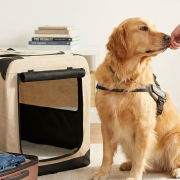
Create mock moving scenarios using boxes, furniture rearrangement, and temporary confinement exercises. This helps dogs understand that household disruption doesn’t mean abandonment or distress. Practice crate training sessions that simulate travel conditions, gradually increasing duration to match typical PCS travel times.
Base housing often means smaller living spaces, shared walls, and noise restrictions. Train your dog to respond immediately to “quiet” commands and practice indoor exercise routines. Many bases have specific pet policies regarding leash requirements, designated relief areas, and visitor protocols. Memorial Day weekend gives families time to rehearse these scenarios without the pressure of actual moving deadlines.
Focus on adaptability training where dogs learn to settle quickly in new spaces. Use portable items like favorite blankets or toys that can travel between duty stations, helping dogs associate these objects with home regardless of location.
Training for Public Events and Military Ceremonies
Military families frequently attend formal events, parades, and ceremonies where well-behaved dogs make positive impressions on the community. Memorial Day weekend events provide perfect practice opportunities for dogs to learn appropriate public behavior. Start with basic crowd control training in smaller groups before advancing to larger gatherings.
Teach your dog to maintain calm behavior around flag ceremonies, uniform presentations, and military music. These elements often trigger excitement or anxiety in untrained dogs. Practice “stay” and “heel” commands while patriotic music plays, helping dogs associate these sounds with controlled behavior rather than stimulation.
Work on extended “place” training where dogs remain in designated spots despite distractions. Military ceremonies involve long periods of standing at attention, and dogs need similar endurance training. Build up duration gradually, rewarding calm behavior during increasingly challenging scenarios.
Address specific triggers common at military events: crowds in uniform, ceremonial weapons, bugle calls, and formation movements. Dogs that master these elements become valuable family members during important military social functions.
Managing High-Energy Breeds in Base Housing Environments
Base housing limitations require creative solutions for high-energy breeds commonly favored by military families. German Shepherds, Belgian Malinois, and similar working breeds need substantial physical and mental stimulation that traditional base housing areas might not accommodate. Memorial Day weekend allows families to establish sustainable exercise routines that work within base constraints.
Develop indoor training circuits using available space efficiently. Stair climbing, hallway recalls, and furniture obstacle courses provide physical challenges when outdoor options are limited. Mental stimulation through puzzle feeders, scent work, and advanced dog training commands helps tire energetic breeds without requiring extensive space.
Establish relationships with neighboring military families to create informal exercise partnerships. Rotating dog walking duties and group training sessions maximize limited time while providing social benefits for both dogs and families. Many bases have underutilized areas perfect for organized training activities during holiday weekends.
Create structured daily routines that accommodate deployment schedules and varying work hours. High-energy dogs thrive on consistency, and military families benefit from systems that function regardless of which parent is available for effective training approaches on any given day.
Holiday Weekend Schedule Optimization
Creating Flexible Training Blocks Around Family Plans
Military families know the art of adaptation, and Memorial Day weekend requires that same strategic flexibility when it comes to dog training schedules. Instead of rigid hour-long sessions, break training into 15-20 minute blocks that can slide around barbecue prep, parade attendance, or cemetery visits.
Consider creating a “training menu” approach where family members can choose from pre-planned activities based on available time. Quick five-minute recall drills work perfectly between setting up decorations and greeting guests. Meanwhile, longer focus exercises fit naturally during the quieter morning hours before family gatherings begin.
The key lies in identifying natural transition moments throughout your weekend. When kids are getting ready for community events, use that time for leash training in the backyard. During meal preparation, practice “place” commands to keep your dog settled while you work. This approach ensures consistent dog training without sacrificing precious family time.
Smart military families also prepare backup indoor activities for weather contingencies. Rain might cancel the neighborhood parade, but it creates perfect conditions for working on basic commands in your living room. Keep treat pouches stocked and training toys accessible so you can pivot quickly when plans change.
Incorporating Memorial Day Traditions into Training Routines
Memorial Day presents unique opportunities to weave training into meaningful traditions rather than treating them as competing priorities. Teaching your dog to remain calm during flag ceremonies builds both respect for the occasion and valuable impulse control skills.
Cemetery visits offer excellent real-world training scenarios for loose leash walking and quiet behavior around crowds. Start with short visits to less crowded areas, gradually building your dog’s confidence and focus. This respectful approach honors fallen service members while advancing your pet’s social skills.
Parade participation transforms into mobile training sessions. Work on “watch me” commands during crowded moments, practice sitting calmly when veterans march by, and use the exciting environment to reinforce your dog’s ability to focus despite distractions. Many military families find their dogs become excellent parade companions with consistent practice.
Even patriotic decorating becomes training time. Teaching your dog to “leave it” around flag displays and memorial wreaths builds impulse control while protecting your seasonal decorations. This practical training serves double duty, creating well-behaved pets and preserved family traditions.
Managing Training When Extended Family Visits
Extended family gatherings can either derail training progress or create valuable socialization opportunities, depending on your preparation strategy. Brief visiting relatives on your dog’s current training goals and provide simple commands they can use consistently.
Create designated quiet spaces where your dog can retreat when family interactions become overwhelming. Using in-home dog training techniques, establish clear boundaries that both visiting family and your pet understand. This prevents regression in training while maintaining family harmony.
Assign age-appropriate training tasks to visiting children who want to interact with your dog. Younger kids can help with basic “sit” commands using treats, while teenagers might assist with more complex exercises. This involvement keeps everyone engaged while reinforcing consistent training messages.
Consider implementing a “family training hour” where everyone participates in simple exercises together. This group approach creates positive associations between your dog and extended family while demonstrating the training progress you’ve achieved. Many visiting relatives leave impressed with both your pet’s behavior and the family’s dedication to consistent training.
Adjusting Schedules for Holiday Travel and Events
Holiday travel requires advance planning to maintain training momentum without adding stress to an already busy schedule. Research dog-friendly Memorial Day events at your destination, turning travel into extended training opportunities rather than training interruptions.
Pack a portable training kit with familiar treats, favorite toys, and written command reminders for family members who might help with care. Maintaining consistent cues and rewards becomes especially important when routines change and environments shift.
Build training breaks into your travel timeline. Rest stop visits become perfect opportunities for leash manners practice, while hotel stays offer controlled environments for reviewing basic commands. This integration approach prevents the common post-holiday training regression that many families experience.
For families hosting events, assign training responsibilities to different household members throughout the weekend. One person handles morning sessions while another manages evening cooldown exercises. This distribution ensures training continues even when primary handlers are busy with hosting duties.
Remember that Memorial Day weekend serves dual purposes for military families: honoring service while building stronger bonds with our four-legged family members. Strategic schedule adjustments make both goals achievable without compromise.
Group Training Opportunities for Military Communities
Organizing Base Community Training Sessions
Military installations offer unique opportunities for coordinating group dog training sessions that work around deployment schedules and weekend commitments. Base community centers often provide indoor spaces during Memorial Day weekend when outdoor training might be disrupted by celebrations or weather concerns.
Setting up rotating training groups allows military families to maintain consistency even when schedules shift unexpectedly. Weekly sessions can focus on basic obedience while monthly intensive workshops tackle specific behavioral challenges. The key is creating flexible time slots that accommodate both active duty and veteran families who may have varying weekend obligations.
Consider establishing morning sessions (0800-0930) for families with young children, followed by mid-morning slots (1000-1130) for those without scheduling conflicts. Evening sessions work well for dual-military couples who need to coordinate childcare arrangements. These community-based programs build accountability while reducing individual training costs.
Partner Training for Dual-Military Couples
Dual-military households face particular challenges during holiday weekends when one partner might be on duty while the other handles family responsibilities. Effective memorial day dog training requires both partners to understand and implement consistent commands and expectations.
Partner training sessions focus on synchronized handling techniques where both spouses learn identical methods for basic commands, leash work, and behavioral corrections. This prevents confusion for dogs who might receive mixed signals when different family members take charge during weekend activities or emergency situations.
Structured boot camp programs work particularly well for military couples because they mirror the intensive, goal-oriented training methods familiar from military service. These accelerated weekend formats allow couples to achieve significant progress in compressed timeframes that fit around unpredictable schedules.
Role-playing exercises help couples practice scenarios where one partner must handle the dog independently during the other’s absence. This builds confidence and ensures smooth transitions when deployment or temporary duty assignments separate families during important training phases.
Holiday Weekend Socialization Events
Memorial Day weekend provides excellent opportunities for controlled socialization experiences that prepare military family pets for various community events and gatherings. Base picnics, parades, and ceremonies expose dogs to crowds, noise, and excitement in manageable increments.
Organizing pre-event training sessions helps dogs acclimate to holiday stimuli before actual celebrations begin. Practice sessions might include recorded parade music, flag displays, and small group interactions that gradually increase in intensity and duration.
Group walks around base housing areas during weekend mornings allow dogs to encounter joggers, cyclists, and other pets in familiar territory. These controlled exposures build confidence while maintaining security within the military community environment.
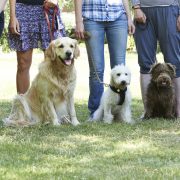
Potluck-style training events combine socialization with practical obedience work. Dogs practice “stay” commands while families enjoy outdoor meals, learning to remain calm around food and celebration activities. These events strengthen both canine behavior and community bonds among military families.
Building Support Networks Through Shared Training Goals
Military families often relocate frequently, making consistent training support networks challenging to maintain. Memorial day dog training events create opportunities for families to connect over shared challenges and celebrate progress together.
Establishing buddy systems pairs experienced dog-owning families with newcomers to the base community. These partnerships provide ongoing support beyond formal training sessions, offering practical advice about local veterinary services, pet-friendly activities, and deployment preparation strategies.
Group training challenges create friendly competition while building lasting relationships. Weekly progress tracking allows families to celebrate milestones together, whether achieving basic obedience goals or preparing dogs for specialized roles like therapy work or emotional support duties.
Consider organizing graduation ceremonies that coincide with Memorial Day observances, recognizing both canine achievements and the dedication of military families. Board & Train program completions can be highlighted alongside community service contributions, reinforcing the connection between responsible pet ownership and military values.
Digital support groups extend these networks beyond geographical boundaries, allowing military families to maintain connections during relocations. Video training sessions and progress sharing keep relationships strong while providing continued learning opportunities regardless of duty station changes.
These community-focused approaches transform individual training efforts into collective achievements that strengthen both military readiness and family stability throughout the challenges of military life.
Long-Term Success Strategies Beyond Memorial Day
Maintaining Progress Through Summer PCS Season
The summer PCS (Permanent Change of Station) season brings unique challenges for military families maintaining their dog training momentum. During this transition period, consistency becomes your greatest ally in preventing behavioral regression.
Start preparing your dog for the move at least six weeks before your PCS date. Focus intensively on basic commands that will remain stable regardless of your new environment. Your dog’s “sit,” “stay,” and “come” commands should be rock-solid before you begin packing. These foundational skills provide security anchors during the chaos of moving.
Pack a dedicated training kit in your essential items box. Include your dog’s favorite treats, training clicker, portable mat, and any specific tools you’ve been using. This familiar equipment helps maintain training routines even in temporary lodging or hotel rooms during your journey to your new duty station.
Creating Portable Training Systems for Military Moves
Military life demands flexibility, and your training approach should reflect this reality. Develop training systems that work equally well in base housing, off-base apartments, or temporary quarters. Focus on verbal commands over location-dependent training methods.
Create a mobile training schedule that adapts to different living situations. Morning basic commands can happen in a hotel room just as effectively as in your backyard. Practice leash walking in parking lots, hallways, or any available space. The key lies in maintaining the routine rather than the specific location.
Document your dog’s progress using a simple smartphone app or notebook. Record which commands work best, your dog’s stress triggers during moves, and successful calming techniques. This information becomes invaluable when establishing training routines at your next duty station.
Consider basic obedience dog programs that offer transferable certifications or detailed progress reports. These professional assessments help new trainers understand your dog’s current skill level without starting from scratch.
Establishing Local Training Resources at New Duty Stations
Research training facilities before arriving at your new base. Many installations offer on-base training programs specifically designed for military families. These programs understand deployment schedules, frequent moves, and the unique stresses military dogs experience.
Connect with your sponsor or incoming unit’s Family Readiness Group for local trainer recommendations. Military families often share reliable information about pet services, including which trainers offer military discounts or flexible scheduling around duty requirements.
Schedule an assessment session within your first month at the new location. Even if your dog maintained good behavior during the move, a professional evaluation helps identify any stress-related issues that might develop later. Early intervention prevents small problems from becoming major behavioral challenges.
Join local military spouse groups or base Facebook pages dedicated to pet owners. These communities provide ongoing support, training tips, and emergency pet care recommendations that prove invaluable during deployments or TDY assignments.
Building Resilient Training Habits for Military Lifestyle Changes
Military life brings unpredictable schedules, last-minute changes, and periods of separation. Build training habits that withstand these disruptions by focusing on adaptability rather than rigid schedules.
Teach family members to maintain basic training routines during deployments. Children can practice simple commands with proper adult supervision, while spouses maintain the more complex behavioral work. This shared responsibility ensures continuity regardless of who’s available.
Develop stress-management techniques for your dog that work during high-activity periods like field exercises, inspections, or sudden schedule changes. A well-trained “place” command becomes invaluable when you need your dog to settle quickly during unexpected visitors or official business.
Practice separation training regularly, even when deployments aren’t imminent. Dogs who handle brief separations well adapt more easily to longer absences. This preparation reduces anxiety for both pet and family members when duty calls.
Remember that consistency trumps perfection in military pet training. Your dedication to maintaining basic routines through life’s inevitable changes builds a stronger, more confident dog. Whether you’re settling into your first duty station or preparing for retirement, these resilient training habits serve your family well beyond Memorial Day weekend. Professional training programs like those available through basic obedience training understand military lifestyle demands and can help establish these crucial long-term success patterns for your family’s unique journey.