Group Dynamics Assessment Identifying Compatibility Issues in Multi-Dog Daycare Settings
Understanding Pack Behavior in Professional Settings
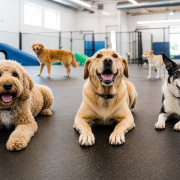
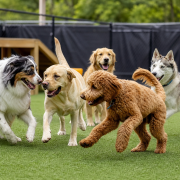
The moment twenty different dogs enter a shared space, an invisible social chess game begins. Each tail wag, ear position, and body posture communicates volumes about intentions, confidence levels, and potential compatibility challenges. Professional daycare staff witness this intricate dance daily, where understanding the subtle nuances of canine communication can mean the difference between harmonious play sessions and costly incidents.
Unlike neighborhood dog parks where interactions are random and unsupervised, professional daycare environments require systematic assessment of group dynamics. The stakes are higher here – liability concerns, client expectations, and the welfare of multiple animals create a complex landscape that demands expertise in reading canine behavior patterns.
Natural Hierarchy Development Among Dogs
Dogs naturally establish social rankings within minutes of meeting, but this process becomes particularly complex in multi-dog daycare settings where groups change daily. The traditional “alpha dog” concept has evolved into a more nuanced understanding of resource-based leadership, where different dogs may assume control over different situations.
A confident Golden Retriever might control access to water bowls while deferring to a smaller Border Collie during fetch games. This fluid hierarchy system works well when dogs have complementary leadership styles, but problems arise when multiple dogs compete for the same resources or social positions. Staff must recognize early warning signs: prolonged staring contests, body blocking behaviors, and subtle resource guarding that occurs before obvious aggression.
The social benefits depend heavily on proper hierarchy management. Dogs that constantly challenge established order create stress throughout the entire group, affecting even the most well-adjusted participants.
Play Styles That Create Tension
Not all play is created equal, and mismatched play styles represent one of the most common sources of conflict in group settings. Wrestlers – dogs who love full-contact, rolling play – often overwhelm chasers who prefer running games with minimal physical contact. Meanwhile, tuggers want to engage with toys and objects, which can trigger possessive responses in dogs with resource guarding tendencies.
Body slamming enthusiasts, typically larger breeds like Labradors and German Shepherds, may accidentally intimidate or injure more delicate players. Their enthusiastic shoulder checks and hip bumps, perfectly acceptable among similar-sized playmates, can terrify smaller dogs and escalate into defensive aggression.
The most challenging dynamic involves dogs who engage in overly without recognizing social cues to dial back intensity. These dogs often exhibit excellent bite inhibition but lack the social awareness to read when their playmate wants space or a break from interaction.
Environmental Triggers That Escalate Conflict
Physical space design significantly impacts group dynamics, with certain environmental features acting as conflict magnifiers. Narrow corridors create forced interactions where dogs cannot easily avoid each other, while blind corners prevent proper visual assessment before encounters. High-value resources like elevated sleeping areas, sunny spots, or areas near human attention become competition zones.
Sound triggers also play crucial roles – the jingle of car keys signaling pickup time can create excitement-based conflicts, while sudden loud noises may cause previously calm dogs to redirect their startle response onto nearby playmates. Even positive environmental changes, like the arrival of new toys or treats, can shift group dynamics dramatically.
Weather conditions affect energy levels and patience thresholds. Rainy days that prevent outdoor exercise often result in pent-up energy being released through inappropriate play intensity, while extreme heat can make dogs irritable and less tolerant of normal social interactions.
Size and Age Matching Considerations
The fifty-pound rule – avoiding significant size discrepancies – serves as a starting point, but age-related factors often matter more than pure weight differences. Senior dogs may lack the reflexes to avoid enthusiastic puppies, while adolescent dogs going through hormonal changes may challenge authority figures regardless of size differences.
Young adult dogs (12-24 months) present particular challenges because they possess adult-sized bodies with adolescent impulse control. They may play appropriately with older dogs but become overstimulating to puppies, or vice versa. These dogs often benefit from structured environments rather than free-for-all play situations.
Energy level matching sometimes trumps size considerations entirely. A calm Great Dane may integrate beautifully with medium-sized senior dogs, while a hyperactive Jack Russell Terrier might disrupt even large-breed playgroups through persistent pestering behaviors that ignore social cues to back off.
Pre-Assessment Screening Protocols
Individual Temperament Evaluations
Every dog entering a multi-dog daycare environment requires a comprehensive temperament evaluation to assess their behavioral baseline and predict how they might interact within group settings. This evaluation process typically involves observing the dog in controlled scenarios that mirror common daycare situations.
Professional assessments begin with monitoring the dog’s reaction to new environments, unfamiliar handlers, and various stimuli like sudden noises or movements. Dogs displaying excessive fear, aggression, or overexcitement during initial evaluations often require modified integration approaches or may not be suitable for group daycare settings.
The evaluation should include resource guarding tests using toys, treats, and food bowls to identify potential triggers for conflict. Dogs that show possessive behaviors during foundation training sessions may need specialized management protocols to prevent incidents with other dogs.
Body language assessment forms a critical component of temperament evaluation. Evaluators look for calming signals, stress indicators, and play bow positions that indicate healthy social communication skills. Dogs that consistently display rigid postures, prolonged staring, or hackle raising require careful consideration before group placement.
Owner Intake Questionnaires and Red Flags
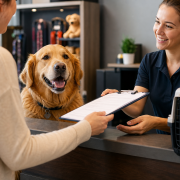
Comprehensive owner questionnaires provide essential insights into a dog’s behavior patterns, triggers, and socialization history that may not be apparent during brief facility evaluations. These forms should address specific behavioral concerns that directly impact group dynamics in daycare settings.
Key questions focus on the dog’s reaction to other dogs during walks, visits to dog parks, or encounters with neighborhood pets. Owners who report their dog “gets along with some dogs but not others” or “needs time to warm up” are providing valuable information about potential compatibility challenges.
Red flags include reports of previous dog-to-dog aggression incidents, regardless of perceived provocation. Dogs with histories of biting, prolonged fighting, or causing injury to other dogs require extensive evaluation before consideration for group daycare. Additionally, dogs described as “protective” or “territorial” often struggle with the fluid social dynamics of daycare environments.
Another significant warning sign involves owners who cannot provide specific examples of their dog’s positive interactions with other dogs. Vague responses like “he’s friendly” without concrete situations suggest limited socialization experience that could lead to behavioral issues in group settings.
Medical History Impact on Social Behavior
A dog’s medical history directly influences their social behavior and compatibility with other dogs in daycare environments. Pain from arthritis, hip dysplasia, or other chronic conditions can make dogs more irritable and likely to react defensively when approached by playful companions.
Dogs recovering from recent surgeries or injuries require careful assessment of their comfort levels with physical contact and energetic play. A dog wearing a cone or protective bandaging may feel vulnerable and respond aggressively to normal social approaches from other dogs.
Vision or hearing impairments significantly affect how dogs navigate social situations. Dogs with compromised senses may startle easily when approached from their blind spots or fail to pick up on important social cues from other dogs. These considerations become particularly relevant when determining which playgroups might accommodate their needs.
Certain medications can also influence behavior and energy levels. Dogs on anxiety medications, pain management protocols, or seizure medications may have altered social responses that require monitoring during group interactions.
Previous Socialization Experience Documentation
Understanding a dog’s socialization history provides crucial insight into their likely success in multi-dog daycare settings. Dogs with extensive positive exposure to various breeds, sizes, and play styles typically adapt more successfully to group dynamics.
Puppies that attended properly supervised puppy classes or dogs with regular dog park experience often demonstrate better social skills than those with limited exposure to other dogs. However, negative experiences at dog parks or poorly managed social situations can create lasting behavioral challenges that affect daycare compatibility.
The critical socialization period between 3-14 weeks of age has lasting impacts on adult behavior. Dogs with minimal exposure during this window may struggle with the complexity of multi-dog environments, regardless of later training efforts. This history helps predict which dogs might benefit from gradual introduction protocols versus those ready for immediate group integration.
Documentation should also include information about successful multi-dog households or extended stays with other dogs. Dogs that have lived peacefully with multiple dogs often possess the social skills necessary for daycare success, though individual temperament assessments remain essential for proper group placement.
Real-Time Group Observation Techniques
Body Language Warning Signs During Introduction
The initial moments when dogs meet in a daycare setting reveal critical information about potential compatibility issues. Stiff, upright postures with direct staring often indicate tension rather than playful interest. Dogs displaying these warning signs typically hold their tails high and rigid, with ears forward and bodies tense.
Hackles raised along the neck and back serve as another immediate red flag during introductions. While some dogs raise hackles from excitement, the accompanying body language determines whether the response stems from arousal or aggression. Professional staff must distinguish between these states within seconds to prevent escalation.
Lip lifting, even subtle versions, signals discomfort that requires immediate attention. Dogs showing whale eye (whites of eyes visible) while backing away indicate stress levels that make successful integration unlikely. These micro-expressions happen quickly, making trained observation skills essential for daycare staff members.
Freeze responses deserve equal attention to more obvious aggressive displays. Dogs who become completely still during introductions often experience overwhelming stress or prepare for defensive actions. This stillness differs markedly from calm, relaxed pausing and requires intervention.
Monitoring Resource Guarding Behaviors
Resource guarding manifests differently in group settings compared to home environments, making careful observation crucial for daycare success. Food bowls, toys, and even human attention can trigger possessive behaviors that escalate quickly among multiple dogs.
Early warning signs include subtle body positioning where dogs place themselves between resources and other animals. This blocking behavior often appears innocent but represents the initial stages of resource protection. Staff members should note which dogs consistently position themselves near high-value items.
Hovering behaviors around water stations, favorite sleeping spots, or play equipment indicate potential guarding issues before they escalate. Dogs who refuse to move away from resources when other animals approach require immediate assessment. Understanding resource guarding behaviors helps staff implement appropriate management strategies before conflicts develop.
Speed of consumption changes dramatically when guarding dogs feel pressure from nearby animals. Dogs who normally eat slowly may gulp food rapidly, while others might stop eating entirely if they sense competition. These feeding pattern changes provide valuable insights into group compatibility issues.
Identifying Overwhelmed or Stressed Dogs
Overstimulation presents unique challenges in multi-dog environments where energy levels vary significantly among participants. Dogs experiencing overwhelm often display panting despite cool temperatures, excessive drooling, or repetitive behaviors like spinning or pacing along fence lines.
Withdrawal behaviors indicate stress levels that compromise both individual welfare and group dynamics. Dogs who seek corners, hide under equipment, or consistently avoid interaction need immediate removal from group activities. These retreat patterns often develop gradually, making continuous monitoring essential.
Displacement behaviors such as excessive scratching, yawning, or lip licking when no obvious cause exists suggest internal stress responses. Dogs displaying these behaviors in group settings typically benefit from smaller playgroups or individual attention rather than full group integration.
Hypervigilance manifests as constant scanning of the environment, inability to relax or settle, and overreaction to normal daycare sounds. These dogs often remain standing while others rest, positioning themselves with clear escape routes available. Such stress responses compromise both the affected dog and overall group stability.
Documentation Methods for Behavioral Patterns
Systematic documentation transforms observation into actionable data that improves group management over time. Digital tracking systems allow staff to record specific incidents, triggers, and successful interventions in real-time rather than relying on memory at day’s end.
Video documentation proves invaluable for reviewing incidents and training staff on subtle behavioral cues. Short clips capturing specific interactions help identify patterns that might otherwise go unnoticed during busy daycare operations. These recordings also support discussions with dog owners about their pets’ social needs.
Daily behavior logs should include arrival mood assessments, interaction quality ratings, and notable incidents with timestamps. This information helps identify dogs who struggle with transitions, specific playmates, or time-of-day challenges. Consistent documentation reveals trends that inform future grouping decisions.
Collaboration between staff members through shared documentation ensures continuity of care across different shifts. When multiple observers contribute to behavioral records, patterns emerge more clearly than single-person observations might reveal. Effective management of group dynamics requires this comprehensive approach to behavioral assessment and documentation, similar to strategies used when learning proper dog park.
Managing Incompatible Group Dynamics
Strategic Group Rotation and Separation
Effective group rotation forms the backbone of successful multi-dog compatibility management. Professional daycare facilities typically implement 30-minute rotation cycles, allowing dogs to interact with different groups throughout the day while preventing prolonged exposure to incompatible personalities.
Physical separation becomes necessary when initial compatibility assessments reveal potential conflicts. Staff should maintain visual barriers between incompatible groups using temporary fencing or strategic positioning of play equipment. This approach allows anxious or reactive dogs to observe group dynamics without direct confrontation, often helping them acclimate gradually to the daycare environment.
Strategic timing plays a crucial role in rotation success. Morning sessions typically accommodate high-energy dogs who benefit from immediate physical activity, while afternoon rotations work better for senior or lower-energy animals who prefer calmer interactions. Documentation of each dog’s optimal rotation schedule helps maintain consistency across different staff shifts.
Size-based separation prevents accidental injuries when play styles differ significantly. Large breed dogs might unintentionally overwhelm smaller companions, even during friendly interactions. Creating designated areas for different size categories ensures all dogs can engage in age-appropriate play without physical mismatches affecting group harmony.
Creating Balanced Play Groups by Energy Level
Energy matching requires careful observation of individual dog behaviors during initial assessment periods. High-energy dogs typically display constant movement, immediate engagement with toys or other dogs, and sustained activity levels throughout extended play sessions. These animals thrive in groups with similar energy outputs and often become frustrated when paired with calmer companions.
Moderate energy dogs adapt well to mixed groups but require careful monitoring to prevent overstimulation from more active peers. These animals often serve as natural mediators in group settings, helping to bridge the gap between high and low energy personalities. Their flexible nature makes them valuable additions to various group compositions.
Low-energy and senior dogs benefit from specialized groupings that emphasize gentle interaction over vigorous play. These groups focus on sniffing, slow-paced exploration, and supervised rest periods. Mixing energy levels inappropriately often results in stress behaviors, including withdrawal, resource guarding, or defensive posturing.
Professional facilities offering comprehensive daycare programs typically maintain separate play areas specifically designed for different energy categories, allowing staff to provide targeted activities that match each group’s natural preferences and physical capabilities.
Intervention Timing and De-escalation Methods
Early intervention prevents minor disagreements from escalating into serious conflicts. Staff should watch for subtle warning signs including stiff body posture, prolonged staring, raised hackles, or sudden cessation of play behavior. These indicators typically appear 15-30 seconds before aggressive displays, providing a critical intervention window.
Redirection techniques prove most effective during early escalation phases. Calling dogs away from potential conflict situations using positive reinforcement helps break tension without creating negative associations with the daycare environment. Offering high-value treats or engaging toys immediately redirects attention toward appropriate behaviors.
Voice modulation techniques help de-escalate tense situations without causing additional stress. Calm, low-pitched verbal cues often prove more effective than sharp corrections, which might increase anxiety levels in already stressed animals. Professional staff training should emphasize these subtle communication methods.
Physical separation becomes necessary when verbal redirection fails. Staff should position themselves between potentially conflicting dogs using body blocking techniques rather than direct physical contact. This approach prevents resource guarding behaviors while allowing dogs to disengage naturally from uncomfortable situations.
When to Remove Dogs from Group Settings
Immediate removal becomes necessary when dogs display persistent aggressive behaviors despite multiple intervention attempts. Warning signs include repeated snapping, prolonged aggressive posturing, or failure to respond to redirection techniques. These behaviors indicate stress levels that compromise both the individual dog’s well-being and overall group safety.
Overstimulation often requires temporary removal rather than permanent exclusion from group activities. Dogs showing excessive panting, inability to settle, or compulsive behaviors benefit from quiet time in separate areas before rejoining group activities. This cooling-off period typically lasts 15-20 minutes.
Medical considerations sometimes necessitate removal from active play groups. Dogs displaying sudden behavior changes, limping, or excessive fatigue require immediate assessment and potential veterinary consultation. Facilities prioritizing comprehensive dog training protocols maintain detailed health monitoring systems for early problem identification.
Some dogs simply require alternative socialization approaches rather than traditional group play. These animals might benefit from structured one-on-one interactions with carefully selected companions, supervised parallel activities, or specialized behavioral modification programs designed to address underlying compatibility issues.
Staff Training for Effective Assessment
Recognizing Early Warning Signs
Effective group dynamics assessment in multi-dog daycare settings begins with staff members who can identify subtle behavioral changes before they escalate into conflicts. Dogs communicate through body language, and trained staff should recognize tension signals like stiff postures, prolonged staring, raised hackles, or displacement behaviors such as excessive sniffing or scratching.
Early warning signs often manifest during feeding times, toy distribution, or when new dogs enter established play groups. Staff must watch for dogs that position themselves between other dogs and resources, create barriers with their bodies, or exhibit guarding behaviors around favorite staff members. These subtle communications, when missed, frequently lead to more serious compatibility issues.
Training programs should emphasize the difference between normal play behaviors and stress indicators. While play bows, reciprocal chasing, and brief pauses are healthy, continuous mounting, excessive vocalizations, or one-sided interactions signal potential problems. Staff members need practice identifying these nuances through doggie daycare observation exercises and video analysis sessions.
Communication Protocols Between Team Members
Seamless information sharing among daycare staff prevents compatibility issues from developing unnoticed. Established communication protocols ensure that observations from morning staff reach afternoon teams, creating continuity in group monitoring throughout the day.
Digital logging systems work better than handwritten notes because they allow real-time updates and searchable records. Staff should document specific interactions, noting which dogs were involved, the time, location, and behavioral context. These detailed records help identify patterns that might not be obvious during individual shifts.
Regular briefings at shift changes become essential when managing large groups of dogs. Morning staff should highlight any concerns about specific dog pairings, unusual behaviors, or changes in established group dynamics. Afternoon teams can then monitor these situations more closely and adjust group compositions accordingly.
Emergency communication systems need clear hierarchies and immediate notification procedures. When staff identify escalating tensions, they must know exactly who to contact and what steps to take while waiting for supervisor guidance. This structured approach prevents hesitation during critical moments.
Emergency Response Procedures
Multi-dog environments require staff trained in rapid response techniques that prioritize safety while minimizing trauma to all animals involved. Emergency procedures should address various scenarios, from minor skirmishes to serious altercations, with specific protocols for each situation type.
Physical intervention techniques must be taught properly to prevent staff injuries and avoid escalating conflicts. Staff need training on safe separation methods, including the use of barriers, leashes, and distraction techniques rather than direct physical contact with agitated dogs. Understanding when to evacuate uninvolved dogs from the area protects the broader group while allowing focused attention on the immediate problem.
Post-incident procedures are equally important as immediate response actions. Staff must know how to assess dogs for injuries, document the incident thoroughly, and determine when veterinary attention is necessary. These protocols should include contacting pet owners, reporting to management, and deciding whether involved dogs can safely return to group activities.
Regular emergency drills help staff practice these procedures without real-world pressure. Mock scenarios allow teams to refine their responses, identify gaps in training, and build confidence for handling actual emergencies. These exercises also reveal which staff members work best together during high-stress situations.
Ongoing Education and Skill Development
Group dynamics assessment skills require continuous development as staff encounter new situations and learn from experience. Regular training sessions should cover updated research on canine behavior, new assessment techniques, and lessons learned from recent incidents within the facility.
Professional development opportunities might include workshops on canine body language, seminars on breed-specific behaviors, or certification programs in animal behavior analysis. Staff members who pursue additional dog training education bring valuable insights back to the team and can mentor newer employees.
Peer learning sessions where staff discuss challenging situations and share successful strategies create collaborative learning environments. These discussions help identify best practices and allow experienced team members to share techniques that might not be covered in formal training materials.
Assessment skills should be evaluated regularly through practical exercises and scenario-based testing. Staff members can practice identifying behavioral cues using video footage, participate in role-playing exercises, and receive feedback on their observation techniques. This ongoing evaluation ensures that skills remain sharp and identifies areas where additional training might be beneficial.
Long-Term Success Strategies
Building Positive Associations Between Dogs
Creating lasting harmony in multi-dog environments requires intentional relationship building between canines. The most effective approach involves pairing dogs during positive experiences rather than forcing immediate interactions. Start by having dogs participate in parallel activities where they can see each other while engaged in enjoyable tasks like puzzle feeding or individual training sessions.
Structured positive experiences help dogs form favorable impressions of their daycare companions. When two dogs consistently experience good things while in proximity, they begin associating each other’s presence with pleasant outcomes. This conditioning process typically takes several weeks of consistent implementation, but the results create strong foundations for group dynamics.
Professional dog training techniques emphasize reward-based associations during these early relationship building phases. Dogs who initially showed signs of tension often become comfortable playmates when their first meetings consistently involve treats, praise, and engaging activities rather than direct confrontation or forced proximity.
Gradual Integration Techniques
Successful multi-dog integration follows a methodical progression that respects each animal’s adaptation timeline. Begin with brief, supervised interactions between carefully matched pairs before expanding to small groups of three or four dogs. The key lies in maintaining positive experiences throughout each stage while gradually increasing interaction duration and complexity.
Visual barriers play a crucial role during initial integration phases. Baby gates allow dogs to observe each other without the pressure of direct contact, helping nervous animals build confidence while preventing overwhelming encounters. Remove barriers only when both dogs display relaxed body language and show interest in friendly interaction.
Timing influences integration success significantly. Schedule introduction sessions when dogs have already expended some energy through individual exercise or mental stimulation activities. Well-exercised dogs typically display calmer behavior and make better decisions during social encounters, reducing the likelihood of conflicts that could set back the integration process.
Parent Communication About Group Dynamics
Transparent communication with dog parents builds trust and ensures everyone understands the daycare’s approach to managing group dynamics. Regular updates about their dog’s social progress help parents make informed decisions about continued participation while demonstrating the facility’s commitment to individualized care.
Weekly progress reports should include specific observations about social interactions, play preferences, and any behavioral modifications being implemented. Parents appreciate knowing whether their dog gravitates toward certain playmates, prefers smaller groups, or shows particular strengths in social situations. This information helps them better understand their dog’s personality and social needs.
Address concerns promptly and honestly when compatibility issues arise. Some parents may initially resist suggestions about modified participation schedules or smaller group settings, but explaining the reasoning behind recommendations helps them understand that these adjustments serve their dog’s best interests. Professional animal behavioral consultation services can provide additional support when complex behavioral issues require specialized intervention.
Creating Safe Spaces for Different Personality Types
Designing physical spaces that accommodate various personality types prevents stress and reduces conflict potential in multi-dog settings. Shy or anxious dogs benefit from quiet retreat areas where they can observe group activities without feeling pressured to participate. These spaces should remain easily accessible throughout the day, allowing dogs to self-regulate their social exposure.
High-energy dogs require adequate outlets for their enthusiasm without overwhelming calmer companions. Separate play areas for different activity levels help ensure that boisterous players don’t inadvertently stress dogs who prefer gentler interactions. Rotating group access to various spaces throughout the day keeps the environment dynamic while respecting individual preferences.
Senior dogs often need special consideration in group settings, as their physical limitations and reduced energy levels require different accommodation than younger, more active animals. Providing comfortable resting areas with non-slip surfaces and easy access helps older dogs participate in group activities at their own pace while maintaining their dignity and comfort.
Creating successful long-term group dynamics requires ongoing commitment to assessment, adjustment, and individualized care. The investment in proper compatibility evaluation and thoughtful integration pays dividends through reduced stress for both dogs and staff, fewer incidents, and happier pet parents. Whether you’re currently managing multi-dog challenges or planning to expand your daycare’s capacity, implementing these strategies will help ensure every dog thrives in their social environment while building the foundation for lasting canine friendships.