
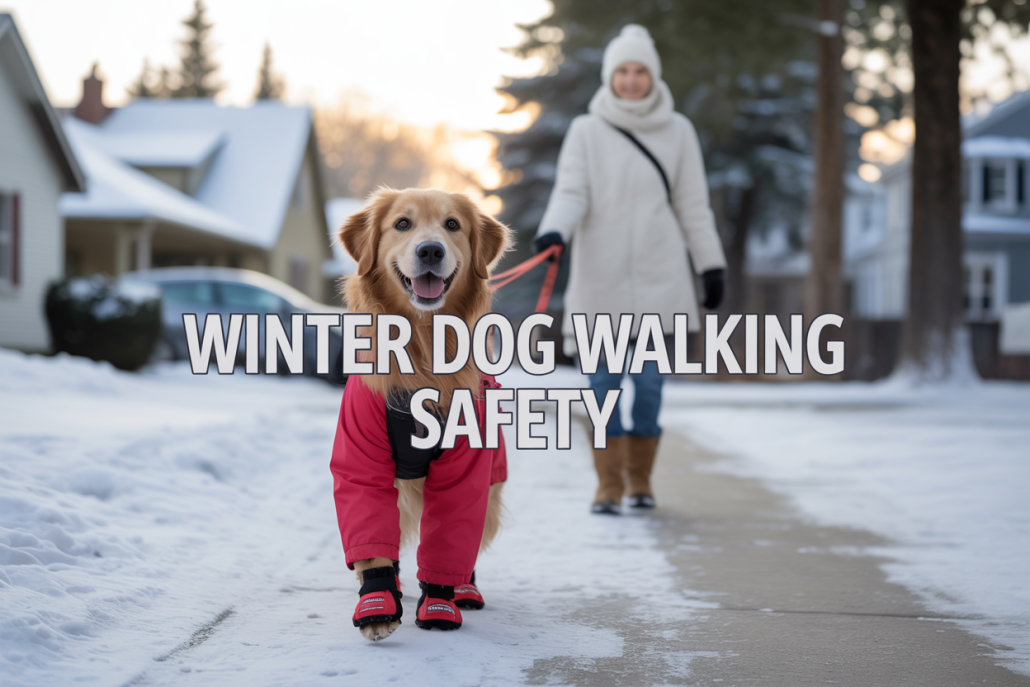
Winter Walks, Keeping Your Dog Safe And Happy In Colder Weather
Cold weather doesn’t have to mean staying indoors with your furry friend. Winter dog walking can be safe and enjoyable when you know how to protect your pup from harsh conditions. This guide is for dog owners who want to maintain their pet’s exercise routine while keeping them warm, comfortable, and healthy during the colder months.
Many dogs love snowy adventures, but cold-weather dog care requires extra planning and the right approach. From choosing proper winter dog gear to recognizing warning signs of temperature-related stress, small preparations make a big difference in your dog’s comfort and safety.
We’ll cover essential winter dog clothing and paw protection gear that keep your pet cozy during outdoor adventures. You’ll also learn techniques for safe winter walks with dogs, including pre-walk preparations and post-walk care routines to prevent cold-related health issues. Finally, we’ll help you recognize when temperatures drop too low for safe outdoor exercise so that you can make smart decisions about your dog’s winter activities.
Essential Winter Gear to Protect Your Dog from Cold Weather
Choose the Right Dog Coat for Maximum Warmth
Not all dogs need winter coats, but many breeds benefit from extra protection during cold-weather walks. Short-haired breeds like Greyhounds, Whippets, and Chihuahuas have minimal natural insulation and should wear winter dog clothing when temperatures drop below 40°F. Senior dogs and puppies also need additional warmth since their bodies struggle to regulate temperature effectively.
When selecting a dog winter coat, look for waterproof or water-resistant materials that block wind and moisture. The coat should cover your dog’s chest and belly area while allowing a full range of motion for comfortable walking. Avoid overly bulky designs that might restrict movement or cause overheating during active exercise.
Quality coats feature adjustable chest and belly straps for a secure, comfortable fit. Fleece-lined options provide excellent insulation, while reflective strips enhance visibility for early-morning or evening walks. Remember that even dogs with thick coats might need protection in extreme cold, mainly breeds not naturally adapted to harsh winters.
Select Protective Paw Boots for Ice and Salt Protection
Winter dog paw protection gear has become essential as more municipalities use ice-melting chemicals on sidewalks and roads. These salts and chemicals can burn your dog’s paw pads, cause painful cracking, and create toxic situations if your dog licks their paws after walks.
Dog winter boots create a barrier between delicate paw pads and harsh winter surfaces. Look for boots with non-slip soles that provide traction on icy surfaces while protecting against sharp ice crystals. The shoes should fit snugly but not too tightly – you should be able to slip one finger between the boot and your dog’s leg.
Start introducing boots gradually before winter arrives. Many dogs resist wearing boots at first, so practicing in indoor sessions helps them adjust to the sensation. Quality boots feature breathable materials to prevent moisture buildup and adjustable velcro straps that won’t slip off during walks.
If boots aren’t practical for your dog, consider paw balms or waxes that create a protective barrier. Apply these products before walks and wipe paws clean afterward to remove any salt residue.
Find Reflective Accessories for Low-Light Visibility
Shorter daylight hours in winter make visibility a critical safety concern during dog walks. Reflective accessories help drivers and other pedestrians spot you and your dog in low-light conditions, preventing dangerous accidents.
LED collars and leashes provide active lighting that’s visible from greater distances than passive reflective materials. These battery-powered accessories typically offer multiple flash patterns and solid light options. Choose waterproof versions that can handle snow and sleet during your cold-weather dog exercise routines.
Reflective vests offer maximum visibility coverage across your dog’s body. These lightweight accessories slip over existing coats and harnesses and feature bright reflective strips that catch headlight beams. Some vests include LED components for dual passive and active visibility protection.
Don’t forget about your own visibility needs. Reflective gear for pet owners includes headlamps, reflective jackets, and illuminated leash handles. When both you and your dog wear appropriate reflective accessories, you create a clear team that’s much safer during those necessary early-morning or evening winter walks.
Consider reflective paw balm as an additional safety measure – these products contain reflective particles that make your dog’s paws more visible while providing protection against winter weather.
Pre-Walk Safety Preparations for Cold Weather Adventures
Check Weather Conditions and Temperature Warnings
Before stepping outside for your winter dog walking adventure, always check the current temperature, wind chill, and weather forecast. Different dog breeds handle cold weather differently: while a Siberian Husky might thrive in 20°F, a Chihuahua could be at risk of hypothermia. Most dogs begin to feel uncomfortable when temperatures drop below 45°F, and temperatures below 20°F pose serious risks for most breeds.
Pay special attention to wind chill, which can make the actual temperature feel much colder than the thermometer reads. Ice warnings and active snowfall should also influence your decision to walk outdoors. Many weather apps now include pet safety alerts that can help guide your cold-weather dog exercise decisions.
Inspect Your Dog’s Paws for Cuts or Sensitivity
Your dog’s paws are their most vulnerable point during winter walks. Before heading out, scrutinize each paw pad for cuts, cracks, or signs of sensitivity from previous cold exposure. Even minor injuries can become painful when exposed to ice, snow, and road salt.
Check between the toes for any ice buildup from previous walks, as this can cause discomfort and potential frostbite. If your dog’s paw pads appear dry or cracked, apply a pet-safe paw balm to create a protective barrier. Dogs with existing paw injuries should wear protective winter dog boots to prevent further damage and salt exposure.
Plan Shorter Routes to Prevent Overexposure
Winter dog walking requires a shift in your usual routine. Instead of your typical 45-minute trek, plan for 15-20 minute walks to minimize exposure time while still providing necessary exercise. Map out routes that offer some shelter from wind, such as tree-lined streets or paths near buildings.
Consider multiple shorter walks throughout the day rather than one long adventure. This approach allows you to monitor your dog’s comfort level and warm up between outings. Choose familiar routes where you know the terrain well, as hidden ice patches or deep snow drifts can pose unexpected challenges during winter weather.
Gather Emergency Supplies for Unexpected Situations
Pack a small emergency kit for your winter dog safety preparations. Include a towel to dry off wet paws and fur, extra dog winter clothing if your pup gets too cold, and a thermos of warm (not hot) water to rinse salt from paws if needed.
Carry a flashlight or headlamp for early morning or evening walks when daylight is limited. Keep your phone charged and consider downloading offline maps in case you need to find the quickest route home. A small first-aid kit with pet-safe antiseptic and bandages can be valuable if your dog injures their paws on ice or hidden debris beneath the snow.
Safe Walking Techniques During Winter Weather
Navigate Icy Sidewalks and Slippery Surfaces
Winter sidewalks can become treacherous for both you and your dog. Ice patches often hide under a thin layer of snow, creating unexpected hazards. Start by choosing your route carefully – stick to well-maintained sidewalks that receive regular snow removal and de-icing treatment. Your dog’s instincts may not always recognize slippery surfaces, so stay alert for sudden slips or traction issues.
When you encounter icy patches, slow your pace significantly. Dogs can lose their footing just as easily as humans, and a fall could result in injuries ranging from minor scrapes to severe joint damage. Consider taking a longer route that avoids steep hills or known problem areas in your neighborhood. Some dog owners find success in creating their own traction by sprinkling sand or pet-safe ice melt on their usual walking path before heading out.
Avoid Toxic De-Icing Chemicals and Road Salt
Road salt and chemical de-icers pose serious health risks to dogs during winter dog walking. These substances can cause painful irritation, burns, and chemical poisoning if ingested through paw licking. Traditional rock salt contains sodium chloride, which can cause dehydration, vomiting, and diarrhea when consumed in large amounts.
Avoid heavily salted areas such as busy roads, parking lots, and commercial sidewalks. Many municipalities use calcium chloride or magnesium chloride, which can be even more harmful than regular salt. Watch for white residue on pavement – this often indicates recent chemical treatment. If you must cross treated areas, move quickly and clean your dog’s paws immediately afterward.
Some neighborhoods use pet-safe alternatives, but don’t assume all de-icing products are dog-friendly. The blue or green crystals you might see aren’t necessarily safer. When in doubt, choose untreated paths or areas where you can verify the de-icer type.
Monitor Your Dog’s Body Temperature and Behavior
Cold-weather dog care requires constant attention to your pet’s physical and behavioral cues. Dogs show signs of cold stress differently from humans, and some breeds are more susceptible to temperature drops. Watch for shivering, which is often the first sign your dog is getting too cold. However, some dogs may not shiver until they’re already experiencing significant discomfort.
Monitor changes in gait or movement. Dogs may lift their paws frequently, slow their pace dramatically, or seem reluctant to continue walking when their body temperature drops. Their ears and tail position can also indicate comfort levels – pinned-back ears and a tucked tail often signal distress from cold.
Check your dog’s breathing patterns throughout the walk. Rapid, shallow breathing in cold weather could indicate stress, while extremely slow breathing might suggest the onset of hypothermia. Touch your dog’s ears and the inside of their mouth, if possible; these areas should feel warm. Cold ears or pale gums are warning signs that require immediate attention.
Keep Your Dog Close on a Shorter Leash for Control
Winter conditions require extra care when walking dogs safely. A shorter leash gives you a better ability to guide your dog away from hazards such as ice patches, chemical treatments, or dangerous areas where snow might conceal obstacles. Standard six-foot leashes become unwieldy in winter conditions; consider switching to a four-foot lead for better control.
Shorter-leash control is significant near roadways, where snowbanks can obscure your dog from drivers’ view. Plowed snow creates narrow walking spaces, and you’ll need to quickly pull your dog close when cars pass or when navigating around obstacles. This proximity also helps you better monitor your dog’s condition and respond quickly to any signs of distress.
Reduced visibility in winter weather makes it harder to spot potential hazards at a distance. Keeping your dog close ensures you can react immediately to changing conditions, whether that’s pulling them away from a slippery surface or recognizing early signs that they’re getting too cold and need to head home.
Post-Walk Care to Keep Your Dog Healthy and Comfortable
Clean Paws Thoroughly to Remove Salt and Ice
After your winter dog walking adventure, the priority should be cleaning your dog’s paws. Road salt, de-icing chemicals, and ice chunks can cause severe irritation and even chemical burns on sensitive paw pads. These substances are particularly harmful if your dog licks their paws afterward, potentially leading to stomach upset or poisoning.
Start by using lukewarm water – never hot – to rinse each paw gently. The temperature should feel comfortable on your own skin. Focus on removing all visible salt crystals, ice chunks, and any accumulated snow between the toes. Pay special attention to the areas between paw pads where debris commonly gets trapped.
For dogs with thick fur between their toes, you may need to spread the pads to reach hidden salt deposits gently. Consider keeping a designated towel by your door specifically for paw cleaning during the winter months. Some dog owners find that shallow pans filled with warm water work well for larger dogs who can step into them.
If you notice any cuts or abrasions during cleaning, rinse them thoroughly and monitor for signs of infection. Dogs wearing protective boots still need paw inspection, as snow and moisture can sometimes work their way into the footwear.
Dry Your Dog’s Coat to Prevent Hypothermia
Wet fur loses its insulating properties rapidly, making proper drying essential for cold-weather dog care. Even dogs with thick winter coats can become dangerously cold if their fur remains damp after outdoor exercise. Start the drying process immediately upon returning indoors, before your dog’s body temperature drops further.
Use absorbent towels to remove surface moisture, working systematically from head to tail. Pay particular attention to the chest, belly, and leg areas where snow tends to accumulate. For dogs with double coats, you’ll need to dry both the outer guard hairs and the dense undercoat beneath.
A blow dryer on the cool setting can speed up the process, but introduce it gradually if your dog isn’t accustomed to the noise. Keep the dryer moving constantly and maintain a safe distance to avoid overheating any single area. Some dogs benefit from standing on a towel during drying, which helps absorb dripping water.
Don’t forget often-missed areas like under the tail, behind the ears, and the armpits. These spots retain moisture and can become sources of heat loss. Once your dog appears dry, let them shake naturally – this helps fluff their coat back to its proper insulating position.
Check for Signs of Frostbite or Cold-Related Injuries
Regularly inspect for cold-related injuries as part of your post-walk routine during winter dog walks. Frostbite typically affects extremities first – paws, ears, tail tip, and nose – areas where blood circulation is naturally reduced in cold temperatures.
Look for pale, gray, or blue-tinged skin, especially on paw pads and ear tips. Frostbitten areas may feel unusually cold to the touch or appear waxy. As the tissue warms, you may notice redness, swelling, or blistering. Severe cases can cause the skin to feel hard or appear black.
Check between your dog’s toes for ice balls, cuts from frozen ground, or swelling. These ice formations can be painful and may cause your dog to walk differently. Remove them gently with lukewarm water rather than trying to break them apart manually.
Watch your dog’s behavior for signs of discomfort. Excessive licking of paws, limping, or reluctance to put weight on certain feet can indicate injury. Shivering that continues after coming indoors may indicate your dog became too cold during the walk.
If you notice any concerning symptoms, gently warm the affected area with lukewarm water or apply light pressure with your hands. Avoid rubbing frostbitten tissue, as this can cause additional damage. Contact your veterinarian if you notice persistent discoloration or blistering, or if your dog appears to be in significant pain.
Recognizing When It’s Too Cold for Safe Outdoor Exercise
Identify Temperature Thresholds for Different Dog Breeds
Temperature tolerance varies widely across dog breeds, making it crucial to understand your dog’s specific cold-weather limitations. Small breeds like Chihuahuas, Yorkshire Terriers, and Italian Greyhounds struggle when temperatures drop below 45°F (7°C) and shouldn’t be taken outside for winter walks when temperatures reach freezing. Their minimal body fat and small muscle mass make it nearly impossible to maintain body heat in cold conditions.
Medium-sized dogs with short coats, such as Beagles and Bulldogs, begin experiencing discomfort at around 32°F (0°C). These breeds benefit from dog winter clothing and should have limited exposure when temperatures drop below 20°F (-7°C).
Large breeds with thick double coats, such as Golden Retrievers, German Shepherds, and Huskies, can tolerate much colder temperatures. These cold-hardy breeds often enjoy winter walks down to 0°F (-18°C) or even lower. However, even these robust dogs need protection when temperatures plummet to -10°F (-23°C) or when wind chill creates dangerous conditions.
Senior dogs and puppies require extra caution regardless of breed size. Their bodies struggle to regulate temperature effectively, making them vulnerable even in moderately cold weather. Dogs with health conditions such as arthritis, heart disease, or diabetes also have reduced cold tolerance and require adjusted temperature thresholds for safe winter walks.
Watch for Warning Signs of Cold Stress
Recognizing the early signs of cold stress can prevent serious health emergencies during cold-weather dog exercise. Shivering is often the first visible indicator that your dog is getting too cold. At the same time, brief shivering during initial cold exposure is normal; persistent or violent shivering signals immediate need for warmth.
Watch for behavioral changes that indicate discomfort. Dogs may frequently lift their paws, whine, or show reluctance to continue walking. Some dogs seek shelter by burrowing under snow or hiding behind objects. These behaviors shouldn’t be ignored during winter dog walking.
Physical symptoms worsen as cold stress progresses. Look for pale or blue-tinged gums, which indicate decreased circulation. Lethargy, stumbling, or appearing disoriented are red flags that require immediate warming and may require veterinary attention. Ice buildup between paw pads can cause pain and injury, making winter paw protection essential for longer walks.
Hypothermia symptoms include a weak pulse, difficulty breathing, and muscle stiffness. If your dog shows these signs, end the walk immediately, wrap them in warm blankets, and contact your veterinarian. Frostbite most commonly affects ear tips, tail tips, and paw pads, appearing as pale or grayish skin that may become red and swollen as it warms.
Create Indoor Exercise Alternatives for Extreme Weather Days
When outdoor conditions become too dangerous for safe winter walks, maintaining your pet’s exercise routine requires creativity and planning. Mental stimulation can be just as exhausting as physical exercise, making puzzle toys and treat-dispensing games excellent options for energy release.
Set up indoor obstacle courses using furniture, pillows, and household items. Teach your dog to weave through chair legs, jump over low barriers, or crawl under tables. This provides both physical activity and mental engagement while keeping your dog warm and safe inside.
Stair climbing offers excellent cardiovascular exercise for dogs living in multi-level homes. Start with just a few trips up and down, gradually increasing repetitions based on your dog’s fitness level. Always supervise stair exercise and avoid this activity for dogs with joint issues or mobility concerns.
Interactive play sessions work wonders for high-energy dogs. Games like hide-and-seek, indoor fetch with soft toys, or tug-of-war can burn significant energy. Teaching new tricks or practicing existing commands provides mental stimulation while strengthening your bond.
Consider doggy daycare or indoor dog parks as winter pet safety alternatives when available. These facilities provide socialization and exercise opportunities in climate-controlled environments. Some pet stores also welcome leashed dogs and offer space for gentle indoor walks when extreme weather makes outdoor exercise impossible.
Winter walks don’t have to be stressful when you’re prepared. The right gear, thoughtful planning, and knowing your dog’s limits make all the difference between a miserable experience and an enjoyable adventure. Pay attention to your dog’s body language, invest in quality winter protection, and always check your dog’s paws before and after going outside.
Your furry friend depends on you to make the call about weather conditions. When in doubt, cut the walk short or find indoor alternatives to burn energy. Remember that a few months of modified routines is better than dealing with frostbite, injuries, or sick days. Keep winter walks fun and safe by staying informed, prepared, and, most importantly, flexible with your plans based on what Mother Nature throws your way.
Looking to improve your dog’s obedience and overall behavior? Start with our trusted Basic Dog Training in Carlsbad, CA, to teach foundational skills that make everyday life easier. For focused, goal-based instruction, our Private Dog Training in Carlsbad, CA, offers customized lessons designed around your dog’s personality and needs. Want a faster path to success? Our Board & Train in Carlsbad, CA, provides immersive, professional training for lasting results. Learn more about our expert Dog Training programs and discover top-tier Dog Training in Carlsbad that helps every dog reach their full potential.

