Heat Management in Dog Training Sessions Adjusting Techniques for Late Summer Conditions
Understanding Heat Stress in Working Dogs
Recognizing early signs of heat exhaustion during training
Late summer training sessions demand vigilance. Your dog can’t tell you when they’re overheating, so you need to spot the warning signs before a minor issue becomes a serious emergency.
The first indicators are subtle. Excessive panting that goes beyond normal breathing, drooling more than usual, and a glazed or unfocused expression are your initial red flags. Your dog might also seem less interested in treats or commands they normally nail. That lack of enthusiasm isn’t stubbornness, it’s discomfort.
Watch for physical changes too. A dog experiencing heat stress will often seek shade aggressively, lie down frequently during training, or appear uncoordinated. Their gums might look darker red or pale instead of the healthy pink you’re used to seeing.
Some dogs become restless and anxious, pacing rather than settling. Others do the opposite and become lethargic, which can actually be more dangerous because owners sometimes miss it.
Vomiting or diarrhea during or immediately after training sessions in hot weather isn’t normal. Mild trembling or weakness in the back legs deserves immediate attention. If your dog starts drooling excessively with visible saliva stringing, that’s a signal to stop training immediately and cool them down. These signs indicate your dog has moved beyond mild discomfort into genuine heat stress territory.
How breed, age, and coat type affect heat tolerance
Not all dogs handle summer equally. A young, lean Vizsla thrives in heat that would devastate a senior English Bulldog within minutes. Understanding your specific dog’s vulnerabilities helps you train smarter.
Brachycephalic breeds, those flat-faced dogs like Bulldogs, Pugs, and Boxers, have significantly compromised cooling systems. Their shortened airways make panting less efficient, so they can’t dissipate heat the way a Labrador can. These breeds overheat faster and more severely. If you’re working with brachycephalic dogs, heat management isn’t optional, it’s essential to their safety.
Thick-coated breeds like German Shepherds and Golden Retrievers also struggle in summer heat. That beautiful double coat that insulates them in winter traps heat in summer. Their undercoat acts like an insulating blanket, making thermoregulation harder. Double-coated dogs need shorter sessions, earlier training times, and more frequent breaks than short-coated breeds.
Age matters significantly. Puppies haven’t developed fully functional thermoregulation yet, and senior dogs lose efficiency in their cooling systems. A 10-year-old Labrador simply can’t handle the same heat exposure as a 3-year-old.
Senior dogs often have compromised cardiovascular systems too, making heat stress more dangerous. When training elderly dogs during hot months, you’re essentially working with a more vulnerable population.
Overweight dogs are at higher risk regardless of breed. Extra body mass means more heat generation and less effective cooling. Before summer training season hits, assess your dog’s body condition. A leaner dog moves through heat management challenges more safely than an overweight one.
Physiological differences between dogs and humans in thermal regulation
Here’s what many trainers miss: dogs can’t cool down the way humans do. You sweat across your entire body to dissipate heat. Dogs sweat only through their paw pads, which is inadequate for serious thermoregulation. They rely almost entirely on panting to cool themselves, and panting becomes less effective once ambient temperatures rise above 85 degrees.
A dog’s normal body temperature runs between 101 and 102.5 degrees Fahrenheit, higher than human baseline. That head start toward overheating means they hit dangerous temperatures faster than you’d expect. When the outdoor temperature is 85 degrees, your dog is already working against a smaller temperature gradient for cooling.
Dogs also have less surface area relative to body mass compared to humans, which reduces their cooling efficiency. Their ability to distribute heat throughout their body is limited. And unlike humans, dogs can’t choose to remove layers or seek shade voluntarily during structured training, they depend entirely on your judgment.
Consider incorporating summer heat pet strategies into your training routine. Dehydration develops faster in dogs too. A dog loses fluids through panting at rates that surprise most trainers. Water access is non-negotiable, though you’ll need to monitor intake carefully to prevent dangerous overhydration.
Understanding these physiological realities shapes how you approach dog training during late summer. Your dog’s biological cooling system is fundamentally different and less efficient than yours, meaning sessions that feel comfortable to you might be pushing your dog dangerously close to heat stress.
Redesigning Training Schedules for Late Summer
Shifting session times to cooler morning and evening hours
Late summer heat is brutal, and your training schedule needs to reflect that reality. Dogs can’t regulate body temperature like humans do, and pushing sessions during peak heat (typically 10 AM to 4 PM) puts your pup at genuine risk. The smartest move? Flip your training calendar entirely.
Early morning sessions, ideally before 8 AM, offer several advantages. The ground hasn’t absorbed hours of sunlight yet, your dog’s energy levels are naturally higher, and you’ll both finish before temperatures spike. If you’re running a dog day camp or offering group classes, this timing also means better focus from the dogs and more comfortable conditions for handlers managing multiple animals.
Evening training, starting around 6 PM or later, works equally well. The sun sits lower on the horizon, heat radiates less intensely from pavement and grass, and many dogs cool down significantly once the day breaks. This scheduling shift also fits better with working owners who can’t make morning commitments.
Here’s the catch: consistency matters more than timing. Pick one schedule and stick with it for at least two to three weeks so your dog adapts. Bouncing between early morning one week and evening the next confuses their expectations and can actually increase stress. Your dog thrives on routine, especially during training when they’re learning new commands or refining their skills.
Adjusting training duration and intensity for hot weather conditions
You don’t abandon training just because it’s late summer, but you absolutely need to modify how you approach it. Shorter, more focused sessions trump lengthy marathon training days when temperatures climb. Instead of a standard 45-minute dog training block, drop down to 20 to 30 minutes of solid, concentrated work.
Quality over quantity isn’t just motivational speak here. When your dog gets tired from heat, their cognitive function declines rapidly. They stop thinking and start shutting down mentally. That means the last 15 minutes of a long session might actually be counterproductive, especially if you’re working on precision obedience or building new behaviors.
Intensity needs adjustment too. High-energy activities like agility work, sprint intervals, or intense fetch sessions should be scaled back or eliminated during peak heat. Focus instead on foundational skills that require mental engagement rather than physical exertion. Review basic commands, practice loose-leash walking at a comfortable pace, or work on impulse control exercises indoors where it’s cooler.
Think about this: a dog working hard in 95-degree heat can reach dangerous internal temperatures within minutes. Their panting mechanism, which is their primary cooling system, becomes less effective the hotter their body gets. You’re essentially working against their physiology if you’re pushing intensity in late summer conditions.
Split your weekly training plan into shorter, scattered sessions. Five 20-minute blocks spread across the week accomplishes more than two 60-minute sessions because your dog retains information better when they’re not thermally stressed. This approach also aligns with the benefits, which emphasizes consistent, manageable progress rather than cramming everything into exhausting sessions.
Building recovery periods into your weekly training calendar
Recovery isn’t laziness. It’s essential physiology. Your dog’s body needs time to repair muscle tissue, regulate hormones, and bounce back from training stress. In late summer, this becomes even more critical because heat already taxes their system.
Block out at least two full rest days per week, minimum. On these days, keep activity to casual walks in shaded areas during the coolest parts of morning or evening. No training whatsoever, no agility practice, and definitely no high-impact play. Your dog needs genuine downtime to recover from whatever work you’ve done.
Between actual training sessions, include lighter activity days. A leisurely walk, some gentle indoor play, or mental enrichment like puzzle games provide engagement without physical strain. This recovery framework prevents burnout and keeps your dog’s enthusiasm high when you do conduct formal training.
Monitor how your individual dog responds. Some dogs bounce back quickly; others need longer recovery, especially senior dogs or those dealing with existing health issues. Adjust your calendar based on what you observe. If your dog seems lethargic during training or shows reluctance to engage, they likely need more recovery time between sessions.
Think of your late summer training calendar as structured rest punctuated by intentional work sessions rather than structured work with occasional days off. This mindset shift keeps your dog healthier, maintains their drive to train, and prevents you from making common training mistakes that happen when owners push too hard regardless of conditions.
Environmental Modifications for Safe Training
Selecting training locations with natural shade and airflow
Your choice of where to conduct dog training sessions in late summer can make or break your dog’s ability to learn and stay safe. The best locations aren’t always obvious, but they share a few critical characteristics: consistent shade coverage throughout the training window, natural breezes, and minimal heat reflection from surrounding surfaces.
Trees are your best friend here. Look for dense canopy coverage from mature oaks, pines, or other broadleaf trees that block direct sunlight without creating dense, stagnant pockets of heat underneath. Open-sided structures like pavilions work too, but only if they allow cross-ventilation. A covered training area that traps hot air with no wind flow becomes a furnace faster than you’d expect.
If your facility doesn’t have adequate natural shade, consider the time of day when shadows are longest. Early morning sessions naturally benefit from lower angles of sunlight, while late afternoon training near buildings or tree lines keeps dogs out of peak UV exposure. Even shifting your training location by 20 feet can position your dog in shade versus direct sun.
Avoid paved or concrete areas entirely during hot months. These surfaces absorb and radiate heat intensely, raising ground temperature well beyond ambient air temperature. Your dog’s paw pads absorb that heat directly, and the reflected heat radiating back accelerates heat stress throughout their entire body. Grass, mulch, or dirt surfaces stay considerably cooler and provide better traction for dogs working on obedience or agility drills.
Creating cooling stations and hydration points throughout your facility
Strategic placement of cooling stations transforms your training environment from potentially dangerous to genuinely safe. These aren’t just water bowls scattered around (though hydration matters enormously). Real cooling stations combine shade, water access, and opportunities for active temperature reduction.
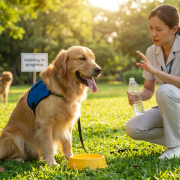
Position water stations at natural break points in your training flow. Between foundation training exercises, after demonstrating new commands, or whenever you’re managing multiple dogs at a facility, dogs should have immediate access to water without leaving the shade. Use elevated water bowls or troughs that keep water cooler longer and prevent contamination from ground debris.
Beyond drinking water, consider dunking stations for paws and chest areas. Dogs can cool their core temperature effectively through water contact on high-blood-flow areas like the chest, inner thighs, and paw pads. Some trainers use misting systems or shallow wading pools for brief cooling breaks. If you’re operating dog day care services alongside training, these cooling stations become essential infrastructure rather than optional upgrades.
Wet towels hung in shaded areas create natural evaporative cooling. Dogs can rest against them or lie near them, gaining relief without full immersion. For advanced dog training and similar warm climates, these towels refresh quickly under even moderate ventilation.
Keep cooling stations on a rotation system. Towels need regular rewetting, water needs refreshing, and surfaces need to stay clean. One person checking stations every 15-20 minutes during active training sessions isn’t overkill. It’s prevention against heat-related emergencies.
Using equipment and surfaces that minimize heat absorption
Your training equipment directly impacts how much thermal stress your dogs experience. Metal collars, leashes, and training tools heat up rapidly in the sun and can cause burns on sensitive skin. Switch to nylon or rubber-based equipment during late summer months, and keep them in shade when not in active use.
Training surfaces matter enormously. Rubber matting designed for dog training areas provides grip and comfort while staying cooler than concrete. Artificial turf has mixed results (it can heat up surprisingly), but natural grass remains the gold standard for temperature regulation. If grass isn’t available, mulch or wood chips absorb less heat than hard surfaces and provide natural cushioning for joints during repetitive training drills.
Consider lighter-colored equipment and clothing for yourself too. You’re modeling behavior, and your presence near your dog affects their stress levels. Wearing light colors and keeping yourself cool demonstrates the calm demeanor necessary for effective training. Dogs pick up on handler anxiety, and heat stress in handlers amplifies stress in dogs.
When working on foundation training,, environment influences retention and response quality. Dogs learn better in comfortable conditions, and late summer training on appropriate surfaces with minimal heat-absorbing equipment sets your dogs up for actual learning rather than survival mode.
Hydration and Nutrition Strategies
Implementing proper water protocols before, during, and after sessions
Water is your first line of defense against heat stress during late summer training sessions. But here’s the catch: there’s a right way and a wrong way to hydrate your dog when temperatures spike. Many trainers make the mistake of allowing unlimited water access right before intense exercise, which can lead to bloating or even water toxicity. Instead, give your dog small amounts (about 1 ounce per pound of body weight) roughly 30 to 60 minutes before training begins. This allows for proper digestion without the discomfort of a sloshing stomach during work.
During training sessions, the approach shifts significantly. Rather than one big drink, offer frequent small amounts of water at regular intervals. Think of it like human athletes sipping during a race rather than chugging a full bottle.
For a typical 30-minute training session in hot weather, pause every 10 minutes and let your dog drink a few mouthfuls. Keep fresh, cool water readily available at your training location. If you’re working indoors or in a facility, having multiple water stations prevents your dog from dehydrating while waiting for their turn.
Post-training hydration matters just as much as what happens before and during. After your session ends, wait about 5 to 10 minutes before offering water. Your dog’s core temperature remains elevated immediately after exercise, and drinking cold water too quickly can shock their system.
After that initial wait period, provide unlimited access to cool (not ice-cold) water for the next few hours. Monitor your dog’s drinking behavior. Excessive thirst beyond normal post-exercise consumption could indicate heat exhaustion, which warrants immediate veterinary attention.
Adjusting meal timing to prevent overheating and digestive issues
Feeding schedules need significant adjustment during late summer training. A dog working hard in high temperatures shouldn’t have a full meal sitting in their stomach during training sessions. Instead, shift meal timing to either several hours before training (at least 3 to 4 hours) or after your session concludes. This prevents the digestive burden that contributes to overheating and reduces the risk of bloat, a serious condition that can develop when dogs exercise on full stomachs in heat.
Many trainers working with dogs in hot conditions find success with lighter morning meals before evening training sessions. Your dog has time to digest, maintain steady energy levels, and arrive at training properly fueled but not heavily burdened. If you’re conducting morning sessions, consider feeding your dog the evening before and offering only a small snack a couple hours before training. The goal is energy without digestive stress.
Split feeding during hot months also helps. Rather than one large daily meal, divide it into two or three smaller portions. This approach aids digestion and reduces the metabolic heat generated by processing large amounts of food at once.
Your dog stays cooler overall while still receiving complete nutrition. Pay close attention to appetite changes too. Heat stress often suppresses hunger, which is actually your dog’s body signaling that intense activity shouldn’t happen that day.
Selecting appropriate treats and supplements for hot weather training
Treats remain essential motivators for effective dog training, but hot weather demands smart choices. Skip heavy, fatty treats that sit long in the digestive system and generate excess heat. Instead, opt for lighter options like small pieces of lean chicken breast, beef jerky strips (low-sodium varieties), or even frozen berries. These digest quickly and some even provide cooling benefits. Frozen treats take longer to consume, which naturally slows your dog’s training pace and gives them a cooling effect simultaneously.
Avoid high-sodium treats during summer sessions. The electrolyte imbalance they create can accelerate dehydration. Read treat labels carefully. Many commercial training treats contain salt levels designed for year-round use, not the demanding conditions of late summer heat. Low-sodium options ensure your dog stays properly hydrated without electrolyte disruption.
Regarding supplements, consult with your veterinarian before adding anything during hot months. While electrolyte supplements exist for dogs, they’re only necessary in specific situations and can cause problems if misused. Your dog’s regular diet, combined with proper hydration protocols, typically provides all necessary nutrition.
Some trainers introduce joint-support supplements during hot weather since heat affects mobility, but again, this requires veterinary guidance. The vital importance of hydration for dogs means supplements shouldn’t replace water and proper nutrition management. Keep things simple during summer: quality food, appropriate timing, smart treats, and consistent water access form the foundation of heat-safe training nutrition.
Modifying Training Techniques for High Temperatures
Emphasizing low-impact activities and controlled exercises
When temperatures climb into the high 80s and beyond, your dog’s body simply can’t handle the same intensity you’d normally demand during training sessions. This is where shifting your focus to low-impact activities becomes essential. Instead of running sprints or high-repetition jumping drills, pivot toward exercises that challenge your dog mentally while keeping physical strain minimal.
Walk-based training is your best friend during late summer. Slower paced leash work allows you to reinforce obedience while letting your dog move at a controlled speed. Focus on loose-leash walking techniques, heel work, and directional changes that don’t require explosive energy bursts.
This approach keeps your dog engaged without elevating their core temperature dangerously. Even fifteen to twenty minutes of structured walking in early morning hours beats a chaotic thirty-minute session in afternoon heat.
Incorporate ground-level work like down-stays, sit-stays, and place training. These stationary exercises build discipline and impulse control without the cardiovascular demand that comes with running or jumping. Your dog remains cooler while still receiving meaningful training instruction. Consider working in shaded areas, preferably near water features where the environment naturally stays cooler.
Swimming offers exceptional benefits during heat seasons. If you have access to pools or natural water bodies, water-based training reduces joint stress while providing excellent cooling. Aquatic exercises build muscle without the pavement impact, making them ideal for senior dogs or those prone to overheating. Just ensure proper pool safety protocols are always followed.
Using positive reinforcement methods that require less physical exertion
Your reward structure directly impacts how hard your dog works during training. In hot weather, shift toward rewards that don’t require your dog to perform high-energy behaviors in response. Instead of playing fetch or tug (which gets dogs excited and raises body temperature), use treat-based positive reinforcement exclusively.
Small, low-calorie treats work best here. Freeze-dried chicken, small pieces of carrot, or commercially available training treats let you reward frequently without overfeeding. Keep treats in an insulated pouch with ice packs to offer slightly cool rewards, which your dog will appreciate and find refreshing. The texture and temperature become part of the reward system itself.
Verbal praise and touch-based reinforcement reduce reliance on physical play. A calm, genuine “good dog” combined with gentle petting satisfies many dogs without triggering play drive. This maintains training momentum while keeping arousal levels manageable. Your dog learns that calm compliance gets rewarded, setting the right behavioral precedent.
Reduce repetition counts in each training session. Instead of asking for ten sit-stays, ask for three or four, reward generously, and end that exercise. Quality repetitions matter far more than quantity when heat is a factor. Your dog stays fresher, more focused, and less likely to show stress signals. This approach also aligns with brush up program principles that emphasize maintaining skills through consistent, manageable practice.
Incorporating mental stimulation activities as alternatives to high-energy drills
The dog brain doesn’t distinguish between physical and mental fatigue. A dog that’s solved puzzles, searched for hidden objects, or worked through decision-making exercises leaves training mentally satisfied even if they haven’t run a mile. This is your secret weapon for managing heat while maintaining engagement.
Scent work training is ideal. Hide treats or toys in accessible spots and encourage your dog to search. This taps natural prey drive and problem-solving ability without demanding cardiovascular output. You can conduct sessions indoors with air conditioning or in shaded outdoor areas. Even five minutes of focused scent work produces measurable mental fatigue.
Introduce puzzle toys and interactive feeders during training windows. Stuff them with moistened kibble or frozen treats, then let your dog work through the challenge. This redirects energy toward constructive problem-solving rather than high-impact physical activity. Frozen puzzle toys also provide subtle cooling as your dog works.
Work on impulse control exercises like “wait” and “leave it” protocols. These demand mental focus and self-regulation without physical exertion. Combine them with other techniques used in distraction dog training to build concentration even when external stimuli compete for attention. Your dog stays mentally engaged, learns valuable life skills, and doesn’t overheat in the process.
Staff Preparation and Emergency Response
Training your team to monitor dogs for heat-related distress
Your training staff are the frontline defenders against heat-related emergencies. They need to recognize the early warning signs before a situation becomes critical. This isn’t about panic or overreaction, it’s about developing a trained eye that catches subtle shifts in a dog’s behavior and physiology.
Start by teaching your team the classic heat stress indicators: excessive panting that goes beyond normal cooling, drooling that becomes thick and ropy, lethargy or sudden loss of interest in activities, glazed or unfocused eyes, and gums that turn bright red or pale. But here’s the thing most people miss, coordination problems and stumbling are also red flags that shouldn’t be ignored. A dog that suddenly can’t execute a command they’ve mastered dozens of times might be experiencing early heat stress rather than a training regression.
Create a simple monitoring checklist that trainers can reference during sessions. Include items like ambient temperature, humidity levels, and the dog’s baseline condition before training begins. Have staff take brief notes on individual dogs, particularly those prone to heat sensitivity or overexertion.
Breeds with flat faces, senior dogs, and dogs with thick double coats deserve extra scrutiny. The monitoring process doesn’t add much time to your day, but it prevents the kind of emergencies that end with veterinary visits or worse.
Establishing clear protocols for reducing intensity or stopping sessions
Protocol without clarity creates chaos when situations get tense. Your team needs to know exactly when to pause, when to scale back, and when to stop completely. This isn’t a gray area, and it shouldn’t depend on individual trainer judgment alone.
Develop a tiered response system. At the first sign of heat stress, immediately move the dog to shade, reduce the intensity of the current exercise, and offer water. This tier-one response is your first defense.
If symptoms persist after five minutes of rest and cooling, that’s tier two, shift to very light, low-impact activities only. Think gentle on-leash walking indoors or a quick refresher on basic sit and stay commands rather than any explosive movement. Tier three is straightforward, end the session entirely and prioritize recovery.
Make sure your trainers understand that stopping or pausing a session isn’t failure, it’s professional responsibility. A dog that’s overheated learns nothing during that moment anyway because their body is in survival mode, not learning mode. Document every instance where you’ve modified or stopped a session due to heat concerns. This creates a paper trail that demonstrates your commitment to dog welfare and protects your facility legally.
Your in-home training sessions require similar protocols, so when your team works with in home dog clients, ensure they have the same clear guidelines about when to pause and adjust. The principle stays constant whether you’re working in your facility or at a client’s residence.
Preparing cooling techniques and knowing when to seek veterinary care
Effective cooling techniques matter when every minute counts. Stock your facility with shade structures, cooling mats, and access to cold water. Keep towels available for wetting, though avoid ice-cold water which can cause peripheral vasoconstriction and actually trap heat inside the body. Lukewarm to cool water is your target temperature.
Have spray bottles readily accessible during training sessions. Light misting on a dog’s neck, inner ears, and paw pads helps with thermoregulation because those areas have higher surface blood flow. Some facilities use kiddie pools or shallow water stations, which works well as long as you’re supervising and dogs aren’t overheating further through continued activity.
Know your limits. Heat stroke is a medical emergency that requires immediate professional intervention. If a dog shows severe signs like collapse, seizures, difficulty breathing, or vomiting after heat exposure, get to a veterinarian immediately. Even if symptoms seem to resolve after cooling, a vet should evaluate the dog because internal organ damage from heat stroke isn’t always visible to the untrained eye.
Partner with local veterinary clinics and establish relationships before emergencies happen. Ask them about their availability during late summer months and what their protocol is for heat stroke cases. Your trainers should have emergency contact information memorized, not buried in a file somewhere. When your team works on advanced dog training or anywhere in high-heat environments, this preparation becomes non-negotiable. Staff preparedness and emergency response systems transform heat management from a liability into a strength, demonstrating to your clients and community that Hot Dog on a Leash takes every dog’s safety as seriously as training results. Invest in your team’s knowledge, establish clear protocols, and your facility becomes the trusted choice for summer training.