Strategic Dog Training Sessions for Integrating New Family Members in Summer 2026
Laying the Foundation: Pre-Arrival Preparations for a Smooth Integration
Assessing Your Current Dog’s Temperament and Needs
Bringing a new dog into your home, especially when you already have a beloved canine companion, is a significant event. It’s not just about adding another furry face; it’s about altering the dynamics of your existing pack. Before you even start thinking about breeds or adoption agencies, the first and most crucial step is to objectively assess your current dog’s temperament.
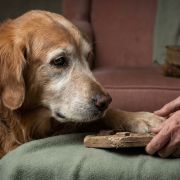
Is your dog generally laid-back and tolerant, or are they more prone to anxiety or territorial behaviors? Understanding these inherent traits is paramount. For example, a senior dog who thrives on routine and quiet might find a boisterous puppy overwhelming, whereas a playful younger dog might revel in the company of another energetic companion.
Observing their reactions to other dogs at the park or during walks can offer valuable insights. Do they approach cautiously, excitedly, or do they show signs of stress like lip-licking or tail-tucking?
Consider their needs as well. Does your dog require a lot of individual attention, or are they more independent? How do they react to changes in their environment or routine? These factors will heavily influence the type of new family member that would best integrate into your household. If your dog suffers from anxiety, for instance, introducing another anxious dog might amplify both their stresses. Conversely, a confident, calm companion might actually help. Sometimes, a professional assessment can be incredibly beneficial. A certified behaviorist can observe your dog’s interactions and provide a detailed temperament profile, helping you make an informed decision about bringing home. This isn’t about finding a “perfect” match, but rather minimizing potential friction points from the outset.
Optimizing Your Home Environment for New Arrivals
Once you’ve got a clearer picture of your current dog’s personality, it’s time to look at your living space through a fresh lens. Is your home genuinely ready for one more set of paws, or two, or three? Optimizing your home environment isn’t just about making space; it’s about minimizing competition and creating zones of comfort and security for both new and existing pets.
Think about resources: food bowls, water bowls, beds, toys, and even preferred resting spots. Having multiples of these items, ideally in separate areas, can prevent early squabbles over perceived scarcity. For instance, if you have one popular sunny spot where your current dog always naps, ensure there’s another equally inviting (and possibly sunny) spot available for the new arrival.
Creating “safe zones” is also critical. This could be a crate, a designated room, or even a raised bed that one dog can retreat to if they feel overwhelmed. These zones should be respected by all family members, human and canine.
Consider also the overall layout of your home. Are there tight hallways or narrow doorways that could lead to accidental, high-tension encounters? Adjusting furniture or using baby gates to create wider pass-throughs or temporary partitions can be incredibly helpful during the initial integration phase.
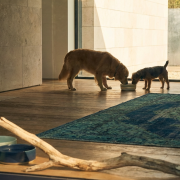
Think about how you’ll manage feeding times, which can sometimes be highly competitive. Feeding dogs in separate rooms or crates can reduce stress significantly. By proactively adjusting your home to accommodate the needs of both dogs, you’re building a physical framework for a peaceful coexistence.
Gathering Essential Supplies and Resources
Preparing for a new dog goes beyond just adjusting your home; it involves having all the necessary equipment ready before they walk through the door. This isn’t just about convenience; it’s about providing a sense of stability and routine from day one. You’ll need separate bowls for food and water, ideally made of different materials or placed in different locations to avoid any accidental confusion or territorial guarding.
Stock up on high-quality food appropriate for the new dog’s age, breed, and health requirements, and resist the urge to immediately switch them to your current dog’s diet. A gradual transition, if necessary, is kinder on their digestive system.
Beyond the basics, think about comfort. Every dog should have their own bed or dedicated resting spot. This helps establish personal space and reduces competition for prime napping locations.
New toys, especially indestructible chew toys, are also essential. These can serve as distractions and outlets for energy, and having their own set helps prevent “toy guarding” behaviors right from the start. Don’t forget leashes, collars or harnesses, and ID tags with up-to-date information.
While not strictly a “supply,” consider researching local veterinarians and groomers, especially if you’re bringing in a dog with specific health or grooming needs. Having these resources at your fingertips means less scrambling during what can be an already busy and emotional time. Planning ahead for these practicalities seriously reduces stress on both ends of the leash.
Developing a Household Routine Before Introduction
One of the most underestimated aspects of integrating a new dog is the establishment of a robust and predictable household routine, even before the new arrival appears. Dogs thrive on routine; it gives them a sense of security and reduces anxiety because they know what to expect. Think about your current dog’s daily schedule: walk times, meal times, playtimes, and quiet times.
Now, consider how a new dog will fit into that. Will you walk them together, or separately? Will meal times need to be staggered?
The answers to these questions will inform your new combined routine.
It’s beneficial to start implementing elements of this adjusted routine with your current dog a few weeks prior to the new dog’s arrival. For instance, if you anticipate needing to feed your existing dog at a slightly different time or in a different location, start that change gradually. This allows your current canine to adjust without the added stressor of a new family member. Practicing basic obedience commands, ensuring your dog is comfortable in their crate (if using one), and reinforcing good leash manners are all ways to strengthen your dog’s foundation before things change. A well-established routine provides a predictable structure that can significantly ease the transition for both dogs and helps prevent behavioral issues down the line. It’s like preparing the stage for a play; the more you rehearse and set things up beforehand, the smoother the actual performance will be. And remember, dog training is an ongoing process, not a one-time event.
Mastering the Introduction: Controlled Encounters for Lasting Harmony
Initial Scent and Sight Introductions
Once you’ve done all the groundwork covered in the previous section, it’s time for the actual introductions. And believe it or not, the first interaction isn’t usually nose-to-nose. It’s often through scent.
Dogs process a huge amount of information through their noses, so allowing them to get acquainted with each other’s smell before a direct visual meeting can significantly reduce anxiety. Try swapping blankets or toys between your current dog and the newcomer. Let them sniff at their leisure, getting used to the idea of the other’s presence.
What we’re aiming for here is a subtle, non-threatening exchange of data.
Then, once they’ve had a day or two to process these new smells, you can move to controlled sight introductions. This often means having them see each other from a distance, perhaps through a baby gate or across a room, without direct physical contact. Keep these first visual encounters very brief and positive. High-value treats, praise, and any benefits of dog will go a long way in creating a positive association. The goal is to build curiosity and comfort, not overwhelm.
Supervised Parallel Play and Activity Sessions
After successful scent and sight introductions, the next step is parallel play. This is not about them playing together immediately, but rather playing or engaging in activities near each other. Think of it like two kids playing with their own toys in the same room. You want them to acknowledge each other’s presence without feeling the pressure to interact directly. This reduces competition and allows them to observe each other’s behavior in a relaxed setting.
For example, you could take them on a basic obedience dog walk side-by-side (with two handlers, always), maintaining a comfortable distance. Or, inside the home, give each dog a separate chew toy or Kong filled with a treat, ensuring there’s enough space between them that they don’t feel encroached upon. These sessions should always be supervised, short, and end on a positive note. We’re looking for calm, neutral behavior, not necessarily overt friendliness at this stage. Patience here is absolutely key, and rushing things can set you back significantly.
Managing Excitement and Over-Stimulation
One of the biggest hurdles in integrating new family members is managing excitement, both yours and your dogs’. It’s natural to want them to be best friends instantly, but too much enthusiasm can be counterproductive. Dogs, especially those new to a situation or those with existing anxieties, can easily become over-stimulated.
This might manifest as excessive barking, lunging, ignoring commands, or even aggression. Recognizing the signs of over-stimulation – lip licking, yawning (when not tired), averted gaze, stiff body posture – is crucial for any successful dog training.
If you notice either dog starting to get too excited or stressed, it’s time for a break. Immediately separate them into their safe spaces for a cooling-off period. This isn’t a punishment, but rather a chance for them to decompress. Keep introductions short, controlled, and frequent rather than long and drawn out. Think quality over quantity. And remember, summer can add another layer to this; the heat can make dogs more irritable or less tolerant, so always factor that into your session planning. Providing a consistent schedule and clear boundaries can also help manage expectations and reduce unwanted excitement. Have you considered enrolling them in additional brush up program sessions?
The Role of Neutral Territories in First Meetings
When it comes to initial face-to-face meetings, a neutral territory is your best friend. Why? Because neither dog has established ownership or territory in a new, unfamiliar place, reducing the likelihood of territorial disputes or anxiety. Bringing a new dog directly into your existing dog’s backyard, for example, can immediately put your resident dog on guard, feeling the need to defend their space.
A neutral territory could be a quiet park, a friend’s large, fenced yard they haven’t visited often, or even a rented space like a agility training facility during off-hours. The environment should be calm, with minimal distractions, and feel safe for both animals and handlers. Always keep both dogs on leashes with separate handlers, ready to calmly redirect if necessary. The first few interactions should focus on simply walking alongside each other, sniffing the same areas at different times, and generally coexisting without direct pressure to interact. These low-stakes environments set the stage for positive associations and pave the way for more comfortable interactions back home. Remember, the goal is building a relationship based on respect and comfort, not forcing friendship. Sometimes, a professional assessment through an animal behavioral consultation can provide invaluable insights for these crucial first encounters, especially if you anticipate any challenges.
Summer-Specific Training Strategies for New Family Dynamics
Leveraging Outdoor Spaces for Training and Socialization
Summer offers a fantastic opportunity to integrate new family members, whether they have two legs or four, by utilizing outdoor spaces for dog training and socialization. Think about it: a backyard, a local park, or even a quiet neighborhood street can become an extended classroom. This allows for a more relaxed and natural environment compared to solely indoor training, which can sometimes feel confined for a dog.
For instance, practicing basic commands like “sit” or “stay” in a park setting, with gentle distractions such as squirrels or distant children, helps generalize these behaviors. It teaches your dog that obedience isn’t just for the living room; it’s an expectation everywhere.
Moreover, outdoor settings provide crucial socialization opportunities. Introducing your new dog to new sights, sounds, and smells is vital for developing a well-adjusted companion. Consider controlled introductions to other calm dogs at a dog park during off-peak hours, or simply observing people from a distance. The goal here isn’t to overwhelm, but to gradually expose them to the bustling world. This kind of environmental enrichment helps build confidence and reduces the likelihood of fear-based behaviors down the line. Remember, positive experiences during these early stages are paramount. A good starting point for foundational behaviors is detailed in foundation training..
When integrating a new human family member, like a baby or an older child, outdoor training can be incredibly beneficial. Structured play sessions outside, where the dog learns to interact calmly with the child under supervision, can foster a strong bond. For example, teaching your dog to “settle” on a mat while the child plays nearby helps establish boundaries and promotes a sense of security for both.
Using high-value treats and consistent verbal praise makes these interactions positive and rewarding. Have you considered how a change of scenery might impact your dog’s learning ability?
Addressing Heat-Related Behavioral Changes and Comfort
Summer heat can significantly impact a dog’s behavior and comfort, especially when they are undergoing the stress of integrating into a new family. Just like humans, dogs can become irritable, lethargic, or even exhibit anxiety when overheated. Recognizing these signs is crucial.
For instance, excessive panting, seeking shade more often, or a reduced desire to play are all indicators that your dog might be uncomfortable. To mitigate this, schedule training sessions during cooler parts of the day, such as early morning or late evening. Midday walks or intense training should be avoided entirely during peak summer temperatures.
Ensuring your dog’s comfort is non-negotiable. This means providing ample fresh water, access to shade, and perhaps even cooling mats or vests. For breeds prone to overheating, like brachycephalic (short-nosed) dogs, these measures are even more critical.
If you notice your dog becoming agitated or withdrawn during training, it’s often a sign they’re too hot. Pushing them in these conditions can lead to negative associations with training, hindering progress with their dog training. Maintaining a comfortable temperature helps keep dogs engaged and receptive to learning, which is essential for successful integration.
Are you aware of your dog’s specific heat tolerance?
Incorporating Water Safety and Recreation
Water can be a fantastic tool for recreation and even training during the summer, but safety must always come first, especially with new family members. Not all dogs are natural swimmers, and introducing them to water requires patience and a structured approach. For a dog new to water, start with shallow, calm areas.
Use a life vest, even if they seem confident, as it provides an extra layer of security. Entice them with floating toys or treats, always ensuring a positive and non-threatening experience.
When integrating children, teaching the dog appropriate behavior around water is key. For example, training a “wait” command before jumping into a pool or a “leave it” command for pool toys can prevent accidental splashing or overexcitement. Structured water play can be a wonderful way to burn off energy and strengthen bonds, but it should always be supervised. This isn’t just about fun; it’s about teaching impulse control and respectful interaction in a novel environment. Remember to always rinse your dog after swimming to remove chlorine or salt, which can irritate their skin. It’s an often-overlooked aspect, but understanding dog training. what can significantly impact these recreational activities.
Maintaining Training Consistency During Vacation Periods
Summer often brings vacation plans, and these travel periods can pose a significant challenge to maintaining dog training consistency, especially when integrating new family members. It’s easy for routines to fall apart, and for a dog, especially one still adjusting, inconsistency can lead to confusion and regression. The key here is proactive planning. If you’re traveling, research dog-friendly accommodations and activities that allow you to continue your training schedule.
Even small, short training sessions during a vacation can make a big difference. Five to ten minutes, a few times a day, practicing basic commands or reinforcing positive interactions, can prevent a complete derailment of progress. Consider taking a favorite toy or comfort item from home to help maintain a sense of familiarity in new surroundings. If you’re utilizing a in home dog or boarding facility, ensure they are aware of your dog’s training routine and integration goals. Providing them with specific instructions helps bridge the gap. Consistency, even in small doses, is paramount for solidifying learned behaviors and helping your dog feel secure within their evolving family structure. Think about how you can incorporate brief training moments into your travel schedule without adding stress to your trip.
Building Positive Relationships Through Ongoing Training and Enrichment
Reinforcing Positive Interactions Between Dogs and Family Members
Once you’ve navigated the initial introductions and summer-specific strategies, the ongoing reinforcement of positive interactions becomes your cornerstone for harmonious living. This isn’t a one-and-done deal; it’s a continuous process. Think of it like building muscle – you need to keep working at it.
So, how do you do this effectively? Start by creating a structured routine where positive encounters are predictable and rewarding. This might involve supervised playtime, shared walks (even if parallel and not directly together at first), or simply quiet time in the same room.
The key here is to associate the presence of other family members with good things, especially for your established dog when a new canine joins the pack, or vice versa. Use high-value treats and enthusiastic praise for calm behavior or brief, positive interactions. For instance, if your existing dog remains calm while the new puppy investigates their toy box from a distance, that’s a win that deserves acknowledgment.
Remember, consistency is crucial. Every positive experience, no matter how small, adds another brick to that wall of trust and acceptance. Do you make sure every interaction is a positive one?
What happens if you don’t?
Implementing Individual and Group Training Sessions
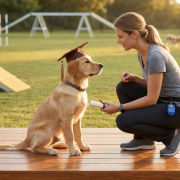
Effective training isn’t just about teaching commands; it’s about building communication and reinforcing your leadership role in a positive way. When integrating new family members, you’ll need a dual approach: individual sessions and carefully managed group sessions. Individual training sessions are essential for each dog to solidify their understanding of basic commands and to bond with you one-on-one. This ensures that each dog feels secure in their relationship with you and understands what’s expected of them, reducing potential anxiety that could spill into group dynamics. For example, spending 10-15 minutes separately with each dog working on “sit,” “stay,” and “come” in a low-distraction environment can work wonders. After individual skills are solid, gradually introduce short, structured group training sessions. These sessions should be controlled, positive, and focused on reinforcing calm coexistence. For instance, practice parallel “downs” where both dogs are rewarded for staying in position near each other. This isn’t about competing for attention; it’s about learning to be present together peacefully. For more foundational skills, consider enrolling in basic dog training.
Utilizing Enrichment Activities to Reduce Stress
Stress is often a major catalyst for conflict, especially when integrating new dogs into a household. So, mitigating stress through regular and appropriate enrichment activities is absolutely vital. Enrichment isn’t just about keeping dogs busy; it’s about providing mental and physical stimulation that satisfies their natural instincts and helps them decompress. This can range from puzzle feeders that challenge their minds to structured play that burns off excess energy. For instance, consider using snuffle mats or Kongs stuffed with treats to engage their foraging instincts, or incorporate scent training exercises which can be incredibly mentally stimulating and calming for dogs. Rotate toys and activities regularly to prevent boredom. Do you offer different types of enrichment? Furthermore, ensure that each dog has their own designated safe space, like a crate or a bed in a quiet corner, where they can retreat and feel secure. This individual retreat reduces competition for resources and personal space, which is often a significant source of tension. Adequate physical exercise, tailored to each dog’s age and breed, is also key. A tired dog is often a well-behaved dog.
Recognizing and Addressing Early Signs of Conflict
Even with the best preparation and ongoing training, conflicts can arise – it’s just part of dealing with sentient beings. The crucial part is recognizing the early signs of tension and addressing them BEFORE they escalate. Dogs communicate constantly through their body language, and learning to “read” their signals is paramount.
Are you fluent in canine body language? Look for subtle cues like stiff body postures, direct prolonged stares, whale eye (where the whites of their eyes are visible), lip licking, yawning (in a non-sleepy context), or a low, tucked tail. Even freezing or very slow movements can indicate stress.
Excessive sniffing of the ground can also be a displacement behavior signifying anxiety. If you observe these early signs, redirect attention immediately with a calm, clear command, or physically separate the dogs with a positive interruption (e.g., calling them for a treat in separate areas). Avoid punishment, as this can suppress the outward display of aggression while increasing internal stress, potentially leading to more severe outbursts later.
Instead, use these moments as training opportunities to reinforce calm behavior and positive social skills. Early intervention is always better than reacting to an already-escalated situation.
Troubleshooting Common Challenges and Seeking Professional Guidance
Identifying and Correcting Resource Guarding Behaviors
Even with the best preparation, resource guarding can sometimes emerge in multi-dog households, especially when integrating a new dog. This is essentially a dog protecting something they perceive as valuable (food, toys, a favorite sleeping spot, or even a person) from other dogs or people. It’s a natural canine instinct, but one that needs careful management for a harmonious home.
What does it look like? You might see stiff body language, growling, lunging, or even snapping if another dog or person approaches their perceived “resource.” Addressing this early is crucial, as it can escalate if left unmanaged. We typically start with management strategies, like feeding dogs separately in different rooms or crates, and ensuring high-value toys are only given when dogs are supervised and separated.
Then, we move to counter-conditioning and desensitization. This involves creating positive associations with the presence of other dogs near valued items. For example, if your new family member guards their food, you might start by having the other dog on a leash at a distance while the guarding dog eats, slowly decreasing the distance while offering the guarding dog extra high-value treats (like small pieces of chicken or cheese) when the other dog is present but not encroaching.
The goal is to change their emotional response from “danger, defend my food!” to “oh, other dog means extra yummy things happen!”
Managing Separation Anxiety in New Dog Households
Integrating a new dog into a family can also sometimes trigger or exacerbate separation anxiety, either in the new dog or an existing resident dog. This is particularly true in summer, when routines might be more variable. Separation anxiety manifests in various ways: excessive barking, howling, destructive chewing, inappropriate urination or defecation, or even frantic attempts to escape when left alone.
The key here is not just prevention but also proactive management and training. For the new dog, gradually increasing the time they are left alone, starting from just a few minutes, is essential. We use positive associations with departures, like giving a puzzle toy stuffed with delicious treats right before you leave.
For existing dogs who might react to the new dynamic, it’s about maintaining their established routines as much as possible and ensuring they still receive individual attention and enrichment. For severe cases, it requires a more structured approach. This might involve desensitization exercises where you practice departure cues (grabbing keys, putting on shoes) without actually leaving, or structured schedules that include dedicated alone time for each dog.
Consistency is paramount, and patience is a virtue when dealing with anxiety-related behaviors.
When to Engage a Certified Professional Dog Trainer
While many common integration challenges can be addressed with consistent training and management at home, there are definitely times when bringing in a certified professional dog trainer (CPDT) or even a veterinary behaviorist is the smartest, most efficient, and safest course of action. So, how do you know when to call in the cavalry? If you’re seeing persistent aggression (growling, snapping, lunging that doesn’t resolve with your proactive training), severe anxiety (like profound separation distress that leads to self-harm or significant destruction), or behaviors that are escalating rather than improving, it’s time to reach out. A professional can provide an objective assessment of your specific household dynamics, identify underlying triggers you might be missing, and develop a tailored training plan that often includes nuances only an experienced eye can spot. They can also guide you through complex behaviors like inter-dog aggression or fear-based reactions, ensuring safety for all family members, both human and canine. Remember, dog training is an ongoing journey, but sometimes a specialist’s guidance makes all the difference in navigating bumps in the road.
Leveraging Dog Day Care for Socialization and Structure
For many families integrating a new dog, especially during the busy summer months, Dog Day Care can be an invaluable resource. How so? Well, it offers supervised socialization opportunities, which are critical for new dogs learning appropriate canine social cues, especially if they haven’t had much exposure to other dogs before.
Our structured environment helps reinforce good manners and can even contribute to building confidence in shy dogs. Beyond socialization, Dog Day Care provides a fantastic outlet for physical and mental energy. A tired dog is often a well-behaved dog, and a few days a week at day care can mean your new family member is less likely to engage in destructive behaviors at home due to boredom or pent-up energy.
This is particularly beneficial when managing separation anxiety, as it breaks up the day and provides positive engagement. It also offers a consistent routine, which dogs thrive on, especially during a period of adjustment. Reputable Dog Day Care facilities (like ours!) screen dogs for temperament, ensuring a safe play environment, and often have staff trained in canine behavior who can monitor interactions and provide feedback on your dog’s progress.
It’s an excellent tool to support your home training efforts, providing complementary enrichment and structure during this transitional period.
Integrating a new dog into your family, especially when summer activities are in full swing, is a commitment that truly pays off with patience and proactive planning. By understanding potential challenges like resource guarding and separation anxiety, knowing when to seek professional guidance, and leveraging resources like Dog Day Care, you can ensure a smoother, more joyful transition for everyone involved. Remember, every dog is an individual, and flexibility alongside consistent, positive dog training will pave the way for a harmonious household. Don’t hesitate to reach out to certified professionals for support; they can be wonderful partners in creating a happy, integrated family.