
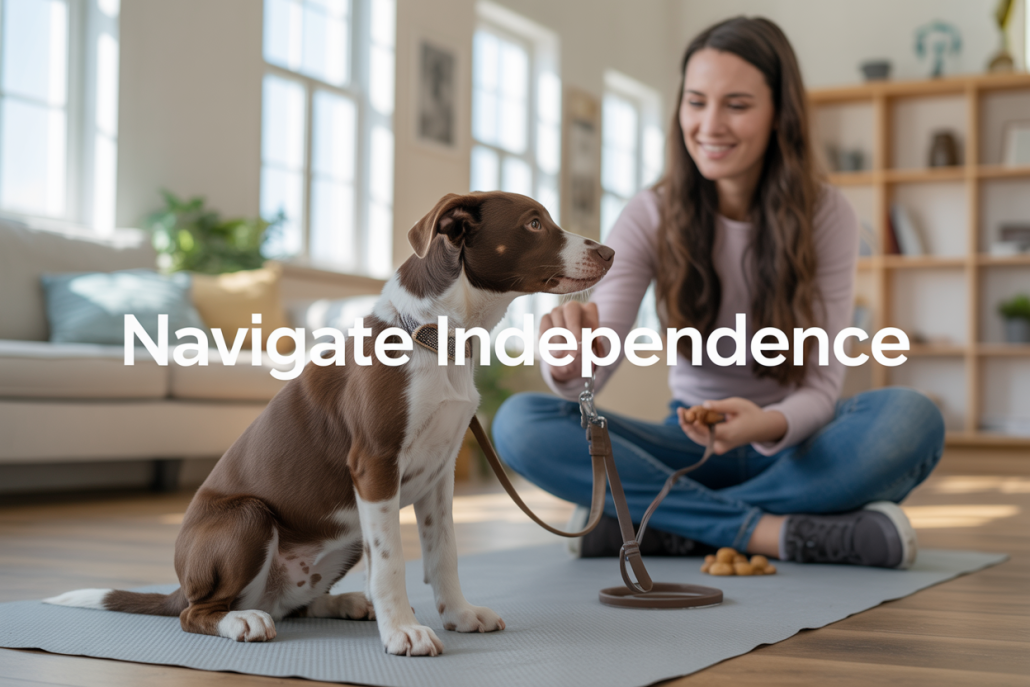
Helping Adolescent Dogs Navigate Independence Without Regression
Helping Adolescent Dogs Navigate Independence Without Regression
Your once-obedient puppy suddenly acts like they’ve forgotten everything you taught them. Sound familiar? This guide is for dog owners dealing with teenage dog behavior problems and wondering how to support their adolescent pup through this tricky phase without losing all the progress you’ve made together.
Adolescent dog training requires a different approach than puppy training. Your dog is testing boundaries, asserting independence, and dealing with hormonal changes that affect their behavior and decision-making. The good news? With the right strategies, you can guide them through this stage while building their confidence and maintaining your bond.
We’ll walk through how to recognize key adolescent dog development stages, so you know what to expect and when. You’ll learn practical exercises to build your dog’s confidence and foster healthy independence without triggering puppy regression. Finally, we’ll cover how to maintain consistent dog training boundaries that support your teenager’s growth while keeping everyone sane during this challenging but temporary phase.
Recognize Critical Adolescent Development Milestones
Identify typical age ranges for canine adolescence
Canine adolescence typically begins between 6 and 12 months of age, though this varies significantly by breed size and individual development. Small breeds often enter this phase earlier, around 6-8 months, while larger breeds may not hit adolescence until 12-18 months. The adolescent phase generally lasts until 18-24 months for most dogs, with giant breeds sometimes extending into their third year.
During this adolescent dog development stage, you’ll notice your once-obedient puppy suddenly acting like they’ve forgotten everything you taught them. This isn’t defiance – it’s normal brain development. The teenage dog brain undergoes significant restructuring, similar to human adolescents, making this period both challenging and crucial for long-term success.
Understanding your dog’s specific breed timeline helps set realistic expectations. A six-month-old Golden Retriever puppy entering adolescence will behave very differently from a two-year-old Great Dane just finishing this phase. Tracking these milestones helps you adjust your adolescent dog training approach.
Understand hormonal changes affecting behavior
Hormonal surges during adolescence create dramatic behavioral shifts that catch many owners off guard. Sexual maturity is associated with increased testosterone in males and estrogen fluctuations in females, which directly affect decision-making and impulse control. These hormonal changes often trigger increased territorial behaviors, heightened reactivity, and selective hearing that drives owners to frustration.
Male dogs may suddenly become more interested in marking territory, challenging other dogs, or showing increased independence from their owners. Female dogs may exhibit mood swings, become more selective in social interactions, or show increased guarding behaviors. These teenage dog behavior problems stem from biological processes, not intentional disobedience.
The prefrontal cortex – responsible for decision-making and impulse control – develops more slowly than emotional centers in the brain. This creates a perfect storm in which your dog experiences strong emotions but lacks the mental tools to regulate them effectively. Recognizing this biological reality helps you respond with patience rather than punishment, supporting healthy development rather than creating additional stress.
Recognize signs of growing independence needs
Adolescent dogs naturally push boundaries as they develop their own identity and confidence. You might notice your dog suddenly ignoring previously reliable commands, especially in exciting or distracting environments. This selective listening often appears first during walks, at dog parks, or when meeting new people – situations where your dog feels confident enough to make independent choices.
Physical changes accompany these behavioral shifts. Your dog may start pulling more on leash, investigating new areas with increased confidence, or showing less interest in staying close to you during off-leash time. These behaviors signal healthy development when managed properly, but can become problematic without appropriate guidance.
Dog independence training becomes essential during this phase. Your adolescent dog needs opportunities to make choices and experience natural consequences while still maintaining safety and respect for household rules. This might mean allowing longer sniffing sessions during walks while maintaining leash manners, or providing puzzle toys that challenge problem-solving skills independently.
Spot potential regression warning signals
Puppy regression issues often manifest as a complete breakdown of previously solid behaviors. House training accidents, destructive chewing, excessive barking, or separation anxiety may suddenly reappear. These regressions typically indicate stress, confusion, or inadequate support during developmental transitions rather than deliberate defiance.
Watch for subtle early warning signs before full regression occurs. Increased anxiety around familiar situations, reluctance to engage in previously enjoyed activities, or changes in sleep and eating patterns often precede behavioral setbacks. Your dog might become more clingy or conversely, more distant and avoidant.
Environmental factors frequently trigger regression episodes. Changes in routine, moving homes, family additions, or even seasonal shifts can overwhelm an adolescent dog’s developing coping mechanisms. Teenage dog behavioral challenges intensify when multiple stressors combine with normal developmental pressures, creating situations where your dog simply cannot maintain previous behavioral standards without additional support.
Build Confidence Through Structured Independence Training
Establish gradual alone-time practice sessions
Start with micro-sessions of just 2-3 minutes when your adolescent dog is calm and content. Many dog parents make the mistake of jumping straight into hour-long departures, which can trigger anxiety and undo previous training progress. Begin by stepping into another room while your dog remains in their designated space, then gradually extend the duration as they show comfort with shorter intervals.
The key to successful adolescent dog training lies in reading your dog’s body language during these practice sessions. Watch for signs of stress, such as pacing, whining, or destructive behaviors. If you notice these signals, you’ve pushed too far too fast. Scale back to a duration at which your dog remains relaxed, and build from there.
Create a consistent routine around these practice sessions. Use the same departure cues each time – perhaps picking up your keys or putting on your jacket – so your dog learns these actions don’t always mean extended alone time. This approach helps prevent teenage dog behavior problems from developing around separation anxiety.
Create positive associations with solo activities
Transform alone time from something your dog endures into something they actually enjoy. Puzzle toys filled with high-value treats, frozen Kong toys, or snuffle mats are highly effective at keeping adolescent minds engaged. The goal is to make solo time feel rewarding rather than punishing.
Timing matters enormously here. Introduce these special items only when your dog will be alone, creating a clear connection between your departure and positive outcomes. Remove these items when you return, maintaining their exclusive appeal. This approach to building your adolescent dog’s confidence teaches your adolescent dog that independence brings unique rewards.
Rotate through different activities to prevent boredom. Monday might feature a puzzle feeder, while Wednesday brings out the chew toy reserved for alone time. This variety keeps your teenage dog’s brain engaged and looking forward to solo sessions rather than dreading them.
Implement reward-based independence exercises
Design specific exercises that reward calm, independent behavior throughout your daily routine. Start with simple tasks, such as teaching your dog to settle on their bed while you prepare meals or work at your desk. Reward every moment of calm independence with praise or small treats.
The “place” command is invaluable during this phase of adolescent dog development. Teach your dog to go to their designated spot and remain there while you move around the house. Begin with short distances and brief durations, gradually increasing both as your dog demonstrates success.
Practice independence during exciting times, too, not just when your dog is naturally tired. Can they maintain a calm setting while guests arrive? Can they stay in place while you answer the door? These real-world scenarios build genuine confidence and prevent puppy regression issues that often surface during adolescence.
Design age-appropriate challenge levels
Match your training expectations to your dog’s developmental stage. A 6-month-old adolescent dog has different capabilities than a 12-month-old, even within the same individual. Their attention spans, emotional regulation, and physical stamina continue to develop throughout the teenage years.
Start with challenges that feel achievable rather than overwhelming. If your dog can currently handle 10 minutes alone, aim for 12-15 minutes next, not 30 minutes. This gradual progression builds genuine confidence rather than forcing compliance through stress.
Adjust your approach based on your dog’s unique personality and breed characteristics. High-energy breeds may need more mental stimulation during independence training, while sensitive breeds may require a slower progression and more positive reinforcement. The most effective dog independence training recognizes these individual differences and adapts accordingly.
Maintain Consistent Boundaries During Growth Phases
Reinforce Established House Rules and Commands
During the teenage phase, your dog will likely challenge every rule they’ve learned, testing boundaries like a rebellious teenager. This doesn’t mean your previous training was ineffective—it’s actually a normal part of adolescent dog development stages. The key is staying rock-solid consistent with your expectations. If your dog wasn’t allowed on the couch as a puppy, they shouldn’t be allowed now, even if they’re giving you those irresistible puppy eyes.
Practice basic commands daily, even the ones your dog has “mastered.” Their developing brain is reorganizing itself, which can temporarily disrupt previously learned behaviors. Short, frequent training sessions are more effective than longer ones during this phase. When your dog ignores a sit command they’ve known for months, don’t get frustrated—calmly repeat the command and reward compliance immediately.
Balance Freedom with Necessary Limitations
Teenage dog behavior problems often stem from too much freedom too quickly. Your adolescent dog craves independence, but their judgment isn’t fully developed yet. Think of it like giving car keys to a 16-year-old—they need gradual increases in responsibility.
Start with supervised freedom in controlled environments. Allow your dog to explore the backyard off-leash before progressing to larger spaces. Indoor freedom should expand room by room, only after demonstrating reliability in each area. This gradual approach prevents overwhelming your dog while systematically building their confidence.
Create “freedom windows”—specific times when your dog can enjoy more relaxed rules, like a designated play session where they can be more rambunctious. This satisfies their need for autonomy while maintaining structure throughout the rest of the day.
Address Testing Behaviors with Calm Authority
Your dog will test every boundary you’ve set, often with behaviors you thought were long gone. Consistent dog training boundaries require unwavering patience during these moments. When your dog jumps on guests after months of polite greetings, resist the urge to raise your voice or show frustration.
Respond to testing behaviors the same way every time. If your dog pulls on the leash, stop walking immediately—don’t continue while lecturing them. Your actions speak louder than words during this developmental stage. Stay calm, redirect the behavior, and reward compliance. Dogs read our energy, and maintaining steady leadership helps them feel secure during this confusing time.
Remember that behavioral challenges in teenage dogs are temporary. Your dog isn’t being deliberately defiant—they’re navigating complex neurological changes while learning to be independent adults.
Prevent Backsliding in Training Progress
Puppy regression issues during adolescence can feel disheartening, but they’re completely normal. Your house-trained dog might have accidents, or your well-mannered pup might start resource guarding again. Don’t panic—this isn’t permanent regression, it’s developmental turbulence.
Return to basics without shame. If house training becomes unreliable, go back to frequent potty breaks and close supervision. If leash manners deteriorate, practice in low-distraction environments before returning to busy streets. Think of it as refresher training rather than starting over.
Document your dog’s progress to maintain perspective. Keep a simple log of good days versus challenging ones. You’ll often find that even during difficult weeks, there are more successes than setbacks. This helps you stay positive and consistent with your adolescent dog training approach, setting both you and your dog up for long-term success.
Address Common Adolescent Behavioral Challenges
Manage increased energy and restlessness effectively
Your once-calm puppy has suddenly turned into a furry tornado, bouncing off walls and seeming to have unlimited energy reserves. This surge in activity is completely normal during adolescent dog development stages and requires strategic management rather than suppression.
Channel this energy into productive activities by increasing mental stimulation through puzzle toys, scent work, and training sessions that engage their brain. Physical exercise alone won’t cut it – adolescent dogs need their minds challenged as much as their bodies. Try hiding treats around the house, teaching new tricks, or introducing agility exercises that combine physical and mental work.
Create structured energy outlets throughout the day. Morning runs or fetch sessions help burn off initial energy, while afternoon training sessions provide mental engagement when they start getting restless again. Evening walks should focus on calm exploration rather than high-intensity activity to help them wind down.
When dealing with teenage dog behavior problems related to hyperactivity, avoid inadvertently rewarding the behavior with attention. Instead, redirect excessive energy toward appropriate activities before it escalates into destructive behaviors.
Handle selective hearing and command resistance
The dog that once came running when called now acts as if it has suddenly become deaf. This selective hearing isn’t defiance – it’s brain development in action. During adolescence, dogs experience neurological changes that affect impulse control and decision-making.
Stay patient but firm with your expectations. When your dog ignores a command, don’t repeat it. Instead, move closer, get their attention, and ask once more. If they still don’t respond, gently guide them into the desired behavior and reward compliance.
Make commands more appealing by increasing reward value during this phase. High-value treats, enthusiastic praise, or brief play sessions can help maintain their motivation to respond. Practice commands in low-distraction environments first, gradually increasing difficulty as their focus improves.
Consistent dog-training boundaries are especially important now. Every family member should use the same commands and enforce the same rules to avoid confusing your adolescent dog during this already challenging developmental period.
Navigate social confidence fluctuations
Your previously social butterfly might suddenly become hesitant around new dogs or people, while a once-shy puppy might become overly bold. These confidence swings are part of the normal adolescent dog-training challenges as they develop their adult social skills.
Watch for signs of stress or overwhelm during social interactions. Panting, excessive pacing, or avoiding contact might indicate your dog needs space. Don’t force interactions, but don’t completely avoid them either. Instead, control the environment by choosing calm, well-behaved dogs for socialization and keeping sessions short.
Build positive associations by pairing social experiences with good things. Bring special treats to dog parks, or have visitors offer rewards upon arrival. This helps your dog learn that new experiences and people bring good things rather than stress.
Some days your dog will be confident and outgoing; on others, they might be more reserved. Accept these fluctuations rather than pushing them beyond their comfort zone. Gradual exposure with positive outcomes builds lasting confidence better than forcing interactions.
Deal with attention-seeking behaviors
Adolescent dogs often develop creative ways to get your attention, from barking and jumping to stealing socks or nudging your laptop closed. These behaviors increase during adolescence as dogs test boundaries and seek engagement.
The golden rule: never give attention to attention-seeking behavior, even negative attention. When your dog jumps on you for pets, turn away and ignore them until all four paws are on the ground. When they bark for attention, leave the room briefly rather than telling them to be quiet.
Proactively focus on positive behaviors instead. Pet your dog when they’re lying calmly, offer treats when they’re chewing appropriate toys, or start a play session when they bring you a ball rather than demanding attention inappropriately.
Create regular attention periods throughout the day so your dog doesn’t feel the need to demand it. Schedule short training sessions, grooming time, or play breaks that provide the interaction they crave while reinforcing that positive outcomes follow calm, appropriate behavior rather than pestering.
Support Emotional Regulation During Transitions
Provide mental stimulation for developing minds
Adolescent dogs undergo rapid brain development that requires sustained cognitive engagement. Their curious minds need challenging activities that prevent boredom-induced destructive behaviors. Puzzle toys, interactive feeders, and scent work provide excellent outlets for their expanding cognitive abilities. Rotating mental exercises helps keep young dogs engaged and prevents problem behaviors during this critical adolescent stage of development.
Training sessions should incorporate new commands and tricks that challenge their growing intelligence. Short, frequent training sessions are more effective than lengthy ones because teenage dogs have shorter attention spans. Hide-and-seek games, treasure hunts with treats, and obstacle courses made from household items stimulate problem-solving skills and build confidence.
Maintain predictable daily routines and structure
Consistency is your secret weapon when addressing teenage dog behavioral challenges. Regular feeding times, exercise schedules, and bedtime routines provide security during this uncertain developmental period. Dogs thrive on predictability, and adolescents especially need this stability as their bodies and minds undergo significant changes.
Create a structured daily schedule that includes designated times for meals, walks, training, play, and rest. This predictable framework helps reduce anxiety and provides clear expectations for your young dog. When dogs know what comes next, they feel more secure and are less likely to act out or regress in their training.
Offer comfort during overwhelming situations
Young dogs can become easily overwhelmed by new experiences, loud noises, or social situations. Recognizing signs of stress early allows you to intervene before your dog becomes completely overwhelmed. Watch for excessive panting, drooling, trembling, or attempts to hide.
Create a designated safe space where your adolescent dog can retreat when feeling stressed. This might be a comfortable crate, a quiet room, or a specific corner with their favorite blanket. Teaching them to seek this space voluntarily helps develop healthy adolescent dog emotional regulation skills.
During stressful situations, remain calm and provide gentle reassurance without reinforcing fearful behavior. Use soothing tones and slow movements to help your dog feel more secure.
Encourage healthy coping mechanisms
Teaching your adolescent dog appropriate ways to handle stress and excitement prevents the development of problematic coping strategies. Dog confidence-building exercises play a crucial role in helping young dogs learn to manage their emotions effectively.
Introduce controlled exposure to mildly challenging situations to gradually build their tolerance and confidence. Start with low-intensity experiences and slowly increase difficulty as your dog demonstrates comfort and success. This systematic approach prevents overwhelming your dog while building resilience.
Reward calm behavior during potentially stressful situations with treats, praise, or play. This positive reinforcement helps your dog associate good things with staying composed under pressure. Teaching specific behaviors like “settle” or “place” gives your dog clear actions to take when feeling uncertain, replacing anxiety with purposeful activity.
Your adolescent dog’s journey to independence doesn’t have to feel like a constant uphill battle. By staying aware of developmental milestones, creating structured opportunities for independence, and keeping boundaries clear, you can help your dog grow into a confident adult. Remember that those frustrating teenage behaviors are temporary – your dog is simply figuring out their place in the world while their brain continues developing.
The key is patience combined with consistency. When you support your dog’s emotional growth while addressing behavioral challenges head-on, you’re setting both of you up for long-term success. Trust the process, celebrate small wins, and don’t hesitate to adjust your approach as your dog’s needs change. The independent, well-adjusted adult dog you’re working toward is absolutely worth the effort you’re putting in today.
Looking to create better habits and stronger communication with your dog? Our Basic Dog Training in Carlsbad, CA, builds obedience and confidence through positive, structured lessons. For focused one-on-one sessions, our Private Dog Training in Carlsbad, CA, provides customized guidance for lasting results. If you want an immersive experience, our Board & Train in Carlsbad, CA delivers consistent, professional instruction that accelerates progress. Learn more about expert Dog Training and discover top-rated Dog Training in Carlsbad designed to help every dog reach their full potential.

