Teaching Gentle Movement and Slow-Down Cues for Senior Dogs
Understanding the Physical Changes in Aging Dogs
Your senior dog has spent years mastering commands, navigating your home, and enjoying daily walks without a second thought. But somewhere around age seven or eight, you might notice something shift. That eager sprint to the door becomes a careful trot.
The jump onto the couch requires a running start (or doesn’t happen at all). These aren’t signs of laziness or stubbornness. They’re the physical reality of aging, and understanding what’s happening inside your dog’s body is the first step toward teaching movement cues that actually work for where they are now.
Training a senior dog requires a fundamentally different approach than training a younger companion. The nervous system is slower to respond. Muscles recover differently. Joints that once bent freely now carry the weight of wear and tear. If you’ve worked with dog training professionals before, you know that one-size-fits-all methods fall apart when you’re working with an older body. Your senior deserves training that meets them where they are, not where they used to be.
How arthritis and joint stiffness affect movement patterns
Arthritis is the invisible hand reshaping how your senior dog moves through the world. Unlike acute injuries that announce themselves dramatically, arthritis creeps in gradually. Cartilage degrades. Joints become inflamed. Fluid that once cushioned movement thickens and moves less smoothly.
You’ll see this reflected in gait changes first. Your dog might favor one rear leg, shifting weight to the other side. The stride shortens.
The hind end lags behind the front, making turns slower and more deliberate. Cold mornings often bring noticeable stiffness, especially after rest periods. Some dogs compensate by moving their spine differently, creating tension in the shoulders and neck as they try to protect painful joints below.
These aren’t behavioral problems. They’re biomechanical adaptations to pain. And here’s what matters for training: a dog experiencing joint pain cannot execute sharp turns, rapid direction changes, or the explosive movements younger dogs perform naturally. Teaching gentle movement cues acknowledges this reality and works with your dog’s body instead of against it.
Recognizing signs of pain and mobility decline
Pain in senior dogs often whispers rather than shouts. You’re looking for behavioral breadcrumbs, not drama. A dog that suddenly hesitates before climbing stairs wasn’t always reluctant.
One that takes longer to get up from lying down is experiencing something worth investigating. Watch for reluctance to jump into vehicles, difficulty turning around in tight spaces, or resistance to walking on certain surfaces.
Some dogs yelp or cry out when touched in specific areas, though others simply become quiet and withdrawn. A senior might shake after exercise that never bothered them before, or pant heavily during activities that once seemed effortless. Loss of muscle mass in the hind quarters, visible stiffness when first standing up, or a tucked-under posture all signal declining mobility and pain.
Pay attention to behavioral changes too. A dog avoiding stairs might not be lazy, they might be protecting arthritic knees. One that used to love the age-appropriate training techniques approach but now seems reluctant is telling you something’s shifted physically. These signs directly impact what slow-down cues will actually work for your dog.
Assessing your senior dog’s current fitness level and limitations
Before teaching your senior any new movement cue, you need a clear baseline of what they can actually do. This isn’t about testing them to failure. It’s about honest observation.
Start by noting how long your dog can walk at a comfortable pace before showing fatigue signs (panting, lagging, sitting down). Can they navigate stairs without hesitation? How do they handle surfaces like tile versus carpet, or inclines versus flat ground? Does their behavior change throughout the day, with worse mobility in the morning or evening?
Watch how they position themselves when lying down. Do they fold gracefully or seem to collapse? When rising, can they stand all four legs at once, or does the rear end struggle? Can they turn around in place smoothly, or does this movement cause visible strain? Understanding these baseline abilities helps you design cues that respect their body’s actual capabilities.
Physical examination by your veterinarian should precede any training adjustments. They can identify specific joint problems, assess muscle tone, and sometimes recommend supplements or medications that affect what your dog can safely do. The better your physical limitations assessment, the more effective your gentle movement training becomes.
Foundational Principles for Safe Senior Dog Training
Why consistency and patience are critical with older dogs
Senior dogs learn differently than their younger counterparts. Their brains have decades of ingrained patterns, and neurological changes mean they process information more slowly. This isn’t stubbornness, frustration, or a sign your elderly dog has “checked out” (though it can feel that way). It’s simply biology.
Consistency becomes your most powerful training tool at this life stage. When you ask for a slow-down cue one day and ignore it the next, you’re essentially erasing progress. Senior dogs need predictability.
They need to know that when you say “easy” or “settle,” it means the same thing every single time, delivered the same way, in the same tone. If your household isn’t aligned on these cues, your dog gets confused, and confusion breeds frustration on both ends.
Patience isn’t just nice to have, it’s essential. A senior dog might need five repetitions to grasp what a younger dog learns in two. There will be days when your eight-year-old or ten-year-old dog seems to have forgotten everything you taught them last week.
This happens. Accept it, move forward without irritation, and try again tomorrow. Your dog is doing their absolute best within the constraints of an aging body and mind.
The consistency-patience combination also means setting realistic expectations. You’re not training your senior for competition or perfect obedience. You’re training for safety, comfort, and quality of life. That reframe takes pressure off both you and your dog, making training sessions feel collaborative rather than adversarial.
Creating a low-stress training environment
Environmental stress directly impacts your senior dog’s ability to learn and retain new cues. A chaotic household with loud noises, multiple people, or competing demands taxes their nervous system before training even begins. Senior dogs have less bandwidth for processing stimuli, so a calm setup isn’t optional, it’s foundational.
Choose a quiet space in your home where distractions are minimal. That could be a bedroom, a particular corner of your living room, or even a hallway. The location matters less than consistency, but what matters most is that your dog can focus entirely on you without worrying about what’s happening elsewhere.
If you have other pets or family members, let them know training time is protected time. No interruptions.
Temperature and comfort matter more for senior dogs than you might realize. An elderly dog with arthritis won’t learn well if they’re chilled or overheated. Train during moderate times of day when environmental conditions are stable.
Provide a comfortable mat or cushion where your dog can sit or lie down during training, especially for longer sessions. This reduces physical strain and signals to your dog that this is a safe, low-pressure space.
Lighting should be adequate, particularly if your senior’s vision has declined. Poor lighting adds stress and makes it harder for them to see your hand signals or facial expressions. Understanding canine body language requires you to see them clearly, and it works both ways, your dog needs to see you too.
Minimize sudden changes in your training environment. If your dog is accustomed to training indoors, don’t suddenly move sessions outside without gradual acclimation. Changes that excite a young dog often stress an older one who’s set in their ways.
Working within your dog’s energy budget throughout the day
Think of your senior dog’s daily energy as a finite resource, like a battery that depletes and recharges. Morning walks, midday bathroom breaks, interactions with other dogs, and even mental stimulation all draw from that battery. Training should happen when your dog has adequate energy reserves, not when they’re already taxed from other activities.
Most senior dogs have better energy in the morning or early afternoon, depending on their individual rhythm. Observe your own dog’s patterns over a week. When are they most alert, most responsive, most willing to engage? Schedule training during those windows. Avoid training right after activity or during their typical naptime.
Energy budget also means keeping sessions short. Ten to fifteen minutes is often more effective than thirty. A senior dog learning gentle movement cues benefits more from three focused five-minute sessions spread throughout the day than one marathon session. This frequency also reinforces learning without overwhelming their cognitive capacity.
Pay attention to external factors draining your dog’s energy. If your household is hosting guests or your dog attended doggie daycare the day before, adjust expectations. That’s not a training day, that’s a recovery day. The best training programs acknowledge that senior dogs aren’t machines, they’re aging individuals with fluctuating physical and mental resources.
Practical Gentle Movement Exercises for Mobility
Slow-paced walking routines that build strength without strain
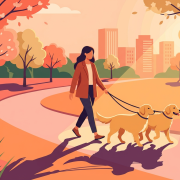
Walking remains one of the most effective ways to maintain your senior dog’s muscle tone and cardiovascular health, but the approach needs adjustment. Unlike younger dogs that thrive on vigorous outings, older dogs benefit enormously from consistent, moderate-intensity walks at a pace they control. The key is consistency over speed.
Start with shorter distances and gradually extend them only if your dog shows enthusiasm and no signs of discomfort. A 10 to 15-minute walk at a leisurely pace several times daily beats a single 45-minute expedition that leaves your senior exhausted for the rest of the day. Pay attention to their breathing, gait, and willingness to continue. If they’re limping, panting heavily, or lagging behind, cut the outing short without guilt.
Terrain matters significantly. Soft surfaces like grass, sand, or dirt paths are gentler on aging joints than concrete or asphalt. If your senior struggles with slippery floors at home, they’ll struggle on pavement too. Incorporate varied terrain during walks to engage different muscle groups gently, but avoid steep hills that strain the rear legs disproportionately.
Use a properly fitted harness rather than a collar during these walks. A harness distributes pressure across the chest and shoulders, reducing neck strain and giving you better control without pulling. This small equipment change makes a measurable difference for dogs with arthritis or spinal sensitivity.
Low-impact exercises like cavaletti poles and balance work
Cavaletti poles are ground-level obstacles (typically poles or PVC pipes placed 8-12 inches apart on the ground) that encourage dogs to lift their feet higher and engage their core stabilizers. For senior dogs, this translates to improved proprioception, which is their awareness of where their body is in space. As dogs age, proprioceptive ability declines, making balance work essential for preventing falls.
Set up a simple cavaletti grid in your yard or training space using just two to three poles. Walk your senior through it slowly, allowing them to pick their own pace. This exercise takes only 3 to 5 minutes but strengthens rear leg muscles without the joint impact of running or jumping. Many dogs find the challenge mentally engaging too, which benefits cognitive health alongside physical conditioning.
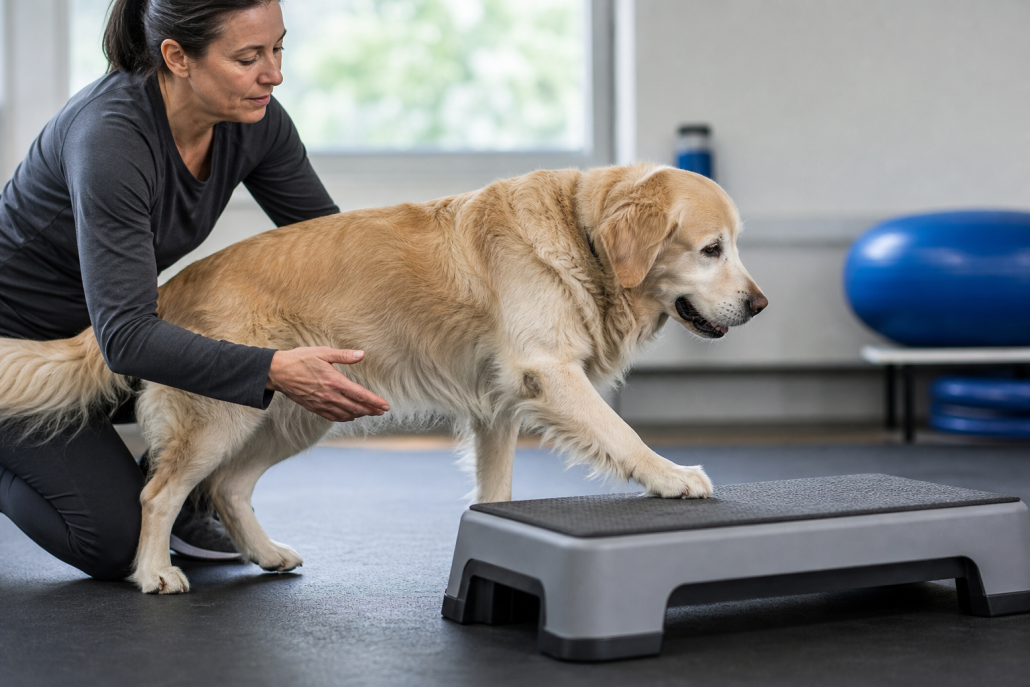
Balance exercises extend beyond cavaletti work. Elevated surfaces like low platforms or thick cushions help senior dogs practice weight shifting and core activation. Start with a cushion just a few inches high, and encourage your dog to walk across it slowly or stand on it briefly. The unstable surface forces their stabilizer muscles to engage constantly, building strength that protects joints during everyday movement.
When integrating balance work into dog training routines, keep sessions brief and positive. Your senior dog isn’t competing or performing; they’re gently rebuilding the neuromuscular connections that age erodes.
Using water-based activities and swimming for joint-friendly conditioning
Water provides natural resistance without joint compression, making it ideal for senior dog conditioning. Swimming and wading engage muscles throughout the entire body while supporting weight, which means arthritic joints experience minimal stress. If your senior dog enjoys water, even 5 to 10 minutes in a pool creates cardiovascular and muscular benefits equivalent to much longer land-based exercise.
Not all seniors love swimming, and that’s fine. Wading in shallow water or moving through a kiddie pool offers similar benefits without the commitment to full immersion. The resistance from water alone builds strength as they walk through it. Start shallow and let your dog acclimate at their own pace. Never force a hesitant senior into deeper water.
Temperature matters for senior dogs with reduced circulation or arthritis. Warm water (around 85-90 degrees Fahrenheit) eases stiffness and improves movement quality more effectively than cold pools. If you have access to a warm water therapy pool through doggy day camp facilities, this investment pays dividends in your dog’s mobility and comfort.
Monitor your senior during and after water work. Wet senior dogs get cold quickly, so dry them thoroughly and keep them warm afterward. Watch for excessive limping or reluctance to move the following day, which might indicate the session was too intense. Water exercise requires the same gradual progression as land-based training.
Teaching Effective Slow-Down Cues
Establishing a ‘settle’ or ‘easy’ command for daily use
The ‘settle’ command is one of the most powerful tools in your senior dog training toolkit. Unlike basic obedience commands, this cue tells your aging dog that it’s time to shift into a lower gear, both mentally and physically. Think of it as a permission slip for relaxation, something senior dogs genuinely need as their bodies become less resilient.
Start by catching your senior in a naturally calm moment. Maybe they’re already lying on their bed or resting after a short walk. Use a soft, soothing voice and say “settle” while gently rewarding with a treat or verbal praise.
The key is consistency, not intensity. Repeat this pairing several times daily during those quiet windows when your dog is already exhibiting calm behavior. Your goal isn’t to force calmness, it’s to label it so your dog understands what you’re asking for.
Once your senior dog connects the word ‘settle’ with relaxation, you can use it proactively before situations that might otherwise overstimulate them. If guests are arriving or another dog approaches during a walk, saying “settle” gives your older companion a clear behavioral roadmap. They’re not suddenly confused about what’s expected, because they’ve practiced this exact state dozens of times.
Practical tip: pair your ‘settle’ command with a specific location, like a mat or bed. This creates a multi-sensory cue system. The word, the location, and the environmental context all reinforce each other, making the command stick even better in your senior’s aging mind.
Using visual and verbal markers to reinforce calm behavior
Senior dogs often experience declining hearing and vision, so your communication strategy needs to adapt. Verbal markers alone won’t cut it with every older dog, especially those dealing with age-related sensory decline. That’s why layering your cues creates redundancy, ensuring your message gets through.
A verbal marker like “yes” or “good” paired with a consistent hand gesture (a slow, downward motion works beautifully for settle cues) gives your senior multiple channels to understand your feedback. If their hearing is fading, the visual component carries the message. If their eyesight is dimming, your calm, confident voice does the heavy lifting.
Timing matters enormously here. Mark the exact moment your senior exhibits the behavior you want, then deliver the reward within two seconds. This tight feedback loop helps bridge any communication gaps caused by sensory decline. Understanding cognitive changes gives you insight into why this precision becomes even more critical as dogs age.
Try these marker combinations:
- Verbal “yes” plus a gentle thumbs-up gesture
- A soft whistle paired with a slow hand signal
- Clicker training (though keep the clicks softer than you would for younger dogs) with exaggerated hand movements
Test what works best with your individual senior. Every dog ages differently, and what clicks for one might not resonate with another.
Transitioning from high-energy play to relaxation modes
Senior dogs often struggle with the mental transition between activity and rest. Their excitement doesn’t just switch off like a light. Building a deliberate wind-down protocol prevents overexertion and gives their aging body time to recover gracefully.
Here’s the practical sequence: after any physical activity, introduce a 5-10 minute buffer zone. Use calming exercises like slow walking, gentle stretching, or simply sitting quietly together. During this transition window, introduce your ‘settle’ command. You’re teaching your senior that after activity comes rest, and there’s a specific behavioral signal that marks that shift.
At dog day camp, trainers manage this transition constantly with multiple senior dogs. The structure prevents seniors from crashing hard after playtime or from remaining overstimulated when they should be resting. Your home training should mirror this philosophy.
Create environmental anchors too. Maybe settle time always happens on the same mat, maybe there’s soft background music, or perhaps you dim the lights slightly. These sensory cues signal to your senior’s aging brain that it’s time to downshift. Consistency builds predictability, and predictability keeps anxious or excited seniors calm.
For seniors with specific mobility concerns, work with optimizing senior dog to ensure your wind-down protocol respects their physical limitations. Your veterinarian can also provide guidance on safe activity levels for your individual dog.
Managing Senior Dogs in Group Settings and Day Care
Monitoring interactions during multi-dog play sessions
Senior dogs in group settings like dog day care need careful observation during play sessions. Unlike younger dogs who can bounce back from rough interactions, older dogs have less physical resilience and recover more slowly from stress. Your job as a handler or owner involves watching for signs that playtime is becoming too intense.
Look for subtle behavioral shifts: ears pinned back, avoidance of eye contact, or repeated attempts to move away from younger, more energetic companions. When you see these signals, it’s time to intervene. Positioning yourself strategically within the play area allows you to step in before tensions escalate. Gently redirect the senior dog using soft verbal cues and create space between them and more boisterous playmates.
The reality of group dynamics means senior dogs shouldn’t be left unsupervised with younger dogs for extended periods. A dedicated staff member observing group dynamics assessment can make the difference between a positive social experience and an exhausting or even dangerous situation.
During play sessions, keep rotation schedules in mind. Senior dogs benefit from shorter bursts of interaction followed by rest periods. Fifteen to twenty minutes of supervised multi-dog play is typically sufficient before a senior needs quiet time to recover. This pacing prevents overstimulation and helps maintain their enthusiasm for future daycare visits.
Document any behavioral patterns you notice. Does your senior dog get along better with specific companions? Does playtime happen more smoothly in the morning versus afternoon? These observations help refine which dogs should be grouped together and when, creating a more tailored experience for your aging friend.
Creating dedicated rest areas and quiet zones
Every senior dog in a group setting requires access to a quiet retreat space. This isn’t about isolating your older dog; it’s about recognizing that constant social interaction drains their mental and physical energy faster than it does younger dogs. A designated rest area with comfortable bedding, away from high-traffic zones, becomes essential infrastructure in any dog day care environment.
These quiet zones should have specific features: soft, supportive bedding that accommodates potential joint stiffness, access to fresh water without competing with other dogs, and minimal noise or visual stimulation from the active play areas. Elevated beds or orthopedic mats work better than flat cushions because they reduce pressure on aging joints and make it easier for arthritic dogs to lie down and get up.
Temperature control matters too. Senior dogs regulate body heat less efficiently than younger ones, so ensure rest areas stay cool during warmer months. In cooler weather, a blanket or heated pad helps senior dogs feel comfortable without overheating during activity periods.
The transition between active play and rest should be smooth. Some facilities use visual cues or gently guide senior dogs to their rest areas after scheduled playtime. Using the slow-down cues your senior dog has learned during in home dog can signal it’s time to move toward the quiet zone without creating stress.
Multiple rest areas distributed throughout the facility reduce competition and allow seniors to find solitude when needed. If one senior dog wants to rest while others continue playing, having options prevents conflicts and respects individual energy levels.
Communicating with owners about appropriate activity levels
Clear, honest communication between caregivers and owners determines whether a senior dog thrives or struggles in group settings. Before enrolling an older dog in daycare, discuss realistic expectations about activity levels. What does success look like for this particular senior? Is the goal socialization, exercise, or mental stimulation?
Owners need to understand that senior dogs tire differently than they remember from earlier years. A senior who was once a tireless companion may now need three rest breaks during a four-hour daycare session, and that’s perfectly normal. Frame this as progress, not decline. It means your dog is getting appropriate care matched to their current abilities.
Share observations regularly. Daily notes about how much your senior played, their interaction quality, any mobility concerns observed, and their overall demeanor help owners track wellness patterns. If a dog seems increasingly reluctant to engage or shows new signs of discomfort, owners need that feedback immediately.
Recommend starting slowly with group settings. Transitioning through transitioning dogs works better than diving into full daycare schedules. Begin with shorter sessions, fewer dogs present, or one-on-one introductions before graduating to busier environments.
Set clear boundaries about when daycare isn’t appropriate. If a senior has mobility issues limiting play, significant hearing loss affecting responsiveness, or anxiety triggered by group settings, discuss alternative arrangements. Your responsibility includes protecting senior welfare even when it means recommending alternatives to traditional daycare.
Common Challenges and Solutions in Senior Dog Movement Training
Addressing reluctance to move or participate in activities
One of the trickiest situations you’ll encounter with senior dogs is outright resistance to movement. Your once-eager companion might suddenly hesitate before standing, refuse short walks, or show anxiety about activities they used to enjoy. This reluctance isn’t stubbornness—it’s often pain, fear of falling, or simply feeling overwhelmed by their changing body.
The key is starting absurdly small. If your senior dog won’t walk to the mailbox, don’t aim for a neighborhood loop. Instead, celebrate three steps.
Literally. Three steps, high-value treat, done. This builds confidence and shows your dog that movement can feel good again, not painful.
Many owners push too hard early on, which reinforces the dog’s fear response and makes future sessions even harder.
Watch for environmental factors too. Hardwood floors can feel slippery and unstable under aging paws. Adding non-slip mats in transition areas removes a real barrier to movement.
Poor lighting, unfamiliar spaces, or excessive noise might also trigger reluctance. Consider how your home environment supports (or sabotages) your senior’s willingness to participate. Sometimes the solution isn’t better training—it’s removing obstacles.
If your dog shows persistent refusal despite these adjustments, a veterinary check-up is essential. Arthritis, cognitive decline, or neurological changes might require professional assessment before any training technique will work.
Balancing mental stimulation with physical limitations
Here’s the paradox: senior dogs often need more mental enrichment precisely because their bodies can’t handle intense physical exercise. A dog that can only manage a 10-minute walk still has a sharp mind that craves engagement. Ignoring this creates bored, frustrated, and sometimes destructive behavior in your elderly pet.
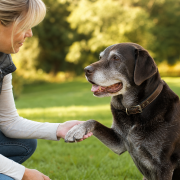
Puzzle toys, sniff games, and low-impact thinking activities are your best friends. Hide treats around the house for your dog to search out. Teach new tricks that don’t require big movements (a gentle “chin rest” or “paw touch” works perfectly). Training sessions actually provide excellent mental stimulus without demanding physical exertion—two 5-minute sessions focused on learning beats one exhausting walk.
When visiting a facility like dog socializing, communicate your senior dog’s limitations clearly. They benefit from low-stress social interaction without high-energy rough play. Many day care environments can accommodate modified activities—supervised sniffing time with calm dogs, indoor lounging while others play, or brief supervised interactions.
The brain works even when the body is tired. Use this to your advantage. A mentally enriched senior dog sleeps better, feels more satisfied, and shows fewer behavioral issues than one stuck in boredom.
Working with dogs recovering from injury or surgery
Post-surgical or post-injury seniors face specific challenges. Your dog’s natural instinct is often to avoid movement entirely, but complete rest can actually slow recovery and cause muscle atrophy. This is where slow-down cues and gentle movement exercises become medical tools, not just training techniques.
Follow your veterinarian’s recovery guidelines exactly. Some vets recommend restricted movement for weeks; others want controlled, gentle activity starting early. Your job is enforcing whatever that protocol is—which means teaching your dog to accept confinement, leash-only movement, or designated rest areas without developing anxiety or depression.
Leash walks during recovery should be short, straight-line routes with no excitement. Cancel plans for dog surf lessons or any high-stimulation activity. Instead, use these weeks to reinforce calm behavior and gentle movement. Many owners find that recovery periods actually strengthen their bond—the dog learns to trust their handler’s guidance even when they don’t fully understand why.
Programs like board and train can be helpful if your senior needs intensive support during recovery, though confirm the facility understands post-surgical requirements. Pain management during this phase is crucial—talk to your vet about options if your dog seems uncomfortable even with modified activity.
Teaching senior dogs gentle movement and slow-down cues transforms their later years from frustration into dignity. Your patience with reluctance, commitment to mental enrichment, and support through recovery builds a foundation where your aging companion can thrive at their own pace. These final years matter deeply—honoring your dog’s changing needs while keeping them engaged, safe, and loved is the truest gift you can give.