Behavioral Changes in Dogs During Transitions Recognizing Stress Signals Before Fall
Understanding Seasonal Transitions and Canine Stress
How seasonal changes affect dog behavior and physiology
Your dog’s body is exquisitely tuned to environmental shifts, which means fall doesn’t just change the temperature on the thermostat. It changes your dog’s entire internal landscape. As daylight decreases and temperatures drop, your pet’s physiology undergoes measurable changes in hormones, metabolism, and energy levels.
This isn’t your dog being dramatic or “acting weird for no reason” (even though it might feel that way). Their system is genuinely recalibrating.
The physiological response is rooted in survival. Dogs, like their wild ancestors, experience changes in coat density, appetite, and activity levels as seasons shift. But here’s where it gets interesting for us as dog owners: these physical changes trigger behavioral ripples.
A dog whose metabolism is shifting might sleep more, play less, or seem withdrawn. Another dog might become unusually restless or clingy. Some dogs develop what looks like sudden behavioral problems when the real culprit is a seasonal transition catching their system off guard.
The shift from late summer to fall is particularly tricky because it happens gradually. Your pup might have been thriving in consistent warm-weather routines when suddenly the mornings feel cooler, your evening walk happens in fading light, and the house temperature feels different. If your dog has underlying anxiety or sensitivities, these subtle changes can amplify stress responses significantly. Understanding that behavioral changes are often your dog’s way of communicating physical discomfort or adjustment helps you respond appropriately rather than assuming bad behavior.
Why fall transitions trigger anxiety in dogs
Anxiety during seasonal transitions isn’t always obvious. Sometimes it shows up as the behaviors you’d expect: pacing, whining, or hiding. Other times it manifests as unexpected aggression, destructive behavior, or sudden accidents in the house.
The root cause? Uncertainty and loss of routine predictability. Dogs thrive on consistency.
When the world shifts under their paws (literally, as the ground temperature changes), their confidence wavers.
Fall transitions also mean life changes for many households. Kids head back to school. Work schedules shift.
Your own anxiety about seasonal changes affects your dog’s emotional state through the bond you share. Dogs are remarkably attuned to our tension and energy. If you’re stressed about falling temperatures or changing routines, your dog picks up on that vibration.
It’s a feedback loop: your stress triggers their anxiety, which increases your stress response.
Additionally, fall activity patterns differ sharply from summer routines. Fewer people outside means fewer walking companions. Outdoor dog day care opportunities might shift. The reduced activity level and social interaction that naturally occurs in fall can leave anxious dogs with fewer outlets for processing their nervous energy. This is why your dog might display anxiety symptoms during fall that weren’t present during the social intensity of summer. Knowing “how to know if your dog has anxiety” is essential before fall hits, so you can implement preventative strategies through appropriate assessment.
The connection between daylight changes and stress responses
Daylight is your dog’s biological clock. Seriously. The amount of natural light your dog experiences directly impacts melatonin production, cortisol levels, and overall mood regulation.
As days shorten during fall’s approach, your dog’s brain receives a signal: “The year is winding down. Prepare for scarcity.” This ancestral warning system can trigger stress responses in dogs predisposed to anxiety.
The correlation between reduced daylight and increased behavioral stress in dogs is well documented. Some dogs become hypervigilant or reactive as the darkness increases. Others develop lethargy that can mask underlying anxiety.
A dog might seem fine but is actually experiencing low-grade stress from the constant darkness shift. This is compounded if your dog spends most daylight hours indoors while you work, meaning they’re missing crucial natural light exposure during the hours when it’s available.
Understanding this connection matters because it helps you proactively adjust your approach. Instead of waiting for behavioral problems to escalate, you can increase light exposure, maintain outdoor time even when temperatures drop, and support your dog’s circadian rhythm intentionally. This is also why consulting resources like “how daylight savings” provides practical frameworks for understanding these transitions before they create behavioral chaos. The goal isn’t to fight your dog’s natural responses but to support them through the adjustment period with awareness and stability.
Word count: 756 words
Early Warning Signs: Physical Stress Indicators
Changes in appetite and eating patterns during transitions
One of the first physical indicators that your dog is experiencing transition stress is a shift in eating habits. Whether you’re heading into fall or dealing with other environmental changes, dogs often signal anxiety through their relationship with food. Some dogs become voracious eaters, while others pick at their meals or skip them entirely.
During seasonal transitions, temperature fluctuations and changing daylight hours trigger physiological responses in your dog’s body. A dog that normally clears their bowl in minutes might suddenly leave half their kibble behind. Conversely, some anxious dogs develop stress-related overeating as a coping mechanism. Both patterns warrant attention because they indicate your pup isn’t feeling their usual self.
Staff at dog day care facilities should track individual eating patterns closely. Keep notes on which dogs show decreased appetite during transition periods. If a dog typically devours breakfast but suddenly becomes selective, that’s your signal something’s off. Changes in appetite can also mask underlying issues, so documenting these shifts helps distinguish between stress-related patterns and potential health concerns.
The timing matters too. If appetite changes coincide with schedule shifts or environmental changes, stress is likely the culprit. Try offering high-value food rewards during training sessions to maintain engagement while monitoring whether the dog’s overall consumption remains consistent. Sometimes appetite loss stems from deeper anxiety that professional animal behavioral consultation can address effectively.
Sleep disruption and restlessness as stress signals
Dogs need quality sleep to regulate stress hormones and maintain emotional balance. During transition periods, you’ll often notice disrupted sleep patterns before behavioral problems fully emerge. A dog pacing at 2 a.m. or unable to settle on their bed is communicating anxiety through their body.
Restlessness manifests in several ways: frequent position changes, getting up and down repeatedly, panting without exertion, or whining during normally quiet hours. Senior dogs and anxious temperaments tend to show these signs more intensely. The shift toward fall brings cooler nights and shorter days, which can trigger circadian rhythm confusion in dogs sensitive to environmental changes.
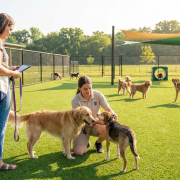
In a dog day care setting, watch for dogs that struggle to nap during rest periods or seem unable to relax despite adequate exercise. A dog that normally settles peacefully might pace instead. Some dogs will follow staff members constantly rather than rest independently. These behaviors indicate your pup isn’t comfortable internally, even if external circumstances seem normal.
Sleep disruption connects directly to escalating stress levels. A dog denied restorative sleep becomes more reactive and emotionally dysregulated. This is why establishing consistent routines and calm environments matters during seasonal shifts. If a dog shows persistent sleep problems, exploring in-home dog training options can help create stable foundations that support better rest.
Excessive shedding and grooming behaviors to monitor
Your dog’s coat tells a story about their internal state. Stress triggers histamine release, which increases shedding beyond normal seasonal patterns. Dogs heading into fall might shed more aggressively than expected, even accounting for coat changes. This isn’t just cosmetic; excessive shedding indicates your dog’s nervous system is working overtime.
Beyond shedding, watch for obsessive grooming behaviors. Some dogs lick their paws constantly or chew at their flanks when anxious, creating hot spots or raw patches. Others groom excessively around their legs, belly, or rear end. These behaviors serve as stress relief mechanisms (similar to how humans might bite nails), but they signal underlying anxiety that needs addressing.
The fall transition often combines shedding from seasonal coat changes with stress-induced hair loss, making it harder to distinguish the cause. Frequent brushing helps you monitor whether shedding matches normal patterns or exceeds them. Run your fingers through their coat regularly to check for bald patches or irritated skin beneath the surface.
Dogs confined to indoor spaces due to weather changes often show increased grooming behaviors because they lack adequate stimulation and outdoor outlet. Providing enrichment through doggy day camp sessions maintains mental engagement and reduces stress-related grooming. If grooming behaviors persist despite environmental improvements, a veterinary check rules out allergies or dermatological issues separate from behavioral stress.
Behavioral Red Flags Staff Should Watch For
Increased aggression, fear, or reactivity in familiar dogs
When fall approaches, even the most laid-back dogs can flip a switch. A dog that’s normally friendly suddenly snaps at a handler during dog training sessions. Another growls at companions they’ve played with for months. This shift isn’t random, and it’s absolutely critical to catch it early.
Seasonal transitions trigger genuine physiological stress in dogs. Changes in daylight, temperature fluctuations, and shifting routines activate their fight-or-flight response. A dog operating from this nervous baseline doesn’t have the emotional bandwidth to respond calmly to normal interactions. What looked like a simple greeting now feels like a threat.
Staff and owners need to watch for specific aggression patterns: stiff body posture, raised hackles, hard staring, or lunging toward dogs or people the animal previously tolerated. Fear-based reactivity often looks different. The dog may cower, tuck their tail, or retreat to a corner. Some dogs flip between extremes, showing unpredictable swings from aggression to avoidance within minutes.
The critical detail here is that this isn’t a personality change, it’s a stress response. A normally social dog exhibiting new reactivity during transition periods is showing you they’re overwhelmed. Ignoring these signals typically leads to escalation. Instead, recognize this as your window to intervene before behaviors solidify.
Withdrawal, excessive barking, and destructive habits
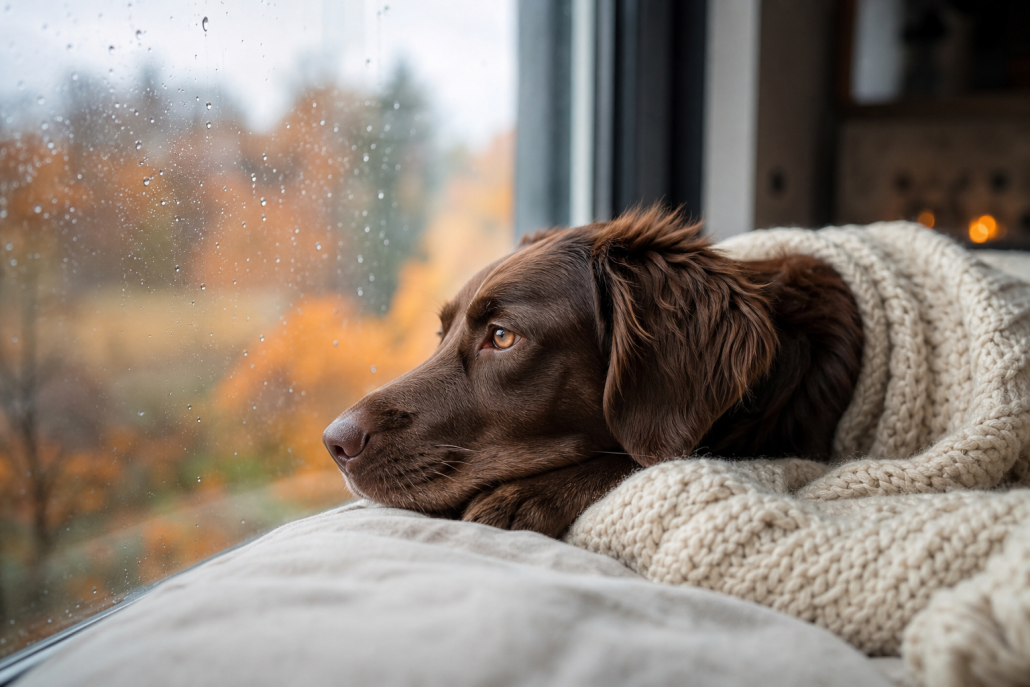
Not all stressed dogs get aggressive. Some shut down entirely. A previously social animal might refuse to engage with playmates, ignore treats, or hide during activities they once loved. This withdrawal is often missed because it looks passive, but it’s actually a loud distress signal.
Excessive barking takes different forms depending on the dog. Some develop anxiety barking, high-pitched and repetitive. Others shift to demand barking, louder and more insistent than baseline.
Pay attention to the timing and trigger. If barking spikes during specific transitional moments (cooler morning arrivals at day care, earlier sunsets, seasonal schedule changes), stress is likely the culprit.
Destructive habits round out this triad. A dog that’s never chewed furniture suddenly tears into baseboards or drywall. Another obsessively digs at bedding or scratches at crate doors. Some redirect onto toys with unusual intensity. These behaviors represent an outlet for mounting anxiety. The dog is literally trying to channel nervous energy somewhere, anywhere.
In day care and training environments, staff should document when these behaviors spike. Do they cluster around specific times of day? Particular weather patterns?
Certain handlers or group compositions? This data helps distinguish genuine stress responses from occasional behavior blips. A dog showing withdrawal plus destructive habits plus excessive barking simultaneously is under significant strain and needs immediate support adjustments.
Disrupted socialization patterns during day care or training
This one catches many handlers off guard because it mimics setbacks rather than stress signals. A dog that was thriving in group settings suddenly shows regressed play behaviors. They hover near handlers instead of engaging peers. They initiate play roughly or refuse invitations altogether. Some previously housetrained dogs have accidents during sessions.
Disrupted socialization during transitions often appears when dogs lose confidence in their environment. The seasonal shift creates enough internal chaos that their social framework feels unstable. Even familiar playmates now feel unpredictable. The routine they relied on has shifted. Anxiety during dog day camp or group training classes becomes visible through avoidance and withdrawn body language.
Staff managing group settings should track socialization shifts carefully. Is a previously gregarious dog now preferring isolation? Are play sessions shorter or less enthusiastic? Does the dog check in with handlers more frequently? These changes indicate the animal’s confidence tank is depleting faster than normal.
The connection to broader seasonal stress matters here. A dog showing disrupted socialization alongside physical stress indicators or aggression changes is telling you the environment itself feels threatening. This isn’t a training failure, it’s a stress signal. Some dogs benefit from temporary adjustments like smaller group sizes, shorter sessions, or one-on-one handlers during high-stress transition periods.
Recognizing these three behavioral clusters together creates your strongest diagnostic picture. A dog exhibiting increased reactivity, withdrawal patterns, and social disruption is experiencing transition anxiety that requires immediate environmental and training protocol adjustments.
Creating a Stable Environment During Transitions
Maintaining consistent routines in training and day care settings
Dogs thrive on predictability. When seasonal transitions hit, their entire world feels off-balance, which is exactly why sticking to established routines becomes non-negotiable for staff at day care facilities and training centers. A dog that knows their schedule is a dog that stays grounded, even as external conditions shift.
Think about what happens when you maintain the same training sessions at the same times each day. Your dog’s nervous system relaxes because there’s no mystery about what comes next. Morning arrivals, afternoon play sessions, feeding times, potty breaks, training intervals—these anchor points matter more during transitions than they do in stable seasons.
When fall approaches and daylight starts disappearing earlier, dogs can experience genuine confusion about timing. Sticking to your routine counteracts that disorientation.
In day care settings, this means keeping your class schedules locked in place. Don’t shift when you typically run socialization groups or training blocks just because the sun sets earlier. Dogs show up expecting their familiar sequence of activities, and altering that adds an unnecessary stressor on top of seasonal anxiety they’re already processing. Staff should document each dog’s preferred routine and communicate any changes to owners well in advance.
One practical approach involves using consistent verbal cues before transitions between activities. If you always say “let’s go inside” in the same tone before moving from outdoor play to indoor training, that cue becomes a stabilizing element. When using training commands like, maintaining consistent delivery helps dogs feel secure in their understanding of what’s expected.
Handler consistency matters too. If possible, assign the same staff members to work with the same dogs throughout seasonal transitions. A dog’s familiarity with their handler’s voice, movements, and expectations provides psychological comfort when everything else feels uncertain.
Adjusting exercise schedules as daylight decreases
Shorter daylight hours don’t mean less exercise—they mean smarter exercise planning. As fall arrives and darkness comes earlier, the timing and structure of physical activity becomes crucial for managing behavioral stress in dogs.
Here’s the reality: dogs need consistent physical stimulation regardless of season. But the logistics change. If your facility relied on evening outdoor activities that now happen in darkness, you need an alternative.
Consider shifting your main exercise sessions to midday when natural light is still strong. This approach serves two purposes—your dogs get quality outdoor time with good visibility and natural light exposure, which actually helps regulate their circadian rhythms and mood.
For facilities offering specialized services like swimming lessons, adjust your water session timing to occur during daylight hours. Dogs often show resistance to water activities in low-light conditions, and this hesitation can compound existing transition anxiety.
Vary your exercise modalities too. Don’t rely solely on outdoor runs if outdoor conditions become limiting. Incorporate indoor play, treadmill work (for appropriate breeds), and structured games that provide mental and physical engagement within your facility. A tired dog is a less anxious dog, and you can achieve that tiredness in multiple ways.
Progressive decreases in activity intensity matter as well. Rather than abruptly cutting exercise duration, gradually adjust it downward alongside the seasonal daylight shift. This gradual adjustment allows a dog’s body and mind to adapt naturally rather than experiencing a jarring change that triggers stress responses.
Temperature and lighting modifications for comfort
Environmental control is one of the most overlooked tools for managing transition stress. Your facility’s temperature and lighting directly influence how dogs experience their day, especially during fall’s unpredictable weather swings.
Temperature fluctuations stress dogs more than you might realize. As outdoor temperatures drop, ensure your indoor spaces stay consistently comfortable, somewhere between 68-72 degrees Fahrenheit. Shivering uses energy and creates a low-grade stress state. Provide cozy resting areas with extra bedding for dogs who need to decompress. Some dogs experiencing emotional shifts during actually benefit from having a warm, enclosed space where they can retreat.
Lighting has profound effects on canine behavior. As natural daylight decreases, supplement with consistent artificial lighting in your training and play areas. Avoid fluorescent flicker if possible—LED lighting creates a more stable, calming environment.
Keep lighting levels consistent rather than dimly lit spaces that can trigger anxiety in already-stressed dogs. Well-lit spaces also improve your ability to monitor behavioral changes and stress signals in your dogs.
Consider adding warm-toned lighting in rest areas to create psychological comfort. The temperature of light (warm versus cool) influences how safe and settled dogs feel in their environment. Cool blue lighting can actually increase alertness and stress, so reserve those cooler tones for training and active play areas only.
For facilities offering programs like basic dog training, maintain temperature consistency in training rooms so dogs aren’t distracted by discomfort during learning sessions.
Communication Strategies with Dog Owners
Educating clients about transition-related behavioral changes
Most dog owners don’t realize that their pup’s sudden clinginess or afternoon zoomies might signal something deeper than just random quirks. When fall approaches, the shift in daylight, temperature, and routine can trigger genuine stress responses in dogs, and your role as a daycare or training professional is to help owners understand what’s happening beneath the surface.
Start by explaining that dog transition anxiety isn’t a behavioral flaw or a sign of poor training. It’s a physiological response to environmental change. Some dogs are naturally sensitive to shifts in their surroundings (you’ve probably noticed this in your own facility), and fall’s combination of shorter days, cooler mornings, and routine adjustments hits them hard. When you’re educating clients, use concrete examples from their own dog’s experience.
Consider sending brief educational materials to owners explaining common autumn stress behaviors. A simple handout covering increased barking, withdrawn behavior, or changes in appetite can normalize what they’re experiencing. Frame it as something many dogs face, not something unique to their pup. This prevents owners from spiraling into guilt or panic when their typically easygoing dog suddenly seems anxious during drop-off.
Encourage owners to view behavioral changes as communication rather than misbehavior. When a dog acts out, they’re expressing something they can’t put into words. By helping owners recognize this, you’re teaching them foundational empathy that strengthens their bond and improves long-term training outcomes. This perspective shift often makes owners more receptive to collaborative solutions.
Documentation and reporting of stress signals to owners
Solid documentation is your foundation for effective communication. Track specific incidents and behavioral patterns you observe during daycare sessions, noting timestamps, triggers, and what you actually saw (not assumptions). Did the dog pace during transitions? Refuse toys they normally love? Show lip-licking or yawning when a certain sound occurred? These details matter.
Create a simple observation template for your staff that captures behavior consistently. Include what happened, when it happened, and how long it lasted. This gives you concrete data to share with owners rather than vague comments like “he seemed off today.” Data builds credibility and helps owners take you seriously when you flag concerns.
Communicate findings regularly, not just when problems escalate. A weekly or bi-weekly check-in email describing your dog’s week keeps owners informed and prevents surprises. You might note: “Bella has been more reserved during group play this week, sticking close to staff. Her appetite at lunch has been normal, but she’s needed more quiet time in the afternoon.” This paints a clear picture without alarming them unnecessarily.
When reporting stress signals, connect them directly to seasonal transitions. Help owners see the pattern: “We’ve noticed these behaviors started about two weeks ago when the days got noticeably shorter. It’s typical for fall, and here are strategies we can use together.” This contextual explanation prevents owners from wondering if something’s medically wrong with their dog.
Collaborative approaches to managing anxiety between home and facility
The magic happens when home and facility work as a team. Your observations at daycare are only half the picture. What’s happening during evening walks, early mornings, and overnight hours heavily influences your dog’s daytime behavior. Open dialogue with owners about their observations is essential.
Ask specific questions during pick-up conversations: Is your dog sleeping differently at night? How’s their appetite at home? Are they displaying the same stress signals you’ve observed, or different ones? Their answers help you build a complete behavioral profile and adjust your approach accordingly.
Offer practical strategies owners can implement at home. Suggest consistent routines, maintaining normal activity levels despite shorter days, or adjusting feeding schedules to match changed energy demands. Consistency between environments significantly reduces transition anxiety. When a dog’s routine stays stable at both home and your facility using our dog socializing and care approaches, they feel more grounded despite seasonal shifts.
Recommend environmental modifications owners can make. Increasing light exposure during darker mornings, maintaining consistent exercise schedules, or creating a calm space for anxious moments all reduce overall stress. Some owners benefit from knowing about activities like in home dog sessions that help reinforce calm behaviors in their personal space.
Most importantly, position yourself as a partner in their dog’s wellbeing. Frame conversations around shared goals: keeping their dog happy, healthy, and confident through seasonal transitions. When owners feel heard and supported, they’re far more likely to implement your suggestions and maintain the communication channels that keep everyone (human and canine) on the same page.
Professional Intervention Techniques
Adjusting training protocols for stressed or anxious dogs
When a dog enters your dog day care facility or training program showing clear signs of transition anxiety, your standard protocols need adjustment. This isn’t the moment to push forward with your usual curriculum. Instead, dial back intensity and rebuild confidence from the ground up.
Start by shortening your training sessions. A stressed dog has limited mental bandwidth for learning, so five to ten minute sessions work far better than your typical twenty-minute blocks. Frequency matters more than duration here (and consistency beats intensity every time). You might see a nervous pup three or four times weekly rather than one intensive session.
Shift your reward structure significantly. High-value treats become essential. If a dog normally responds to regular kibble, switch to something more motivating: freeze-dried meat, small cheese pieces, or soft training treats. The goal is to create positive associations with the training environment itself, not just with completing commands correctly.
Lower your criteria for success. A dog struggling with seasonal transition anxiety isn’t ready for advanced skills. Return to foundational commands like sit and down, but keep your expectations realistic. A partial response counts as progress. Celebrate small wins enthusiastically. Your body language and verbal praise matter tremendously when a dog is emotionally fragile.
Keep environmental variables consistent. If you’re training in multiple locations, stick with one calm space until the dog’s stress levels drop. Minimize distractions and background noise. Even familiar sounds can feel overwhelming to an anxious canine.
Desensitization exercises during seasonal transitions
Desensitization works by gradually exposing a stressed dog to the triggers causing anxiety while pairing that exposure with positive experiences. During seasonal transitions (especially approaching autumn), this technique becomes invaluable for staff working with reactive or anxious dogs.
Identify the specific trigger first. Is it cooler temperatures? Changes in daylight? New routine schedules? Autumn activities like leaf blowers or rain sounds? Once you pinpoint what’s driving the anxiety, you can build a desensitization plan around it.
Start at low intensity and progress slowly. If a dog is sensitive to seasonal sounds, begin by playing recordings at very low volume during positive activities like mealtime or play. Over multiple sessions, gradually increase the volume while maintaining positive associations.
Never rush this process. A dog showing stress signals during desensitization needs you to dial back intensity, not push through.
Pair exposure with high-value activities. Many dogs respond well to using toys during greetings and play sessions as desensitization anchors. The positive emotion becomes linked with the previously anxiety-inducing trigger.
Document progress carefully. Track which dogs show improvement and which need extended timelines. Some dogs desensitize quickly; others require weeks or months. Patience prevents regression, and regression derails the entire process.
When to recommend veterinary consultation for behavioral concerns
There’s a critical line between normal stress responses and behavioral issues requiring professional veterinary evaluation. Recognizing when a dog has crossed that threshold protects animal welfare and maintains your facility’s credibility.
Recommend veterinary consultation when behavioral changes persist beyond two to three weeks despite environmental adjustments and modified training protocols. Prolonged anxiety can indicate underlying medical issues, thyroid problems, or pain conditions that amplify stress responses.
Watch for escalating behavioral intensity. A dog that starts with mild avoidance and progresses to aggression, destructive behavior, or self-injury needs professional assessment immediately. Don’t assume training alone will resolve these issues.
Pay attention to appetite and elimination changes during transitions. If a dog stops eating, vomits repeatedly, or shows house-soiling despite successful prior training, veterinary evaluation is essential. These physical manifestations often accompany anxiety but may also indicate illness.
Document everything before recommending consultation. Note specific behaviors, timing, triggers, and your intervention attempts. This documentation helps veterinarians identify patterns and rule out medical causes. When you communicate with owners, frame the recommendation as collaborative care, not criticism of their dog.
Behavioral concerns during seasonal transitions sometimes require professional training support beyond standard dog day care services. Recognizing when to escalate to a certified trainer or veterinary behaviorist demonstrates professionalism and puts the dog’s wellbeing first. Your role involves identifying stress signals, implementing practical adjustments to training and environment, and knowing when specialized expertise becomes necessary.
By staying alert to these behavioral changes in dogs, maintaining flexible training protocols, and fostering open communication with owners and veterinarians, you create a safety net that catches problems early. Reach out to your facility’s veterinary partners when you notice persistent behavioral concerns, and consider recommending continued desensitization work even after acute transition anxiety resolves. Your staff’s attentiveness during these critical periods makes the difference between a dog that successfully adapts and one that struggles through seasonal changes.