
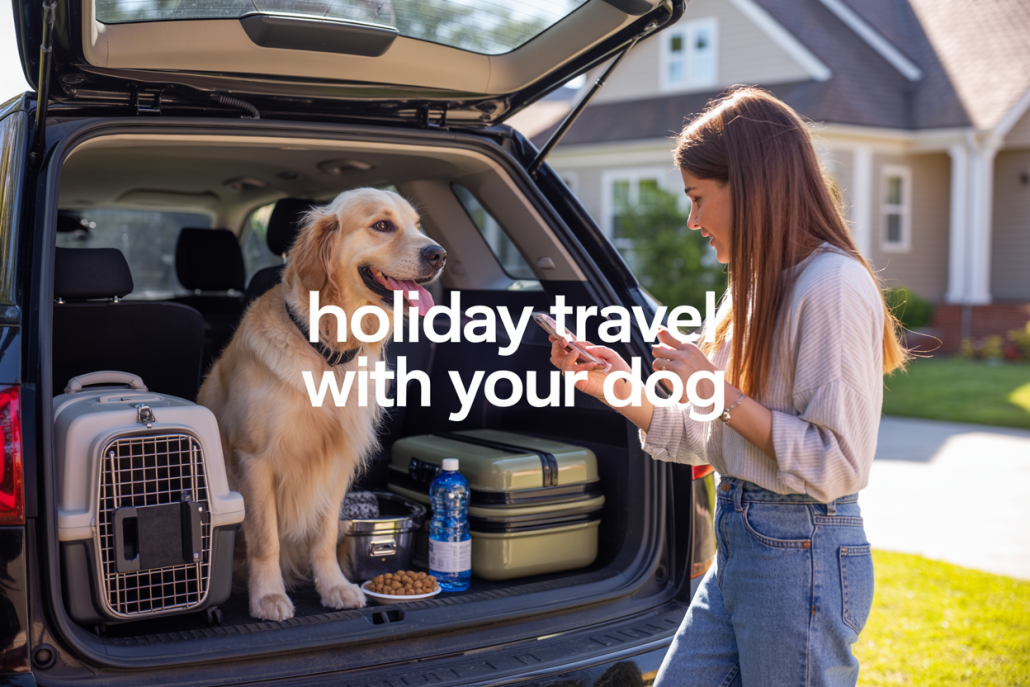
Preparing for Holiday Travel with Your Dog: Checklist & Best Practices
Holiday travel with your dog doesn’t have to be stressful. With proper preparation and planning, you and your furry companion can enjoy safe and comfortable trips together during the holiday season.
This guide is for dog owners planning their first pet-friendly vacation, experienced travelers looking to improve their routine, and anyone who wants to make holiday travel with a dog as smooth as possible for both human and canine family members.
We’ll walk you through the essential pre-travel health checks and documentation your dog needs before hitting the road. You’ll also learn how to choose the best transportation method for your dog’s size, temperament, and travel distance, plus discover what to pack in your dog travel checklist to keep your pet comfortable and happy throughout the journey.
Essential Pre-Travel Health and Documentation Requirements
Schedule a comprehensive veterinary checkup.
Getting your furry travel companion checked out by your veterinarian is the first step in preparing for your holiday travel with a dog. Book this appointment at least 2-4 weeks before your departure date, allowing you sufficient time to address any health concerns that may arise.
During this visit, your vet will examine your dog’s overall health, update any necessary vaccinations, and discuss your specific travel plans. They’ll check for parasites, examine the ears and teeth, and ensure your dog’s weight and general condition are suitable for travel. This is also the perfect time to discuss motion sickness prevention if your pup tends to get queasy during car rides.
Your veterinarian can also provide valuable insights about your destination’s climate and potential health risks. They might recommend specific preventive treatments for heartworm, fleas, or ticks, depending on your destination.
Obtain health certificates and vaccination records.
Pet travel documentation is non-negotiable for most forms of transportation and accommodations. Your dog will need a current health certificate signed by a licensed veterinarian, typically issued within 10 days of travel for domestic trips.
Make sure your dog’s rabies vaccination is up to date and won’t expire during your trip. Most airlines, hotels, and boarding facilities require proof of current rabies vaccination. Keep digital copies of all vaccination records on your phone and pack physical copies in your dog travel essentials kit.
Consider getting multiple copies of these documents – you never know when you’ll need an extra set. Some pet owners even laminate one copy to protect it from spills or weather damage.
Research destination-specific pet health requirements
Different states and regions have varying requirements for traveling with pets. Some areas require specific vaccinations or treatments that your home location might not mandate. For example, certain southwestern states recommend rattlesnake vaccines, while areas with high Lyme disease rates might suggest additional tick prevention measures.
Check if your destination has any breed restrictions or quarantine requirements in place. Some cities have breed-specific legislation that could affect your travel plans. Research local veterinary clinics at your destination in case you need emergency care during your trip.
Also, consider the local wildlife and environmental hazards. Desert areas pose risks like foxtails and extreme heat, while coastal regions might have dangerous marine life or algae blooms that could harm your dog.
Pack emergency medical supplies and medications.
Create a canine travel safety medical kit that covers basic first aid and your dog’s specific health needs. Include any prescription medications your dog takes regularly, plus a few extra days’ worth in case your trip gets extended unexpectedly.
Pack basic first aid supplies like gauze, medical tape, antiseptic wipes, and a digital thermometer. Include your dog’s favorite treats for administering medication and a blanket that smells like home for added comfort during stressful situations.
Don’t forget items specific to your dog’s needs – joint supplements for older dogs, allergy medications for sensitive pups, or special dietary supplements. Keep all medicines in their original containers with clear labels, and store them in a waterproof bag to prevent damage.
Choosing the Right Transportation Method for Your Dog
Compare Air Travel Regulations and Pet-Friendly Airlines
Flying with your dog during holiday travel requires careful planning and understanding of airline policies. Each carrier has specific rules about pet sizes, breeds, and documentation requirements. Most airlines allow small dogs under 20 pounds to travel in the cabin, provided they remain in an approved carrier that fits under the seat. Larger dogs must travel as checked baggage or cargo, which raises additional safety concerns.
Delta, JetBlue, and Alaska Airlines consistently rank among the most pet-friendly options, offering dedicated pet programs and experienced staff who handle pets with care. These carriers provide climate-controlled cargo areas and real-time tracking for peace of mind. Southwest Airlines stands out for allowing two pets per carrier, potentially saving money for multi-dog families.
Breed restrictions affect many popular dog breeds, particularly those with shortened airways, such as bulldogs, pugs, and Boston terriers. These brachycephalic breeds face heightened risks during air travel due to breathing difficulties at altitude and temperature changes. Several airlines have banned these breeds entirely, while others restrict travel during hot weather months.
Temperature embargoes become crucial during holiday travel seasons. Most airlines suspend pet cargo services when ground temperatures exceed 85°F or drop below 45°F at any point along the travel route. Winter holiday travel often triggers these restrictions, making planning essential for dog transportation methods.
Evaluate Road Trip Safety Measures and Comfort Needs
Road trips offer more control over your dog’s travel environment and ensure a higher level of comfort. Proper restraint systems protect both pets and passengers during sudden stops or accidents. Crash-tested dog harnesses, travel crates, or barrier systems prevent dogs from becoming projectiles while allowing them to remain comfortable throughout the journey.
Temperature management becomes critical during extended drives. Never leave dogs unattended in vehicles, even with windows cracked. Parking in shade and using sunshades helps maintain comfortable cabin temperatures. Battery-powered fans and cooling mats provide additional relief during rest stops. Plan stops every two hours for bathroom breaks, water, and exercise to prevent restlessness and anxiety.
Motion sickness affects many dogs, particularly those that are unaccustomed to car travel. Gradual conditioning through short practice trips helps build tolerance. Feed dogs a light meal 3-4 hours before departure rather than immediately before travel. Ginger supplements or prescription anti-nausea medications can help alleviate nausea in sensitive dogs, but consult your veterinarian first.
Emergency preparedness requires assembling a roadside kit specifically for your dog. Include extra water, collapsible bowls, emergency contact numbers for veterinarians along your route, and a first-aid kit. GPS apps that locate nearby animal hospitals can prove invaluable during unexpected situations. Keep identification tags up to date and ensure that microchip information reflects accurate contact details.
Consider Pet Transportation Services for Long Distances
Professional pet transportation services provide specialized solutions for long-distance holiday travel when flying or driving is impractical. These companies employ trained handlers who understand canine travel safety and stress management techniques. Ground transport services utilize climate-controlled vehicles specifically designed for pet comfort, featuring regular stops for exercise and care.
Door-to-door service eliminates airport hassles and reduces overall travel stress for both dogs and owners. Many services provide real-time updates, photos, and GPS tracking throughout the journey. This option works particularly well for elderly dogs, those with medical conditions, or breeds restricted by airlines.
Costs vary significantly based on distance, urgency, and service level. Basic ground transport typically ranges from $1 to $3 per mile, while premium services with dedicated vehicles and specialized care can cost considerably more. Holiday surcharges often apply during peak travel periods, making early booking essential for both availability and pricing.
Evaluating transportation companies requires thorough research into their licensing, insurance coverage, and customer reviews. Look for businesses registered with the Department of Transportation and carrying comprehensive liability insurance. Request references from recent clients and verify the company’s handling procedures for emergencies or delays. Reputable services provide detailed contracts outlining care standards, feeding schedules, and communication protocols during transport.
Packing the Ultimate Travel Kit for Canine Comfort
Assemble feeding essentials and familiar food supplies.
Your dog’s travel checklist starts with the most crucial items: food and feeding supplies. Pack enough of your dog’s regular food to last the entire trip, plus an extra day’s worth in case of delays. Sudden diet changes during holiday travel with a dog can cause digestive upset, so stick with their familiar brand and flavor. Bring both dry kibble and any wet food your pet usually eats.
Don’t forget portable food and water bowls—collapsible silicone versions save space while remaining functional—pack measuring cups to maintain consistent portion sizes, as travel excitement can affect appetite. If your dog takes supplements or medications with meals, organize these in clearly labeled containers with dosing instructions.
Water deserves special attention since different locations may have varying mineral content that could upset sensitive stomachs. Bring a gallon of home water for the first few days, then gradually transition to local water. A spill-proof travel water bottle designed for pets makes hydration stops easier during transit.
Store all food items in airtight containers to prevent spoilage and pest attraction. Hard-sided containers protect against crushing, while soft coolers work well for shorter trips. Label everything with your contact information – if bags get separated, you’ll want these dog travel essentials returned quickly.
Pack comfort items, including favorite toys and bedding
Familiar scents and textures provide emotional security when everything else feels different. Your dog’s favorite blanket or bed becomes an anchor of home in unfamiliar places. Even if your accommodation offers pet bedding, nothing replaces the comfort of their own sleeping spot.
Select one or two beloved toys rather than packing the entire collection. Interactive puzzle toys work exceptionally well for long car rides or quiet time at your destination. Avoid squeaky toys if you’re staying in hotels – other guests won’t appreciate 3 AM squeaking sessions.
Chew toys serve a dual purpose by providing entertainment and helping to manage travel anxiety. Long-lasting options, such as bully sticks or frozen Kong toys, can occupy your dog during transition periods. Pack extras, as travel stress may increase chewing behavior.
Consider your dog’s attachment to specific items. That ratty old rope toy might look embarrassing, but if it’s their security blanket, it deserves a spot in your travel kit for pets. Comfort trumps appearance when managing travel stress.
Organize safety gear, including leashes and identification tags
Safety equipment tops any comprehensive list of dog travel essentials. Pack at least two leashes – a standard walking leash and a shorter traffic lead for crowded areas. Retractable leashes might seem convenient, but they offer less control in busy holiday environments.
Update identification tags with your travel contact information. Include your cell phone number, destination address, and local emergency contact information. Temporary tags work perfectly for this purpose. Microchip information should also reflect current details; verify this before departure.
A properly fitted harness provides better control than a collar alone, especially for dogs that are excited or anxious. Consider a harness with reflective strips for early morning or evening walks in unfamiliar areas. Car harnesses or restraint systems become essential for vehicle safety during your holiday travel with a dog.
Emergency supplies round out your safety kit. Pack a basic first aid kit with bandages, antiseptic wipes, and any prescription medications. Include your veterinarian’s contact information and locate emergency vet clinics at your destination before problems arise.
Prepare grooming supplies for maintaining hygiene.
Travel disrupts everyday grooming routines, but maintaining cleanliness keeps everyone comfortable. Pack travel-sized versions of your dog’s regular shampoo, especially if they have sensitive skin or allergies. Hotel bath products aren’t formulated for canine coats and may irritate them.
Bring grooming tools your dog recognizes, such as their regular brush, nail clippers, and ear cleaning supplies. Familiar tools reduce stress during grooming sessions. Quick-cleaning wipes handle minor cleanups between full baths and work great for removing mud from muddy paws after outdoor adventures.
Dental care shouldn’t pause for vacation. Pack their regular toothbrush and toothpaste, plus dental chews for easy maintenance. Travel breath fresheners designed for dogs help with close-quarters situations.
Consider your destination’s climate when packing grooming supplies. Beach trips require salt-removing shampoos, while mountain adventures may need paw balm for protection against rough terrain. Seasonal grooming needs change, so adjust your canine travel safety kit accordingly.
Include waste management and cleanup materials.
Responsible pet ownership becomes even more important when traveling. Pack significantly more waste bags than you think you’ll need – running out in an unfamiliar area creates unnecessary stress. Different locations may have varying availability of pet supplies.
Bring cleaning supplies for accidents that may occur inside vehicles or accommodations. Enzyme-based cleaners are most effective for organic messes and won’t damage surfaces. Paper towels, disinfectant wipes, and odor eliminators handle most cleanup scenarios.
Some areas require specific waste disposal methods, so research local regulations. Beach communities might prohibit specific disposal sites, while urban areas often have designated pet waste stations. Bringing your own supplies ensures compliance regardless of local infrastructure.
Pack a small shovel or scooper for areas without convenient pickup options. Camping or rural destinations might lack waste disposal facilities entirely. Self-sufficiency in waste management shows respect for other travelers and property owners, making future pet-friendly accommodations more likely for everyone.
Booking Pet-Friendly Accommodations and Activities
Research and reserve dog-welcoming hotels and rentals
Finding the perfect pet-friendly accommodations requires more than just checking a “pets allowed” box online. Start your search early, especially for holiday travel with dog trips, when availability becomes scarce. Major hotel chains, such as Kimpton, La Quinta, and Red Roof Inn, consistently welcome four-legged guests, but independent properties often offer more personalized pet services.
When booking, always call the property directly to confirm their pet policy details. Ask about size restrictions, breed limitations, additional fees, and available pet amenities. Some hotels provide dog beds, food bowls, and treats, while others charge cleaning fees ranging from $25 to $150 per stay. Vacation rentals through Airbnb and Vrbo often offer more space and fenced yards, making them ideal for larger dogs or extended stays.
Read recent reviews specifically mentioning pets to gauge how truly dog-friendly the establishment is. Look for mentions of nearby walking areas, noise policies, and staff attitudes toward animals. Many pet-friendly accommodations offer ground-floor rooms or designated pet floors to minimize disruptions and provide easier access to the outdoors.
Book refundable rates when possible, as travel plans with pets can change unexpectedly. Document all pet policies in writing and bring confirmation emails showing your dog is welcome to avoid any check-in surprises.
Locate nearby veterinary clinics at your destination
Medical emergencies don’t take holidays, so identifying veterinary services at your destination is a critical safety measure. Before departure, research and save contact information for at least two veterinary clinics near your accommodation, including one 24-hour emergency facility.
Use your current veterinarian’s network to find recommended colleagues in your destination area. Many veterinary practices have professional relationships and can provide referrals or even transfer medical records if needed. The American Animal Hospital Association website offers a clinic locator tool that helps identify accredited facilities nationwide.
Download veterinary clinic apps or bookmark their websites on your phone for quick access to directions, hours, and contact information. Note which clinics accept walk-ins versus appointments only, as emergencies rarely wait for scheduled times. Some tourist-heavy destinations offer mobile veterinary services that can visit your accommodation.
Keep your regular vet’s contact information handy as well. They can often provide guidance over the phone for minor issues or help coordinate care with local providers if serious problems arise. Having this information prepared in advance reduces stress and ensures faster response times during actual emergencies.
Plan pet-friendly attractions and outdoor activities.
Holiday destinations offer countless opportunities for shared adventures with your canine companion. National and state parks typically welcome leashed dogs on designated trails, providing excellent exercise and mental stimulation. However, it’s essential to research specific trail restrictions, as some areas prohibit pets to protect wildlife or fragile ecosystems.
Beach destinations often have designated dog-friendly sections with specific hours when pets are allowed. Coastal areas may require additional paw protection due to hot sand or sharp shells, so plan accordingly. Many cities offer dog parks where your pet can socialize and burn energy after long travel days.
Urban areas frequently feature pet-friendly walking tours, outdoor markets, and restaurant patios that welcome well-behaved dogs. Downtown districts often provide water stations and waste bag dispensers along popular walking routes. Some cities even offer dog-specific attractions like dedicated swimming areas or agility courses in public parks.
Check seasonal restrictions and weather conditions that might affect outdoor activities. Summer heat can be hazardous for pets on hot pavement, while winter conditions may necessitate protective gear. Many attractions offer special pet events during holidays, creating unique bonding experiences for you and your dog while traveling.
Managing Travel Day Stress and Safety Protocols
Implement Calming Techniques for Anxious Dogs
Travel anxiety affects dogs more profoundly than many owners realize. Pheromone sprays applied to your dog’s carrier or car seat thirty minutes before departure can work wonders. ThunderShirts or anxiety wraps provide gentle pressure that mimics swaddling, helping nervous dogs feel secure during the journey.
Create a familiar environment by bringing your dog’s favorite blanket or toy that smells like home. Play soft classical music or nature sounds – studies show these can lower canine stress hormones by up to 70%. Avoid energetic music that might overstimulate an already anxious pet.
Natural calming supplements, such as those containing L-theanine or chamomile, can help alleviate stress without causing drowsiness. Start these supplements a few days before travel to gauge effectiveness. Never use human anti-anxiety medications without veterinary approval.
Practice desensitization before your trip by taking short car rides that gradually increase in duration. Reward calm behavior with treats and praise to build positive associations with vehicle travel.
Establish Feeding and Bathroom Schedules During Transit
Intelligent scheduling prevents messy accidents and digestive upset during holiday travel with a dog. Feed your pet a light meal 3-4 hours before departure, avoiding heavy or new foods that could cause stomach problems.
Pack measured portions of your dog’s regular food in individual containers. Stick to standard feeding times as closely as possible, even if it means stopping for scheduled meals. Dehydration during travel can worsen motion sickness, so offer small amounts of water every 2-3 hours rather than leaving a full bowl available.
Plan bathroom breaks every 2-3 hours for adult dogs, or every hour for puppies under six months. Research rest stops along your route that welcome pets – many highway service areas have designated pet relief areas. Keep cleanup supplies easily accessible and never leave waste behind.
Monitor Temperature and Ventilation in Vehicles
Vehicle temperature control becomes critical during dog transportation methods, especially during winter holiday travel. Cars heat up quickly, even in cold weather, when parked, and dogs overheat faster than humans due to their limited ability to regulate their own body temperature.
Use window shades to block direct sunlight from hitting your pet’s carrier. Crack open the windows slightly for fresh air circulation, but ensure the opening isn’t large enough to allow escape attempts. Battery-operated fans designed for pet carriers can provide additional airflow during stops.
Check your dog every 30 minutes for signs of overheating: excessive panting, drooling, or lethargy. Cool, wet towels applied to paw pads and the belly can provide quick relief. In winter, ensure that heating vents don’t blow directly on your pet, as this can cause dehydration.
Practice Emergency Procedures and Contact Protocols
Emergency preparedness separates experienced pet travelers from those learning hard lessons on the road. Program your veterinarian’s number and a 24-hour emergency animal hospital into your phone before leaving—research veterinary clinics along your travel route and at your destination.
Keep a complete medical file in your travel kit, including vaccination records, current medications, and any chronic conditions. Take clear photos of your dog from multiple angles and save them to your phone – these become invaluable if your pet gets lost.
Pack a first-aid kit containing gauze, medical tape, antiseptic wipes, and any prescription medications. Know basic canine first aid: how to check vital signs, recognize heatstroke symptoms, and safely restrain an injured animal. Many pet stores offer first-aid classes specifically for dog owners.
Create an emergency contact card with your information, your destination details, and an alternate emergency contact. Attach this to your dog’s collar in addition to regular ID tags. Please update your microchip information with your cell phone number and travel dates.
Traveling with your furry friend during the holidays doesn’t have to be a stressful nightmare. By getting your dog’s health records in order, choosing the right mode of travel, and packing everything they need for comfort, you’re already ahead of the game. Don’t forget to book pet-friendly accommodations and plan activities that welcome your four-legged family members, too.
The key to smooth holiday travel with your dog comes down to preparation and staying calm on the big day. Your dog picks up on your energy, so the more organized and relaxed you are, the better they’ll handle the journey. Start planning early, create your checklist, and remember that a little extra effort up front means more quality time enjoying the holidays with your best friend by your side.
Want to turn your dog’s energy into obedience and confidence? Begin with our proven Basic Dog Training in Carlsbad, CA, to establish solid commands and everyday manners. For tailored results, our Private Dog Training in Carlsbad, CA, offers customized sessions that fit your dog’s unique needs and personality. Prefer an immersive experience? Our Board & Train in Carlsbad, CA, provides professional, hands-on instruction for faster progress. Explore our expert approach to Dog Training and discover the difference of professional Dog Training in Carlsbad, designed to bring out your dog’s best behavior.

