
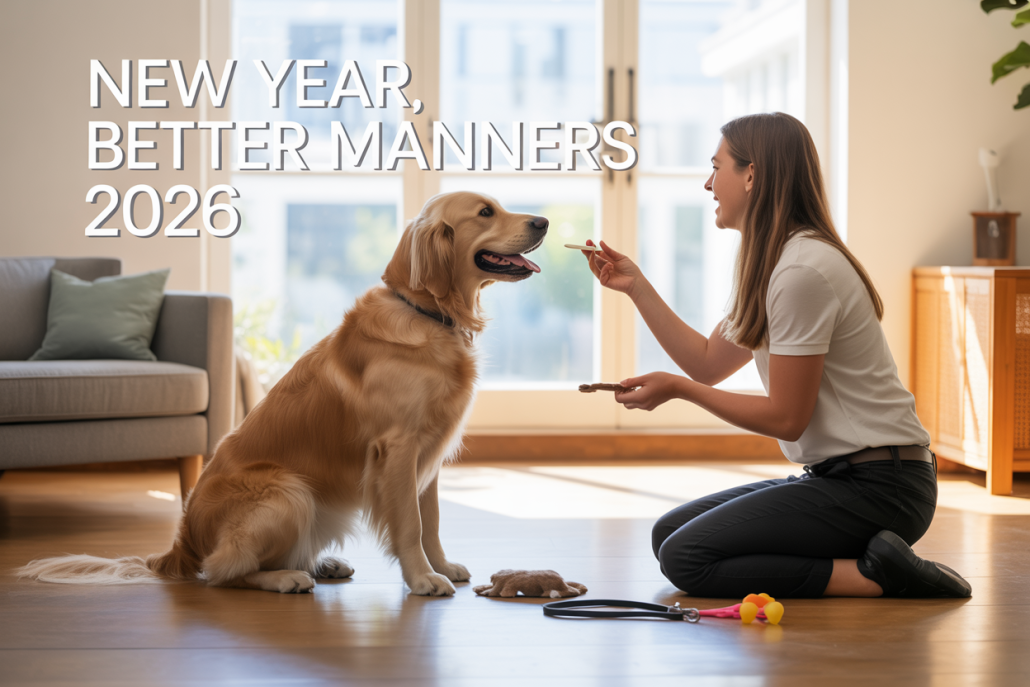
New Year, Better Manners, Simple Resolutions For Your Dog In 2026
New Year, Better Manners: Simple Resolutions For Your Dog In 2026
Ready to transform your furry friend into the well-behaved companion you’ve always dreamed of? This guide is perfect for dog owners who want to start fresh with practical New Year dog training goals that actually work.
Your dog doesn’t need a complete personality makeover – just some focused attention on the basics. We’ll show you how to tackle dog behavior improvement through simple, daily actions that fit into your real life.
You’ll discover essential foundation commands that every dog should master, from sit and stay to walking politely on a leash. We’ll also dive into how to eliminate common behavioral problems with proven dog-manners training techniques that don’t require expensive equipment or hours of your time.
Finally, we’ll cover building confidence and social skills through intelligent dog socialization training approaches. These dog training resolutions aren’t about perfection – they’re about creating a happier, more relaxed relationship with your four-legged family member.
Essential Foundation Commands Every Dog Should Master
Teaching Reliable Sit and Stay for Better Impulse Control
The sit command forms the backbone of practical dog training resolutions and serves as your dog’s first lesson in self-control. Start with a treat held close to your dog’s nose, then slowly lift it over their head. As their head follows the treat, their bottom naturally touches the ground. The moment they sit, say “sit” clearly and reward immediately. Practice this multiple times daily in short sessions.
Once your dog masters sitting on command, introduce the stay. Begin with your dog in the sit position, then hold your palm up in a “stop” gesture while taking just one step back. Wait two seconds, then return and reward. Gradually increase the distance and duration as your dog’s impulse control improves. This basic dog command prevents jumping on guests, rushing through doors, and stealing food from counters.
Perfecting the Come Command for Safer Off-Leash Experiences
A reliable recall command can literally save your dog’s life. Start training indoors where distractions are minimal. Get down to your dog’s level and use an excited, happy voice to call their name, followed by “come!” When they approach, reward enthusiastically with treats and praise. Never call your dog to come for something they perceive as negative, like ending playtime or giving medicine.
Practice in increasingly challenging environments, starting with a fenced yard before progressing to open spaces. Use a long training leash initially for safety while building reliability. The key is making your visit the most rewarding experience possible. This dog obedience training skill allows for enjoyable hikes, beach visits, and off-leash play sessions while keeping your companion safe.
Establishing Down Command for Calming Anxious Behaviors
The down command serves dual purposes in improving your dog’s behavior: it teaches your dog to settle and provides a valuable tool for managing anxiety and overexcitement. Begin with your dog in the sitting position, then hold a treat near their nose and slowly lower it to the ground between their front paws. As they follow the treat down, their body should naturally follow. Mark the behavior with “down” and reward.
This position naturally relaxes dogs because lying down requires vulnerability and trust. Regular practice helps anxious dogs develop better emotional regulation. Use the down command during thunderstorms, when guests arrive, or when your dog becomes overstimulated. The physical act of lying down triggers a calming response that helps dogs self-soothe and regain composure.
Mastering Leave It to Prevent Destructive Habits
Leave it” might be the most practical command for preventing destructive habits and keeping your dog safe from harmful objects. Start by holding a treat in your closed fist near your dog’s nose. They’ll likely sniff, lick, and paw at your hand. Wait patiently without saying anything until they back away or stop trying to get the treat, then immediately mark with “leave it” and reward with a different treat from your other hand.
Practice with increasingly tempting items, such as toys, food on the ground, or garbage. This puppy training tip prevents counter surfing, trash raiding, and the consumption of dangerous items during walks. The command teaches dogs that backing away from something they want often results in receiving something even better, building impulse control, and trust in your leadership.
Eliminating Common Behavioral Problems Through Simple Training
Stopping excessive barking with positive reinforcement techniques
Excessive barking ranks among the most frustrating dog behavioral problems for owners, but the solution lies in understanding why your dog barks and redirecting that energy positively. Dogs bark for various reasons – alerting you to visitors, expressing anxiety, seeking attention, or simply out of boredom. The key to stopping unwanted barking isn’t punishment, but rather teaching your dog when barking is appropriate and when it’s time to be quiet.
Start with the “quiet” command during your dog training sessions. When your dog begins barking, wait for a natural pause, then immediately say “quiet” in a calm, firm voice. The moment they stop barking, even for a second, reward them with treats and praise. This positive reinforcement technique teaches your dog that silence brings good things. Consistency is everything – every family member needs to use the same command and reward system.
For attention-seeking barking, completely ignore the behavior. Turn your back, avoid eye contact, and don’t speak to your dog until they’re quiet. This dog behavior improvement strategy removes the reward (your attention) that drives the barking. When they finally settle down, reward them with the attention they were seeking.
Address boredom-related barking by increasing mental stimulation. Puzzle toys, training sessions, and interactive games tire out your dog’s mind, reducing the likelihood of excessive vocalization. Regular exercise also plays a crucial role – a tired dog is typically a quieter dog.
Reducing jumping on guests and family members
Jumping on people stems from excitement and your dog’s natural desire to greet at face level. While this behavior might seem harmless when your dog is small, it becomes problematic as they grow or when elderly visitors or children are involved. The good news is that jumping can be eliminated through consistent obedience training.
The most effective approach involves teaching an alternative behavior. Train your dog to sit when greeting people instead of jumping. Start this dog manners training at home with family members. When you enter a room, and your dog approaches excitedly, immediately ask for a sit before any interaction. Reward calm, seated behavior with attention, treats, and gentle petting. If they jump, turn away, and ignore them completely until they settle down.
Practice the “four on the floor” rule – your dog only receives attention when all four paws are on the ground. Ask guests to follow this same protocol. Brief them before entering your home: if the dog jumps, they should turn away and ignore the behavior entirely. Only when the dog has all four feet on the floor should they receive greetings.
Consistency across all interactions is vital for success. Every person your dog meets should respond the same way to jumping behavior. Mixed messages confuse your dog and slow progress. Consider practicing with willing friends and neighbors to reinforce proper greeting manners.
Preventing pulling during walks for enjoyable outings
Leash pulling transforms what should be enjoyable walks into frustrating tug-of-war sessions. Dogs naturally walk faster than humans and want to investigate every interesting smell and sight. Teaching loose-leash walking requires patience and the proper techniques as part of your basic dog commands foundation.
Begin training in a low-distraction environment, such as your backyard or a quiet hallway. Hold treats at your dog’s nose level and start strolling. When your dog walks beside you with a loose leash, reward them with treats and praise. The moment the leash tightens, stop moving entirely. Don’t move forward until the leash loosens again, even if your dog has to back up to create slack.
The “be a tree” method works exceptionally well for persistent pullers. When your dog pulls ahead, become completely still like a tree. Wait patiently until your dog returns to your side or the leash becomes loose, then resume walking. This teaches your dog that pulling stops all forward progress, while walking nicely beside you leads to continued exploration.
Use high-value treats during training walks – something your dog considers absolutely irresistible. Reward frequently when they’re walking properly beside you, gradually reducing the frequency of treats as the behavior becomes a habit. Keep training sessions short initially to prevent frustration for both you and your dog.
Consider using a front-clip harness or head collar as training tools. These equipment options give you better control and make pulling less rewarding for your dog without causing discomfort.
Building Confidence and Social Skills in Your Dog
Introducing proper greetings with strangers and other dogs
Teaching your dog adequate greeting manners makes every walk and social interaction more pleasant for everyone involved. Start with the basic “sit” command before allowing any interaction with strangers or other dogs. This simple rule prevents jumping, lunging, or overwhelming behavior that can make others uncomfortable.
For human greetings, practice with friends and family members first. Have your dog sit while the person approaches calmly. Reward your dog for maintaining the sit position and keeping all four paws on the ground. If your dog jumps up, immediately turn away and ignore the behavior. Only allow petting and interaction when your dog is calm and seated.
Dog-to-dog greetings require more careful management. Keep initial meetings brief and positive. Allow dogs to see each other from a distance first, rewarding calm behavior with treats. Gradually decrease the distance over multiple sessions. Watch for signs of stress or overexcitement, such as panting, pacing, or pulling, and create more space if needed.
Reducing fearfulness through gradual exposure training
Dog socialization training works best when you expose your fearful dog to new experiences slowly and systematically. This process, called desensitization, helps build confidence without overwhelming your pet. Start by identifying your dog’s specific triggers – loud noises, unfamiliar people, or particular objects.
Create positive associations by pairing the scary stimulus with something your dog loves, such as treats or playtime. If your dog fears strangers, have people toss treats from a distance without making direct eye contact or approaching. Gradually reduce the distance as your dog becomes more comfortable.
Time and patience are your best tools here. Rushing the process often backfires and can make fears worse. Some dogs need weeks or months to overcome deep-seated anxieties. Celebrate small victories like your dog glancing at a stranger without cowering, or walking past a noisy construction site without trembling.
Teaching appropriate play behaviors with children
Children and dogs can be wonderful companions, but both need guidance to interact safely and respectfully. Teach your dog that children move and sound different from adults, and that gentle behavior is always required around little ones.
Start by teaching your dog to approach children calmly. Practice the “gentle” command by offering treats in your closed fist, only opening it when your dog stops pawing or mouthing at your hand. This teaches bite inhibition and respect for small fingers.
Supervise all interactions closely and establish clear rules. Your dog should never mouth, jump on, or chase children, even during play. Redirect these behaviors immediately with a firm “no” and offer an appropriate toy instead. Teach children to pet gently, avoid the dog’s face, and respect the dog’s space when it moves away or lies down.
Creating positive associations with new environments
New Year’s dog training should include helping your dog feel confident in various settings. Dogs who are comfortable in different environments are easier to take places and generally less stressed. Start small with brief visits to quiet locations before progressing to busier areas.
Bring high-value treats and make each new place a positive experience. Let your dog explore at their own pace rather than forcing interactions. If your dog seems overwhelmed, create more distance or leave and try again another day with a shorter visit.
Car rides to different locations can become part of this training routine. Many dogs develop negative associations with car trips if they only go to the vet or groomer. Balance these necessary trips with fun outings to dog-friendly stores, parks, or even rides around the neighborhood that end with treats and play time.
Developing patience during grooming and handling
Regular grooming and veterinary care require your dog to remain calm while being touched, held, and manipulated. This type of dog behavior improvement takes consistent practice but pays off during routine care and emergencies.
Start handling exercises early and often. Touch your dog’s paws, ears, mouth, and tail daily while offering treats and praise. Practice holding your dog gently but firmly in different positions. Many dogs resist nail trims, so handle their paws frequently and reward calm acceptance.
Make grooming tools less scary by introducing them gradually. Let your dog sniff and investigate the brush, nail clippers, or blow dryer while they’re turned off. Once your dog seems comfortable, turn on the equipment at a distance and gradually move closer while rewarding brave behavior. This patient approach creates dogs who actually enjoy grooming time instead of dreading it.
Establishing Healthy Daily Routines That Improve Behavior
Creating Consistent Feeding Schedules to Reduce Food Aggression
Dogs thrive on predictability, and nowhere is this more important than at mealtime. When you feed your dog at the exact times each day, you’re doing more than just satisfying their hunger – you’re building trust and reducing anxiety around food. Food aggression often stems from uncertainty about when the next meal will arrive, causing dogs to guard their bowls or gobble food frantically.
Start by establishing two or three set feeding times based on your dog’s age and size. Puppies under six months typically need three meals daily, while adult dogs do well with two. Pick times that work with your schedule and stick to them religiously. Your dog’s internal clock will adjust within a few days, and they’ll stop begging or scavenging between meals.
During feeding, create a calm environment. Have your dog sit and wait before placing the bowl down, then use a release command like “okay” before they eat. This simple routine teaches impulse control and reinforces that you control the food resource. If multiple dogs share your home, feed them separately to prevent competition and tension.
Remove any uneaten food after 20-30 minutes. This prevents grazing behavior and maintains the structured schedule that helps reduce food-related behavioral problems.
Implementing Structured Exercise Routines for Mental Stimulation
Physical activity isn’t just about burning energy – it’s a cornerstone of dog behavior improvement that addresses countless behavioral issues. A tired dog is typically a well-behaved dog, but the key lies in creating variety and consistency in your exercise approach.
Morning walks should become non-negotiable, even if they’re brief. This early activity helps your dog start the day focused and calm. Evening exercise sessions can be longer and more intensive, depending on your dog’s breed and energy level. High-energy breeds like Border Collies or German Shepherds need substantial daily exercise, while smaller or older dogs might prefer shorter, gentler activities.
Mix physical exercise with mental challenges for maximum impact. Hide treats around the yard for sniffing games, use puzzle toys during walks, or practice basic dog commands in different environments. This combination prevents boredom-related destructive behaviors like chewing, digging, or excessive barking.
Weather shouldn’t derail your routine. Indoor activities like treadmill walking, stair climbing, or hallway fetch can substitute for outdoor exercise. The goal is to maintain consistency so your dog knows what to expect each day.
Setting Up Designated Rest Areas for Better Sleep Habits
Every dog needs a quiet sanctuary where they can decompress and recharge. Creating designated rest areas helps establish healthy sleep patterns and gives your dog a safe space to retreat when feeling overwhelmed or tired.
Choose a location away from high-traffic areas but not entirely isolated. Dogs are social animals and prefer spots where they can still observe family activities while resting. A corner of the living room or a quiet bedroom often works perfectly.
Invest in a quality dog bed that supports your pet’s joints and provides comfort. The bed should be large enough for your dog to stretch out completely but cozy enough to feel secure. Puppies especially benefit from beds with raised edges that mimic the den-like feeling of being close to littermates.
Establish “quiet time” periods throughout the day when your dog should settle in their rest area. After meals, intense play sessions, or training work, guide them to their bed with a calm “place” command. Reward them for settling down with gentle praise or a special rest-time chew toy.
Keep the rest area clean and free of distractions, such as squeaky toys, that might overstimulate rather than promote relaxation. A consistent bedtime routine that includes settling in their designated area helps regulate sleep cycles.
Establishing Bathroom Schedules for Reliable House Training
Successful house training depends almost entirely on consistency and timing. Dogs naturally want to keep their living spaces clean, but they need clear guidance about where and when elimination is appropriate.
Take your dog outside first thing in the morning, immediately after meals, after naps, following play sessions, and right before bedtime. Puppies might need trips every 2-3 hours, while adult dogs can typically wait 4-6 hours between breaks.
Always use the same door and the same route to the designated bathroom area. This creates a clear association between the door, the walk, and the purpose of the trip. Use a consistent cue, such as “go potty,” and wait patiently while your dog eliminates.
Celebrate success immediately with enthusiastic praise and high-value treats. The reward should happen within seconds of the desired behavior to create a strong positive association. Never punish accidents indoors – clean thoroughly and increase supervision to prevent future incidents.
Keep a bathroom schedule log for the first few weeks to identify your dog’s natural patterns. Most dogs develop fairly predictable elimination schedules once their routine stabilizes, making house training much easier for everyone involved.
Advanced Manners Training for Well-Behaved Companions
Teaching the wait command for doorways and meal times.
The wait command transforms your dog from a door-dashing, food-lunging companion into a polite household member. Start with doorways since they’re natural training opportunities. Position yourself at any door with your dog on leash, then give the “wait” command while blocking their path with your body. Don’t open the door until they pause, even for just a second. Gradually increase the waiting time before giving your release word, like “okay” or “free.”
Meal times offer another perfect training moment for dog manners training. Hold your dog’s food bowl and ask them to wait before placing it down. Most dogs will naturally sit when anticipating food, making this an easy win. Build up the duration slowly – start with two seconds, then five, then ten. Your dog learns that patience gets rewarded with good things.
Practice the wait command at car doors, gates, and even when greeting people. This single command prevents countless problems, such as bolting out doors, jumping on visitors, or racing ahead on walks. The key is consistency – every family member needs to enforce the same rule.
Practicing quiet time behaviors for household harmony
Creating peaceful moments in your home starts with teaching your dog when it’s time to settle down. Designate specific “quiet time” periods in your daily routine, such as when you’re working from home or during family dinner. Choose a comfortable spot for your dog – perhaps a bed or mat – and practice the “place” command.
Begin with short five-minute sessions where your dog stays in their designated spot. Reward calm behavior with treats or gentle praise, but avoid exciting play. Gradually extend these quiet periods to match your household’s needs. Many dogs actually enjoy having clear expectations about when to be active versus when to relax.
Background noise can help dogs learn to settle. Soft music or white noise machines create a calming environment that signals rest time. If your dog gets restless during quiet time, redirect them back to their spot without drama or excitement. Keep your energy low and calm.
Daily dog routines that include structured quiet time help dogs understand the household rhythm. They’ll start anticipating these peaceful moments and naturally wind down when the time comes.
Developing gentle mouth behaviors around food and toys
Dogs explore the world with their mouths, but teaching bite inhibition and gentle taking prevents accidents and builds trust. Start with hand-feeding exercises where your dog must take treats softly from your palm. If they grab too roughly, close your fist and wait for them to try again more gently.
Practice the “gentle” or “easy” command when offering toys or treats. Say the word clearly, then only release the item when your dog approaches calmly rather than snatching. This dog obedience training technique works exceptionally well with high-value items your dog really wants.
Teaching “drop it” and “leave it” commands gives you control over what goes in your dog’s mouth. Use trade games where you offer something even better in exchange for releasing what they have. Never chase your dog or force items from their mouth, as this can trigger resource guarding behaviors.
Work on gentle mouth behaviors during play sessions, too. If your dog’s teeth touch your skin during games, immediately stop playing and turn away. This teaches them that rough play ends the fun, while gentle play continues.
Training polite car behavior for stress-free travel
Car rides shouldn’t feel like wrestling matches with an overexcited passenger. Improving dog behavior in vehicles starts with making the car a positive space. Let your dog explore the stationary vehicle with doors open, rewarding calm investigation with treats.
Teach your dog to wait for permission before jumping into the car. Use the same wait command you’ve practiced at doorways. Have them sit while you open the car door, then give your release word when they can enter. This prevents them from launching themselves into traffic or knocking you over.
Once inside, your dog needs a designated spot and reason to stay there. Car harnesses, crates, or barriers keep everyone safe while teaching boundaries. Start with very short trips around the block, gradually increasing distance as your dog settles into good car manners.
Address specific car problems individually. If your dog whines or barks during travel, ignore the noise completely – any attention reinforces the behavior. For dogs who get carsick, try shorter trips, fresh air, and feeding them a few hours before travel. Some dogs benefit from facing forward rather than looking out the side windows.
Practice getting in and out of the car regularly, even when you’re not going anywhere. This reduces the excitement and anticipation that leads to poor car behavior.
Teaching your dog better manners doesn’t require complicated training programs or expensive equipment. The foundation commands, daily routines, and socialization skills we’ve covered will transform your furry friend into a well-behaved companion everyone loves to be around. Small, consistent efforts each day make a bigger difference than sporadic intensive training sessions.
Start with just one or two areas that need the most attention in your household. Maybe it’s jumping on guests or pulling on the leash during walks. Once your dog masters these basics, you’ll both feel more confident tackling advanced manners training. Remember, every dog learns at their own pace, so be patient and celebrate the small wins along the way. Your dog wants to please you – sometimes they need clear guidance on how to do it.
Ready to build focus, obedience, and confidence in your dog? Our Basic Dog Training in Carlsbad, CA, helps establish reliable commands and stronger communication between you and your pet. For dogs needing individual attention, our Private Dog Training in Carlsbad, CA, delivers personalized guidance tailored to specific goals. Want a more immersive option? Our Board & Train in Carlsbad, CA program provides consistent, expert-led instruction for lasting results. Visit our homepage to learn more about Dog Training and experience top-rated Dog Training in Carlsbad, designed to help every dog thrive.

