Cognitive Changes in Senior Dogs: Adapting Training Methods for Elderly Canines
Understanding Age-Related Changes in Canine Cognition
Your faithful companion has been by your side for years, through every morning walk and evening cuddle. But lately, you might notice they seem a bit lost in the middle of a room, or perhaps they’ve started staring at the wall for no clear reason. It is a quiet shift that often goes unnoticed until the habits of a lifetime start to fray at the edges.
Watching a loyal partner age is never easy, especially when their mind doesn’t seem to track as fast as it once did. Physical slowing is expected, but cognitive changes feel different and more personal. They require a specific approach to care and a significant amount of patience from everyone in the household.
When you focus on dog training for an older animal, the goals shift from high-energy performance to comfort and safety. The brain of a senior dog undergoes structural changes that directly affect how they process your commands and navigate their familiar environment. Understanding these internal shifts is the first step toward making their golden years as dignified and stress-free as possible. You aren’t just teaching an old dog new tricks, you’re helping a friend manage a changing world. It’s about preserving the bond while acknowledging that their mental bandwidth isn’t what it was two years ago. We have to be the ones who adapt first.
Recognizing Early Signs of Cognitive Decline
The early indicators of cognitive decline in dogs are frequently subtle and easily dismissed as “just getting old.” You might see your dog standing on the wrong side of a door they’ve used for a decade, or noticing a delay when you call their name. These moments look like simple forgetfulness, but they are often the first signals of shift in brain health. Some dogs might start pacing at night or develop a newfound anxiety when you leave the house for even a few minutes. It is heartbreaking to watch, but identifying these symptoms early allows you to adjust your routine before the dog becomes truly distressed.
Pay close attention to changes in social interaction, such as a dog that was once a “velcro dog” suddenly preferring to sleep in a different room alone. Conversely, a dog that was independent might become excessively clingy or vocal. Since the benefits extend into mental stimulation, maintaining a very gentle engagement schedule can help slow some of these behavioral drifts. If you notice your dog getting stuck in corners or behind furniture, those are clear physical manifestations of spatial disorientation. These aren’t just quirks, they represent a legitimate change in how your dog perceives the physical space around them.
How Brain Function Changes with Age in Dogs
As dogs reach their senior years, their brains may experience a buildup of beta-amyloid plaques, similar to what humans experience with certain types of dementia. This buildup interferes with how neurons communicate with each other, leading to slower reaction times and confusion. The physical structure of the brain actually changes, often with a decrease in mass and a reduction in the flow of oxygenated blood.
These biological shifts mean that a command your dog used to follow instantly now requires several seconds of “processing time” before they can react. It isn’t stubbornness, it is literally a slower electrical signal making its way through the nervous system.
Neurotransmitter levels also fluctuate, which can severely impact sleep-wake cycles and mood regulation. This explains why an older dog might sleep all day but wander the house restlessly at 3 AM. Learning about these physiological shifts helps you avoid frustration during making top training like repeating a command too quickly or raising your voice in frustration. The dog’s brain is working as hard as it can, but the hardware is wearing down. When you understand the “why” behind their confusion, it becomes much easier to provide the “how” for their continued support and comfort within the home.
Distinguishing Between Normal Aging and Cognitive Dysfunction
It is vital for every pet owner to distinguish between physical slowing and Canine Cognitive Dysfunction (CCD). A dog moving slowly because of arthritis is participating in normal aging, while a dog that forgets how to eat out of their bowl is likely dealing with CCD. Normal aging might mean your dog sleeps more or has less interest in long games of fetch.
However, cognitive dysfunction involves a loss of “learned” behaviors, such as house-training accidents in a dog that hasn’t had one in years. If the dog seems to lose the “map” of their life, it’s more than just old age.
Use the “DISH” acronym to evaluate your dog’s behavior: Disorientation, Interaction changes, Sleep-wake cycle shifts, and House-soiling. If your pet is ticking multiple boxes in this list, you are likely looking at cognitive decline rather than standard senior slowing. While we can’t stop the clock, knowing where your dog stands on this spectrum helps in choosing the right dog training cues that emphasize hand signals over verbal ones. Adjusting your expectations is the greatest gift you can give a senior pet. They genuinely want to please you, but their internal compass is simply spinning.
When to Consult Your Veterinarian About Behavioral Changes
Never assume that a change in behavior is purely mental until a veterinarian has ruled out physical pain or illness. A dog that stops responding to “sit” might not be confused, they might simply have hip pain that makes the movement agonizing. Similarly, sudden “forgetfulness” regarding house-training can often be a urinary tract infection or kidney issues rather than a brain problem.
You should schedule a consultation the moment you notice a pattern of disorientation or significant personality shifts. A professional can run blood work and perform a physical exam to see if there is an underlying medical cause that can be treated.
Your vet might suggest specific supplements, like Omega-3 fatty acids or antioxidants, which have been shown to help support brain health in aging canines. In some cases, prescription medications can help regulate sleep cycles or reduce the anxiety associated with cognitive decline. Early intervention is key, as many of these treatments are more effective when started at the first sign of trouble.
Be prepared to provide a detailed log of the behaviors you’ve seen, including the time of day they occur and what seems to trigger them. This data is invaluable for a vet trying to differentiate between a physical ailment and a cognitive shift that requires a different management plan.
- Monitor for nighttime wandering or vocalization that wasn’t there before.
- Check if they are responding to visual cues better than verbal ones.
- Ensure the home environment remains consistent to avoid causing extra confusion.
- Keep training sessions very short—no more than two or three minutes at a time.
Ultimately, your senior dog needs you to be their advocate and their guide. The transition into the senior years doesn’t mean the end of their learning or your connection. It just means the rules of the game have changed slightly.
By staying observant and proactive with veterinary care, you can ensure your dog feels safe even as their world becomes a bit more confusing. Patience is the most important tool in your arsenal right now. Your dog has spent a lifetime learning your language, and now it is your turn to learn theirs as it evolves in their final years.
Adapting Your Training Approach for Older Dogs
Modifying Session Length and Frequency
When you work with a younger dog, they often have a bottomless pit of energy and mental stamina. You might be used to twenty-minute blocks of high-intensity work, but that simply does not work for an aging canine. Senior dogs experience mental fatigue much faster than their younger counterparts. Their brains are processing information through a filter of cognitive decline, which makes even simple tasks feel like a heavy lifting exercise.
I suggest shifting your mindset toward micro-sessions to keep your dog engaged without causing frustration. Think about doing three or four sessions that last only five minutes each throughout the day rather than one long block. This approach respects their diminishing attention span and prevents the physical exhaustion that often leads to “shutting down” during a lesson. If you notice your dog staring blankly or sniffing the ground more than usual, it’s a sign they’ve hit their limit for the hour.
Short bursts of activity help maintain the bond you share while keeping their mind sharp. We want to avoid pushing them to the point of failure, as elderly dogs can lose confidence quite easily. By keeping the frequency high but the duration low, you reinforce their success. And because you are focusing on dog training in smaller doses, you can better monitor their physical comfort levels throughout the interaction.
Adjusting Reward Systems for Senior Motivation
Motivation changes as a dog enters their golden years, and the tennis ball that used to drive them crazy might not hold the same appeal anymore. Many senior dogs suffer from dental issues or a decreased sense of smell, which means your standard dry biscuit might not cut it. You need to “up the ante” with rewards that appeal to their staying senses, often focusing on high-value, soft treats that provide immediate olfactory gratification.
Think about using things like boiled chicken, small bits of cheese, or even wet food delivered via a squeeze tube. These softer options are much easier for an older dog to chew and swallow without interrupting the flow of the session. But it isn’t just about food; tactile rewards are increasingly important. A gentle ear rub or a soft spoken “good boy” can be just as reinforcing as a treat for a dog who has spent a decade by your side.
We also have to consider their slowing metabolism when picking these rewards. Using smaller, more nutrient-dense treats ensures they don’t pack on extra weight, which would only put more stress on their joints. While we often focus on the building blocks of behavior through food, the emotional connection becomes the primary motivator for an elderly dog. They want to please you, even if their body is telling them to slow down.
Working with Reduced Hearing and Vision
One of the biggest hurdles in senior dog training is the loss of sensory input. If your dog has stopped responding to a “sit” command, don’t assume they are being stubborn or “forgetting” their manners. It is much more likely that they simply didn’t hear you or can’t see the hand signal you’re giving from across the room. You have to adapt your communication style to fit their current physical reality.
If their hearing is failing, transition to clear, exaggerated hand signals. Use a flashlight or a vibrating collar (set to the lowest non-shock setting) to get their attention if they aren’t looking at you. Conversely, if their vision is clouded by cataracts, rely more heavily on verbal cues and scent-based markers. Placing a specific scent, like a drop of lavender oil, on a target mat can help a visually impaired dog find their “place” without needing to see the floor clearly.
Patience is your most valuable tool here. You might need to wait an extra five seconds for the signal to travel from their ears to their brain and finally to their legs. But this extra time allows them to process the request without feeling pressured. Watching for these sensory shifts is part of the long-term care that eventually leads to the difficult period when to say to your companion, so cherish these quiet moments of communication.
Creating Low-Impact Training Environments
The physical environment plays a massive role in how well an older dog can learn. Training on slick hardwood or tile floors can be terrifying for a senior dog with arthritis or hip dysplasia. If they are worried about slipping and hurting themselves, they won’t be able to focus on the task you’re asking them to perform. They are essentially multitasking between “learning” and “staying upright,” which is a recipe for anxiety.
I always recommend using yoga mats, area rugs, or grass to provide the traction they need to feel secure. These surfaces allow them to sit or lie down without the pain of their joints knocking against a hard floor. Additionally, consider the layout of the room.
A cluttered space can be difficult for a dog with limited peripheral vision to navigate, so keep the training area clear and predictable. Low-impact movements are the goal here; we aren’t asking for high-speed recalls or jumps.
Ensure the temperature is also comfortable, as older dogs can struggle to regulate their body heat. A chilly garage or a scorching backyard can quickly lead to stiff muscles or overheating. By controlling the environment, you remove the physical distractions that hinder their progress. And remember, the goal of dog training for seniors is enrichment and maintenance, not perfection. If they can only manage a “sit” for two seconds because of their hips, treat it as a massive victory.
Effective Training Techniques for Cognitive Support
Mental Stimulation Exercises That Support Brain Health
Working with an aging dog requires a shift in how we view success. While a young pup might thrive on high-energy drills, an older canine needs puzzles that challenge the mind without exhausting the body. Cognitive decline often manifests as a lack of focus or increased lethargy, but targeted senior dog training can help stall these effects.
Interactive toys are a fantastic starting point for maintaining neural pathways. Food puzzles that require nudging or sliding compartments keep a dog engaged during mealtime. You should consider using snuffle mats or treat-dispensing balls that reward the dog for problem-solving. These activities keep the brain firing by forcing the animal to think through a process to get a reward.
Short, frequent sessions are much more effective than long marathons. If your dog gets frustrated, the exercise loses its value. You want to keep the “win” rate high to avoid stress. Looking at Dog Training strategies for seniors shows us that mental fatigue happens faster than physical exhaustion in many older pets. Keep things simple and rewarding.
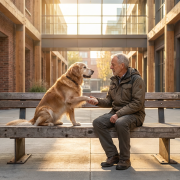
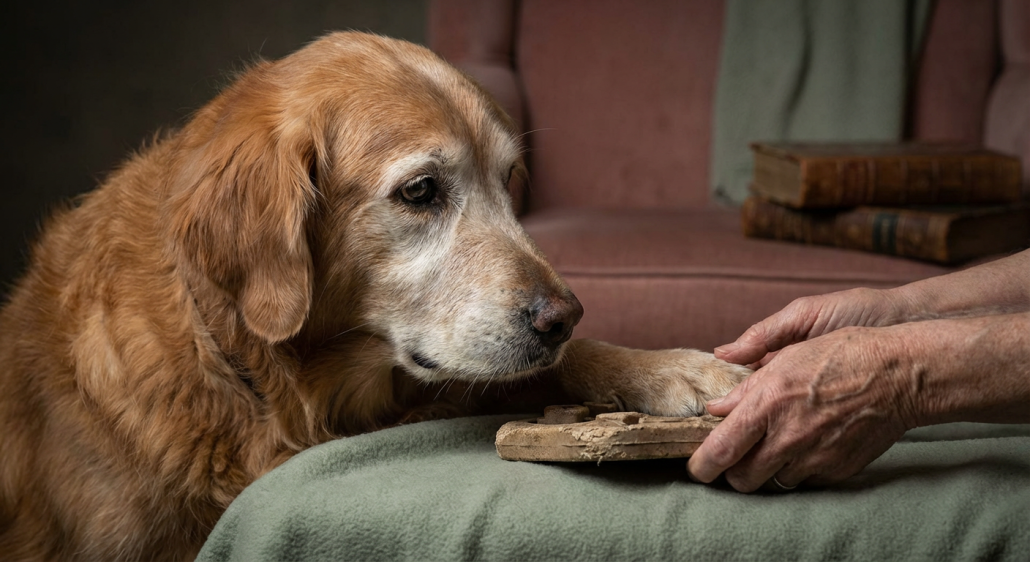
Teaching new, low-impact tricks can also be beneficial. Think about “paw” or “touch” where the dog barely has to move their joints. This keeps them listening to your cues and reinforces the bond between you both. Even if they move a little slower, the act of processing a command provides vital stimulation for an aging brain.
Using Muscle Memory to Reinforce Learned Behaviors
One of the most fascinatng aspects of the canine brain is how deeply ingrained physical habits become. Even when cognitive decline begins to cloud recent memories, long-term muscle memory often stays intact. This is why many owners find that their senior dogs still sit automatically at the door even if they seem confused about a new “spin” command.
You can use this to your advantage by revisiting the basics frequently. Practicing foundational skills like “down” or “stay” helps ground an elderly dog in a familiar reality. If you find when your dog refuses to listen, it might not be stubbornness. It could simply be that the neural connection to that specific word is fraying over time.
Consistency is your best friend here. Always use the same hand signals alongside your verbal cues. Vision and hearing often fade at different rates, so providing multiple sensory inputs helps the dog recognize the Pattern. If the dog has spent ten years sitting on a specific hand gesture, that physical response is likely hard-wired into their nervous system.
Avoid changing the physical environment where training happens. Using the same rug or the same corner of the garden helps the dog associate that physical space with specific behaviors. By relying on these deep-seated habits, you reduce the cognitive load on your dog. They don’t have to “think” as hard because their body simply knows what to do based on years of repetition.
Incorporating Scent Work and Nose Games
The olfactory system is often the last sense to decline in a senior dog. While their eyesight might get cloudy and their hearing might fade, their nose remains a powerful tool for navigating the world. Engaging their sense of smell is one of the most effective ways to provide brain exercise without requiring any jumping or running.
Simple games like “find the treat” can be played in a small room. Start by letting your dog see you hide a high-value snack under a cardboard box or behind a chair leg. As they get better at it, you can hide items in more challenging spots. This encourages them to use their natural instincts, which provides an immense boost to their mood and mental clarity.
Research into dog training. what and what fails often highlights scent work as a primary confidence builder. For an older dog who might be feeling vulnerable due to physical limitations, successfully finding a hidden scent provides a sense of accomplishment. It reminds them that they still have a “job” to do.
You can even take this outdoors on a “sniffari” walk. Instead of focused heeling, let your dog lead the way with their nose. Stop and let them inhale every blade of grass if they want to.
This passive form of stimulation is incredibly tiring for the brain in the best way possible. It processes an enormous amount of data through scent, keeping the cognitive gears turning without stressing their joints.
Building Confidence Through Familiar Routines
Anxiety is a common side effect of aged-related cognitive changes. When a dog feels like they are losing their grip on their environment, they can become reactive or withdrawn. Establishing a rigid daily routine is the most professional way to manage this decline and keep your senior dog feeling secure in their home.
Try to feed, walk, and train at the exact same times every day. Predictability acts as a safety net. When a dog knows exactly what is coming next, they don’t have to spend energy worrying about the unknown. This stability is a core part of effective elderly dog behavior management. It lowers cortisol levels and allows the dog to relax.
Is your dog starting to seem lost in the house? You might want to use different textures on the floor to mark transitions between rooms. A small rug near the back door or a different mat under their food bowl provides tactile cues. These physical markers help the dog orient themselves if their vision is starting to fail, acting as a “GPS” for their daily life.
Gentle praise becomes even more important during these years. Even if they perform a task perfectly for the thousandth time, celebrate it. Your positive energy confirms that they are still doing the right thing. This reinforcement prevents the confusion that often leads to “shutdown” behaviors. Through professional dog training, we learn that a confident dog is a happy dog, regardless of their age. Keep the environment calm, keep the rewards frequent, and keep the love abundant.
Managing Common Behavioral Challenges
Addressing Increased Anxiety and Confusion
Aging affects every dog differently, but an uptick in general anxiety is almost universal. You might notice your once-confident companion suddenly becoming clingy or panting heavily when you reach for your car keys. This shift usually stems from a loss of sensory input, as failing vision or hearing makes the world feel like a much more unpredictable place.
Professional dog training specialists often see senior dogs struggling with separation distress they never had in their youth. It is heart-wrenching to watch, but you can alleviate much of this stress by maintaining a hyper-consistent daily routine. Feeding, walking, and nap times should happen like clockwork to provide a sense of security.
When confusion sets in during a session, it is vital to lower your expectations immediately. If your dog stares blankly at you after a well-known command, they are not being stubborn or defiant. Their brain is simply processing the request at a much slower speed than it did two years ago.
Using training dogs helps clarify communication during these moments of mental fog. Clear, consistent signals tell the dog exactly when they have done something right, which builds their dwindling confidence. Focus on making every interaction a “win” for them to keep their spirits high.
Handling Changes in Sleep Patterns and House Training
It is incredibly frustrating to wake up to a puddle on the floor from a dog that has been house-trained for a decade. Before you assume they are just getting lazy, remember that physical and cognitive changes often go hand-in-hand. Senior dogs may lose the muscle tone required to hold their bladder, or they might simply forget they need to go out.
Reverting to a puppy-style schedule is often the best way to manage these regressions. This means taking them outside every few hours and immediately after they wake up from a nap. You want to set them up for success rather than putting them in a position where they feel forced to have an accident indoors.
Sleep cycles also tend to flip as dogs enter their twilight years. You might find your dog sleeping deeply all day and then pacing restlessly throughout the night. This restlessness is frequently linked to joint discomfort or a need for more frequent bathroom breaks that their body cannot ignore.
To help reset their internal clock, try to increase their mental stimulation during the daylight hours. Short, gentle in home dog sessions can provide enough “brain work” to tire them out naturally. Keeping their mind active helps ensure they are actually ready for rest when the sun goes down.
Dealing with Disorientation and Wandering
Disorientation is one of the hallmark signs of Canine Cognitive Dysfunction, which is essentially the dog version of dementia. You might find your elderly dog stuck in a corner or standing on the wrong side of a door waiting for it to open. It is a confusing experience for the dog and a distressing one for you to witness.
Wandering aimlessly around the house is another common behavioral challenge. The dog may appear to be looking for something but cannot quite remember what it is. In these instances, your role is to act as a calm guide, gently steering them back to their bed or a familiar rug.
Safety becomes the absolute priority when a dog starts to lose their spatial awareness. You should consider using baby gates to block off stairs or rooms where they might get trapped or injured. Adding more rugs to hardwood floors can also help, as it provides better traction and clear “paths” for them to follow.
Always use a soft, encouraging tone when you find them looking lost. Scolding or sudden movements will only increase their panic and make the disorientation worse. Simple, familiar physical contact, like a hand on the shoulder, can often ground them and bring them back to the present moment.
Supporting Dogs with Sundown Syndrome
Sundowning is a specific phenomenon where a dog’s confusion and anxiety peak during the evening hours. As the light fades, your dog might become irritable, start barking at nothing, or pace the floor incessantly. It is as if the transition from day to night triggers a “flight” response in their aging brain.
Managing this requires a multi-pronged approach that focuses on environmental comfort. Keeping the house well-lit during the early evening can help minimize the visual changes that trigger anxiety. Some owners find success using calming music or white noise machines to drown out evening sounds that might startle a sensitive senior.
Consistency in your dog training approach is still relevant even during these difficult evening hours. While you aren’t teaching new tricks at 8:00 PM, you are using “stay” or “settle” commands to help them find a calm state. Rewarding calm behavior with high-value, easy-to-digest treats can create a positive association with the nighttime routine.
If the pacing becomes extreme, talk to your veterinarian about supplements or medications specifically designed for senior cognitive health. Sometimes a little extra support is needed to help their brain relax enough to find sleep. Your goal is always to provide a soft landing for them as they navigate these complex changes in their final years.
Remember that patience is your most valuable tool when working with an elderly canine. They aren’t trying to make your life difficult; they are just trying to make sense of a world that is becoming increasingly blurry. By adapting your expectations and environment, you can maintain a deep, meaningful bond throughout their entire life.
Creating a Supportive Environment at Home and in Care
Designing Senior-Friendly Spaces for Training Success
Adapting your home environment is the first practical step in managing senior dog training as your pet ages. Cognitive decline often leads to spatial disorientation, which can make a once-familiar living room feel like a confusing obstacle course. You should start by assessing the traction on your flooring.
Hardwood or tile floors are notoriously difficult for older dogs with joint issues or reduced muscle mass. Placing non-slip rugs or yoga mats along common walkways provides the physical stability they need to focus on your commands rather than their fear of falling. And when a dog feels physically secure, their mental bandwidth for learning actually increases.
Lighting is another factor that many owners overlook during the later years. As vision fades due to cataracts or nuclear sclerosis, shadows can become frightening or confusing. Using plug-in nightlights near their water bowl and sleeping area helps them navigate without anxiety. A calm, well-lit space reduces the cortisol levels that often interfere with memory retention.
You might also consider dedicated scent markers for different zones of the house. Because the sense of smell often remains sharp even when sight fails, a tiny drop of lavender near their bed or vanilla near the back door can act as a sensory map. It creates a predictable world where the dog feels confident enough to engage in short, gentle dog training sessions without feeling overwhelmed by their surroundings.
Maintaining Consistent Daily Schedules
Predictability is perhaps the greatest gift you can give a dog experiencing cognitive changes. When the internal clock begins to falter, an external schedule acts as a comforting anchor. You should try to keep feeding, walking, and training times within the same thirty-minute window every single day.
This consistency helps regulate their digestive system and sleep-wake cycles, which are often the first things to dysregulate in senior dogs. If your dog knows that a short training bout always happens after the morning potty break, they are more likely to be mentally prepared for the task. Sudden changes to the routine can trigger pacing or vocalization, making it nearly impossible for them to process new information.
But sticking to a schedule doesn’t mean you can’t be flexible with the intensity of the work. On days when your dog seems particularly tired or confused, use that scheduled time for low-impact engagement. Perhaps you just practice “touch” cues while they are lying down. The goal is to maintain the habit of interaction without causing physical or mental exhaustion.
Consistency also extends to the verbal cues and hand signals you use. If you have always used “down,” don’t suddenly switch to “lie down” just because the dog isn’t responding as quickly. Their processing speed is slower now, so they need the exact same trigger every time to make the connection. Patience becomes your primary tool when the biological hardware starts to wear down.
Working with Daycare Staff on Individual Needs
If you use professional services, clear communication with the facility is essential for your dog’s safety and mental health. A standard daycare environment can be high-energy and loud, which is frequently too much for an elderly dog to handle. You need to ensure the staff understands the specific cognitive and physical limitations your pet is facing.
In many cases, a specialized board & train program or a quiet senior-only daycare group is a better fit than a general play population. Ask the staff if they provide “orthopedic breaks” where your dog can rest away from the noise. You should also provide a written list of updated commands, as senior dogs may have transitioned to hand signals if their hearing is failing.
Staff members should be alerted to signs of “sundowning,” a state of increased confusion that often occurs in the late afternoon. If the facility knows your dog gets agitated at 4:00 PM, they can move them to a calm, dimmed area before the behavior escalates. This proactive management prevents the dog from forming negative associations with being away from home.
It is also helpful to share your current dog training goals with the caregivers. If you are working on refined “wait” commands to prevent bolting, the daycare staff should reinforce that exact behavior. When everyone uses the same approach, the dog experiences less frustration and feels more successful in their daily life.
Communication Strategies for Multi-Caregiver Situations
When multiple family members or professional walkers are involved, small inconsistencies in handling can lead to significant confusion for a senior dog. You should create a central log, either a physical notebook or a shared digital app, to track daily behaviors and medication. This ensures everyone is on the same page regarding the dog’s mental state each day.
Standardizing the “help” signals is a vital part of this strategy. For example, if the dog gets stuck in a corner—a common symptom of cognitive dysfunction—every caregiver should know the specific gentle way to guide them out without causing a startle response. Using a “touch” cue to lead them is often better than physically pulling on their collar.
- Universal Cue List: Post a list of active commands on the fridge so guests and sitters don’t use “off” when the dog knows “down.”
- Health Tracking: Note any instances of wandering or confusion to help the vet determine the rate of decline.
- Reward Consistency: Use the same high-value, soft treats across all caregivers to keep motivation high.
- Signal Clarity: If using a dog training whistle or clicker, ensure everyone knows the correct timing.
Effective communication prevents the “mixed signals” that cause elderly dogs to shut down. If the teenage son allows jumping but the mother corrects it, the senior dog’s aging brain will struggle to find the “right” answer. By simplifying the rules and sticking to them, you create a social environment that supports their cognitive health. And ultimately, that stability is what allows them to remain a functional, happy member of the household for as long as possible.
Long-Term Care Planning and Professional Support
When to Seek Specialized Behavioral Assistance
There comes a point where DIY adjustments at home aren’t enough to manage the complexities of a senior dog’s mental state. You might notice your dog becoming increasingly agitated at night or showing sudden aggression that seems entirely out of character. These are red flags that go beyond simple stubbornness or the typical slowing down we expect from an older pet.
If your dog is getting stuck in corners or failing to recognize family members, it is time to consult an expert. Engaging in an animal behavioral consultation provides a structured way to assess whether these actions are purely cognitive or driven by underlying pain. Professionals can help you distinguish between a dog that is “forgetting” their house training and one that is suffering from Canine Cognitive Dysfunction (CCD).
And while you might think an old dog is past the point of learning, specialized dog training can actually provide the mental stimulation needed to slow cognitive decline. But this requires a delicate touch. A trainer who understands geriatric needs won’t use high-pressure tactics or long, exhausting sessions that drain your dog’s limited energy stores.
Coordinating with Veterinary Care Teams
Training and medical care are two sides of the same coin when it comes to senior dogs. You cannot effectively train a dog that is in physical discomfort or dealing with a sensory deficit you haven’t identified yet. A sudden refusal to follow “sit” commands might actually be a sign of hip dysplasia or arthritis rather than a cognitive lapse.
Regular check-ups become the foundation of your training strategy as your dog enters their golden years. You should share your training observations with your vet, including any specific times of day when your dog seems most confused or less responsive. They can prescribe supplements or medications that improve blood flow to the brain, making your dog training efforts much more productive.
But remember that medication is rarely a “silver bullet” for behavioral issues. It works best when paired with environmental management and gentle reinforcement of basic obedience dog cues that your dog already knows. This multi-pronged approach ensures that your dog feels physically capable of performing the tasks you are asking of them.
Planning for Progressive Changes Over Time
Cognitive decline is rarely a stagnant condition; it follows a trajectory that requires you to stay two steps ahead. You need to look at your home environment today and ask if it will still be safe for your dog six months from now. Simple changes like adding non-slip rugs or extra lighting in hallways can prevent the anxiety that often leads to “senior moments” during training.
As your dog’s vision or hearing fades, your communication style must evolve. If you previously relied on verbal cues, now is the time to emphasize clear, exaggerated hand signals. This proactive shift ensures that even if their hearing leaves them entirely, the bond you have built through years of dog training remains intact and functional.
It is also wise to establish a predictable daily routine. Older dogs thrive on a schedule because it reduces the “cognitive load” of having to figure out what happens next. When meals, walks, and short training sessions happen at the same time every day, your dog feels more secure. This security translates to a more relaxed animal that is easier to manage even as their mental faculties shift.
Resources for Families Navigating Senior Dog Care
Caring for an elderly dog can be emotionally taxing for the entire household. You might feel frustrated when your once-sharp companion seems lost in their own home, but you are not alone in this experience. There are numerous support groups and professional resources designed specifically for owners of dogs with CCD or other age-related issues.
Many owners find success by returning to the fundamentals of basic obedience dog, but with a focus on “success-based” learning. This means setting the bar very low so your dog can win frequently. Providing these small wins helps maintain their confidence and prevents the depression that often accompanies the loss of physical and mental abilities.
So, what should your final takeaways be as you navigate this phase? Focus on quality over quantity in every interaction. Short, three-minute training sessions are far better than a half-hour grind. Always prioritize comfort over “perfection” in performance, and never hesitate to adjust your expectations as your dog’s needs change.
Key Takeaways for Senior Dog Success:
- Adapt Early: Transition to hand signals before your dog loses their hearing entirely.
- Medical First: Always rule out physical pain before assuming a behavior is purely “mental.”
- Simplify: Use high-value treats and very basic cues to keep your senior dog engaged without causing stress.
- Seek Help: Professional consultations can provide a roadmap when you feel stuck or overwhelmed.
At Hot Dog on a Leash, we believe every dog deserves to live their final years with dignity and engagement. Adapting your dog training methods isn’t about giving up; it is about showing your dog that you are willing to speak their new language. If you need help tailoring a plan for your elderly canine, reach out to our team for specialized support and guidance.