Age-Appropriate Training Techniques for Senior Dogs
Your twelve-year-old Golden Retriever still perks up at the word “training,” but something’s different now. Maybe she takes longer to get up from her favorite spot, or perhaps she seems confused by commands she mastered years ago. You’re not imagining things, and you’re certainly not giving up on her potential to learn.
Training senior dogs requires a completely different playbook than working with energetic puppies or adult dogs. Their bodies have changed, their minds process information differently, and their motivation might come from entirely new sources. But here’s what many dog owners don’t realize: older dogs can absolutely learn new behaviors and refine existing ones.
The key lies in understanding what your senior companion needs now, not what worked when they were younger. The Benefits of Dog Training extend well into your dog’s golden years, but only when you adapt your approach to match their current capabilities.
Physical Limitations That Impact Elderly Dog Techniques
Arthritis affects roughly 65% of dogs over seven years old, and that stiffness you notice when your dog gets up isn’t just “normal aging.” It’s a signal that traditional training methods need to be modified. That enthusiastic “sit” command might now cause genuine discomfort if your dog’s hips or knees are bothering them.
Vision changes creep in gradually. Your dog might hesitate at stairs they once bounded up, or seem startled when you approach from their blind side. These aren’t behavioral problems requiring correction – they’re physical realities requiring accommodation.
Hearing loss presents another challenge entirely. Hand signals become your new best friend, but even then, you’ll need to ensure your senior dog can see you clearly. Standing across the room and expecting them to notice your gesture won’t work as it did five years ago.
Joint mobility affects more than just movement commands. Even simple behaviors like “shake” or “roll over” might become uncomfortable or impossible. The good news? You can modify almost any command to work within your dog’s physical comfort zone.
Cognitive Changes in Aging Dogs and Training Adaptations
Canine cognitive dysfunction affects up to 50% of dogs over eleven years old, but it manifests differently than you might expect. Your dog might remember their house-training perfectly but seem confused about commands they knew for years. They could navigate familiar routes flawlessly but struggle to learn new pathways.
Processing speed naturally slows down. Where your dog once responded to commands within seconds, they might now need five or ten seconds to process and react. This isn’t defiance or stubbornness – it’s their brain working at a different pace.
Memory formation changes, too. Short-term memory often suffers, while long-term memory remains intact. This means the 5 Essential Commands to Teach might need constant reinforcement, even if your senior dog mastered them years ago.
Attention spans typically shorten. Those twenty-minute training sessions that once worked perfectly might now overwhelm your dog after just five minutes. Their focus isn’t gone – it just works in shorter bursts.
Assessing Your Senior Dog’s Current Abilities and Health Status
Before starting any training program, schedule a thorough veterinary examination. Joint pain, vision problems, or cognitive issues can all masquerade as training difficulties. Your vet can identify physical limitations and suggest modifications to keep your dog comfortable during sessions.
Test basic sensory functions at home. Call your dog’s name from different rooms to gauge your dog’s hearing. Wave your hand near their eyes (without touching) to check vision responses. Notice how they navigate familiar spaces and whether they bump into furniture or hesitate at doorways.
Evaluate their current command knowledge by running through familiar behaviors. Which commands does your dog still respond to reliably? Which ones seem to confuse them now? This baseline helps you determine whether you’re dealing with physical limitations, cognitive changes, or simply rusty skills.
Watch for pain signals during movement. Reluctance to sit, difficulty standing up, or stiffness after lying down all indicate potential joint issues. These observations help you modify training techniques before they become sources of discomfort.
Setting Realistic Training Goals for Older Canines
Forget about perfection and focus on improvement instead. Your goal isn’t to transform your senior dog into a competition obedience champion – it’s to enhance their quality of life while keeping their minds engaged. Small victories matter more than dramatic breakthroughs.
Priority should go to safety-related behaviors. Reliable recall, steady walking on a leash, and calm greetings prevent injuries and make daily life easier for both of you. These practical skills trump fancy tricks every single time.
Build in flexibility from the start. Some days your senior dog will have more energy and focus than others. Successful senior Dog Training means adjusting expectations based on how your dog feels that day, rather than forcing them to meet predetermined standards.
Celebrate maintenance as much as progress. If your thirteen-year-old dog continues performing commands they learned at age three, that’s actually remarkable. Their brain is actively working to retain those behaviors despite age-related changes, and that deserves recognition.
Consider quality-of-life improvements as valid training goals. Teaching your senior dog to use ramps instead of stairs, or helping them feel more confident on different surfaces, might not look like traditional training, but it supports their well-being.
Modified Training Methods for Age-Appropriate Learning
Shorter Session Durations with Increased Frequency
Senior dogs can’t handle the mental marathon they once could. Their attention spans naturally shorten with age, making those 30-minute training sessions counterproductive (and honestly, a bit cruel).
The sweet spot for training elderly dogs? Five to ten minutes maximum. But here’s the key: frequency beats duration every single time. Instead of one long session, break your Dog Training into three or four mini-sessions throughout the day.
This approach works because senior brains process information differently. They need time to absorb what they’ve learned before taking on new challenges. Think of it like studying for an exam – cramming doesn’t work as well as spaced repetition.
Watch for signs your dog needs a break: heavy panting, wandering attention, or simply lying down mid-session. These aren’t acts of defiance. They’re your dog’s way of saying, “I need a moment.”
Low-Impact Exercises That Protect Aging Joints
Jumping through hoops might look impressive, but arthritis doesn’t care about your Instagram feed. Senior dog training needs to prioritize joint health while still providing mental stimulation.
Replace high-impact commands with gentler alternatives. Instead of “jump up,” teach “place” on a low platform. Swap vigorous play sessions for slow, deliberate movements that engage their minds without stressing their bodies.
Consider these joint-friendly training exercises: walking in figure-eights at a slow pace, gentle sit-to-stand transitions, and controlled backing up. Each movement should be deliberate and pain-free.
Swimming (if available) provides excellent low-impact exercise that many senior dogs love. The buoyancy supports their joints while giving them a full-body workout. Even walking in shallow water can provide resistance training without the harsh impact.
Using High-Value Rewards for Motivating Senior Dogs
Your senior dog’s taste buds haven’t dulled with age – they’ve gotten more discerning. Those basic kibble rewards that worked for your puppy? They’re not going to cut it anymore.
High-value rewards are crucial to the success of age-appropriate training. Think tiny pieces of cooked chicken, freeze-dried liver, or even small bits of cheese (if your dog tolerates dairy well).
But food isn’t the only motivator. Many senior dogs respond beautifully to gentle praise, soft petting, or even just your undivided attention. Pay attention to what makes your dog’s eyes light up – that’s your golden ticket to training success.
Timing becomes even more critical with older dogs. The reward needs to happen within seconds of the desired behavior. Their cognitive processing might be slightly slower, so that an immediate positive connection is essential.
Positive Reinforcement Techniques for Elderly Canines
Senior dogs have earned the right to be treated with kindness and respect. Harsh corrections or punishment-based methods aren’t just ineffective – they’re downright harmful to an aging dog’s confidence and well-being.
Positive reinforcement techniques work exceptionally well with older dogs because they build on established trust. Your senior has years of experience reading your emotions and body language. Use this deep connection to your advantage.
Patience becomes your greatest training tool. If you’re making common errors that sabotage progress, check out Are You Making These Top to ensure your approach supports rather than hinders your seniors’ learning.
Remember that confidence can wane with age, especially if physical abilities have declined. Every small success deserves celebration. Build on these victories rather than focusing on what your dog can no longer do.
The foundational principles that shaped your dog’s early training still apply, just with gentler application. Understanding these Foundation Training concepts helps you adapt techniques appropriately for your senior’s current capabilities.
Adapting Visual and Auditory Cues for Sensory Decline
Sensory changes don’t mean your senior dog can’t learn – they just need different communication methods. Hearing loss affects roughly 10% of dogs, while vision changes are even more common as dogs age.
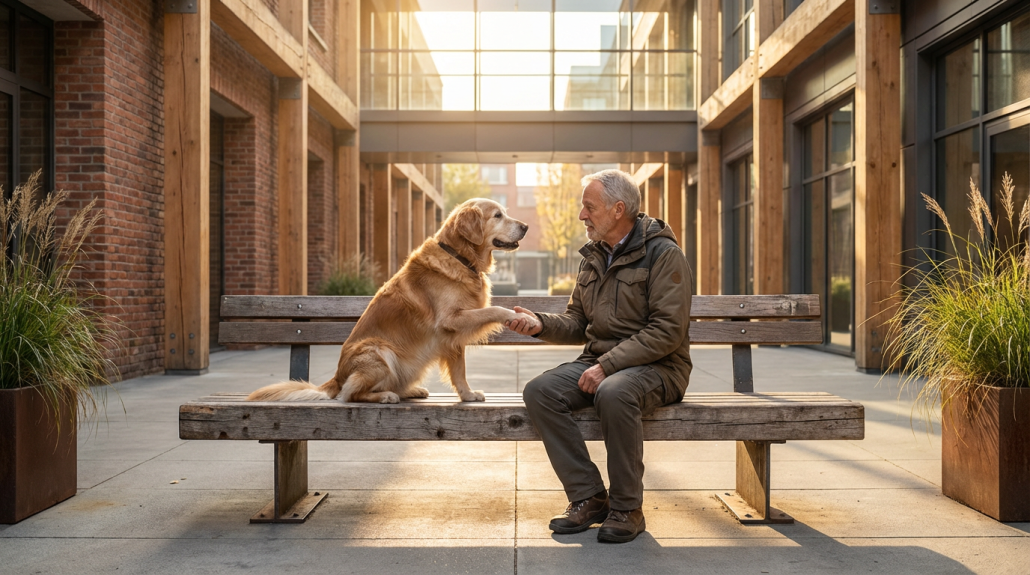
For dogs with hearing difficulties, hand signals become invaluable. Start by pairing existing verbal commands with clear visual cues. A flat palm for “stay,” pointing downward for “sit,” or an open hand sweeping toward the ground for “down.”
Make your visual signals larger and more pronounced than you would for a younger dog. What might seem exaggerated to you could be perfectly clear to a dog with declining eyesight.
Lighting matters more than you’d think. Training sessions in well-lit areas help dogs with vision impairments see your cues more clearly. Avoid backlighting yourself – it creates shadows that make reading body language nearly impossible.
For dogs losing their sight, consistent verbal cues become crucial. Speak clearly and use the same tone each time. Your voice becomes their primary guide, so make it as reliable as possible.
Consider tactile cues as backup communication. Gentle touches on the shoulder for direction changes, or light pressure on the hindquarters for sits, can beautifully supplement visual and auditory signals.
Essential Senior Dog Training Commands and Skills
Reinforcing Basic Obedience Commands for Safety
Senior dogs need rock-solid basic commands more than ever. Their reduced mobility and potential cognitive changes mean commands like “stay” and “come” become genuine safety tools rather than just party tricks.
The “stay” command takes on new importance when your elderly dog moves more slowly. You’ll want them to wait at curbs, doorways, and stairs while you assess the situation. Practice short stays first (just 10-15 seconds) and gradually extend the duration as their confidence builds.
Your recall command needs to be bulletproof, too. Senior dogs who wander off can struggle to find their way back, especially if they’re experiencing vision or hearing loss. Work on dog training techniques that rely less on verbal cues and more on visual signals or gentle physical guidance.
Don’t assume your dog remembers commands from their younger years. Age-related cognitive changes can affect memory, so you might need to retrain the basics from scratch. The good news? Senior dogs often have better focus than puppies, making this process surprisingly smooth.
Teaching Gentle Movement and Slow-Down Cues
Senior dogs benefit enormously from movement-specific commands that help them navigate their changing physical abilities. Teaching a “slow” or “easy” command can prevent injuries and build confidence.
Start by pairing the word “slow” with gentle leash pressure when your dog begins to move too quickly down stairs or across uneven terrain. Reward them immediately when they adjust their pace. Most dogs pick this up within a few training sessions.
The “wait” command becomes invaluable for senior dogs approaching obstacles. Use it before stairs, curbs, or getting into cars. This gives your dog time to assess the situation and position themselves properly rather than rushing headlong into potential trouble.
Consider adding a “careful” cue to navigate tricky spots, such as wet floors or icy sidewalks. Your dog will learn to slow down and place their feet more deliberately when they hear this word. It’s particularly helpful for dogs developing arthritis or balance issues.
Many trainers overlook teaching dogs to ask for help, but senior dogs benefit from a “help me” signal. This could be sitting and looking at you when they encounter something challenging, rather than struggling alone or giving up entirely.
Housetraining Adjustments for Age-Related Changes
Even perfectly housetrained dogs can develop accidents as they age. Medical issues, cognitive changes, and reduced mobility all contribute to this challenge. The key is to adapt your approach rather than get frustrated.
Increase your dog’s bathroom breaks from the typical 3-4 times daily to 5-6 times. Senior dogs often can’t “hold it” as long as they used to. Set reminders on your phone if needed (because let’s be honest, we all forget sometimes).
Watch for subtle signals that might replace their usual “I need to go out” behavior. A dog who used to bark at the door might now just pace near it, or they might head toward the door more slowly. Some senior dogs lose the ability to signal entirely, making scheduled breaks even more critical.
If accidents become frequent, rule out medical causes first. Urinary tract infections, kidney issues, and cognitive dysfunction can all affect house training. Once you’ve addressed health concerns, you can focus on training approaches that work for older dogs.
Consider installing a doggy door if your dog’s mobility allows it. This gives them independence while reducing accidents. For dogs who can’t manage a door, puppy pads in strategic locations might be a practical compromise rather than a failure.
Leash Training Modifications for Reduced Mobility
Senior dogs often need completely different leash training approaches than they used in their prime. Their reduced energy and potential joint pain mean traditional correction methods can be uncomfortable or even harmful.
Switch to a front-clip harness if you haven’t already. This reduces neck strain and provides better control without discomfort. Many senior dogs find harnesses more comfortable than collars, especially if they have any neck or back issues.
Shorten your training sessions dramatically. While a young dog might train for 15-20 minutes, senior dogs often do best with 5-minute focused sessions. You can have multiple sessions throughout the day, but keep each one brief to prevent fatigue.
Teach your dog to walk beside you rather than ahead. This isn’t about dominance but about safety and comfort. A dog walking slightly behind or beside you is easier to support if they stumble, and you can better monitor their condition during walks.
Pay attention to changes in pace during walks. Your dog might start strong but fade quickly, or they might need extra time to warm up stiff joints. Learn to read these signals and adjust accordingly. Remember, the goal is enjoyable exercise, not endurance training.
If your senior dog struggles with traditional leash walking, consider alternatives like a wagon for part of longer outings, or focus on mental stimulation through shorter, more exploratory walks where sniffing takes precedence over distance. Sometimes the best training adjustment is recognizing when traditional methods need to be modified to suit your dog’s current abilities.
Managing Behavioral Changes in Aging Dogs
Addressing Increased Anxiety and Stress in Senior Pets
Senior dogs often experience heightened anxiety as their senses diminish and their world becomes less predictable. You’ll notice your older companion might startle more easily or seem confused in familiar situations.
The key to managing this anxiety lies in creating predictable routines. Keep training sessions short (5-10 minutes) and stick to the same schedule each day. Your dog finds comfort in knowing what comes next.
Counter-conditioning works particularly well for anxious seniors. When your dog shows stress signals, immediately redirect their attention to something positive. Use high-value treats they absolutely love and pair them with calming verbal cues.
Remember that punishment-based methods will only amplify anxiety in elderly dogs. Instead, focus on rewarding calm behavior and creating positive associations with training environments.
Dealing with Confusion and Disorientation During Training
Cognitive decline affects many senior dogs, making traditional training methods less effective. You might find your dog staring blankly at you or forgetting commands they’ve known for years.
Break down familiar commands into smaller steps. If your dog struggles with “sit,” start by rewarding any slight bend of the hind legs. Build success gradually rather than expecting immediate compliance.
Visual cues become crucial when hearing starts to fade. The Power of Training Dogs explains how hand signals can effectively replace verbal commands. Many dogs actually respond better to visual markers than vocal ones.
Environmental management plays a huge role here. Train in quiet, familiar spaces with minimal distractions. Your living room works better than a busy park for senior dog training sessions.
Be patient with repetition. What took three repetitions at age two might need fifteen repetitions at age twelve. That’s completely normal and not a reflection of your dog’s intelligence.
Preventing Resource Guarding in Elderly Dogs
Senior dogs sometimes develop resource guarding behaviors they never showed before. Pain, confusion, and decreased mobility can make them feel more vulnerable around food, toys, or favorite resting spots.
Prevention starts with understanding the root cause. Is your dog guarding because they’re in pain when moving? Are they confused about meal times? Address these underlying issues first.
Teach the “trade” command using positive reinforcement. When your dog has something valuable, offer an even better trade rather than taking items away. This builds trust instead of creating conflict.
Management becomes more important than correction with senior dogs. Feed them in separate spaces if you have multiple pets. Give them a quiet retreat area where they won’t be disturbed.
Watch for early warning signs: stiffening over food bowls, low growling, or quick eating. These behaviors signal stress, not dominance. Responding with punishment will escalate the situation.
Socializing Senior Dogs in Day Care Environments
Many senior dogs benefit from day care socialization, but their needs differ significantly from those of younger dogs. They require careful monitoring and age-appropriate interactions.
Start with short visits to assess your dog’s comfort level. Some seniors thrive in social environments, while others prefer quiet companionship with just one or two calm dogs.
Quality day care facilities separate dogs by energy level and temperament, not just age. Your mellow twelve-year-old might do better with calm adult dogs than with other seniors who are still high-energy.
In-Home Dog Training can prepare your senior for group settings by first working on basic commands and social skills in a controlled environment.
Communication with the day care staff is essential. Share information about your dog’s physical limitations, medication schedules, and behavioral triggers. Good facilities will create individualized care plans for senior dogs.
Monitor your dog’s energy levels after day care sessions. Senior dogs tire more quickly and need longer recovery periods. What energizes a young dog might exhaust an older one.
Consider half-days or specific senior programs if full-day care proves overwhelming. The goal is enrichment, not exhaustion.
Creating a Supportive Training Environment for Senior Dogs
Environmental Modifications for Safe Age-Appropriate Training
Your senior dog’s training space needs to account for physical limitations that come with age. Arthritis, reduced vision, and hearing changes all impact how your older companion navigates their environment during Dog Training sessions.
Start with flooring considerations. Hardwood and tile surfaces can be slippery for dogs with joint issues or reduced mobility. Add non-slip rugs or yoga mats to create a secure footing during training exercises. These simple modifications help prevent falls and build your dog’s confidence in their movements.
Lighting plays a crucial role in senior dog training success. Many older dogs develop cataracts or other vision problems that make dim areas challenging to navigate. Ensure your training space has adequate lighting, especially around stairs or elevated surfaces. Consider using LED strip lights along pathways if you’re working in areas with natural shadows.
Remove potential hazards that younger dogs might easily avoid. Senior dogs may not see or hear obstacles coming, so clear training areas of unnecessary furniture, toys, or household items. Create wide, unobstructed pathways that allow your dog to move freely without fear of bumping into objects.
Height adjustments matter more than you might think. Lower food bowls, water dishes, and training treats to a comfortable height that doesn’t require excessive bending or stretching. Your senior dog shouldn’t have to strain their neck or back to receive rewards during training sessions.
Temperature and Comfort Considerations During Sessions
Senior dogs often struggle with temperature regulation more than their younger counterparts. This affects their comfort level and ability to focus during training sessions, making environmental control a key factor in successful age-appropriate training.
Watch for signs of overheating during warmer months. Older dogs pant more easily and may become fatigued faster in hot conditions. Schedule training sessions during cooler parts of the day (early morning or evening), and always have fresh water available. If your dog starts excessive panting or seeks shade, it’s time for a break.
Cold weather presents different challenges for arthritic joints and older muscles. Allow extra warm-up time before beginning training exercises, and consider shorter, more frequent sessions rather than longer ones. Some senior dogs benefit from doggy sweaters or coats during outdoor training in cooler temperatures.
Indoor climate control helps maintain consistent training conditions. Keep training areas at comfortable temperatures (around 68-72°F), and use fans for air circulation without creating drafts directly on your dog. Consistent environmental conditions help your senior dog focus on learning rather than dealing with physical discomfort.
Pay attention to humidity levels too. High humidity can make breathing more difficult for older dogs, especially those with respiratory issues. Use dehumidifiers if necessary, and watch for signs of labored breathing during training sessions.
Equipment Adaptations for Senior Dog Training Success
Traditional training equipment often needs to be modified for senior dogs. Standard collars might put pressure on sensitive necks, while regular leashes may not provide the support your older dog needs during senior dog training sessions.
Harnesses work better than collars for most senior dogs. They distribute pressure across the chest rather than concentrating it on the neck, reducing strain on arthritic joints and potential breathing issues. Look for padded harnesses with easy-to-use clips that won’t require excessive manipulation of your dog’s limbs.
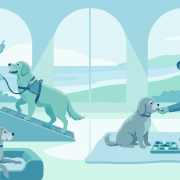
Consider ramps instead of requiring jumps or high steps. Many senior dogs develop hip dysplasia or other joint problems that make jumping painful or impossible. Ramps provide safe access to elevated surfaces while maintaining your dog’s dignity and confidence.
Treat delivery systems need adjustment, too. High-value rewards should be easily chewable for dogs with dental issues. Soft training treats work better than hard biscuits, and you might need to break treats into smaller pieces for dogs with reduced jaw strength.
Leash length and weight matter more for senior dogs. Shorter, lighter leashes provide better control without adding unnecessary weight that might affect balance. Retractable leashes can be problematic for dogs with vision or hearing impairments who need consistent guidance.
Building Confidence Through Structured Routine
Senior dogs thrive on predictability, and structured routines become even more important as dogs age. Consistent training schedules help reduce anxiety and create a sense of security that supports learning in elderly dog techniques.
Establish regular training times that align with your dog’s natural energy patterns. Many senior dogs are more alert in the morning after a good night’s rest, making this an ideal time to learn new skills or reinforce existing ones. Avoid training sessions right after meals when energy levels typically dip.
Keep session lengths appropriate for your dog’s attention span and physical capabilities. While younger dogs might handle 20-30-minute sessions, senior dogs often do better with 10-15-minute focused periods. Multiple short sessions throughout the day can be more effective than one longer session, which can lead to fatigue.
Create positive associations with training areas by using the same space consistently. This helps dogs with memory issues remember what’s expected and reduces confusion about training versus relaxation time. Some dogs benefit from specific Board & Train programs that provide intensive structure.
End each session on a positive note, regardless of progress made. Senior dogs may learn more slowly or have days when physical discomfort affects performance. Celebrating small victories and maintaining patience helps preserve your dog’s confidence and enthusiasm for future training sessions. Remember that progress looks different for every senior dog, and consistency matters more than perfection.
Professional Resources and When to Seek Expert Help
Collaborating with Veterinarians for Training Plans
Your veterinarian should be your first stop when developing a training plan for your senior dog. They understand your dog’s specific health limitations and can provide crucial guidance on what training activities are safe.
During your consultation, discuss any mobility issues, cognitive changes, or chronic conditions that might affect training. Your vet can recommend modifications such as shorter training sessions, gentler physical exercises, or alternative methods to accommodate arthritis or joint pain.
Many veterinarians work closely with certified trainers who specialize in elderly dogs. This collaborative approach ensures your dog’s physical health and behavioral needs are addressed together. Your vet might also suggest pain management strategies that can dramatically improve your dog’s ability to learn and engage in training.
Don’t wait for problems to arise. Schedule regular check-ups that include discussions about your dog’s behavioral changes and training progress. Early intervention often prevents minor issues from becoming major behavioral challenges.
Benefits of Professional Senior Dog Training Programs
Professional trainers who specialize in senior dogs understand the unique challenges older pets face. They know how to modify traditional training techniques for dogs with hearing loss, vision problems, or cognitive decline.
Basic Obedience Dog Training programs can be adapted specifically for senior dogs, focusing on commands that enhance safety and quality of life rather than complex tricks or agility work.
Professional programs often use positive reinforcement methods that are particularly effective with older dogs. These trainers understand that senior dogs may need more time to process commands and respond, so they build patience into every session.
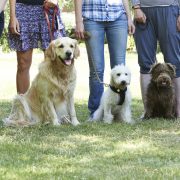
Group classes designed for senior dogs provide socialization opportunities with age-matched peers. This controlled environment helps maintain social skills while preventing the overwhelming energy that younger dogs might bring to mixed-age classes.
Professional trainers can also teach you valuable techniques for managing age-related behavioral changes at home. They’ll show you how to modify your approach when your dog’s physical or cognitive abilities change.
Day Care Services Specialized for Elderly Dogs
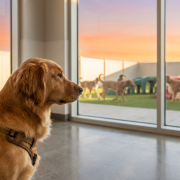
Senior-focused Dog Training and day care services provide structured environments that cater to older dogs’ specific needs. These facilities typically offer quieter spaces, comfortable resting areas, and activities designed for lower energy levels.
Professional day care staff trained in senior dog care can continue reinforcing training goals throughout the day. They understand how to manage dogs with medical conditions, medication schedules, and mobility limitations.
These specialized services often include mental-stimulation activities perfect for senior dogs, such as puzzle feeders, gentle scent work, and low-impact social interactions. The structured routine helps maintain cognitive function while providing professional supervision.
Day care services can also provide valuable feedback about your dog’s behavior patterns, energy levels, and social interactions. This information helps you and your trainer adjust home training strategies accordingly.
Recognizing When Training Challenges Require Professional Intervention
Some behavioral changes in senior dogs signal the need for immediate professional help. Sudden aggression, extreme anxiety, or dramatic personality shifts often indicate underlying medical or psychological issues requiring expert assessment.
If your dog stops responding to previously learned commands, becomes confused in familiar environments, or shows signs of cognitive dysfunction, professional evaluation is essential. These changes might indicate treatable conditions rather than normal aging.
Animal Behavioral Consultation services can help distinguish between normal age-related changes and serious behavioral issues requiring specialized intervention.
Warning signs that require professional help include excessive vocalization, destructive behavior that’s new or worsening, house training regression that doesn’t respond to basic retraining, or fearfulness that interferes with daily activities.
Don’t struggle alone with challenging behaviors. Professional trainers and behavioral consultants have tools and techniques specifically designed for complex senior dog issues. Early intervention often prevents problems from becoming entrenched habits.
Remember that training senior dogs requires patience, consistency, and often professional guidance. Working with experienced trainers ensures you use age-appropriate techniques that respect your dog’s limitations while maximizing their potential.
Your senior dog deserves training approaches that honor their wisdom and accommodate their changing needs. Professional resources provide the expertise needed to maintain your bond and ensure your dog’s golden years are filled with continued learning, engagement, and joy. Whether through veterinary collaboration, specialized training programs, or day care services, professional support makes the journey easier for both you and your beloved companion.