Mother’s Day Gift Guide Professional Training Sessions Your Dog Mom Deserves
Why Professional Training is the Perfect Mother’s Day Gift for Dog Moms
Picture this: it’s 6 AM on a Saturday, and while other moms are enjoying their morning coffee in peace, she’s already outside with her four-legged “child,” poop bags in one hand and treats in the other. The dog mom in your life deserves recognition for the countless hours she spends caring for her furry family member. This Mother’s Day, skip the typical flowers and chocolates (which are actually dangerous for dogs anyway) and give her something that will strengthen the bond she cherishes most.
Professional training sessions aren’t just about teaching commands – they’re about creating a deeper understanding between a woman and her beloved companion. Unlike traditional gifts that fade or break, training creates lasting memories and practical skills that benefit both dog and owner for years to come.
The Unique Bond Between Dog Moms and Their Fur Babies
Dog moms share an extraordinary connection with their pets that goes far beyond typical pet ownership. They celebrate birthdays with dog-safe cakes, post endless photos on social media, and often refer to themselves as “mama” when talking to their dogs. This isn’t just anthropomorphism – it’s genuine maternal instinct at work.
Research shows that dog owners release oxytocin (the same hormone involved in human maternal bonding) when interacting with their pets. For many women, especially those without children or empty nesters, their dogs fill a maternal void and receive the same level of care and attention they would give a human child.
Professional dog training acknowledges and respects this special relationship. Rather than dismissing it, experienced trainers work with the emotional bond to create more effective communication between dog and owner. They understand that criticizing a dog mom’s relationship with her pet is counterproductive – instead, they channel that love into positive training outcomes.
How Training Sessions Strengthen the Human-Canine Relationship
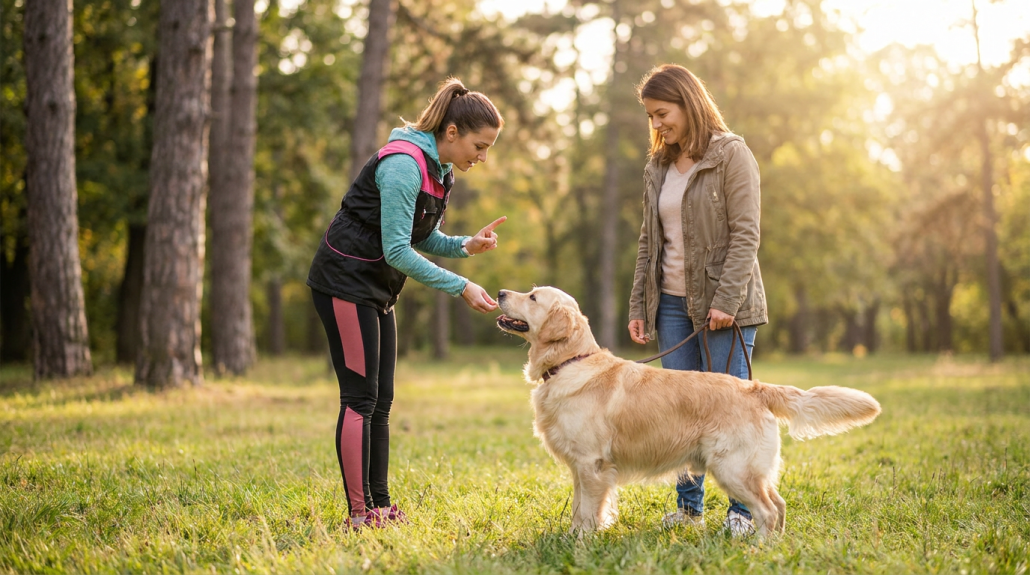
Training sessions do something remarkable: they create a common language between dog and owner. When a dog mom learns to communicate clearly with her pet through consistent commands and positive reinforcement, frustration decreases and connection deepens. Suddenly, walks become more enjoyable because pulling is reduced. House guests feel more welcome because jumping is under control.
Professional trainers teach dog moms to read their pet’s body language and energy levels, leading to better understanding of needs and emotions. Many dog moms report feeling more confident and capable after learning proper techniques from experts who understand the benefits extend far beyond basic obedience.
Group training classes offer an additional benefit: community. Dog moms connect with other pet parents facing similar challenges, creating friendships built around shared experiences. These connections often last long after the training sessions end, providing ongoing support and advice.
Long-Term Benefits That Keep on Giving Beyond Mother’s Day
Unlike flowers that wilt or jewelry that gets stored away, professional training creates lasting change. A well-trained dog is safer, happier, and more welcome in public spaces. This opens up new opportunities for adventures together – dog-friendly restaurants, hiking trails, and travel destinations become accessible when your dog has solid foundational skills.
The confidence gained from successful training often motivates dog moms to continue learning. Many discover they enjoy teaching 5 essential commands and progress to advanced classes or even competitive activities like agility or therapy work. What starts as a Mother’s Day gift can evolve into a lifelong hobby that brings immense satisfaction.
From a practical standpoint, well-trained dogs are less likely to develop behavioral problems that could lead to surrendering or rehoming. Training is an investment in the long-term success of the human-animal relationship, potentially saving thousands in future behavioral consultation costs.
Why Experience Gifts Matter More Than Material Items
Modern psychology consistently shows that experiences create more lasting happiness than material possessions. Training sessions combine learning, accomplishment, and quality time – three elements that contribute to long-term satisfaction and well-being.
For dog moms, the experience of successfully teaching their pet new skills provides a sense of achievement that material gifts simply cannot match. The pride they feel when their dog performs a perfect “stay” command or walks politely on leash creates positive memories that strengthen every time they practice those skills.
Experience gifts also show thoughtfulness and understanding of what truly matters to the recipient. By choosing professional training, you’re acknowledging that her relationship with her dog is important and deserving of investment. This level of consideration makes the gift more meaningful than generic presents.
Essential Training Programs Every Dog Mom Should Consider
Basic Obedience Training for Better Daily Life
Every dog mom knows the struggle of walking a pulling pup or calling a selectively deaf dog at the park. Basic obedience training transforms these daily frustrations into pleasant experiences that strengthen your bond.
Professional trainers focus on essential commands that create structure in everyday situations. The “sit” command becomes your dog’s way of asking politely for meals, treats, and attention. A solid “stay” keeps your furry friend safe at doorways and crosswalks. Most importantly, a reliable recall means freedom to explore off-leash areas without anxiety.
These sessions typically run six to eight weeks, with trainers teaching both dog and owner effective communication techniques. You’ll learn proper timing for rewards, consistency in command delivery, and how to maintain training momentum at home. Many programs include homework assignments that reinforce lessons between sessions.
The investment pays dividends immediately. Dog moms report reduced stress during walks, better behavior around visitors, and increased confidence in public spaces. Your dog becomes the well-mannered companion you always envisioned, making every outing more enjoyable for both of you.
Advanced Behavioral Modification Sessions
Some behaviors require specialized intervention beyond basic training. Professional behavioral modification addresses complex issues like resource guarding, excessive barking, separation anxiety, and leash reactivity through targeted therapeutic approaches.
Certified animal behaviorists use science-based methods to identify triggers and develop customized treatment plans. These sessions involve detailed behavior assessments, environmental management strategies, and progressive desensitization protocols. The trainer works closely with your family to implement consistent responses that gradually reshape problematic behaviors.
Counter-conditioning techniques help dogs form positive associations with previously stressful situations. For example, a dog who guards food bowls learns that human approach means extra treats rather than competition. This process requires patience and professional guidance to ensure safety and effectiveness.
Many dog moms discover that learning about foundation training building helps them understand their dog’s emotional needs better. Advanced programs often reveal underlying issues that manifest as behavioral problems, leading to more comprehensive solutions.
Specialized Training for Reactive or Anxious Dogs
Reactive and anxious dogs need gentle, systematic approaches that build confidence while managing emotional responses. These specialized programs create safe learning environments where dogs can practice new behaviors without overwhelming stress.
Professional trainers use controlled exposure therapy, starting with minimal triggers at comfortable distances. Your dog learns alternative responses to stressful situations through positive reinforcement and careful pacing. Sessions might include relaxation protocols, impulse control exercises, and confidence-building activities.
Group classes for reactive dogs maintain careful spacing and use visual barriers when necessary. Your trainer monitors stress signals continuously, adjusting intensity to keep your dog in a learning mindset rather than survival mode. This approach prevents setbacks that can occur when dogs become overwhelmed.
Many programs incorporate management tools like head collars, front-clip harnesses, or calming supplements to support the training process. Understanding common mistakes helps dog moms avoid inadvertently reinforcing reactive behaviors, which is why reviewing guidance on top training mistakes proves invaluable for these challenging cases.
Fun Enrichment Classes: Agility and Trick Training
Mental stimulation through fun activities strengthens your bond while channeling your dog’s energy productively. Agility classes introduce obstacle courses that challenge coordination, confidence, and teamwork between dog and handler.
These programs start with basic equipment like low jumps, tunnels, and weave poles. Your dog learns to navigate courses while responding to directional cues and verbal commands. The physical exercise provides excellent conditioning, while the mental challenge satisfies working breed instincts.
Trick training classes focus on impressive behaviors like rolling over, playing dead, or fetching specific items by name. These skills showcase your dog’s intelligence while providing engaging training sessions that feel more like play than work.
Both activities build communication skills that transfer to everyday situations. Dogs who master agility obstacles show increased confidence in new environments. Trick-trained dogs often display better focus and problem-solving abilities in other contexts.
Professional instruction ensures proper progression and safety protocols. Trainers help match activities to your dog’s physical capabilities and personality, creating positive experiences that both of you will eagerly anticipate each week.
Choosing the Right Training Format for Your Dog Mom’s Lifestyle
One-on-One Private Sessions vs. Group Classes
The choice between private sessions and group classes depends entirely on your dog mom’s personality and her pup’s specific needs. Private sessions offer the luxury of undivided attention, allowing trainers to focus exclusively on behavior issues that matter most to her daily routine.
Professional dog moms often gravitate toward private sessions because they can address specific challenges like leash pulling during morning jogs or excessive barking during work-from-home video calls. The trainer adapts techniques to fit her lifestyle, whether that’s early morning sessions before work or weekend intensive training blocks.
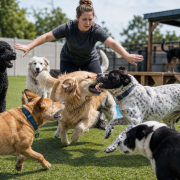
Group classes, on the other hand, provide socialization opportunities that many dogs desperately need. If your dog mom’s pup struggles with other dogs or gets overwhelmed in social situations, group classes can be transformative. The social aspect also creates accountability (nobody wants to be the person whose dog disrupts the class), which keeps training consistent.
Consider her schedule flexibility too. Private sessions can accommodate her demanding work schedule, while group classes run on fixed schedules that might conflict with her professional commitments.
In-Home Training for Busy Professional Dog Moms
In-home training eliminates the biggest barrier professional dog moms face: finding time to travel to training locations. The trainer comes to her environment, addressing behavioral issues exactly where they occur most frequently.
This format proves particularly valuable for addressing household-specific problems. Does her dog destroy the couch cushions when she’s at important meetings? The trainer works in that exact space, using her furniture and her routine to create lasting solutions.
In-home sessions also allow trainers to observe the full context of behavioral issues. They can see how her morning routine affects the dog’s anxiety levels or how her home office setup might be contributing to attention-seeking behaviors during work calls.
The convenience factor cannot be overstated. She saves commute time, doesn’t need to coordinate her dog’s energy levels with travel schedules, and can immediately implement marker-based training techniques in her natural environment where they’ll actually be used daily.
Day Training Programs: Maximum Results with Minimal Time Commitment
Day training programs represent the ultimate solution for time-strapped professional dog moms. The dog spends several hours with a professional trainer while she handles her work responsibilities, returning home to a pup that’s been mentally stimulated and behaviorally improved.
These programs work exceptionally well for fundamental obedience training and energy management. Her high-energy dog gets intensive training sessions, structured play, and mental challenges while she focuses on her demanding career without guilt or distraction.
The structured approach of day training means consistent implementation of training protocols. Unlike weekly one-hour sessions that can lose momentum between visits, day training maintains constant reinforcement of desired behaviors.
Many professional dog moms find day training particularly valuable during busy seasons at work. Tax season, project deadlines, or travel-heavy periods become manageable when they know their dog is receiving professional attention and training rather than being left alone for extended periods.
Virtual Training Options for Remote Flexibility
Virtual training sessions have revolutionized accessibility for busy professional dog moms. She can participate in training sessions from her home office between meetings or during lunch breaks without any travel time.
The technology allows trainers to observe real-time interactions and provide immediate feedback on her technique. She can practice effective training methods while the trainer watches through video call, ensuring proper form and timing.
Virtual sessions excel for addressing specific behavioral challenges that occur in the home environment. The trainer can guide her through techniques for managing separation anxiety, reducing excessive barking, or improving leash manners right in her own space.
The scheduling flexibility of virtual training makes it ideal for professional women with unpredictable schedules. Sessions can be rescheduled easily, shortened for quick refreshers, or extended when she has more time available. Recording capabilities mean she can review techniques later when practicing independently.
This format also allows for more frequent check-ins without the cost and time commitment of full in-person sessions, maintaining training momentum between more intensive face-to-face sessions.
Age and Breed-Specific Training Considerations
Puppy Training Programs for New Dog Moms
Bringing home a puppy feels like welcoming a whirlwind of energy, teeth, and boundless curiosity. For new dog moms, the first few months can feel overwhelming as they navigate potty accidents, chewed furniture, and sleepless nights. Professional puppy training programs offer structure during this critical development window.
Puppies between 8-16 weeks old are in their prime socialization period, making this the perfect time for professional guidance that sets the foundation for lifelong learning. During this phase, puppies absorb experiences like sponges, but they also require gentle, positive approaches that build confidence rather than fear.
Early intervention training addresses house training, bite inhibition, and basic commands while the puppy’s brain is most receptive to new information. Professional trainers understand how to balance structure with play, ensuring training sessions remain engaging for young attention spans. Many programs include socialization components where puppies interact with other dogs and people in controlled environments.
The investment in early puppy training pays dividends throughout the dog’s life. Dogs who receive proper foundation training during puppyhood typically require fewer behavioral corrections later, making them easier companions as they mature.
Senior Dog Training: Never Too Late to Learn
The myth that “old dogs can’t learn new tricks” deserves to be permanently retired. Senior dogs, typically those over seven years old, can absolutely benefit from professional training sessions, though their needs differ significantly from younger counterparts.
Senior dogs often come with established habits and behavioral patterns that require patience and modified approaches. Physical limitations like arthritis or hearing loss may influence training methods, but these challenges don’t eliminate the possibility of success. In fact, mental stimulation through training can help keep aging minds sharp and engaged.
Many senior dogs entering new homes through adoption agencies particularly benefit from refresher programs that help them adjust to new routines and expectations. Professional trainers can assess physical capabilities and design programs that work within each dog’s limitations while still achieving meaningful behavioral improvements.
Common focus areas for senior dog training include leash manners (especially important if arthritis affects mobility), recall commands for safety, and addressing anxiety that may develop with age. The key lies in shorter, more frequent sessions that accommodate reduced stamina while maintaining consistency.
Breed-Specific Challenges and Solutions
Different breeds come with distinct temperaments, energy levels, and instinctual behaviors that influence training approaches. What works brilliantly for a Golden Retriever might frustrate a independent-minded Shiba Inu or overwhelm a sensitive Greyhound.
Herding breeds like Border Collies and Australian Shepherds require mental challenges alongside physical exercise. These dogs often excel in complex training scenarios but may become destructive without adequate stimulation. Professional trainers can design programs that satisfy their need for “jobs” while channeling their intelligence productively.
Terriers present different challenges with their strong prey drive and sometimes stubborn nature. Training programs for terriers often emphasize impulse control and recall training, particularly important for dogs bred to act independently when hunting.
Working breeds like German Shepherds and Rottweilers benefit from structured training that establishes clear leadership while respecting their intelligence and loyalty. These dogs thrive on consistency and clear expectations, making professional guidance valuable for establishing proper boundaries.
Toy breeds, despite their small size, require the same training fundamentals as larger dogs. However, their training often focuses on confidence-building and addressing small dog syndrome behaviors that develop when owners inadvertently reinforce demanding or protective behaviors.
Multi-Dog Household Training Strategies
Managing training in multi-dog households presents unique challenges that require specialized approaches. Dogs learn from each other, which can accelerate progress when good behaviors are modeled, but can also reinforce problematic patterns when negative behaviors spread through the pack.
Professional trainers often recommend individual sessions initially, allowing each dog to learn foundational commands without distraction or competition from housemates. Once individual skills are established, group sessions can reinforce behaviors while teaching dogs to respond even with distractions present.
Resource guarding becomes particularly important in multi-dog homes. Training programs address food aggression, toy possessiveness, and territorial behaviors that can escalate quickly when multiple dogs are involved. Professional guidance helps establish feeding routines, space management, and intervention techniques that prevent conflicts.
Pack dynamics also influence training success. The more confident dog may attempt to “help” train the others, while anxious dogs might shut down entirely in group settings. Experienced trainers can read these dynamics and adjust methods accordingly, ensuring each dog receives appropriate attention and instruction.
How to Present Training Sessions as the Perfect Gift
Creating a Thoughtful Gift Package Presentation
The presentation of your Mother’s Day gift matters just as much as the training sessions themselves. Think beyond a simple gift card – create an experience that starts the moment she opens your thoughtful package.
Design a custom gift box that includes a beautifully printed certificate describing the dog training sessions you’ve arranged. Add a handwritten note explaining why you chose professional training as her gift, perhaps mentioning specific behaviors you’ve noticed her struggling with or goals she’s mentioned for her furry companion.
Include some dog-themed accessories to make the package feel complete. A new leash, training treats, or a personalized collar can serve as tangible reminders of your thoughtfulness while supporting the upcoming training journey. Consider adding a small photo album where she can document her dog’s progress throughout the training sessions.
Package everything in a reusable container she can use for storing training supplies later. This practical touch shows you’ve thought about the long-term benefits of your gift, not just the immediate surprise factor.
Scheduling Flexibility for Busy Dog Mom Schedules
Most dog moms juggle multiple responsibilities, so flexibility becomes crucial when gifting training sessions. Professional trainers understand that life happens – work deadlines, family emergencies, and unexpected events can disrupt even the best-laid plans.
When booking sessions, inquire about rescheduling policies and options for makeup sessions. Many training programs offer evening and weekend appointments to accommodate working schedules. Some trainers even provide virtual consultations as supplementary support between in-person sessions.
Consider programs that allow sessions to be spread over several months rather than compressed into a short timeframe. This approach reduces pressure and allows both dog and owner to absorb and practice concepts between sessions. The gradual pace often leads to better retention and more sustainable behavioral changes.
Ask about seasonal considerations too. Spring and summer often provide better weather for outdoor training activities, while indoor sessions work well during harsh weather months. Flexibility in scheduling location can make the difference between a gift that gets used and one that sits unused due to inconvenience.
Including the Whole Family in the Training Experience
Professional training sessions work best when everyone in the household participates. Dogs can become confused when family members use different commands or inconsistent techniques, so involving the entire family creates a unified approach to training.
Many training programs offer family packages where multiple household members can attend sessions together. Children particularly benefit from learning proper interaction techniques with the family dog, and their involvement often increases their sense of responsibility and connection with the pet.
Consider arranging sessions that teach family-friendly activities like basic obedience, leash walking techniques, and safe play methods. These skills benefit everyone and create shared experiences that strengthen the bond between family members and their four-legged companion.
Some families find success with rotating attendance, where different family members attend different sessions to learn specialized skills. Dad might focus on leash training while mom concentrates on indoor behavior management, then they share techniques with each other.
Gift Certificates and Consultation Options
Gift certificates provide flexibility while maintaining the element of surprise. Many professional trainers offer certificate packages that can be customized based on your budget and the recipient’s specific needs.
Start with an initial consultation session where the trainer can assess the dog’s current skill level and discuss the owner’s goals. This assessment helps determine which training approach will be most effective and allows customization of the remaining sessions. Check the detailed rate sheet & to understand pricing options and package deals available.
Consider certificates that include both group classes and individual sessions. Group classes provide socialization opportunities and cost-effective learning, while private sessions address specific behavioral challenges that require personalized attention.
Some trainers offer ongoing support packages that include follow-up consultations months after the initial training period. These check-ins help maintain progress and address any new challenges that arise as the dog continues developing.
Before purchasing, research the trainer’s background and approach to ensure their methods align with your recipient’s values. Reading about the team’s experience and philosophy through their about us page helps ensure you’re selecting a professional who will connect well with both dog and owner.
Maximizing the Investment: What Dog Moms Can Expect
Setting Realistic Training Goals and Timelines
Professional training sessions work best when dog moms understand that transformation takes time. Most basic obedience issues show improvement within 2-4 weeks, but complex behavioral problems like reactivity or separation anxiety often require 6-12 weeks of consistent work. The key lies in breaking down larger goals into manageable milestones.
For example, if your dog pulls on walks, the first week focuses on loose leash walking in low-distraction environments. Week two introduces mild distractions, and by week four, you’re practicing in busier areas. This progressive approach prevents overwhelm for both dog and owner while building confidence through small victories.
Professional trainers help dog moms set specific, measurable goals rather than vague hopes like “better behavior.” Instead, they’ll establish targets such as “sits for 10 seconds before meals” or “comes when called from 20 feet away.” These concrete objectives make progress visible and keep motivation high throughout the training journey.
Maintaining Progress After Professional Sessions End
The real value of professional training extends far beyond the scheduled sessions. Trainers equip dog moms with homework exercises, practice schedules, and troubleshooting strategies to maintain momentum. Most successful programs include follow-up support through phone calls, video reviews, or refresher sessions.
Consistency becomes crucial during this phase. Professional trainers typically recommend 10-15 minute daily practice sessions rather than sporadic longer training periods. They’ll provide structured weekly goals and specific exercises to prevent regression. Many programs also include written materials or video resources that dog moms can reference when challenges arise.
The most effective training programs teach dog moms to recognize early warning signs of backsliding and provide immediate correction techniques. This proactive approach prevents small issues from becoming major behavioral problems that require additional professional intervention.
Building Confidence for Both Dog and Owner
Professional training transforms the entire household dynamic by building mutual confidence between dog and owner. Dog moms often struggle with timing, consistency, and reading their pet’s body language. Professional guidance eliminates guesswork and provides clear communication strategies that both species understand.
Dogs gain confidence through structured success experiences during training sessions. Professional trainers create scenarios where dogs can practice new behaviors in controlled environments before facing real-world challenges. This graduated exposure builds resilience and reduces anxiety-driven behaviors.
Meanwhile, dog moms develop leadership skills and learn to communicate expectations clearly. Professional dog training sessions teach owners how to use their voice, body language, and timing effectively. This newfound confidence often surprises dog moms who previously felt overwhelmed by their pet’s behavior.
The confidence-building aspect extends beyond basic commands. Dog moms learn to handle unexpected situations, redirect unwanted behaviors quickly, and maintain calm authority even during stressful moments. These skills create a more harmonious household where both dog and owner feel secure in their roles.
Creating Lasting Behavioral Changes That Improve Quality of Life
Professional training sessions focus on sustainable behavioral modifications that enhance daily life for the entire family. Rather than quick fixes, experienced trainers address root causes of problematic behaviors and establish new patterns that become second nature over time.
For dog moms dealing with issues like excessive barking, jumping on guests, or food guarding, professional intervention creates structured behavior modification plans. These comprehensive approaches often combine environmental management, positive reinforcement, and sometimes board & train programs for intensive behavioral work.
The quality of life improvements extend beyond eliminating problem behaviors. Well-trained dogs become better travel companions, more enjoyable walking partners, and calmer household members. Dog moms often report reduced stress levels, increased enjoyment of pet ownership, and greater freedom to include their dogs in family activities.
Professional training creates ripple effects throughout the household. When dogs respond reliably to commands, families can safely include them in gatherings, outdoor adventures, and daily routines without constant supervision or worry. This integration strengthens the human-animal bond and justifies the investment in professional guidance.
Investing in professional training sessions represents more than a Mother’s Day gift—it’s an investment in years of improved relationships, reduced stress, and enhanced enjoyment of pet ownership. Dog moms who commit to professional training consistently report that the skills, confidence, and behavioral improvements gained through these sessions continue paying dividends long after the formal training concludes, creating lasting positive changes that benefit the entire family.