Understanding Canine Body Language During Training Sessions
Reading Tail Position and Movement Patterns During Commands
Watch any experienced trainer work, and you’ll notice their eyes constantly tracking one key indicator: the dog’s tail. It’s like a mood ring with fur, broadcasting exactly what’s happening in your dog’s mind during training.
A high, stiff tail signals alertness and potential arousal. Your dog might be hyper-focused on the task (great!) or getting overstimulated (not so great). When you see this position, dial back your energy and keep commands calm and clear.
The loose, mid-level wag is your golden ticket. This relaxed movement tells you the dog is engaged but comfortable, ready to learn. The Benefits of Dog Training become most apparent when dogs maintain this balanced state throughout sessions.
But here’s what catches many trainers off guard: a tucked tail doesn’t always mean fear. Sometimes it indicates uncertainty about a new command. The key difference? A fearful dog will also show other stress signals, while an uncertain dog stays engaged with you.
Speed matters too. Rapid, tight wags often signal anxiety or overstimulation. Slow, sweeping movements indicate contentment and focus. Smart trainers adjust their approach based on these subtle tempo changes.
Interpreting Ear Position Changes Throughout Training Sessions
Dog ears are like emotional antennae, constantly adjusting to broadcast internal states. Learning to read these positions transforms your training effectiveness overnight.
Forward, pricked ears show active attention and engagement. Your dog is locked onto you and ready for the next cue. This is prime learning territory, so capitalize on it with clear, confident commands.
Sideways or “airplane” ears typically indicate uncertainty or mild stress. Don’t push harder when you see this position. Instead, return to something your dog knows well to rebuild confidence before moving forward.
Pinned-back ears are your red flag. This position signals fear, anxiety, or submission. Training rarely sticks when dogs feel this way, so take a step back, lower your energy, and focus on creating positive associations.
Here’s a pro tip most trainers miss: ear position often changes before tail position. Dogs process new information through their ears first, so watching for these micro-adjustments gives you earlier feedback about your dog’s mental state.
Understanding Eye Contact and Gaze Direction as Communication Tools
Eye contact in dog training is complicated. While direct stares can be challenging or intimidating, appropriate eye contact builds connection and focus. The trick is knowing the difference.
Soft, relaxed eye contact indicates trust and attention. Your dog is choosing to connect with you, making this a perfect time to teach 5 Essential Commands, such as “watch me” or “stay.”
Hard stares with tense facial muscles signal something entirely different. Your dog might be resource guarding, feeling challenged, or preparing to react. Back off immediately and reassess your approach.
Averted gaze isn’t necessarily disrespectful. Many dogs look away to process information or self-soothe during challenging training moments. Give them this mental space rather than demanding constant eye contact.
The direction of your dog’s gaze tells its own story. Looking toward distractions shows divided attention. Glancing at you repeatedly during difficult exercises demonstrates they’re checking in for guidance. Use these cues to adjust your training intensity accordingly.
Decoding Mouth and Lip Expressions in Different Training Scenarios
A dog’s mouth reveals emotional states that other body parts might hide. These expressions change rapidly during training, giving you real-time feedback about your methods.
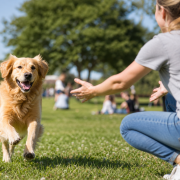
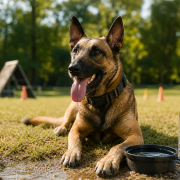
The relaxed, slightly open mouth with visible tongue shows contentment and readiness to work. Dogs in this state absorb information efficiently and respond well to new challenges.
Tight, closed lips indicate stress or concentration. While brief periods of lip tension are normal during difficult exercises, prolonged lip tension suggests you should make the task easier or take a break.
Lip licking when no food is present signals anxiety or appeasement. Your dog is trying to communicate discomfort with the current situation. Slow down, use gentler tones, and rebuild positive associations.
Panting during training sessions requires careful interpretation. Light panting might indicate excitement and engagement. Heavy, rapid breathing suggests stress, overheating, or exhaustion. Know your dog’s normal patterns to distinguish between positive and negative panting.
The subtle lip lift (showing just front teeth) is often missed but crucial to recognize. This expression precedes more obvious stress signals or reactive behaviors. Spotting it early allows you to redirect before the situation escalates.
Identifying Stress and Anxiety Signs That Impact Training Success
Training sessions can quickly turn from productive to frustrating when stress creeps in. Your dog’s body becomes a communication system, broadcasting their emotional state through subtle (and not-so-subtle) signals. Missing these cues means missing opportunities to adjust your approach before anxiety derails the entire session.
Recognizing signs of stress isn’t just about being a considerate trainer. It’s about maximizing learning potential. A stressed dog can’t absorb new information effectively, making your training efforts largely wasted.
Recognizing Displacement Behaviors When Dogs Feel Overwhelmed
Displacement behaviors are your dog’s way of saying, “I need a mental break.” These seemingly random actions pop up when your dog feels conflicted or overwhelmed by training demands.
Watch for sudden scratching with no itch, excessive sniffing of the ground during heel work, or a random shake-off motion (as if they’re drying off after a bath, even though they’re completely dry). These behaviors appear out of context and signal internal stress.
Yawning during training sessions often gets misinterpreted as boredom or tiredness. But if your dog just woke up from a nap and starts yawning repeatedly during recall practice, that’s displacement behavior talking.
The key is timing. A quick ground sniff between exercises? Normal behavior. Continuous ground sniffing while you’re trying to teach “stay”? That’s avoidance behavior indicating overwhelm.
When you spot displacement behaviors, don’t push harder. Take a step back, literally and figuratively. Reduce the difficulty of your current exercise or take a brief play break.
Spotting Calming Signals Dogs Use to Self-Regulate
Dogs have an entire vocabulary of calming signals they use to manage their own stress and communicate peaceful intentions. Learning to read these signals helps you gauge your dog’s emotional state and adjust accordingly.
Lip licking when no food is present ranks as one of the most common calming signals. You’ll see this during challenging training moments, often accompanied by brief eye-contact breaks in which your dog looks away momentarily.
Play bows during serious training aren’t always invitations to romp. Sometimes they’re calming signals, your dog’s attempt to defuse tension and reset the energy in the room.
Slow, deliberate movements replacing your dog’s usual quick responses indicate self-regulation in action. If your typically speedy dog starts moving in slow motion during training, they’re trying to calm themselves (and possibly you).
The “shake-off” deserves special attention here, too. While it appears in displacement behaviors, it also functions as a calming signal, helping dogs literally shake off stress and reset their emotional state.
Honor these signals by matching your dog’s energy. If they’re offering calming signals, soften your voice, slow your movements, and give them time to process.
Understanding Panting and Drooling Beyond Physical Exertion
Panting gets dismissed as a normal exercise response, but stress panting has distinct characteristics that smart trainers learn to recognize. Temperature and activity level provide crucial context for interpretation.
Stress panting appears to occur faster and be shallower than exercise panting. Your dog might start panting heavily during indoor training sessions in comfortable temperatures, or continue panting long after physical activity stops.
The mouth position changes, too. Exercise panting typically shows a relaxed, open mouth with the tongue hanging out naturally. Stress panting often involves a more tense mouth position with shorter, quicker breaths.
Excessive drooling during training sessions, especially in breeds that don’t typically drool much, signals stress rather than excitement. This becomes particularly noticeable during challenging exercises or when introducing new training environments.
Context matters enormously here. A Labrador panting after fetch? Normal. The same dog panting heavily during simple indoor obedience work? Worth investigating for stress triggers.
If you’re consistently seeing stress-related panting, you might be making top training mistakes that increase pressure rather than building confidence.
Detecting Subtle Body Tension Changes During Challenging Exercises
Body tension often appears before obvious stress signals, serving as an early warning system. Developing an eye for subtle shifts in tension helps you intervene before stress escalates.
Watch your dog’s neck and shoulder area during training. Tense dogs carry their heads higher and stiffen through their shoulders, creating an alert but rigid posture rather than relaxed attention.
Tail position provides constant feedback about emotional state. A tail held unusually high and stiff, or tucked lower than normal, indicates tension building in your dog’s system.
Facial tension shows up around the eyes and mouth. Stressed dogs often have tighter facial expressions, with more pronounced forehead wrinkles and tense corners of the mouth.
Muscle trembling, particularly in the legs, during stationary exercises like “stay,” can reveal internal stress even when your dog appears to be complying with commands.
The most effective approach is to build a solid foundation before tackling challenging exercises. Understanding the building blocks of foundation training helps prevent many stress-related issues from developing in the first place.
Remember that tension builds gradually. What starts as slight stiffness can escalate to shutdown behavior if ignored. Regular tension checks throughout training sessions keep you connected to your dog’s emotional state and maintain productive learning conditions.
Positive Dog Behavior Signs That Indicate Effective Training Progress
Identifying Engaged Learning Through Alert Body Posture
When your dog is truly engaged in training, their entire body speaks volumes. An alert, upright posture with ears forward and tail at medium height signals active participation rather than stress or disinterest.
Watch for the characteristic “ready” stance, in which your dog’s weight is evenly distributed on all four paws. Their head should be level or slightly tilted, showing they’re processing information. This isn’t the rigid tension of anxiety but rather the focused attention of a student who wants to learn.
The key difference lies in mobility. An engaged dog maintains fluid movement, shifting weight naturally and responding to your cues with smooth transitions. Compare this to a stressed dog who might freeze in place or exhibit jerky, uncertain movements.
You’ll also notice their breathing remains steady and natural. Panting from excitement is normal, but labored breathing could indicate stress. Dog Training becomes significantly more effective when you can recognize these positive engagement signals.
Reading Relaxed Confidence Markers in Well-Trained Dogs
Confident dogs display a fascinating array of relaxed body language that screams, “I’ve got this!” Their ears sit in their natural position (not pinned back or hyper-alert), and their facial muscles appear soft rather than tense.
The tail tells an incredible story. A confident, well-trained dog often carries their tail in a neutral position with occasional gentle wags. Those helicopter tail wags? That’s pure joy and confidence combined.
But here’s what many dog owners miss: confident dogs take breaks naturally. They’ll sit or lie down during training sessions without being asked, showing they’re comfortable enough to self-regulate. This behavior indicates that your dog completely trusts the training environment.
Their mouth provides another excellent indicator. Relaxed jaw muscles, slightly open mouth (not panting from stress), and that soft “dog smile” expression all signal confidence. Some dogs even exhibit what trainers call “soft pants,” brief, gentle panting that shows controlled excitement rather than anxiety.
Watch their eyes too. Confident dogs make brief, soft eye contact with their handler, then look away naturally. This isn’t a submission but rather polite communication between partners.
Recognizing Play Bow Invitations and Their Training Applications
The play bow ranks among the most universally positive signals in canine body language. When your dog drops their front end low while keeping their rear elevated, they’re essentially saying, “This is fun! Let’s keep going!”
During training sessions, play bows often appear after successful command completion. Your dog has just nailed that “stay” command and drops into a play bow, tail wagging furiously. This behavior tells you several important things: they enjoyed the exercise, they want to continue, and they view training as a positive game.
Smart trainers recognize play bows as opportunities to maintain engagement. When your dog offers a play bow, you can briefly engage in gentle play before returning to training. This keeps energy levels high and reinforces the idea that learning is fun.
However, context matters enormously. A play bow immediately after a correction might indicate your dog is trying to diffuse tension. Growling is not always negative, and neither is every play bow purely playful; some serve as calming signals.
The most valuable play bows occur spontaneously during positive training moments. These indicate your dog has found the sweet spot between focused learning and joyful participation.
Understanding Soft Eye Contact as a Trust-Building Indicator
Soft eye contact represents one of the most sophisticated trust indicators in canine communication. Unlike hard stares (which can signal challenge or anxiety), soft eye contact involves relaxed facial muscles and brief, gentle glances.
Well-trained dogs develop what professionals call “checking in” behavior. They’ll glance at their handler’s face, then look away naturally, demonstrating they’re paying attention without feeling pressured. This behavior shows remarkable emotional intelligence.
The timing of eye contact matters tremendously. Dogs who make soft eye contact before performing commands are essentially asking, “Is this what you want?” It’s a conversation starter, not a confrontation.
You’ll notice that truly confident dogs can hold gentle eye contact for longer periods without stress signals. Their blink rate remains normal, their facial muscles stay soft, and they might even offer that subtle “dog smile” expression.
Building this trust takes patience and positive reinforcement. Never force eye contact, especially with nervous or reactive dogs. Instead, reward natural glances with praise or treats, gradually building comfort with human faces.
The most rewarding aspect of soft eye contact is its reciprocal nature. As your dog learns to trust your facial expressions and gentle gaze, you’ll develop an almost telepathic communication system that makes advanced training feel effortless.
Dog Training Tips for Responding to Aggressive or Defensive Postures
Identifying Warning Signs Before Escalation Occurs
The key to effective dog training isn’t just recognizing when a dog has become aggressive. It’s spotting the subtle warning signs that appear minutes (or even seconds) before things escalate.
Watch for the “hard stare” – when a dog’s gaze becomes fixed and intense. Their body typically stiffens, and you might notice their breathing becomes shallow. This isn’t the relaxed attention you want during training sessions.
Lip lifting is another critical early warning sign. Some dogs will show just the corner of their teeth, almost like a sneer. Others might lift their lips repeatedly in quick succession. Both signal that the dog is feeling pressured or threatened by the training situation.
Tail position tells a different story than most people think. A high, stiff tail that’s barely moving (or moving in short, sharp wags) often precedes defensive behavior. This is completely different from the loose, full-body wags you see when dogs are genuinely happy.
Pay attention to displacement behaviors, too. When dogs start excessive panting in mild weather, suddenly scratching when they weren’t itchy, or repeatedly licking their lips, they’re often trying to self-soothe under stress. These behaviors can quickly escalate if the pressure continues.
Understanding Resource Guarding Body Language in Group Settings
Resource guarding in group training environments presents unique challenges because dogs must navigate both human expectations and pack dynamics simultaneously.
The most obvious sign is body blocking – when a dog positions themselves between their valued resource (treat, toy, or even trainer attention) and other dogs. They might lower their head and shoulders while keeping their rear end high, creating a physical barrier.
Eating patterns change dramatically when resource guarding begins. Dogs will often gulp food instead of chewing, keep their heads low while eating, or position themselves facing outward from their bowl. Some dogs will pick up food and move away from the group before eating.
Subtle guarding behaviors include the “freeze and stare” combination. The dog stops all movement while maintaining intense eye contact with the approaching threat. Their muscles tense visibly, and they might hold their breath for several seconds.
Watch for “claiming” behaviors too. Dogs might place a paw over their treat, lie down on top of toys, or even sit on items they consider valuable. This possessive body language often appears before any vocal warnings.
In in-home dog training sessions, you’ll notice dogs become more comfortable expressing these behaviors because they’re in their familiar territory, where they feel more entitled to resources.
Reading Freeze Responses and Their Training Implications
The freeze response is one of the most misunderstood reactions in canine body language. Many trainers mistake it for compliance when it’s actually a stress response that requires immediate attention.
A true freeze looks like a dog that’s been turned to stone. Their body becomes completely rigid, breathing becomes shallow or stops entirely, and their eyes often appear wide or “vacant.” This isn’t the relaxed stillness of a focused dog – it’s the tension of an overwhelmed animal.
Duration matters significantly. Brief pauses during training are normal as dogs process information. But freezes lasting more than 3-4 seconds indicate the dog has mentally “checked out” of the training session.
The recovery from a freeze tells you everything about the dog’s emotional state. Healthy dogs shake off tension, take a deep breath, and re-engage. Stressed dogs might remain stiff, start panting heavily, or engage in displacement behaviors such as excessive sniffing.
Context changes everything with freeze responses. A dog freezing when learning a new command needs encouragement and a break. A dog that freezes when approached while eating needs space and careful evaluation for resource-guarding tendencies.
Remember that frozen dogs aren’t learning. Their brains are in survival mode, not training mode. The power of training dogs becomes especially important here – clear communication helps prevent these overwhelmed states.
Recognizing Fear-Based vs. Dominance-Based Aggressive Signals
Understanding the difference between fear-based and dominance-based aggression completely changes your training approach. The body language differs significantly, and misreading these signals can escalate situations unnecessarily.
Fear-based aggression typically includes “smaller” body language. Dogs make themselves appear less threatening by lowering their body position, keeping their ears back, tucking or lowering their tail, and often showing the whites of their eyes. They might bark or growl while backing away or trying to create distance.
These dogs often display “conflict behaviors” – they want to flee but feel trapped, so they alternate between aggressive displays and appeasement signals. You might see them bare their teeth while simultaneously lowering their body or even rolling slightly toward their side.
Dominance-based aggression looks completely different. These dogs make themselves larger – raised hackles, forward-leaning posture, tall tail carriage, and direct eye contact. Their movement is typically forward or holding ground, not backing away.
The key difference lies in intent and confidence. Fear-aggressive dogs are asking for space and trying to end the interaction. Dominant-aggressive dogs try to control the situation and might escalate until they achieve their desired outcome.
However, many professional trainers now recognize that true dominance-based aggression is relatively rare. Most aggressive behaviors stem from fear, anxiety, or resource concerns rather than a desire to establish pack hierarchy. This understanding has revolutionized modern training approaches.
As we discussed in “Growling is not always a,” vocal warnings often accompany these body language signals and should be viewed as valuable communication rather than defiance.
Adapting Training Methods Based on Individual Dog Behavior Signs
Modifying Approach for Sensitive Dogs Showing Avoidance Behaviors
When you notice your dog turning their head away, backing up, or lowering their body during training, these canine body language signals are telling you everything you need to know. Sensitive dogs communicate their discomfort long before they shut down completely.
The key is recognizing the difference between a dog who’s temporarily overwhelmed and one who’s genuinely fearful. An overwhelmed dog might pause and look away, but will re-engage within seconds. A fearful dog shows consistent avoidance patterns (a tucked tail, a lowered head, and reluctant movement toward you).
For these sensitive souls, your training approach needs a complete overhaul. Instead of standard repetition drills, try the “choice method.” Place a treat on the ground and step back. Let your dog decide whether to approach. This simple exercise builds confidence while teaching them that training is their decision, not something being done to them.
Your voice matters tremendously with sensitive dogs. That excited “good boy!” that works wonders with confident dogs? It might send your sensitive pup running. Switch to calm, low-toned praise paired with gentle petting or food rewards. Think library whisper, not football stadium.
Space becomes your best friend here. Maintain physical distance from your dog during initial commands. Many sensitive dogs perform beautifully when they have room to think and move without feeling trapped by your proximity.
Adjusting Energy Levels for High-Drive Dogs with Intense Focus
High-drive dogs present the opposite challenge. These are the dogs whose eyes lock onto you with laser focus, whose bodies practically vibrate with anticipation, who might jump or spin when they see the training treats come out.
Watch for the telltale signs: a rigid body posture, intense staring, rapid panting despite cool weather, or repetitive movements such as pacing. These signs of dog behavior indicate a mind that’s running too hot for effective learning.
The solution isn’t dampening their enthusiasm (which often backfires). Instead, channel that energy productively. Start each session with a brief physical outlet. Even thirty seconds of “find it” games, where they search for scattered treats, can burn off enough mental energy to make them receptive to structured learning.
Your timing becomes critical with high-drive dogs. They often anticipate commands before you finish saying them, leading to sloppy execution. Introduce unpredictable pauses between your verbal cue and their expected action. Say “sit” and count to three before rewarding, even if they sit immediately.
Professional Dog Training programs often use “pattern interrupts” for these dogs. Just when they expect the next command, you might ask them to simply stand and breathe with you for ten seconds. This teaches impulse control while maintaining their natural drive.
Customizing Reward Timing Based on Attention Span Indicators
Every dog broadcasts their attention span through subtle body language cues. The trick is catching these signals before your dog mentally checks out of the session.
Short-attention-span dogs show specific patterns. They’ll perform a command correctly, then immediately look around the room or sniff the ground. Their ear position changes from forward-focused to relaxed or scanning. You might notice them shifting weight from foot to foot or exhibiting behaviors you didn’t ask for.
When you see these signs, you have about ten seconds before you lose them completely. This is when reward timing becomes an art form. Instead of pushing through the next command, immediately reward what they just did correctly and take a brief play break.
Dogs with longer attention spans give you different signals. They maintain eye contact even after completing a task, keep their bodies oriented toward you, and often offer “extra” behaviors, as if to ask, “What’s next?” These dogs can handle longer sequences and delayed gratification.
Here’s what many dog owners miss: attention span fluctuates throughout a single session. A dog might start with laser focus but show wandering attention after five minutes. Smart trainers adjust their reward frequency accordingly. Start with immediate rewards, then gradually increase the time between correct behavior and reward as the dog warms up.
Reading Fatigue Signals to Optimize Training Session Length
Mental fatigue in dogs looks completely different from physical tiredness, and missing these signals can undo weeks of progress. A mentally fatigued dog doesn’t just get tired (they often become frustrated, which can manifest as stubborn or oppositional behavior).
The early warning signs are subtle but consistent across breeds. Watch for slower response times to familiar commands, even if the dog still performs correctly. Notice if they start offering previously learned behaviors instead of the one you’re asking for. This isn’t defiance; it’s a tired brain defaulting to easier patterns.
Yawning during training sessions rarely indicates sleepiness. In dogs, excessive yawning signals stress or mental overload. Similarly, excessive lip licking, scratching when not itchy, or sudden interest in sniffing everything suggests it’s time to wrap up.
Most dogs hit peak learning capacity between five and fifteen minutes, depending on age, breed, and individual temperament. Puppies and senior dogs typically max out around five to seven minutes. Working breeds might maintain focus for twenty minutes, but only if the training stays engaging and varied.
The golden rule for session length? End while your dog still wants more. If they’re still eagerly watching you and responding quickly, that’s your cue to finish on a high note. This approach leaves them excited for the next session rather than relieved it’s over.
For dogs showing signs of anxiety or stress during training, consider whether a Board & Train program might provide the structured environment they need to build confidence at their own pace.
Building Stronger Handler-Dog Communication Through Body Language Awareness
Teaching Dog Daycare Staff to Read Multiple Dogs Simultaneously
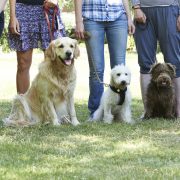
Managing multiple dogs during group sessions requires a completely different skill set than working with individual animals. Your staff needs to develop peripheral awareness while maintaining focused attention on the primary training subject.
Start by teaching your team the “scanning technique.” Every 30 seconds, they should conduct a quick visual sweep of all dogs in the group, looking for escalating stress signals or signs of overstimulation. A dog showing whale eye while another displays a stiff tail can spell trouble in seconds.
Position staff members strategically around the training area. One trainer focuses on active instruction while support staff monitor the “audience dogs.” This prevents reactive incidents before they start and keeps all animals engaged in positive learning.
The key is recognizing the difference between individual stress and pack dynamics. A dog might show perfect body language in one-on-one training but become anxious or overly excited in group settings. Your basic obedience dog training approach needs this group awareness built in from day one.
Creating Consistent Response Protocols for Different Behavioral Signals
Consistency across your team prevents confusion for both dogs and their families. When one trainer responds to lip licking with immediate space while another pushes forward, you’re sending mixed messages that undermine training progress.
Develop clear action protocols for common signals. Panting plus pacing equals an immediate break. A tucked tail with a lowered body posture indicates a switch to easier commands. A stiff body with direct staring requires gentle redirection and distance.
But here’s what most facilities miss: your protocols need built-in flexibility. A Golden Retriever’s stress signals look different from a German Shepherd’s defensive postures. Your staff should understand breed-specific tendencies while applying consistent response principles.
Document these protocols in a quick-reference guide. New staff can reference it during training, and experienced handlers can ensure they don’t develop personal shortcuts that confuse the dogs. Remember, dogs learn faster when human responses are predictable.
Documenting Behavioral Patterns for Long-Term Training Success
Smart facilities track behavioral patterns the same way veterinarians track medical histories. This documentation becomes invaluable for identifying triggers, measuring progress, and preventing setbacks.
Create simple intake forms that capture each dog’s typical stress responses, excitement patterns, and shutdown behaviors. Does Max always mouth when overstimulated? Does Bella freeze when she’s overwhelmed? These details help staff respond appropriately from the first session.
Weekly progress notes should include both positive developments and concerning patterns. “Rocco showed relaxed body language during recall practice but tensed during down-stays near other dogs” tells you exactly where to focus next week’s training.
This documentation proves especially valuable for animal behavioral consultation cases. Patterns that seem random in isolation often reveal clear triggers when viewed over time. That “sudden” reactive episode usually has warning signs you can identify and address proactively.
Educating Pet Parents on Recognizing Key Training Indicators at Home
Your training success depends heavily on consistency between professional sessions and home practice. Pet parents who can read their dogs’ body language will reinforce positive behaviors and avoid pushing their dogs past stress thresholds.
Teach families the three most critical signals for home training: engagement, stress, and shutdown. An engaged dog shows soft eyes, a relaxed mouth, and responsive ear positioning. They’re ready to learn and practice commands.
Stress signals require immediate breaks or environmental changes. Help parents recognize when their dog needs space versus when they’re simply testing boundaries. A dog showing calming signals needs patience, while a dog testing limits needs consistent follow-through.
Provide families with simple homework assignments that build their observation skills. “Watch for your dog’s reaction when you pick up the leash. Does he get excited, anxious, or shut down?” These exercises develop the awareness that makes home training successful.
Share specific examples from your training sessions. “Remember how Buddy’s tail position changed when we introduced the stay command? Watch for that same signal at home.” Concrete examples help families recognize subtle changes they might otherwise miss.
Understanding canine body language transforms training from guesswork into science. When you can accurately read your dog’s emotional state, every training session becomes more effective, safer, and enjoyable for everyone involved.
Ready to develop these crucial observation skills with professional guidance? Your dog’s body language holds the key to breakthrough training success. Contact our team to learn how proper body language awareness can revolutionize your training results and strengthen the bond with your canine companion.