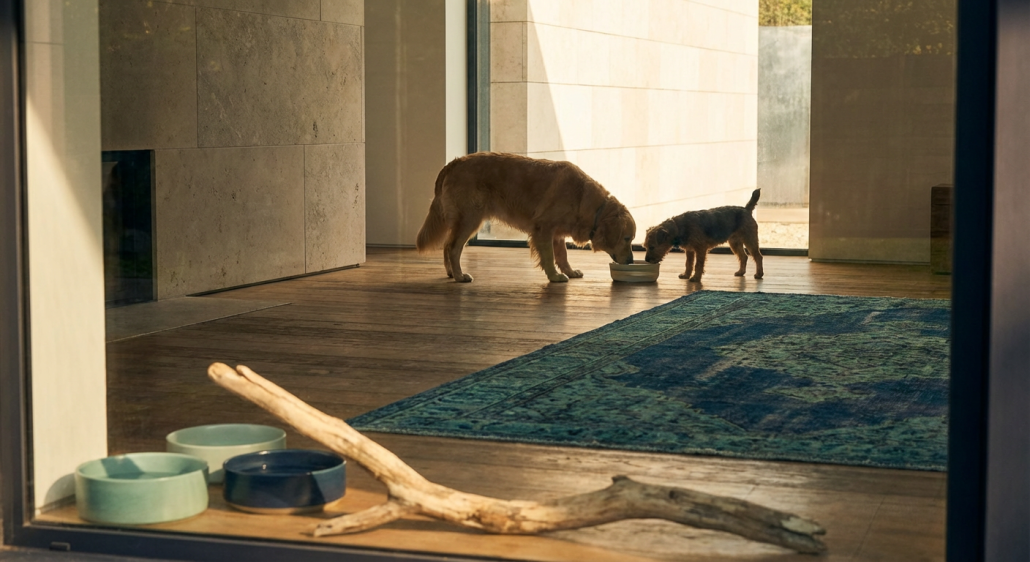
Preventing Resource Guarding in Multi-Dog Households
Your two dogs have lived peacefully together for months, sharing toys and eating side by side. Then suddenly, Max starts growling when Bella approaches his food bowl, and you’re left wondering what went wrong. Resource guarding doesn’t happen overnight, but recognizing the subtle shifts in behavior can mean the difference between harmony and household chaos.
Most pet parents don’t realize that what looks like sudden aggression often builds gradually through small interactions. One dog might start eating faster when another approaches, or position themselves between a favorite toy and their housemate. These seemingly innocent behaviors can escalate into serious conflicts if left unchecked.
Understanding the psychology behind resource guarding helps you spot trouble before it becomes dangerous. Dogs don’t guard resources out of spite or dominance (despite what outdated training methods suggest). They guard because they’ve learned that competition exists, and their survival instincts kick in to protect valuable items.
Identifying Early Warning Signs of Resource Guarding Dogs
The earliest signs of resource guarding often go unnoticed because they seem so harmless. Your dog might simply eat their meals more quickly when other dogs are present, or they might casually position themselves between their favorite toy and another dog.
Watch for these subtle behavioral shifts that signal brewing trouble. A dog who previously shared toys freely might start carrying items to secluded areas. They might begin “hoarding” multiple toys in their bed or under furniture. These collecting behaviors indicate your dog is starting to view resources as limited and worth protecting.
Body language changes provide the clearest early warnings. Stiffening over food bowls, even without growling, shows tension building. A dog might freeze mid-chew when another dog approaches, or they might gulp their food instead of eating normally. Their ears might pin back slightly, or they might give hard stares toward approaching dogs.
Displacement behaviors also signal stress around resources. A dog might suddenly start grooming excessively after another dog approaches their food, or they might yawn repeatedly in these situations. These behaviors help dogs self-regulate, but they indicate underlying anxiety about resource competition.
Common Triggers That Escalate Food and Toy Aggression
High-value items create the perfect storm for resource guarding conflicts. Rawhide bones, bully sticks, and special treats trigger more intense guarding than regular kibble because dogs perceive these items as scarce and valuable. Interactive puzzle toys filled with treats combine multiple triggers, since they’re both engaging and food-related.
Feeding schedules and locations dramatically impact guarding behaviors. Dogs fed too close together often develop competitive eating habits, even in households where no actual competition exists. Free-feeding (leaving food out all day) can create ongoing tension as dogs constantly monitor who’s eating what and when.
Human attention becomes a valuable resource that dogs might guard. You might notice one dog pushing between you and another when you’re giving affection. Doorway greetings often trigger guarding because the returning human represents a limited resource that multiple dogs want to claim.
Environmental stressors amplify guarding tendencies significantly. Changes in routine, new pets, houseguests, or even rearranged furniture can make previously relaxed dogs more possessive. Dog training professionals often see resource guarding emerge during stressful periods, such as moving homes or adding family members.
How Pack Dynamics Influence Guarding Behaviors
Forget everything you’ve heard about “alpha dogs” and pack leadership. Modern research shows that resource guarding stems from individual anxiety rather than dominance struggles. Dogs don’t fight to establish hierarchy; they fight because they’ve learned that resources might disappear.
Multi-dog households naturally create competition scenarios, even unintentionally. When dogs observe others receiving treats, toys, or attention, they begin calculating resource availability. A dog that never guarded as a single pet might develop guarding behaviors simply because they now share space with other dogs.
Personality differences among dogs affect the development of guarding behavior. Confident dogs might resource guard more boldly, while anxious dogs might guard more desperately. Age gaps create unique dynamics, too, as senior dogs might guard more intensely if they feel physically vulnerable around younger, more energetic housemates.
The introduction process between dogs heavily influences long-term guarding behaviors. Dogs who met under stressful circumstances or were forced together too quickly often develop ongoing resource competition. Proper introductions through The Benefits of Dog Training methods create positive associations from the start.
Distinguishing Normal Competition from Problematic Aggression
Not all resource-related behavior qualifies as problematic guarding. Healthy dogs naturally compete for preferred items, and some level of resource awareness is completely normal. The key lies in recognizing when normal competition crosses into dangerous territory.
Normal competition involves relatively calm body language and easily resolved conflicts. Dogs might approach a dropped treat simultaneously, but they typically work out who gets it without tension. One dog might defer to the other without showing stress signals, and both remain relaxed after the interaction.
Problematic guarding involves rigid body postures, intense staring, and escalating vocalizations. Warning signs include growling that intensifies, snapping, or lunging. Dogs showing problematic guarding often remain tense long after the trigger item is removed, indicating higher stress levels.
The context surrounding competitive behaviors matters enormously. A dog who occasionally guards high-value items but shares regular resources shows normal selective guarding. However, a dog who guards multiple item categories or shows guarding behaviors toward empty food bowls needs intervention through the 5 Essential Commands to Teach and professional guidance.
Recovery time between incidents provides another crucial distinction. Dogs engaging in normal competition bounce back quickly and resume normal interactions. Dogs with problematic guarding often show ongoing tension, avoiding certain areas or maintaining hypervigilance around resources for extended periods.
Essential Prevention Strategies for New Multi-Dog Households
Proper Introduction Protocols to Prevent Dog Aggression
The first 48 hours determine everything. How you introduce a new dog to your existing pack sets the tone for months (or years) of peaceful coexistence.
Start introductions on neutral territory, never in your home or yard. Meet at a park or quiet street where neither dog feels territorial pressure. Have each dog on opposite sides of the street with a helper handling one while you manage the other.
Watch their body language like a hawk. Stiff postures, prolonged staring, or hackles up mean you’re moving too fast. Relaxed shoulders and play bows? You’re on the right track.
Once they’re comfortable seeing each other, try parallel walks. Keep them 10-15 feet apart, walking in the same direction. This creates a positive association without direct confrontation. After 15-20 minutes of peaceful parallel movement, you can gradually decrease the distance.
Don’t rush the face-to-face meeting. Some dogs need three or four neutral territory sessions before they’re ready for direct interaction. Bringing Home A Second Dog requires patience above all else.
Establishing Individual Feeding Zones and Schedules
Food triggers the strongest resource guarding instincts. Your prevention strategy starts with completely separate feeding arrangements.
Create physical barriers between eating areas. Use baby gates, crate doors, or separate rooms entirely. The goal is to remove any possibility of food competition during those crucial first months.
Feed dogs simultaneously but apart. This prevents the anxiety that comes from one dog finishing early and eyeing another’s bowl. Set timers for 15-20 minutes maximum, then remove all bowls, whether they’re finished or not.
Consider these feeding zone essentials:
- Minimum 6-foot separation between bowls
- Visual barriers (around corners or behind furniture)
- Non-slip mats to prevent the bowl from sliding
- Identical bowl sizes and shapes
Some dogs need permanent separate feeding arrangements. There’s no shame in keeping dogs apart during meals for their entire lives if it prevents resource-guarding dogs from developing aggressive behaviors.
Water bowls deserve the same attention. Place multiple water sources throughout your home so no single dog can monopolize access to water. Fresh water availability reduces territorial behavior around this vital resource.
Creating Separate High-Value Resource Areas
Beyond food, dogs guard toys, beds, favorite spots, and even human attention. Your multi-dog household needs designated zones for these prized possessions.
Establish individual “safe spaces” for each dog, with exclusive access to their most valued items. This might be separate crates, different rooms, or specific corners of the house. Each dog should have their own bed, toy collection, and chew items in these areas.
Rotate high-value items rather than leaving them available constantly. Bring out special toys or chews when dogs are separated, then put them away before reuniting the pack. This prevents possession-based conflicts before they start.
Create multiple comfortable resting spots throughout your home. Dogs naturally seek elevated positions and cozy corners. Having several options prevents territorial disputes over the “best” sleeping spot.
Don’t overlook human attention as a resource. Some dogs guard their people fiercely. Initially, train yourself to give individual attention in separate spaces. Pet one dog while the other is outside, or practice Dog Training sessions individually before attempting group activities.
Setting Clear Household Rules from Day One
Consistency prevents confusion. When dogs understand exactly what’s expected of them, they’re less likely to develop resource-guarding behaviors.
Establish a “nothing in life is free” policy. Dogs earn everything through basic obedience commands. Want dinner? Sit first. Going outside? Wait at the door. This creates a structure that reduces anxiety and territorial behavior.
Implement these non-negotiable rules:
- No dogs on furniture until invited
- Humans always eat first
- Dogs must wait calmly for all meals
- No pushing or demanding attention
Practice “drop it” and “leave it” commands religiously. These aren’t just party tricks – they’re essential safety skills that prevent resource guarding escalation. Start with low-value items and gradually work up to more tempting objects.
Every family member must enforce the same rules. Mixed messages create stress and uncertainty. If Dad allows dogs on the couch but Mom doesn’t, you’re setting up territorial conflicts around furniture access.
The building blocks become even more critical in multi-dog environments. Without solid basic obedience, you can’t effectively manage resource-related tensions between dogs.
Remember that some dogs need weeks or months to fully accept household rules. Stay patient, stay consistent, and don’t lower your standards because it’s easier in the short term.
Professional Training Techniques to Manage Resource Competition
Teaching the ‘Wait’ and ‘Leave It’ Commands for Multiple Dogs
Before you can address resource guarding dogs, you need rock-solid impulse control. The ‘wait’ and ‘leave it’ commands become your secret weapons when managing resource competition between multiple dogs.
Start training these commands individually with each dog. You can’t teach impulse control to a pack (trust me on this one). Begin with your calmest dog, then work with the more reactive dogs separately.
For the ‘wait’ command, start at feeding time. Hold your dog’s bowl about three feet away and say “wait.” The moment your dog stops moving toward the food, mark it with “yes” and place the bowl down. Most dogs pick this up within a week of consistent practice.
The ‘leave it’ command requires more finesse. Place a treat on the ground, cover it with your hand, and say “leave it.” When your dog stops trying to get the treat, reward it with a treat from your other hand. Never let them have the original treat (this teaches them that persistence doesn’t pay off).
Once each dog masters these commands individually, you can start practicing with both dogs present. Keep them on opposite sides of the room initially. The goal isn’t perfection right away—it’s building the foundation for better impulse control around resources.
Implementing Structured Meal Time Training Protocols
Meal time often triggers the strongest resource guarding behaviors in multi-dog households. But with the right protocol, you can turn feeding time into a training opportunity rather than a battlefield.
Create physical separation first. Use baby gates, crates, or simply feed in different rooms. Distance is your friend here—dogs can’t guard resources from each other if they can’t reach them.
Establish a feeding routine that never varies. Dogs thrive on predictability, and knowing exactly when food appears reduces anxiety-driven guarding. Feed at the same times, in the same locations, using the same bowls.
Practice the “sit and wait” protocol before every meal. Both dogs must sit and wait (in their designated spots) before any food bowls hit the ground. Start with just five seconds of waiting, then gradually increase to 30 seconds or more.
Monitor eating speed and body language during meals. If one dog finishes first and approaches the other’s bowl, redirect them immediately. A simple “leave it” command followed by calling them away works wonders.
Consider using puzzle feeders or Kong toys for particularly competitive eaters. These slow down consumption and provide mental stimulation, reducing the urgency around food that often triggers guarding behaviors.
Using Positive Reinforcement to Reduce Guarding Instincts
Positive reinforcement doesn’t mean being permissive—it means rewarding the behaviors you want to see more often. When dealing with resource-guarding dogs, you need to make sharing more rewarding than hoarding.
Start by teaching your dogs that approaching humans at mealtimes leads to good things. Walk near their food bowls and drop extra treats. This counters the instinct to guard food from approaching figures.
Reward calm behavior around high-value items. When you see one dog lying calmly near a toy while another dog plays with it, mark that moment with praise and treats. You’re showing them that relaxed coexistence pays off.
Create positive associations with the presence of other dogs during resource access. Feed both dogs treats simultaneously while they’re in the same space (but not competing for the same resource). This teaches them that other dogs nearby mean good things happen.
Never punish guarding behavior directly. Yelling or forcing dogs to “share” typically escalates the problem. Instead, redirect the guarding dog to something else they value, then reward them for leaving the resource alone.
The key is consistency. Every family member needs to follow the same protocols. Mixed messages from different people will slow progress and potentially worsen guarding behaviors.
Counter-Conditioning Exercises for Resource-Reactive Dogs
Counter-conditioning changes your dog’s emotional response to triggers that normally cause resource guarding. Think of it as rewiring their brain to feel differently about competition scenarios.
Identify your dog’s guarding triggers first. Does tension rise when the second dog approaches during chew time? Does food bowl preparation cause anxiety? You need to know what you’re working with before you can fix it.
Start with low-intensity versions of these triggers. If your dog guards bones, begin by having the other dog in the same room, across the room, while the first dog chews. Gradually decrease the distance over multiple training sessions.
Pair the trigger with something amazing. Every time the “competitor” dog appears during resource time, immediately give the guarding dog their favorite treats. You’re teaching their brain that other dogs showing up means wonderful things happen.
Work below your dog’s reaction threshold. The moment you see stiff body language, hard stares, or other warning signs, you’ve pushed too far too fast. Back up until you reach a distance or intensity at which your dog stays relaxed.
Practice resource guarding exercises during calm moments, not when tensions are already high. Training works best when dogs are in a learning mindset, not a reactive one.
Remember that counter-conditioning takes time—often weeks or months for significant progress. But when you see your formerly resource-reactive dog staying relaxed while sharing space with their housemate during meal time, you’ll know the investment was worth it.
Professional dog training can significantly accelerate this process, especially in severe cases where poor obedience training has contributed to escalating dominance problems between dogs.
Environmental Management Solutions for Multi-Dog Households
Strategic Placement of Food Bowls and Water Stations
Creating physical distance between feeding stations is your first line of defense against resource-gardening dogs. Most dog owners place bowls side by side (thinking they’re being organized), but this setup actually triggers competitive instincts.
Position food bowls at least six feet apart in your multi-dog household. If space allows, feed dogs in completely different rooms. This eliminates the visual trigger of seeing another dog near their food source.
Water stations require similar consideration. Place multiple water bowls throughout your home rather than clustering them together. Dogs shouldn’t have to compete for water, especially in summer, when hydration is vital.
Consider elevation differences, too. Some dogs feel more secure eating from raised bowls, while others prefer ground level. Experiment with different heights to find what makes each dog most comfortable at mealtimes.
Creating Safe Retreat Spaces for Each Dog
Every dog needs a sanctuary where they can retreat without interference from other household pets. These spaces become especially important when you’re working to prevent resource-related aggression in dogs.
Designate specific areas for each dog using baby gates, crates, or even separate rooms. The key is ensuring these spaces remain off-limits to other dogs. You wouldn’t want someone hovering over you while you eat, and neither do your dogs.
Make these retreat spaces comfortable with each dog’s favorite bed, blanket, or toy. When a dog knows they have their own secure area, they’re less likely to guard resources aggressively elsewhere in the home.
Train your dogs to respect these boundaries through consistent dog training. If one dog invades another’s space, redirect them immediately. Remember, growling is not always an issue; it’s often a dog’s way of communicating their need for space.
Rotating High-Value Toys and Chews Safely
High-value items like bully sticks, puzzle toys, and favorite tennis balls require careful management in multi-dog homes. The goal isn’t to eliminate these enrichment items (your dogs need them), but to distribute them strategically.
Implement a rotation system where only one dog receives a high-value item at a time. While one dog enjoys their special chew, the others should be engaged in different activities or separated entirely.
Timing matters enormously here. Don’t hand out premium treats when dogs are already excited or overstimulated. Choose calm moments when you can supervise closely and intervene if tension arises.
Store valuable items completely out of reach when not in supervised use. Dogs can develop guarding behaviors over items they can see but can’t access, creating unnecessary stress in your household.
Professional in-home dog training can be invaluable for developing personalized rotation schedules that work with your dogs’ specific personalities and triggers.
Using Physical Barriers During Resource Distribution
Physical barriers aren’t permanent solutions, but they’re essential tools while you’re modifying behavior in resource-gardening dogs. Think of them as training wheels that provide safety while your dogs learn better habits.
Baby gates work well for creating temporary separation during mealtimes or treat distribution. Dogs can still see and smell each other (maintaining pack cohesion) while each has its own protected space.
Exercise pens offer another flexible option. Set up individual “dining rooms” using these portable barriers to give each dog its own clearly defined territory during resource time.
Leashes can serve as barriers, too, especially during training sessions. Tether dogs at appropriate distances while practicing “wait” commands or teaching them to take turns with toys.
The beauty of physical barriers is that they take the decision-making pressure off your dogs. Instead of having to choose between approaching or avoiding a resource (and potentially starting a conflict), the barrier makes the choice for them.
Gradually reduce your reliance on barriers as your dogs demonstrate improved behavior. Some households can eventually eliminate physical separation entirely, while others maintain strategic barriers during high-stress situations like meal times.
Remember that every multi-dog household is unique. What works for a pair of golden retrievers might not work for a mix of breeds with different energy levels and food motivation. Stay flexible and adjust your environmental management based on what you observe in your specific pack dynamics.
Addressing Existing Resource Guarding Issues Between Dogs
Step-by-Step Behavior Modification for Guarding Dogs
When you’re dealing with resource guarding between dogs, systematic behavior modification becomes your best friend. The key? Start small and build confidence gradually.
Begin by identifying exactly what triggers the guarding behavior. Is it food bowls, toys, or even your attention? Once you know the specific resource, you can create a controlled training environment.
Start with the guarding dog alone in a quiet room. Place the valued resource (let’s say a food bowl) at a distance where your dog notices it but doesn’t feel compelled to guard. Reward calm behavior with high-value treats that are even better than what’s in the bowl.
Gradually decrease the distance over multiple sessions. You’re teaching your dog that good things happen when other “competitors” are around, not that they need to defend their stuff.
The next phase involves introducing the second dog at a significant distance. Both dogs should be on leashes with handlers they trust. Keep sessions short (5-10 minutes) and always end on a positive note.
Professional dog training techniques emphasize the importance of timing here. Reward the guarding dog the moment they look away from the resource toward the other dog without tension.
When to Separate Dogs During Training Sessions
Separation isn’t failure – it’s smart management. You’ll need to separate your dogs whenever tension escalates beyond what you can safely control.
Watch for these warning signs: stiff body posture, prolonged staring, lip lifting, or growling that intensifies. These are your cues to create distance immediately.
During active training sessions, always have an exit strategy. This might mean having baby gates ready, keeping dogs on leashes, or having a helper who can remove one dog if needed.
Separate feeding should continue until you see consistent progress. Most households benefit from feeding dogs in different rooms or using crates during meal times. There’s no shame in this approach (it actually prevents many problems).
Consider separation when introducing new resources as well. That new squeaky toy or special chew bone? Introduce it to one dog at a time, then gradually work on sharing.
Gradual Reintroduction Protocols After Aggressive Incidents
After any aggressive incident, rushing back to “normal” can set you back weeks. Slow and steady wins this race every time.
Start with parallel activities where dogs can see each other but can’t access the same resources. Think of separate walks on opposite sides of a wide hallway, or of training sessions in the same room with significant space between them.
The “look and reward” protocol works wonders here. Every time your formerly aggressive dog looks at the other dog calmly, mark that moment with a click or “yes” and deliver an amazing treat.
Gradually reduce the physical barriers as both dogs show relaxed body language. You might start with a baby gate, then progress to loose leashes, and finally supervised free interaction.
Don’t skip steps because things seem to be going well. Each phase should last several successful sessions before progressing. Your dogs need time to build new positive associations.
Keep high-value resources completely off-limits during reintroduction. Stick to low-stakes interactions like casual training or gentle play with toys that neither dog particularly values.
Working with Professional Dog Trainers for Severe Cases
Some resource guarding cases require professional intervention, and recognizing when you’re in over your head shows wisdom, not weakness.
Contact a certified professional if you’ve seen any of these red flags: bites that break skin, incidents that escalate quickly despite your interventions, or multiple aggressive episodes within a short timeframe.
A qualified dog training professional can assess your specific situation and create a customized behavior modification plan. They’ll also teach you to read your dogs’ body language more accurately.
Consider a board & train program if the situation has become too dangerous to manage at home. These intensive programs can address severe guarding behaviors in a controlled environment.
Don’t wait for the “perfect” trainer. Look for someone with certifications from reputable organizations who uses positive reinforcement methods. They should be willing to work with your entire family, not just the dogs.
Remember that professional help isn’t a quick fix. Even with expert guidance, resolving resource guarding between dogs typically takes months of consistent work. But the investment in professional training often prevents more serious problems down the road.
The goal isn’t just to stop the aggressive behavior – it’s to build a peaceful multi-dog household where everyone feels secure and valued.
Long-Term Success Strategies for Peaceful Multi-Dog Households
Maintaining Consistent Training Routines Across Multiple Dogs
Consistency becomes your best friend when managing multiple dogs. Every family member needs to follow the same rules, use the same commands, and be rewarded for the same behaviors. Mixed messages confuse your dogs and undermine months of progress.
Set up training schedules that work for all dogs simultaneously. Practice “wait” commands before meals together, work on “leave it” during group play sessions, and consistently reinforce sharing behaviors. This approach strengthens the pack’s understanding of household rules.
Don’t forget individual training sessions, too. Each dog has unique triggers and learning speeds. Some might need extra work on food bowl manners, while others struggle with toy sharing. Basic Obedience Dog Training helps establish these foundational skills that prevent resource guarding from developing.
Track each dog’s progress separately. Keep training logs, noting which situations trigger guarding behaviors and which techniques work best for each pet. This detailed approach helps you spot patterns and adjust methods before problems escalate.
Regular Assessment and Adjustment of Management Plans
Your management plan isn’t set in stone. Dogs change, new triggers emerge, and household dynamics shift over time. Schedule monthly assessments to evaluate what’s working and what needs tweaking.
Watch for subtle warning signs that often precede resource guarding episodes. Body stiffness around food bowls, hovering over toys, or blocking access to favorite sleeping spots all signal potential issues. Address these early warning signs before they become full-blown guarding behaviors.
Adjust feeding arrangements as needed. Maybe your initially calm senior dog now feels threatened by the energetic puppy’s presence. Or perhaps successful counter-conditioning means you can gradually reduce separation distances. Stay flexible and responsive to your pack’s evolving needs.
Consider seasonal adjustments, too. Holiday visitors, schedule changes, or new family members can temporarily increase stress levels. During these periods, you might need to revert to stricter management protocols until stability returns.
Building Positive Associations Between Dogs and Shared Resources
Transform potential conflict zones into opportunities for positive experiences. Practice cooperative games that require teamwork rather than competition. Hide treats around the house for group treasure hunts, or use puzzle feeders that multiple dogs can work on together.
Create “sharing success” moments through structured activities. Hold group training sessions where dogs take turns performing commands and receiving treats. This builds patience and reinforces that good things happen when other dogs are present.
Use parallel activities to reduce competition anxiety. Set up side-by-side chew sessions in which each dog has their own high-value item while still enjoying the social aspect of group relaxation. Gradually decrease distances as comfort levels increase.
Reward calm behavior around resources consistently. When you catch dogs peacefully coexisting near food bowls or toys, mark and reward that behavior immediately. These positive associations become stronger over time and naturally reduce guarding instincts.
Preparing for Life Changes That May Trigger Resource Guarding
Life happens, and your dogs need preparation for major changes. Moving homes, adding new pets, or welcoming babies can disrupt established routines and trigger resource guarding in previously peaceful households.
Start preparing weeks before anticipated changes. Gradually introduce new routines, practice adaptability exercises, and reinforce calm behaviors around disruptions. If you’re expecting a baby, begin adjusting feeding schedules and sleeping arrangements well in advance.
New pet introductions require careful planning. Quarantine periods, gradual scent swapping, and controlled meetings help prevent territorial disputes. Don’t rush these processes. Taking extra time initially prevents months of behavioral rehabilitation later.
Consider stress-reduction strategies during transition periods. Maintain exercise routines, provide extra mental stimulation, and consider natural calming aids if needed. Stressed dogs are more likely to develop resource guarding behaviors, so managing overall anxiety levels becomes crucial.
Long-term success with resource guarding dogs in multi-dog households requires dedication, patience, and professional guidance. Investing in proper Dog Training and behavior modification pays dividends by creating a harmonious home environment.
Remember that setbacks are normal and don’t indicate failure. Some days will be better than others, especially during adjustment periods. Stay consistent with your training approach, celebrate small victories, and don’t hesitate to seek professional support when needed.
If you’re struggling with resource guarding issues or want to prevent them before they develop, professional guidance makes all the difference. Contact our Animal Behavioral Consultation team to create a customized plan that works for your unique multi-dog household. Your dogs deserve to live in peace, and you deserve the confidence that comes with a well-managed pack.