Summer Daycare Enrollment What Changes to Expect in June 2026
Understanding the 2026 Enrollment Timeline and Key Dates
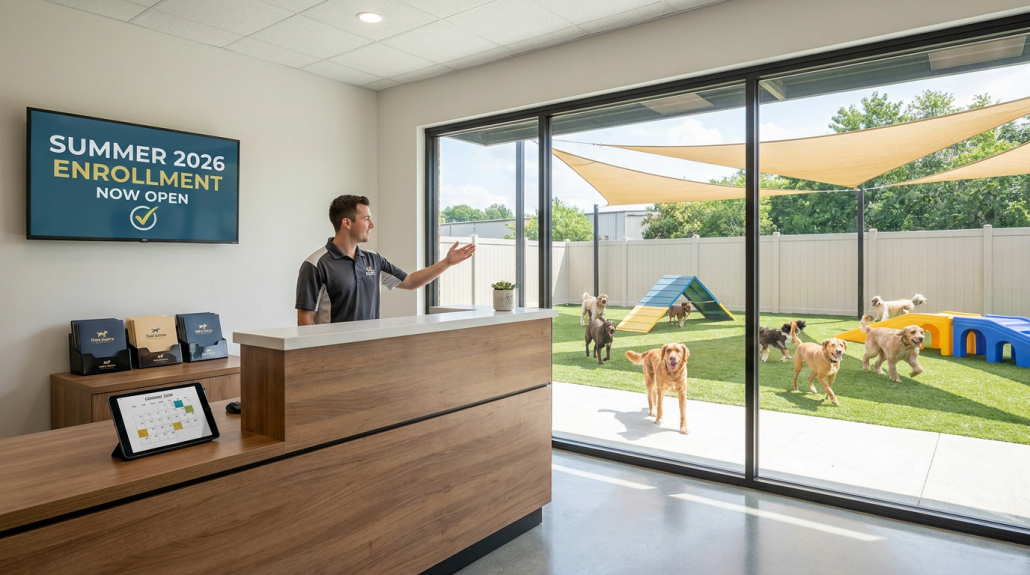
The countdown to summer 2026 has already begun for dog daycare facilities across the nation, and savvy pet owners are discovering that the enrollment landscape looks dramatically different from previous years. With demand for quality canine care reaching unprecedented levels, understanding the new registration timeline could mean the difference between securing your pup’s spot and finding yourself on a months-long waitlist.
Industry data reveals that summer enrollment periods now open as early as February, with premium facilities filling their rosters by mid-March. This shift reflects both the growing popularity of professional dog care and the increasing number of working families who rely on daycare services during the longer summer months when children are home from school.
The changes aren’t just about earlier deadlines. Facilities are implementing sophisticated new systems for health documentation, owner preparation, and waitlist management that require pet parents to adapt their approach to the entire enrollment process.
Early Bird Registration Benefits and Deadlines
Registration windows for summer 2026 programs are opening in February, representing a significant shift from the traditional April start dates. Early bird registrants can expect substantial savings, with many facilities offering 15-20% discounts for families who complete their paperwork by March 15th.
Beyond cost savings, early registration guarantees preferred scheduling options. Popular time slots (particularly 7 AM drop-offs and after 5 PM pickups) typically fill within the first two weeks of registration opening. Facilities are also implementing loyalty programs that give returning clients a 48-hour head start on registration, making early commitment even more crucial for securing your dog’s preferred schedule.
The financial structure has evolved too. Instead of traditional monthly payments, many facilities now require a 50% deposit upon registration, with the balance due by May 1st. This change helps facilities manage capacity planning while ensuring committed enrollment numbers for their summer programming.
Vaccination and Health Record Requirements
Health documentation standards have become significantly more stringent for 2026 enrollment. Beyond the standard rabies, DHPP, and bordetella vaccines, many facilities now require documentation of canine influenza vaccination and annual wellness examinations within six months of program start dates.
The documentation process itself has been streamlined through digital platforms. Pet owners must upload vaccination records, health certificates, and emergency veterinary contact information through secure portals by April 30th. Late submissions result in automatic placement on waiting lists, regardless of initial registration date.
Monthly health check requirements have also been introduced. Dogs showing any signs of illness, stress, or behavioral changes during their daycare participation will require veterinary clearance before returning to group activities. This proactive approach reflects the industry’s commitment to maintaining healthy play environments throughout the summer months.
New Owner Orientation Process Changes
First-time daycare families face an entirely revamped orientation process for summer 2026. The previous single-session orientation has been replaced with a three-phase introduction system designed to ensure both dogs and owners feel completely prepared for the daycare experience.
Phase one involves a virtual consultation where families discuss their dog’s personality, exercise needs, and any behavioral considerations. Phase two includes a facility tour and temperament assessment, where dogs participate in supervised play sessions with trained staff. The final phase features a trial day where dogs experience the full daycare routine while owners receive detailed feedback about their pet’s social interactions and adjustment period.
Understanding the benefits of professional becomes essential during this orientation process, as staff help families set realistic expectations for their dog’s social development and energy management throughout the summer program.
Waitlist Management and Priority Placement
Waitlist systems have become increasingly sophisticated, moving beyond simple first-come-first-served models. Priority placement now considers multiple factors including previous enrollment history, referral status, and specific scheduling needs that align with facility capacity.
Facilities typically maintain separate waitlists for different time blocks and age groups. Puppies under 12 months have dedicated slots that rarely become available to general waitlist applicants, while senior dog programs often have shorter waiting periods due to specialized care requirements.
Communication protocols keep waitlisted families informed through automated weekly updates about their position and estimated placement timelines. Many facilities also offer partial scheduling options, allowing dogs to participate in specific days or shorter time blocks while waiting for their preferred full-time slots to open.
The key to successful summer placement lies in early engagement with your preferred facility, comprehensive preparation of required documentation, and flexibility with scheduling options during peak demand periods.
Updated Health and Safety Protocols for Summer Programs
Enhanced Temperature Monitoring Procedures
Summer 2026 brings significant changes to how daycare facilities monitor canine health throughout the day. The new protocols require temperature checks every two hours during peak heat periods (typically 10 AM to 4 PM), rather than the previous standard of twice-daily monitoring.
Staff members now use digital ear thermometers specifically calibrated for dogs, providing readings within 15 seconds. Any dog showing a temperature above 102.5°F triggers an immediate cooling protocol and owner notification. The enhanced system includes digital logging that tracks each dog’s temperature trends throughout their daycare stay.
These changes address growing concerns about heat-related incidents during summer months. Facilities implementing comprehensive dog training programs often report better compliance with temperature monitoring because well-trained dogs remain calmer during health checks.
Daycare centers must also maintain detailed temperature logs for insurance purposes and regulatory compliance. Parents receive daily temperature summaries through automated text updates, creating transparency around their pet’s wellbeing during extended daycare sessions.
Revised Play Group Size Limitations
June 2026 regulations reduce maximum play group sizes from 15 dogs to 10 dogs per supervised area. This change aims to minimize stress levels and improve individual attention during high-energy summer activities. The smaller groups allow staff to better monitor hydration needs and recognize early signs of overheating.
Play group assignments now consider breed-specific heat tolerance alongside typical factors like size and temperament. Brachycephalic breeds (bulldogs, pugs, Boston terriers) receive priority placement in air-conditioned indoor areas with specialized ventilation systems. Nordic breeds and those with thick coats get scheduled for earlier morning outdoor sessions before temperatures peak.
The revised structure means some dogs might experience different playmates compared to spring enrollment periods. Facilities encourage gradual transitions by maintaining at least three familiar dogs in each new grouping. This approach reduces anxiety while dogs adapt to smaller, more manageable social environments.
Staff-to-dog ratios improve from 1:15 to 1:10, enabling more personalized attention and quicker response times during emergencies. Many parents appreciate the increased supervision, especially for dogs prone to resource guarding or those still developing proper social skills.
New Emergency Response Protocols
Summer daycare programs implement upgraded emergency procedures specifically designed for heat-related incidents. Every facility must maintain cooling stations equipped with fans, cooling mats, and emergency ice packs within 30 seconds of any play area. Staff complete mandatory heat stroke recognition training before June enrollment begins.
The new protocols establish clear escalation procedures when dogs show distress symptoms. Initial cooling measures include immediate relocation to air conditioning, cool water access, and wet towel applications to paw pads and belly areas. If symptoms persist beyond five minutes, facilities contact emergency veterinary services while continuing cooling efforts.
Emergency contact systems receive significant upgrades with real-time parent notification capabilities. Parents receive immediate alerts via phone call and text message if their dog requires emergency intervention. The system includes GPS coordinates for the nearest emergency veterinary clinic and estimated arrival times for professional medical attention.
All daycare staff carry emergency communication devices enabling instant contact with management and veterinary partners. These protocols extend beyond heat emergencies to include enhanced procedures for pool-related incidents, particularly important for facilities offering water play activities during summer programs.
Updated Cleaning and Sanitization Standards
Summer enrollment changes include intensified cleaning schedules addressing increased bacterial growth in warm, humid conditions. Play areas require sanitization every four hours instead of the previous twice-daily standard. Water bowls and food dishes receive individual cleaning after each use, preventing cross-contamination between dogs.
Facilities upgrade their cleaning supplies to include pet-safe antimicrobial treatments effective against summer-specific pathogens. Pool areas and water features follow strict pool safety guidelines with continuous filtration monitoring and hourly chemical level testing. These measures protect dogs from waterborne illnesses that spike during warmer months.
Air filtration systems receive enhanced maintenance with filter replacements every two weeks during peak summer enrollment. HVAC systems undergo professional cleaning before June programs begin, ensuring optimal air quality for dogs spending extended periods indoors during extreme heat days.
The updated standards require daily deep cleaning of all fabric surfaces including bedding, toys, and comfort items. Facilities maintain backup supplies allowing immediate replacement of contaminated items without disrupting daycare activities. These comprehensive measures create healthier environments while managing the increased health risks associated with summer weather conditions.
Pricing Structure Changes and Payment Options
New Tiered Pricing Models Explained
Hot Dog on a Leash is introducing a comprehensive tiered pricing structure for summer daycare enrollment starting June 2026. This new system replaces the previous flat-rate model with three distinct tiers designed to better match your dog’s specific needs and your budget preferences.
The Essential tier offers basic daycare services including supervised play, feeding, and standard exercise routines at $45 per day. This option works perfectly for dogs who enjoy social interaction but don’t require specialized attention or additional services.
The Premium tier, priced at $65 per day, includes everything from the Essential package plus individualized dog training sessions, grooming touch-ups, and enhanced enrichment activities. Dogs in this tier receive more personalized attention from our staff throughout the day.
The Elite tier at $85 per day provides the ultimate daycare experience with one-on-one training sessions, spa treatments, specialized dietary accommodations, and priority pickup scheduling. This tier particularly benefits dogs with behavioral concerns or those requiring extra care during hot weather conditions.
Flexible Payment Plan Introduction
Recognizing that summer enrollment often strains family budgets, we’re launching flexible payment options that make quality daycare more accessible. The new payment plans allow you to spread costs over multiple months rather than paying large upfront fees.
The weekly payment option lets you pay for services seven days in advance, helping with cash flow management during busy summer months. This plan includes a small convenience fee of $2.50 per transaction but eliminates the stress of large monthly payments.
Monthly payment plans remain available with a 5% discount for full prepayment. However, we’re now offering split monthly payments where you can divide your monthly fee into two payments due on the 1st and 15th of each month. This option carries no additional fees and helps families budget more effectively.
For families planning extended summer enrollment, our seasonal payment plan allows you to lock in current rates by paying for the entire June-August period by May 15th. Early payment earns you a 10% discount and guarantees your preferred time slots throughout the summer.
Multi-Dog Family Discount Updates
The multi-dog discount structure has been enhanced to provide better value for families with multiple pets. Previously, the second dog received a 15% discount, but the new system offers more substantial savings across all tiers.
Families bringing two dogs now receive 20% off the second dog’s enrollment fees regardless of which tier they choose. The discount applies to the lower-priced service if dogs are enrolled in different tiers. For example, if one dog is in Premium and another in Essential, the Essential tier receives the discount.
Three-dog families benefit from a 20% discount on the second dog and a 30% discount on the third dog. This progressive discount structure recognizes that larger families face proportionally higher costs while encouraging continued enrollment.
Sibling dogs (from the same litter or household for over two years) qualify for an additional 5% discount on top of multi-dog savings. This bonus acknowledges that bonded pairs often experience less separation anxiety and integrate more smoothly into daycare routines.
Cancellation and Refund Policy Modifications
The updated cancellation policy provides more flexibility while protecting both families and our business operations. The previous 48-hour cancellation requirement has been adjusted to better accommodate summer schedule changes and unexpected situations.
Same-day cancellations due to pet illness now receive full credit toward future services instead of forfeiting the day’s fee. You’ll need to provide documentation from a veterinarian within 24 hours to qualify for this accommodation. This change recognizes that pet health issues can arise suddenly, especially during warmer months when heat-related concerns increase.
Weather-related cancellations also receive more lenient treatment under the new policy. If outdoor temperatures exceed safe levels for summer heat pet protocols and you prefer to keep your dog home, you can cancel without penalty up to 2 hours before your scheduled drop-off time.
Vacation cancellations must still be submitted 72 hours in advance but now qualify for 50% credit rather than complete forfeiture. This partial credit can be applied to future services or rolled over to the following enrollment period. Emergency family situations receive individual consideration and often qualify for full credit or refund depending on circumstances.
The refund processing timeline has been shortened from 14 business days to 7 business days for credit card refunds, while account credits appear immediately upon approval.
Program Enhancements and Activity Additions
Extended Outdoor Play Sessions
June 2026 brings a significant expansion to outdoor play opportunities, with daycare sessions extending by an additional 90 minutes daily during peak summer months. This enhancement responds directly to feedback from dog owners who noticed their pets craving more physical activity during longer daylight hours.
The extended sessions include structured outdoor activities between 7:30 AM and 6:00 PM, taking advantage of cooler morning and evening temperatures while avoiding the intense midday heat. Dogs will rotate through different outdoor zones every 45 minutes, ensuring they experience varied terrain and social groupings throughout their stay.
Weather monitoring systems now trigger automatic schedule adjustments when temperatures exceed 85°F or humidity levels reach concerning thresholds. During these conditions, outdoor time shifts to shaded pavilions and covered play areas, maintaining activity levels while prioritizing safety. The facility has invested in additional cooling stations and splash zones to keep dogs comfortable during active play periods.
Introduction of Specialized Training Modules
Professional training components become integrated into regular daycare programming starting this summer, offering dogs structured learning opportunities alongside their social play. These 15-minute training modules focus on reinforcing basic commands, leash manners, and social etiquette skills that benefit dogs both during daycare and at home.
Each dog receives individualized attention through these modules, with trainers documenting progress and sharing insights with owners through daily reports. The dog training approach emphasizes positive reinforcement techniques that align with each dog’s personality and learning style, creating enjoyable experiences rather than stressful drilling sessions.
Advanced modules address specific behavioral challenges like excessive barking, jumping, or resource guarding that sometimes emerge in group settings. These targeted interventions help create a more harmonious environment for all attendees while providing valuable skills development that owners notice immediately at home.
New Enrichment Activities for High-Energy Dogs
High-energy breeds and younger dogs benefit from specialized enrichment programming designed to channel their enthusiasm productively. These activities include agility course rotations, puzzle-solving challenges, and interactive games that engage both physical and mental faculties.
The facility introduces rotating activity stations every two hours, preventing overstimulation while maintaining engagement levels throughout the day. Popular additions include treat-dispensing obstacle courses, scent work challenges, and supervised group games that encourage appropriate play behaviors among dogs with similar energy levels.
Staff members receive specialized training to recognize when individual dogs need redirection from high-intensity activities to calmer alternatives. This personalized approach ensures that energetic dogs receive adequate stimulation without becoming overwhelmed or exhibiting unwanted behaviors that could disrupt the group dynamic.
Swimming sessions become available twice weekly for dogs comfortable with water activities, providing excellent exercise opportunities that are gentle on joints while offering refreshing relief from summer heat. These sessions require advance registration and basic swimming assessment to ensure safety for all participants.
Enhanced Rest and Recovery Periods
Structured downtime becomes a cornerstone of the summer program, with designated quiet periods scheduled every two hours to prevent overstimulation and exhaustion. These rest periods take place in climate-controlled indoor spaces with comfortable bedding and calming background music.
Individual rest preferences receive attention during these periods, with some dogs preferring social napping in groups while others benefit from private quiet spaces. Staff members monitor each dog’s energy levels and stress indicators, adjusting rest duration and environment based on individual needs rather than rigid scheduling.
The enhanced recovery periods include gentle stretching activities for older dogs and breeds prone to joint issues, helping maintain mobility and comfort throughout active days. These sessions incorporate therapeutic techniques that support overall wellness while providing peaceful transitions between high-energy activities.
Hydration stations receive upgrades with temperature-controlled water dispensers and elevated feeding areas that encourage proper posture during drinking. The doggy day camp environment now includes multiple rest zones throughout the facility, allowing dogs to self-regulate their activity levels while remaining part of the social environment.
Recovery periods also serve as opportunities for one-on-one bonding with staff members, providing individual attention that many dogs crave alongside their social play experiences. These quiet moments help reinforce positive associations with the daycare environment while supporting emotional well-being throughout extended stay periods.
Communication and Check-In Process Updates
New Mobile App Features for Real-Time Updates
The biggest change coming to summer daycare enrollment involves the launch of our enhanced mobile application, designed to keep you connected with your furry family member throughout their daycare experience. Starting June 2026, all enrolled families will receive instant push notifications about their dog’s activities, meals, and social interactions.
Real-time tracking becomes significantly more detailed with GPS-enabled check-ins that show exactly when your dog moves between different play areas, training sessions, and rest periods. The app integrates seamlessly with our rate sheet services to provide transparent billing updates as additional services are utilized throughout the day.
Parents can now receive immediate alerts for medication administration, special dietary needs, and behavioral milestones achieved during daycare hours. The notification system distinguishes between routine updates and priority communications, ensuring important information never gets lost among daily activity reports.
Enhanced Photo and Video Sharing Platform
Summer 2026 brings a completely redesigned multimedia sharing experience that captures precious moments throughout your dog’s daycare adventure. High-definition cameras installed in all play areas now automatically tag and sort content based on individual dogs, creating personalized daily galleries.
The platform introduces live streaming capabilities during peak activity periods, allowing you to virtually check in during lunch breaks or quiet moments at work. Video quality improves dramatically with 4K recording capabilities and noise-canceling audio that clearly captures your dog’s vocalizations during play sessions.
Weekly highlight reels compile the best moments into shareable videos, perfect for social media or keeping extended family updated on your pet’s progress. The system also flags significant behavioral moments that might benefit from professional dog training follow-up discussions.
Privacy controls allow you to customize which content gets shared automatically versus requiring manual approval, giving you complete control over your dog’s digital presence within the daycare community.
Streamlined Drop-Off and Pick-Up Procedures
June 2026 introduces contactless check-in procedures that significantly reduce wait times during busy summer months when enrollment typically peaks. QR code scanning replaces traditional sign-in sheets, automatically updating your dog’s attendance records and daily care instructions.
The new system pre-populates drop-off information based on your dog’s established routine, while still allowing real-time modifications for special circumstances or temporary schedule changes. Staff receives instant notifications about any medication requirements, dietary restrictions, or behavioral considerations specific to that day.
Pick-up procedures now include automated billing summaries that detail exactly which services were utilized, eliminating surprises and providing transparency about additional charges. The mobile app sends ready-for-pickup notifications when your dog has been prepared for departure, including any necessary post-daycare care instructions.
Emergency contact verification happens automatically through the app, ensuring we always have current information without requiring repetitive form completion. Late pick-up fees are now calculated and displayed in real-time, helping families better manage their schedules around daycare hours.
Improved Incident Reporting System
Summer daycare enrollment brings enhanced safety protocols through our redesigned incident documentation and communication system. Minor incidents like scratches from play or temporary separation anxiety now trigger immediate photo documentation paired with detailed behavioral context.
The reporting system categorizes incidents by severity level, ensuring appropriate response times for different situations. Minor social adjustments receive routine documentation, while any concerning behaviors trigger immediate phone calls followed by detailed written reports within two hours.
Veterinary consultation protocols integrate directly with the incident reporting system, automatically flagging situations that might require professional medical evaluation. The system maintains comprehensive historical records that help identify patterns or triggers that could inform future preventive measures.
Follow-up communication has been standardized to include specific action plans, whether that involves modified play group assignments, additional supervision protocols, or recommendations for specialized training interventions. Parents receive detailed incident summaries that explain not just what happened, but the steps taken to prevent similar situations.
The enhanced system also tracks positive behavioral milestones, celebrating social breakthroughs and training achievements alongside safety documentation. This balanced approach ensures communication focuses on your dog’s overall development and well-being throughout their summer daycare experience.
Preparing Your Dog for Summer Enrollment Success
Pre-Program Socialization Recommendations
Getting your dog ready for summer daycare starts weeks before their first day. The socialization groundwork you lay now directly impacts how well they’ll adapt to the busier summer environment and new protocols we’ve implemented for 2026.
Start with controlled exposures to other dogs in neutral settings. Dog parks during off-peak hours work well, but supervised playdates with known friendly dogs offer better quality interactions. Focus on positive experiences rather than overwhelming your dog with too many new faces at once. These controlled interactions help your dog develop the confidence they’ll need when meeting new daycare friends.
Practice basic commands in distracting environments. Summer daycare programs tend to be more active and stimulating than quieter winter sessions. Your dog should reliably respond to “come,” “stay,” and “leave it” even when excited or distracted. Training sessions in busy areas like pet stores or outdoor festivals simulate the energy level they’ll encounter during peak summer enrollment.
Consider arranging a pre-enrollment visit to our facility. Many dogs benefit from exploring the space when it’s less crowded, allowing them to familiarize themselves with the layout, smells, and sounds they’ll experience daily. This preview helps reduce first-day anxiety and makes the transition smoother for both you and your dog.
Essential Items to Pack for Daily Care
Summer daycare requires specific preparation due to increased outdoor activities and longer program hours. Your dog’s daily bag should include items that support both comfort and safety during the warmer months.
Pack multiple water bottles or a large water container with your dog’s name clearly labeled. Summer programs involve more outdoor play, and proper hydration becomes critical. Include their regular food in clearly marked portions, plus a small emergency snack in case pickup runs late due to summer traffic or extended outdoor activities.
Bring a cooling mat or elevated bed for rest periods. These items help your dog regulate their body temperature during breaks between activities. A familiar blanket or toy provides comfort during adjustment periods, especially important for dogs new to doggie daycare environments.
Don’t forget sun protection items if your dog has light-colored fur or exposed skin areas. Dog-safe sunscreen and a lightweight cooling vest can prevent overheating during extended outdoor play sessions. Include any medications your dog takes regularly, along with clear administration instructions for our staff.
Behavioral Assessment Requirements
The 2026 summer programs include updated behavioral screening protocols designed to ensure every dog’s safety and enjoyment. Understanding these requirements helps you prepare your dog appropriately and avoid last-minute enrollment delays.
Your dog must demonstrate reliable recall and basic impulse control. This means responding to their name when called, even during exciting play situations, and showing the ability to stop inappropriate behaviors when redirected. Dogs who struggle with these basics may need additional dog training before entering group care settings.
Food and toy resource guarding presents safety concerns in group environments. Your dog should be comfortable eating near other dogs and willingly sharing play items. Practice these scenarios at home by feeding your dog near other family pets or having friends’ dogs visit during meal times.
Social play skills matter more than perfect obedience. We’re looking for dogs who can read other dogs’ body language, engage in appropriate play, and disengage when interactions become too intense. Dogs who consistently play too roughly or show fear-based aggression may need gradual socialization work before joining summer programs.
Tips for Easing Separation Anxiety
Summer enrollment often coincides with schedule changes that can trigger separation anxiety in dogs accustomed to different routines. Preparing your dog for longer daycare days requires gradual adjustment and strategic planning.
Start extending your dog’s time away from home several weeks before enrollment begins. Leave them with trusted friends, family members, or in shorter daycare sessions to build their confidence in your return. Gradual increases work better than sudden full-day departures.
Establish consistent morning routines that signal daycare days. Dogs thrive on predictability, so developing a specific sequence of activities before departure helps them understand what’s happening. Keep goodbyes brief and matter-of-fact rather than emotional or drawn-out.
Practice independence at home by creating positive alone time experiences. Set up puzzle toys or special treats that only appear when you leave, making your departure something your dog actually looks forward to rather than dreads.
Preparing your dog for summer daycare success requires intentional effort, but the investment pays off in their confidence and enjoyment throughout the program. Dogs who enter daycare well-prepared adapt faster, make friends more easily, and experience less stress during the transition. Take the time now to set your dog up for a fantastic summer of socialization, exercise, and fun in our enhanced 2026 programs.