Housetraining Adjustments for Age-Related Changes in Older Canines
Understanding Age-Related Changes in Senior Dogs
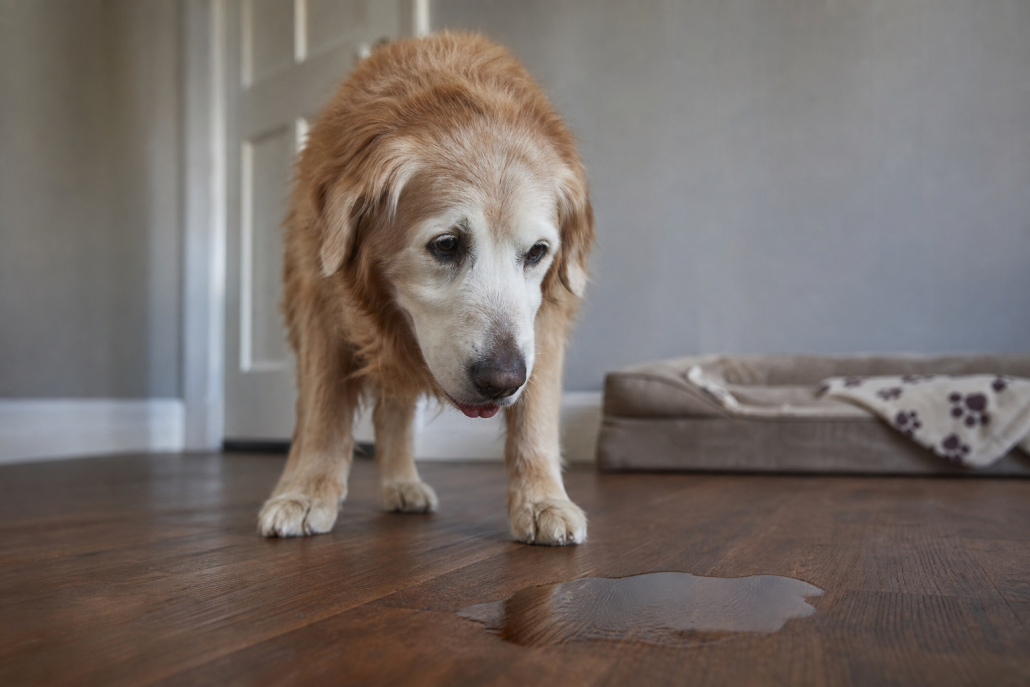
Your senior dog has been your faithful companion through the years, but lately you’ve noticed something troubling: accidents in the house despite a lifetime of perfect bathroom habits. That beloved pup who mastered housetraining decades ago now seems confused about where they’re supposed to go. This isn’t laziness or stubborn behavior. It’s the reality of aging, and understanding what’s happening inside your dog’s body is the first step toward helping them maintain dignity and comfort in their golden years.
Senior dogs aren’t simply “broken” versions of their younger selves. Their bodies and brains undergo profound changes starting around age seven or eight (sometimes earlier for larger breeds). These shifts affect everything from memory to muscle control to the basic mechanics of holding their bladder.
If you’re noticing housetraining regression in your aging canine, you’re witnessing the intersection of multiple age-related factors working simultaneously. The good news? With patience and informed adjustments, you can work with these changes rather than against them.
How cognitive decline affects bathroom habits and memory retention
Cognitive dysfunction is one of the most overlooked reasons senior dogs struggle with housetraining. Your dog’s brain simply doesn’t process information the way it once did. Think of it like this: a younger dog creates strong neural pathways linking the sensation of needing to urinate with “go outside now.” But as your senior dog ages, those pathways deteriorate. They might genuinely forget they’ve already been outside five minutes ago, or they lose the connection between the urge and the appropriate location.
Studies suggest that roughly 14-35% of dogs aged 11 years and older show signs of cognitive dysfunction, also called canine dementia. Your dog might stand at the door, then wander away without going outside. They could have an accident in the house immediately after coming in from their potty break because they’ve forgotten the entire outing occurred. This isn’t willful disobedience. Understanding cognitive changes helps you recognize these shifts as neurological rather than behavioral.
Memory retention also affects their ability to recognize bathroom-related routines. Older dogs need constant reinforcement and consistency in ways younger dogs don’t. They may forget the specific path to their designated bathroom spot if you change your walking route, or they might lose track of time-based patterns like “first thing in the morning” or “after dinner.”
Physical changes in the urinary and digestive systems
Beyond cognition, your senior dog’s body is undergoing genuine physiological changes. The muscles that control the bladder and sphincter weaken significantly with age. Older dogs lose the ability to hold urine for extended periods, even if they desperately want to maintain their housetraining. What once felt like a reasonable 8-hour stretch between outdoor breaks now feels like an impossible marathon for their aging system.
Kidney function declines in senior dogs, which often leads to increased water consumption and more frequent urination. Digestive efficiency also drops, making bowel movements less predictable. Your dog might need to eliminate more often and sometimes urgently. Additionally, conditions like arthritis, hip dysplasia, or spinal degeneration can make it physically painful or difficult for older dogs to posture for elimination or to move quickly enough to reach their designated bathroom area.
Hormonal changes affect bladder control too. Senior female dogs especially may experience incontinence related to declining estrogen levels. This is different from behavioral accidents. Your vet can help distinguish between hormonal incontinence and other urinary issues, which matters tremendously for treatment. Exploring physical limitations gives you concrete strategies for managing these bodily changes.
Recognizing early signs of incontinence versus behavioral regression
The challenge many dog owners face is distinguishing between true incontinence and housetraining lapses caused by memory issues or simple refusal. True incontinence involves involuntary urine leakage, often while your dog sleeps or lies down. They’re not aware it’s happening. Behavioral regression, by contrast, involves your dog choosing to eliminate in inappropriate locations while conscious and alert.
Early warning signs of incontinence include: urine leakage during sleep, damp bedding in the morning, increased nighttime accidents without daytime issues, or a persistent wet spot under your dog where they’ve been resting. Behavioral regression looks different. Your dog might squat visibly in the house with full awareness, or have accidents primarily during times of stress or when left alone too long.
Sometimes both conditions exist simultaneously. Your senior dog might have genuine incontinence at night while also experiencing cognitive confusion during the day. This dual challenge requires different management strategies. Professional dog training resources and veterinary input help you create a comprehensive plan that addresses both the physical and cognitive dimensions of aging.
Adapting Your Housetraining Approach for Aging Dogs
Shifting from punishment-based corrections to positive reinforcement strategies
Here’s the reality: if your senior dog has an accident in the house, scolding them won’t help. In fact, it can make things worse. Older dogs often have legitimate physical reasons for accidents (incontinence, cognitive decline, medication side effects), and punishing them creates anxiety and confusion. They can’t always control what’s happening to their bodies, so your approach needs a complete reset.
Positive reinforcement works incredibly well with aging dogs because it taps into their desire to please you without adding stress to an already-vulnerable period of their life. When your senior dog goes potty outside, celebrate it. Use high-value treats (small pieces of chicken, cheese, or their favorite snack), enthusiastic praise, and immediate rewards. Timing matters here: the reward needs to come within seconds of the desired behavior so your dog makes the connection.
The shift from old-school correction methods to positive reinforcement isn’t just humane (it is), it’s also more effective for dogs experiencing age-related changes. Your senior isn’t being stubborn or forgetful on purpose. They may have cognitive changes affecting their memory, or physical issues like arthritis making it harder to hold their bladder. When you apply age-appropriate training techniques, you’re working with their biology, not against it.
Never yell at, hit, or rub your dog’s nose in an accident. These punitive methods damage your relationship and increase stress hormones, which can actually worsen incontinence. Instead, if you catch them in the act, calmly interrupt with a gentle “let’s go outside” and immediately take them out.
If you find an accident after the fact, just clean it thoroughly and move on. Your senior dog won’t understand delayed punishment anyway.
Adjusting frequency and timing of bathroom breaks for senior dogs
Senior dogs need to go outside more often than younger adults. That’s not negotiable. While a healthy adult dog might be fine with three to four trips daily, a senior typically needs five to six or more. Their bladder capacity decreases with age, and many develop incontinence or conditions like diabetes that increase urination frequency.
The golden rule: take your senior out first thing in the morning (before you have coffee, before work), mid-morning, early afternoon, late afternoon, early evening, and bedtime. Some seniors need even more frequent breaks. If your dog is showing accidents primarily at night, consider adding another potty break right before bed or even a late-night trip around 11 PM.
Timing matters as much as frequency. Older dogs typically need to go out within 15 to 30 minutes of eating, drinking, waking from sleep, or playing. Medications also affect bathroom schedules.
If your senior is on diuretics, antibiotics, or other prescriptions, talk to your vet about when those are administered and plan bathroom breaks accordingly. Some medications are taken with food, which means potty breaks need to happen within a predictable window afterward.
For owners managing work schedules, in-home dog training services or midday dog walkers become essential investments. Leaving a senior alone for eight to ten hours daily sets them up for failure and damages their confidence. If you can’t be home, hire someone. It’s not optional for dogs in their golden years.
Environmental factors matter too. Cold weather, storms, or extreme heat can make outdoor bathroom breaks uncomfortable for older dogs with arthritis or sensitivity. You may need to provide covered outdoor areas, use heated outdoor mats, or adjust schedules during difficult weather conditions.
Creating a modified routine that accommodates reduced mobility and energy levels
Your senior’s daily housetraining routine should revolve around their physical capabilities, not what worked for them at age three. Arthritis, muscle weakness, and reduced stamina are real constraints. A dog that limps or moves slowly needs bathroom breaks positioned differently than a younger, more energetic counterpart.
Keep potty spots close to the door. Eliminate unnecessary stairs or long walks just to reach the designated bathroom area. If your senior has mobility issues, consider creating a ground-level outdoor space they can access easily. Every extra step is energy spent, and that means less patience and potentially incomplete bathroom routines.
Shorter, more frequent outings beat one or two long walks. Instead of a 30-minute walk twice daily, try six shorter five-minute trips focused specifically on bathroom needs. Your dog gets their necessary breaks without exhaustion. If your senior attends dog day camp or similar facilities, communicate their reduced mobility needs to staff so they plan appropriate break schedules.
Build flexibility into your routine. Some days your senior will have more energy; others, less. Watch for signs of fatigue or pain and adjust accordingly. Consistency remains important, but rigidity works against you when managing an aging dog’s body changes. By optimizing senior dog, you honor both their physical limitations and their emotional need to maintain bladder control and dignity in their senior years.
Environmental Modifications to Support Successful Bathroom Training
Relocating potty pads and outdoor spaces closer to resting areas
Senior dogs move slower. That’s just the reality of aging, and it directly impacts how you should set up your home for successful housetraining. When your older dog’s favorite sleeping spot is upstairs and the potty pads are in the garage, you’re setting both of you up for frustration and accidents.
The key principle here is reducing the distance between where your senior spends most of their time and where they can eliminate. If your dog rests in the living room, keep potty pads within a few feet of that area. This isn’t laziness on your part (or theirs).
It’s practical management. Senior dogs have smaller bladder capacity and less muscle control, meaning they need faster access to appropriate elimination spots when the urge hits.
Consider your dog’s actual movement patterns throughout the day. Where do they naturally gravitate? That’s where you should position potty pads. Many senior dogs prefer staying in one main room rather than roaming the whole house like younger pups do. Work with that preference, not against it.
For outdoor spaces, the same logic applies. If your backyard is large and your dog’s resting area is near the front of the house, create a designated potty zone closer to where they actually spend time. This might mean temporary fencing or a small portable pen in the yard. Some owners set up multiple outdoor elimination areas at different spots around their property to minimize travel distance.
Temperature and weather also matter more for seniors. A potty area that’s sheltered from harsh sun, wind, or rain makes a difference in whether an older dog will actually use it. Some senior dogs develop preferences about wet grass or cold ground under their paws, so having covered options can help maintain consistency in their housetraining routine.
Installing ramps, stairs, or non-slip flooring to reduce anxiety around elimination spots
Physical obstacles create mental barriers for aging dogs. If your senior struggles to navigate stairs to reach the backyard, or if they slip on tile floors near their potty pad, they’ll develop anxiety about those spaces. That anxiety directly sabotages housetraining success.
Ramps are game-changers for dogs with joint pain or arthritis. A quality ramp to the backyard door eliminates the struggle of negotiating stairs when nature calls. The difference between a dog confidently walking to their potty spot versus limping nervously affects their willingness to use that area consistently. Non-slip flooring or yoga mats placed in pathways to elimination areas provide traction that reduces the stress of slipping, which many senior dogs fear.
Stairs inside the home matter too. If your dog sleeps upstairs but the potty pads are downstairs, those stairs become a barrier during times when they’re not feeling confident. Pet stairs or ramps can bridge those gaps. Even if it seems like extra work, the reduction in accidents makes it worthwhile.
Lighting is overlooked but important. Senior dogs often develop declining vision, so ensure the path to potty areas is well-lit. Nighttime accidents often happen because older dogs can’t see where they’re going. A simple nightlight in hallways or near outdoor doors can make a genuine difference in your dog’s confidence when they need to eliminate during dark hours.
Texture matters too. Some older dogs develop sensitivities to certain surfaces. If your dog resists using a potty pad because the texture bothers arthritic paws, try different pad materials or switching to real grass patches indoors. Testing what your individual dog prefers prevents ongoing accidents rooted in discomfort rather than incontinence.
Managing nighttime accidents through strategic crate placement and waterproof bedding
Nighttime housetraining adjustments separate successful senior management from constant frustration. Older dogs simply cannot hold it through eight-hour nights like younger dogs can. That’s not a training failure. That’s aging.
Strategic crate placement helps significantly. Position your senior’s crate close to where you sleep so you can respond quickly if they signal nighttime bathroom needs. Many older dogs will communicate their urgency if given the chance, but only if they don’t have to travel far to wake you up. A crate within arm’s reach of your bed means faster response times and fewer accidents in distant rooms.
Waterproof bedding isn’t just practical. It’s essential. Quality waterproof pads beneath regular bedding protect against the inevitable accidents while keeping your dog comfortable.
Some owners use upcycled towels layered strategically, while others invest in commercial waterproof sheets designed specifically for incontinent pets. Whatever you choose, easy-to-wash options save time and frustration.
Consider whether your senior truly needs a confined crate at night or if a gated area with potty pads nearby serves them better. Some aging dogs experience anxiety in confined spaces, and stress makes housetraining harder. A larger penned area with accessible potty pads, water, and comfortable bedding may work better than traditional crate training.
Timing matters. Limiting water intake three hours before bed helps reduce nighttime output, but discuss this with your vet first since hydration is crucial for senior health. Establishing a consistent nighttime potty schedule means taking your dog out right before bed and immediately after you wake up.
Medical Considerations and When to Seek Veterinary Support
Distinguishing between normal aging and underlying health conditions requiring treatment
Here’s the tricky part: not every accident your senior dog has is simply a result of getting older. While some degree of incontinence is normal in elderly dogs, it’s critical to understand when you’re dealing with age-related changes versus a medical issue that needs attention.
Normal aging typically shows specific patterns. Your older dog might need more frequent bathroom breaks, struggle to hold it through the night, or have occasional leaks when sleeping deeply. These signs usually develop gradually over weeks or months. But sudden changes? That’s your signal to call the vet immediately.
If your senior dog suddenly starts having frequent accidents after months of being housetrained, or if the volume and frequency spike dramatically, something medical is likely happening. Urinary tract infections, kidney disease, diabetes, and hormonal issues can all cause sudden behavioral changes that mimic poor housetraining. The difference is that these conditions progress quickly and come with other symptoms like excessive thirst, increased appetite changes, or lethargy.
Pay attention to the type of accidents too. Is your dog dribbling urine continuously? Straining to urinate?
Only having accidents indoors despite regular outdoor breaks? These specific patterns point toward medical problems rather than simple age-related decline. Keep detailed notes about when accidents happen, how much fluid is involved, and any other behavioral shifts.
Your veterinarian will need this information to make an accurate diagnosis.
Working with your veterinarian to rule out urinary tract infections and hormonal imbalances
Your vet should be your first stop when housetraining struggles emerge in your senior dog. A thorough physical exam combined with bloodwork and urinalysis can identify conditions that pure behavior modification won’t fix.
Urinary tract infections (UTIs) are incredibly common in older dogs and frequently get overlooked. A senior dog with a UTI might suddenly lose their housetraining despite perfect behavior before. The infection causes urgency and discomfort, making it physically difficult for your dog to hold it long enough to reach the designated bathroom spot. UTIs are straightforward to diagnose with a urinalysis and respond well to antibiotics, but you need that vet visit to confirm what’s happening.
Hormonal imbalances deserve equal attention. Conditions like hypothyroidism or Cushing’s disease affect metabolism and bladder control significantly. Dogs with these conditions often experience increased thirst and urination that’s beyond their control. Spay incontinence, which affects some female dogs after spaying (and can show up years later), is another hormonal consideration that requires specific management strategies.
During your vet visit, discuss your dog’s complete medical history and any medications they’re currently taking. Some medications have side effects that increase urination. Your vet might recommend adjusting dosages, changing medication timing, or switching to alternatives that don’t affect continence. This is especially important if your dog is already on multiple medications for other age-related conditions.
Discussing medication options and their impact on housetraining progress
Once your vet identifies the underlying cause, treatment options become available. Understanding how medication affects your housetraining timeline helps you set realistic expectations and adjust your approach accordingly.
If your senior dog has a UTI, antibiotics typically resolve the issue within a week or two. During treatment, maintain your expanded bathroom schedule because even with medication, your dog might need extra breaks initially. Once the infection clears, many dogs return to their previous housetraining reliability almost immediately.
For hormonal imbalances, medication adjustments take longer to show results. Thyroid medications, for example, can take several weeks before you notice changes in urination patterns. During this adjustment period, maintain your patience with accidents and continue your modified housetraining routine. Your dog isn’t being difficult; their body chemistry is still stabilizing.
Some senior dogs benefit from incontinence medications specifically designed to increase sphincter tone or reduce bladder muscle contractions. These medications work best when combined with environmental modifications and consistent bathroom schedules. Discuss side effects with your vet and monitor your dog closely during the initial adjustment phase.
The key conversation with your vet should focus on how each medication impacts bathroom frequency and urgency. Ask specifically about timing: should you give medications at certain times relative to meals or bathroom breaks? When training your dog at a dog day camp or similar facility, staff need to understand your dog’s medication schedule and resulting bathroom needs. Transparent communication between you, your vet, and any caregivers ensures your senior dog gets consistent support across all environments.
Professional Training Strategies for Dog Care Facilities
Implementing individualized housetraining plans in group day care settings
Running a successful dog day camp means juggling the needs of multiple dogs simultaneously, and senior canines require a completely different approach than their younger pack mates. When an older dog arrives at your facility, the first step is conducting a thorough intake assessment that goes beyond standard questionnaires. You need to understand their specific bathroom habits, frequency, any accidents they’ve had at home, and their overall mobility level.
Creating individualized housetraining plans starts with establishing baseline information. Ask owners detailed questions: Does the senior dog have any signs of incontinence? What’s their current potty schedule at home? Have there been recent changes in frequency or urgency? This information becomes your blueprint for success during their time in your care.
Each older dog should have a customized bathroom schedule that mirrors their home routine as closely as possible. If a senior dog typically goes out every two hours at home, you need to honor that schedule in your facility, not force them into your standard facility rhythm. This consistency reduces stress and dramatically improves the likelihood of successful bathroom management.
Physical accessibility matters enormously in group settings. Senior dogs need priority access to outdoor potty areas without navigating through a maze of younger, boisterous dogs. Consider designating specific times or spaces where aging canines can relieve themselves with minimal competition or distraction.
Some facilities create a gentle senior rotation, taking older dogs outside before the main group rotation kicks in. This prevents accidents caused by anxiety or getting lost in the shuffle.
Staff protocols for monitoring senior dogs and responding to accidents with patience
Your staff needs clear, written protocols specifically addressing senior dog housetraining accidents. This isn’t about punishment or frustration, it’s about management and compassion. Train your team to understand that accidents aren’t behavioral issues in senior dogs, they’re often medical or age-related challenges beyond the dog’s control.
Implement a consistent monitoring system. Assign staff members to specific senior dogs during their shifts, creating accountability and familiarity. This person becomes the primary observer, noting bathroom patterns, any signs of distress, and overall comfort levels. When accidents happen, the response should be immediate but calm: clean the area thoroughly, document what happened, and adjust the schedule if needed.
Documentation is critical for tracking patterns and communicating with owners. Create a simple log noting times of bathroom breaks, successes, and any accidents. Include details like whether the accident occurred during play time, rest time, or transition periods. Over time, these patterns reveal valuable insights about each dog’s specific needs and triggers.
Staff should never express frustration or disappointment when older dogs have accidents. Your team represents your facility’s culture and values. Using dog training principles rooted in positive reinforcement means celebrating successes enthusiastically and handling setbacks with neutral professionalism. A senior dog can sense your attitude, and stress makes incontinence worse.
When accidents occur, involve the owner immediately if patterns suggest medical issues. Frequent accidents might indicate a urinary tract infection, kidney problems, or declining mobility rather than housetraining failure. Encouraging veterinary evaluation demonstrates your commitment to the dog’s wellbeing.
Communicating progress and setbacks with owners of aging canines
Owners of senior dogs are often anxious about leaving their aging companions in someone else’s care. Open, honest communication builds trust and ensures everyone’s on the same page regarding realistic expectations. Schedule a conversation with owners when their senior dog first attends your facility to discuss housetraining specifically.
Report progress regularly and without sugarcoating. If a senior dog has perfect days, celebrate that. If they’re struggling, explain what you’ve observed and what adjustments you’re making. Share your documentation so owners can see the actual patterns rather than vague updates.
Discuss setbacks transparently but compassionately. Frame conversations around the dog’s needs and your facility’s commitment to their comfort, not around blame. Instead of saying “Your dog had accidents today,” try “We noticed three bathroom moments today. We’ve adjusted the schedule to give him more frequent breaks, and we’re monitoring his water intake. Have you noticed any changes at home?”
Offer concrete suggestions for consistency between home and facility. If a senior dog is doing well with your bathroom schedule, recommend the owner implement the same timing at home. This unified approach significantly improves overall success rates and demonstrates your expertise in senior dog care.
Building Patience and Realistic Expectations
Setting achievable milestones when retraining an older dog
Retraining an older dog requires a fundamentally different mindset than working with a puppy. Your senior companion isn’t starting from scratch mentally, but their body is working against them in ways younger dogs simply don’t face. Instead of aiming for perfect housetraining in weeks, think in terms of months and measurable improvements along the way.
Start by establishing a baseline. Track your dog’s bathroom habits for one week before making any changes. How many accidents occur daily?
What time do they happen? Is there a pattern related to meals, water intake, or activity levels? This data becomes your foundation for setting realistic milestones.
If your senior is having eight accidents per week, a first milestone might be reducing that to five within two weeks. Then aim for three. Each step down represents genuine progress.
Break the retraining process into small, specific goals. Instead of “housebreak my senior dog,” try “establish a consistent post-meal bathroom routine” or “reduce nighttime accidents by 50 percent.” Smaller targets keep both you and your dog focused. They also prevent the discouragement that comes from expecting too much too soon. An older dog’s bladder control isn’t coming back to what it was, but it can often improve with structured routines and patience.
Managing owner frustration and preventing counterproductive corrections
Here’s the hard truth: accidents will happen. Your ten-year-old senior dog isn’t having bathroom mishaps because they’ve forgotten their training or because they’re being spiteful. Their aging body is simply not cooperating the way it used to. When you find an accident on the carpet, your immediate emotional response matters enormously.
Frustration is natural. You’re cleaning messes, managing odors, and watching your once-reliable companion regress. But here’s where discipline (the human kind) becomes critical.
Corrections, scolding, or any form of punishment after an accident actually makes housetraining worse. Your senior dog can’t connect a correction to something that happened hours ago. They only learn fear and anxiety, which paradoxically increases accidents because stress affects bladder control.
Instead, pause before you react. Take a breath. Clean the area thoroughly with an enzymatic cleaner so scent markers don’t encourage repeat accidents.
Then redirect your energy toward prevention. Did your dog have adequate bathroom breaks? Could you adjust their water schedule?
Should you increase potty trips? Shifting from blame to problem-solving protects your dog’s emotional state and your relationship with them.
Consider enlisting professional support if frustration is building. Many dog day care facilities specializing in senior care understand age-related incontinence and can provide midday bathroom breaks that might be difficult for working owners. They also offer a neutral perspective that helps you stay focused on solutions rather than emotions.
Celebrating incremental progress and maintaining the dog’s dignity throughout the process
Every dry day deserves recognition. When your senior goes through a full 24 hours without an accident, that’s worth noting and rewarding. Praise warmly when they use the bathroom outside at the designated time. Use high-value treats. Make bathroom success a positive event in your dog’s world.
This approach does something crucial: it keeps your senior dog’s confidence intact. Aging dogs are already dealing with physical decline. Their hearing might be fading, their joints ache, their eyesight isn’t sharp.
If they also perceive that they’re “failing” at housetraining, the psychological weight adds up. They need to know they’re still good dogs, still valued members of your household, regardless of occasional accidents.
Think about how you speak about your senior dog to others. Avoid describing them as “incontinent” or “broken” when talking to friends or family. Instead, frame it as “managing some age-related bathroom changes” or “adjusting our routine for their senior years.” Language shapes perspective, and perspective shapes how your dog feels in your home.
Your senior dog has given you years of companionship, loyalty, and unconditional love. Housetraining adjustments in their golden years are simply part of reciprocating that commitment. Progress may be slower than you’d like, and perfection might never return.
But every small improvement, every dry morning, every established routine represents a partnership built on patience and understanding. That’s the essence of caring for a senior companion. Embrace the slower pace, celebrate the small wins, and remember that your dog’s worth has nothing to do with their bladder control.