Leash Training for Reactive Dogs Managing Excitement During Peak Summer Enrollment
Understanding Reactive Behavior in Summer Training Programs
Why heat and longer days intensify excitement in dogs
Summer transforms the training landscape. It’s not just about warmer temperatures (though those matter). Extended daylight hours, increased outdoor activity, and the energy shift in your community all trigger heightened arousal in dogs. When your pup sees longer days and feels the seasonal buzz, their baseline excitement level climbs before you even clip on the leash.
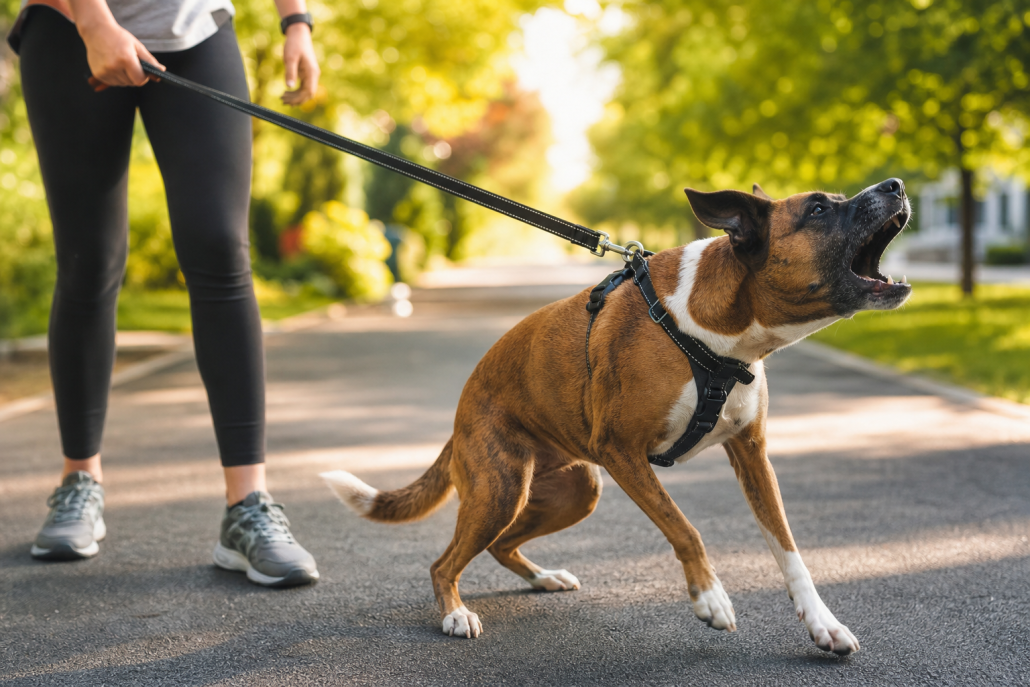
Physiologically, heat increases metabolic rate. Dogs pant more, move faster, and their nervous systems operate in a more activated state. Add in the neighborhood activity—kids out of school, more foot traffic, outdoor gatherings—and you’ve got a perfect storm for reactivity. A dog that handles winter walks with calm precision suddenly lunges, barks, or pulls with intensity that catches owners off guard.
The summer enrollment surge at dog day care and training facilities amplifies this effect. New dogs in class, unfamiliar handlers, different schedules—all of it stacks on top of seasonal excitement. Your reactive dog doesn’t just feel their own summer energy; they’re absorbing the heightened arousal of other animals in the program. This is why understanding these seasonal patterns matters so much when you’re managing a dog prone to reactive behavior on leash.
Identifying signs of reactivity before it escalates
Reactivity doesn’t appear out of nowhere. It builds through a progression of signals, and catching it early makes all the difference. You’re looking for subtle shifts: stiffening in the body, forward weight shift, ear changes, or a sudden focus lock on stimulus (another dog, person, or moving object).
The classic tell-tale signs include a tense body posture, raised hackles, and that laser-focused stare. Some dogs show a hard swallow or hold their breath before reacting. Others display what trainers call “threshold behavior”—they’re not fully reactive yet, but they’re close. They move slower, their tail stiffens, and they track the stimulus intensely.
Early reactivity might sound like a low growl, a single sharp bark, or a sudden forward surge on the leash. It’s the moment before the full explosion. Recognizing these micro-behaviors is crucial because intervening at this point prevents full escalation.
In group settings during peak summer enrollment, where distractions multiply, these early warning signs vanish quickly if you’re not paying attention. The difference between a manageable situation and a chaotic one often comes down to whether you caught that first stiffening moment.
When your dog shows these signs during doggy day camp or group classes, it’s not a failure—it’s valuable data. It tells you exactly what your dog’s threshold is and what specific triggers matter most.
How seasonal enrollment affects training group dynamics
Summer brings a flood of new enrollments. Families want their dogs ready for vacations, they’ve had time to think about training over winter, and the longer days feel like the right moment to invest in behavior work. This spike in enrollment changes everything about group training dynamics.
When your reactive dog is the only advanced student in a class full of beginners, the energy is chaotic. Untrained dogs pull, jump, vocalize, and move unpredictably. Your dog reads all of that and responds defensively or with heightened arousal. Suddenly that dog who was managing solo leash walks starts escalating in group settings.
Trainers at reputable facilities adjust for this by staggering classes, creating separate level-based groups, and managing the ratio of experienced to novice dogs. But the fundamental challenge remains: more dogs, more stimulation, more pressure on your reactive learner. What worked in May might not work in July when the class size doubled.
The key is understanding that your dog’s reactivity during summer isn’t necessarily worse behavior—it’s normal behavior under abnormal conditions. Higher stimulus environments require adjusted expectations and modified techniques. Some dogs benefit from in home dog during peak enrollment periods, while others need temporary shifts to smaller classes or one-on-one sessions. Working with a trainer who recognizes how seasonal dynamics affect group learning keeps your dog progressing instead of regressing under the pressure of summer’s intensity.
Foundation Techniques for Leash Control with Reactive Dogs
Establishing proper leash positioning and handler body language
Your body language communicates more to a reactive dog than your voice ever will. Before we even touch leash technique, understand that dogs read tension instantly. If you’re gripping the leash with white knuckles or walking with rigid shoulders, your dog already knows something’s wrong. They feed off that energy, and suddenly what started as mild excitement becomes full-blown reactivity.
Position yourself about two feet ahead and slightly to the side of your dog rather than directly above them. This placement gives you spatial control without crowding their personal space. Keep the leash loose enough that it has natural slack, but not so loose that you’ve lost connection. Think of it as a conversation held between your hands and theirs, not a rope pulling them into submission.
Your stance matters enormously during summer enrollment when you’re managing multiple reactive dogs. Stand with your feet shoulder-width apart, knees slightly bent. This balanced position lets you move quickly if needed without throwing your dog off-balance. When you’re grounded and centered, your dog feels more secure even when they’re struggling with excitement around other dogs or distractions.
Many handlers make the mistake of leaning back when their dog pulls, which actually invites more pulling. Instead, keep your arm at your side with your elbow bent at roughly 90 degrees. Let the leash run naturally from your hands without tension unless your dog genuinely needs a correction. This neutral position using what works keeps reactive dogs from escalating unnecessarily.
Creating loose-leash protocols that reduce tension and pulling
A loose leash isn’t just about comfort, it’s about communication clarity. When the leash has tension, your dog can’t distinguish between a gentle directional suggestion and actual correction. This ambiguity makes reactive dogs even more anxious because they’re unsure what behavior you’re actually asking for.
Start with what trainers call the “stop and reset” method. The moment your dog begins pulling, stop moving completely. Don’t pull back.
Don’t jerk. Just become immovable. Most reactive dogs will eventually look back at you, confused about why the walk has stalled.
That moment of them checking in is your cue to move forward again. Repeat this consistently, and dogs learn that pulling literally stops the world.
During peak summer enrollment periods, many dogs arriving for dog training show pulling behaviors rooted in excitement rather than aggression. These dogs respond beautifully to the “U-turn” technique. When your dog lunges forward or pulls toward a trigger, smoothly turn 180 degrees and walk in the opposite direction. This isn’t punishment, it’s redirection that requires minimal physical force and teaches your dog that pulling leads away from what excites them, not toward it.
Reinforce loose-leash walking by marking the exact moment your dog walks with slack in the leash. Use verbal markers like “yes” immediately followed by a treat. The timing here is critical. Your dog must understand which specific behavior earned the reward. Consistent marking reinforces the neural pathways that connect loose-leash walking with positive outcomes.
Keep sessions short during hot summer months. Fifteen to twenty minutes of focused loose-leash work beats forty-five minutes of sloppy walking where you’re both exhausted and frustrated. Quality beats quantity every single time.
Building focus exercises to redirect attention during triggers
Reactive dogs need an alternative behavior to lunging, barking, or pulling. That alternative is laser-focused attention on you. Before you encounter summer enrollment crowds or trigger situations, you need to establish what trainers call “auto-engagement” where your dog naturally looks to you for guidance.
The foundation starts at home in zero-distraction environments. Hold a high-value treat at your eye level and wait for your dog to make eye contact. The moment their eyes meet yours, deliver the treat and enthusiastic praise. Repeat this dozens of times over several sessions. Your dog learns that looking at your face is the highest-value activity available.
Once your dog understands the pattern indoors, practice the “focus command” in increasingly distracting environments. Use marker training to timestamp the exact moment they lock eyes with you. Then gradually introduce mild triggers: a person walking nearby, another dog at distance, or urban noise.
During actual leash walks, don’t wait for triggers to appear before asking for attention. Proactively request focus every thirty seconds or so. Make eye contact your dog’s default behavior rather than a desperate rescue tactic you deploy when reactivity erupts. This shift in approach means your dog is already mentally connected to you before their nervous system escalates.
When you encounter an actual trigger during summer training, use your focus command immediately. Most reactive dogs will successfully disengage if they’ve practiced this hundreds of times in controlled contexts first. The brain pathway already exists. You’re just activating it.
Managing Peak Summer Enrollment Challenges
Structuring training classes to accommodate mixed skill levels
Summer brings a surge of new enrollments, and that means your training classes are suddenly packed with dogs at vastly different experience levels. You’ve got your seasoned regulars who’ve been working on impulse control for months, sitting alongside brand-new reactive dogs who’ve never been on a proper leash before. Managing this mix without letting the experienced dogs regress (or the newbies get overwhelmed) requires deliberate class structure.
The best approach is tiered grouping within your enrollment. Rather than throwing everyone into one class, segment by both reactivity level and leash training experience. A dog showing moderate excitement around other dogs needs different handling than one lunging hard at every passerby. When structuring dog training classes during peak summer, consider smaller breakout sessions where reactive dogs can progress without the pressure of watching advanced students nail perfect heel positions.
Rotation-based training works exceptionally well here. Run simultaneous sessions with staggered start times, so your facility isn’t a chaotic free-for-all. One group works on foundational leash control while another focuses on reducing over-threshold reactions. This prevents the common summer problem where newer dogs become MORE reactive watching calmer dogs perform, creating a ripple effect of frustration.
Documentation matters too. Track each dog’s baseline reactivity score at intake, note their specific triggers, and update progress weekly. When you know exactly where each dog sits on the reactivity spectrum, you can strategically pair them during group sessions to prevent overwhelming situations. A dog reactive to other dogs on-leash shouldn’t be working directly alongside a high-energy summer newcomer just yet.
Safety protocols when new reactive dogs join established groups
New reactive dogs entering an established training group creates immediate safety considerations. You’re introducing an unpredictable variable into a relatively controlled environment, and one unmanaged outburst can set back multiple dogs’ progress. This is why implementing clear safety protocols before the first group session matters more than you might think.
Start with individual assessment sessions separate from group classes. These one-on-one evaluations let you understand the dog’s specific reactive triggers, intensity level, and body language signals. Can they recover quickly after reacting, or do they escalate? Do they respond to marker-based rewards? This intel is crucial before they meet the pack. When joining 7 reasons why, prevention through proper assessment is your first defense.
Establish a “staged introduction” protocol. New reactive dogs don’t jump into full group classes immediately. Instead, they observe from a distance (with their handler) for one or two sessions, then participate with only one or two calm, established dogs before full group integration. This graduated exposure reduces the shock of the group environment and prevents the new dog from triggering existing group members.
Set clear handler expectations too. Every owner of a newly enrolled reactive dog needs to understand baseline safety rules: maintain minimum distance from other dogs initially, use high-value treats to redirect before reactivity escalates, and signal to instructors immediately if their dog is approaching threshold. Handlers should also understand that their anxiety transfers down the leash (reactive dogs sense tension), so coaching them to stay calm is part of your protocol.
Creating graduated exposure plans for summer newcomers
A graduated exposure plan isn’t just helpful for reactive summer enrollees, it’s essential. These dogs need a clear progression pathway, not random exposure to whatever happens in class that day. You’re essentially building their confidence systematically while managing their nervous system response.
Week one focuses on environmental acclimation without distraction. The dog visits the training space during quiet hours, becomes familiar with facility layout, meets staff one-on-one, and learns basic leash handling in low-stress conditions. They’re building a foundation that makes foundation training,, possible.
Week two introduces controlled single-dog exposure. Your new reactive student works alongside one calm, established dog (maybe even a staff member’s demo dog) in a separate area. The goal is measurable progress in proximity tolerance, not perfection. If they can maintain focus on their handler while another dog is 15 feet away, that’s a win worth celebrating.
Weeks three and four expand the group gradually. Small groups of three to four calm dogs, then slightly larger cohorts. Each step includes clear success metrics: Can they maintain loose leash walking? Do they look at their handler for guidance? Are they eating treats consistently (a sign they’re not over-threshold)?
By week five or six, most summer newcomers can participate in standard group classes with appropriate distance management. But this timeline varies. Some reactive dogs progress faster, others need eight weeks or more. The key is customizing the exposure plan to each dog’s individual threshold and recovery speed, not rushing everyone through the same timeline.
Environmental Strategies for Outdoor Summer Sessions
Selecting training locations that minimize visual and auditory triggers
Location selection is everything when you’re working with reactive dogs during summer enrollment peaks. The wrong environment can undo weeks of progress in minutes. Your goal is finding spaces where you control the variables, not chase them.
Start by mapping out areas with minimal foot traffic, fewer dogs, and reduced noise levels. Early morning sessions in quieter parks work better than late afternoon when families swarm playgrounds. Scout locations during different times to understand peak activity patterns. A park that’s peaceful at 7 AM transforms into chaos by noon.
Consider enclosed or semi-enclosed training spaces. Tennis courts, parking lots of closed businesses, or private dog training facilities give you the advantage of controlling who enters your training zone. This prevents surprise distractions that trigger reactive behavior. Reactive dogs need predictable environments where they can focus on you, not every squirrel and passing cyclist.
Visual triggers matter as much as auditory ones. Choose locations away from busy intersections, water features where birds congregate, or areas adjacent to playgrounds (children’s voices spike reactivity in many dogs). If you’re in Southern California working with clients who need distraction dog training, beach parking lots early morning beat crowded beach hours every time.
The surface beneath your feet matters too. Grass is gentler on joints and provides better traction for dogs learning leash control. Soft surfaces also reduce the sensory overload that hard pavement creates. Avoid uneven terrain with elderly dogs or those with mobility concerns, as reactive movements on unstable ground increase injury risk.
Timing sessions to avoid peak heat and maximum distractions
Summer temperatures in Southern California can exceed 90 degrees by mid-morning. Training during extreme heat compromises focus, increases stress, and puts dogs at risk for heat exhaustion. A reactive dog overheating is exponentially more reactive. Their tolerance for stimulation drops significantly.
Schedule training sessions before 8 AM or after 6 PM when temperatures cool and distractions decrease. Morning sessions align with natural dog energy cycles too. Most dogs are calmer and more trainable in early hours, which accelerates progress with reactive leash behavior.
Peak enrollment often means managing multiple clients across different time slots. Build your summer schedule around cooler windows rather than forcing sessions into convenient midday slots. Clients appreciate the effort, and your success rates improve dramatically. Dogs practicing advanced dog training during optimal times progress faster, which builds reputation and referrals during busy seasons.
Avoid times when local activity spikes. School dismissal, weekend farmer’s markets, weekend beach crowds. These predictable peaks create unnecessary reactive triggers. Your training becomes harder, clients see slower progress, and you burn through session time managing chaos instead of teaching skills.
Wednesday mornings, for example, tend to be quieter than Saturday afternoons. Monday evenings see different activity patterns than Friday evenings. Track what works in your specific training areas and lock those slots for reactive dog clients who need calm, focused environments.
Using weather-appropriate equipment and hydration considerations
Summer demands equipment adjustments that many trainers overlook. Reflective gear protects early morning trainers and dogs in low-light conditions. Lightweight, breathable harnesses prevent overheating and allow better movement control than heavy leather leashes.
Bring water for yourself and the dog. Dehydration impairs judgment and increases stress for both handler and canine. Reactive dogs become more reactive when thirsty or hot. Portable water bowls weigh nothing but prevent breaks mid-session to hunt water fountains.
Paw protection matters on hot asphalt. Dogs’ paws burn on sun-heated pavement, which creates pain-based reactivity separate from training issues. Booties or paw wax protect sensitive foot pads. The importance of walking includes protecting their physical comfort during training sessions.
Shorter leashes give better control with reactive dogs, but in summer heat, keep total session length to 20-30 minutes maximum for intense work. Multiple shorter sessions beat one marathon session. Your dog learns better, stays safer, and you manage enrollment demands by scheduling more frequent, concentrated training blocks.
Sunscreen for exposed skin (yours), insect repellent away from the dog’s face, and lightweight clothing that breathes prevent handler fatigue that clouds training decisions. When you’re uncomfortable, your energy shifts, and reactive dogs sense that immediately.
Client Communication and Owner Accountability
Setting realistic expectations during the high-volume summer period
Summer brings a flood of new enrollments, and that’s fantastic for business. But it also creates a critical moment where client expectations can either align perfectly with what’s actually achievable, or spiral into frustration. This is where transparent communication becomes your strongest tool.
When owners sign up reactive dogs during peak season, they often arrive with idealized timelines. They want their dog “fixed” before a family vacation. They expect behavioral transformation within three weeks. These aren’t unrealistic people—they’re just working with incomplete information about what leash training for reactive dogs actually requires.
Your job is to set the record straight from day one. During the initial consultation, be explicit: reactive behavior changes happen in layers, not overnight. A dog that lunges at every passing cyclist won’t suddenly walk calmly past one after two sessions. What will happen is gradual desensitization, incremental confidence building, and measurable progress that compounds over weeks and months.
Frame expectations around specific milestones rather than end goals. Instead of “your dog will be perfectly behaved,” say “by week four, we’ll see reduced pulling during the first five minutes of walks” or “your dog will maintain focus for fifteen-second intervals when triggers appear.” This specificity builds credibility and gives owners concrete checkpoints to celebrate.
Also address the reality of summer distractions directly. Heat, crowded trails, unfamiliar dogs from vacation visitors, and irregular schedules all impact training consistency. Owners need to understand that their dog’s progress won’t be linear during these months. Some weeks will show huge gains; others might feel flat. That’s not failure—that’s summer.
Providing home practice routines that owners can maintain between sessions
Dogs don’t learn during training sessions alone. They learn when owners reinforce techniques consistently at home, on neighborhood walks, and during everyday interactions. Yet many summer enrollments fail because owners receive minimal guidance for the seventy hours per week their dog spends away from you.
Create written, customized home practice routines for every reactive dog in your program. Don’t hand them a generic handout. Instead, build routines around their specific triggers and their dog’s current ability level. If the dog reacts to bikers, the routine focuses on bike-adjacent desensitization. If leash pulling is the issue, the routine breaks down leash work into five-minute increments.
Keep routines achievable. Summer schedules are chaotic. Owners juggling kids, work, and travel can’t manage thirty-minute training sessions daily. Five to ten minutes, twice daily, is realistic and sustainable. That’s a routine they’ll actually follow.
Provide video demonstrations of proper technique. Written instructions help, but watching you execute a counter-conditioning setup or demonstrate a proper leash position removes ambiguity. Video also serves as a reference when owners forget details between sessions—and they will.
Include a simple tracking sheet where owners log daily practice sessions, note what worked, and flag what didn’t. This creates accountability and gives you real data during follow-up sessions. You’ll know whether inconsistent progress stems from reactive behavior, training technique, or owner follow-through. That distinction matters enormously when you’re adjusting your approach.
Tracking progress and adjusting training plans as enrollment fluctuates
High-volume summer periods demand systematic progress tracking. Without it, you can’t differentiate between dogs responding beautifully and dogs plateauing. You also can’t identify patterns in which training approaches work best for specific reactivity types.
Implement a simple but consistent progress tracking system. Document baseline behaviors on day one: trigger distance, response intensity, recovery time. Then track the same metrics weekly. Note whether a dog now notices a trigger from forty feet instead of thirty feet. That’s progress. Record whether leash tension decreased during the first minutes of walks. That’s momentum.
Use progress data to adjust training plans strategically. If a dog shows consistent gains with distraction dog training, emphasize that approach. If environmental changes help, consider supplementing leash work with environmental strategy adjustments. Your training plan should evolve based on what the dog is actually showing you, not what you assumed would work initially.
Communicate progress transparently with owners during check-ins. Show them the data. Walk them through the metrics. Point out improvements they might have missed because they see their dog daily. This reinforces their investment and keeps them engaged during slower weeks.
Also monitor which clients maintain consistency despite summer chaos. These are your gold-standard owners. Support them actively, celebrate their effort publicly, and use their results as case studies. They’re proof that summer training works when accountability and communication align.
Building Sustainability Into Your Summer Training Operations
Preventing trainer burnout during high-enrollment periods
Summer brings money in the door, but it also brings exhaustion that can hit your training staff hard. When you’re running multiple sessions daily with reactive dogs, the mental and physical load compounds quickly. Trainers dealing with high-energy, reactive animals are making constant micro-decisions about safety, protocol adjustments, and client management. That’s cognitively taxing work, and burnout creeps in when there’s no structural relief.
Start by capping daily session loads. If your trainers are booked back-to-back for six or seven hours, their attention to detail and safety awareness drops. A reactive dog can sense fatigue and hesitation, which actually amplifies reactivity.
Build in 30-minute buffers between intensive leash training sessions so your team can decompress, hydrate, and reset their nervous system. This isn’t slack time; it’s maintenance.
Rotate trainers across different types of reactive cases. Spending eight hours with severely reactive dogs is different from managing mild excitement with younger dogs. By diversifying the day’s client load, you keep mental engagement higher and prevent the emotional drain of constant high-stress scenarios. Some trainers also benefit from administrative or client communication tasks mid-week, which breaks the intensity of hands-on work.
Compensation matters during peak season. Consider bonuses or hourly increases for summer hours, or offer comp time during slower fall and winter months. Trainers who feel valued and properly compensated are far less likely to leave mid-season, which would devastate your operations and client trust.
Scaling your program without compromising individual dog assessments
The temptation during peak enrollment is to fast-track assessments so you can start training immediately. Resist it. A rushed initial assessment of a reactive dog almost always leads to incorrect protocol decisions, wasted training hours, and frustrated clients.
Instead, standardize your assessment process. Create a documented evaluation template that captures the exact same information for every dog: trigger identification, reactivity threshold, fear-based versus excitement-based behavior, owner compliance likelihood, and baseline obedience. This takes 20-30 minutes per dog but prevents the guesswork that derails programs later. When you scale, consistency in your starting point is what keeps quality intact.
Implement a waitlist if enrollment exceeds your capacity to perform thorough assessments. This protects your reputation more than taking on cases you can’t properly evaluate. A three-week waitlist is better than onboarding a severely reactive dog based on a 10-minute phone conversation. Clients understand this if you explain it clearly: “We assess every dog individually to ensure the right training plan, and we have availability in mid-July for a full evaluation.”
Use your dog walking services and other operational offerings as intake tools. A 45-minute walk reveals reactive behavior patterns that a sit-down conversation might miss. Dogs show their true reactivity in real environmental conditions, not in your training facility. This data strengthens your assessment and builds client confidence in your expertise.
Creating transition strategies for dogs continuing into fall training
Summer clients include visitors, temporary residents, and owners running on vacation schedules. Come September, many will disappear. The dogs that remain are your core base, and how you transition them into fall programming determines your fall revenue and team stability.
In late August, proactively reach out to summer clients with continuation proposals tailored to their dog’s progress. If a reactive dog has moved from high-alert leash pulling to controlled loose-leash walking, frame the next phase clearly: “Your dog’s summer foundation is solid. Fall training focuses on consistency in distracting environments.” Specific progression gives owners a reason to continue rather than assume their dog is “fixed.”
Develop tiered fall packages. Some owners want intensive ongoing training; others want monthly group classes or sporadic refresher sessions. Offering options increases your retention rate. A dog that’s worked through reactive leash behavior may benefit from advanced dog training or specialized programs like dog surf lessons to maintain engagement and prevent regression.
Create a “summer alumni” community communication. Send monthly tips on maintaining leash control, seasonal triggers to watch, and upcoming fall group classes. This low-cost touchpoint keeps dogs in your ecosystem even if training pauses. When clients see consistent value beyond the training session, they’re more likely to return and refer others.
Your summer reactive dog program isn’t just about managing chaos for three months. It’s about building sustainable operations where your trainers stay engaged, assessments remain rigorous, and summer clients transition into long-term relationships. Document what worked, what created bottlenecks, and what your team struggled with.
Use that data to refine next summer. The goal is repeatable success, not just surviving the rush.